
Attar (also called ittar) is a natural perfume based on flowers, herbs, spices, or other fragrant ingredients. In contrast to synthetic perfumes, attars contain no alcohol and are based on natural oils, which makes them not harmful to the skin and ecologically safe. Worn in India and the Middle East for centuries, attars were treasured for centuries due to their deep, lasting fragrances and medicinal benefits.
Making attar at home enables you to make your customized fragrances, which suit your needs. Through patience, concentration, and the proper choice of materials, it is possible to distill out the essence of flowers or herbs and mix it with a carrier oil to form a beautiful, long-lasting fragrance. Made attar also creates an added advantage of making something different, more natural, and non-synthetic to receive all the benefits of aromatherapy and emotional balance to express yourself, all at the same scent of aromatherapy.
Benefits of Homemade Attar
Creating your own attar at home comes with multiple benefits. It is pure and free of the damaging synthetic chemicals, completely in control of the ingredients. Homemade attars provide customization as well, and hence you can create fragrances that fit your personality/mood. They also maintain the natural medicinal value of the flowers and herbs, thus facilitating mental and emotional health.
1. Chemical-Free & Natural
Homemade attars are entirely alcohol and synthetic fragrance-free. In contrast to the commercially produced perfumes, which might include toxic substances or allergens, homemade attars only include natural vegetable extracts and carrier oils. This guarantees a soft perfume that is not irritating to the skin. Natural attars have retained the original quality of flowers and herbs, keeping their medicinal qualities intact, besides being soothing and having a lasting fragrance.
2. Personalized Fragrance Creation
A major benefit of homemade attar is the possibility of making your own scents. The varieties of flower essences you can mix, or the combinations of flower, woody, and herbal notes you can create, mean that you can create a fragrance that is unique to your taste. This artistic liberty enables you to manifest yourself with smell. Tame and quiet scents or outlandish and exotic combinations, with homemade attars, you are fully in charge of how strong and what fragrance you want your perfume to be.
3. Aromatherapy & Therapeutic Benefits
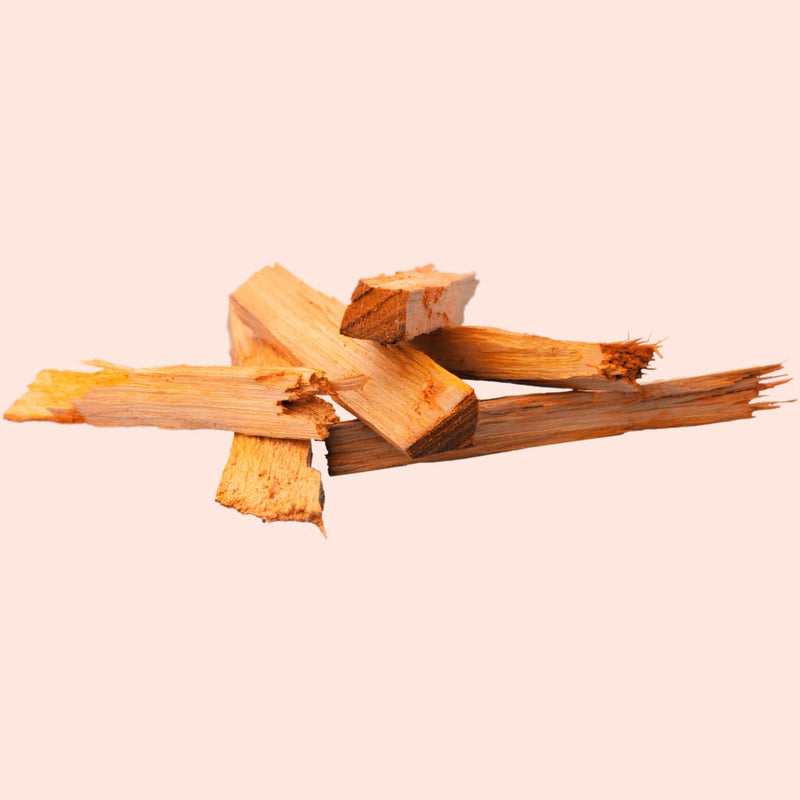
Attars are not only fragrant but also have therapeutic value. Various flowers and herbs possess distinct properties: Rose attar helps to relax and balance emotions, and Sandalwood attar helps to calm down and achieve balance. Wearing or sniffing attar may help alleviate stress, improve your mood, and concentration. Homemade perfumes are also superior to commercial perfumes, which tend to dilute or kill the properties of the natural oils.
4. Long-Lasting & Economical
Homemade attars are very dense and thus take a long time to evaporate off the skin as compared to some commercial perfumes. Since they are produced using pure essential oils and carrier oils, very little can be used in order to have a prolonged pleasant scent. Also, the process of attar making may be cost-effective in the long-term. Not only do you get to make numerous blends of the same perfume using a few simple ingredients, but you also get to tailor each mix to various scenarios by buying a few of the ingredients instead of a variety of expensive perfumes.
Homemade Attar Supplies
You will need the following to make attar at home:
- Fresh flowers (rose, jasmine, marigold, lavender, or sandalwood shavings)
- Carrier oil ( jojoba oil, or fractionated coconut oil)
- Distilled water
- Mortar and pestle or blender
- With a steam or distillation apparatus.
- Glass-covered jars with tight lids.
- Fine strainer or cheesecloth.
- Storage glasses that are dark.
- A dropper to measure accurately.
- Optional: for more fragrance, add herbs and spices (cardamom, cloves, cinnamon, etc.).
DIY Homemade Attar Recipe: Step by Step
Attar making is a time-consuming and painstaking experience that can be helpful to do by yourself. A distillation or an infusion technique is used to extract the essence of the flowers or herbs, and a carrier oil is carefully added. This is a way of retaining the natural aroma or therapeutic value. The procedure can last a number of days, with the final perfume being a full, natural, and distinct scent.
Ingredients
- 1 bunch fresh flowers (roses, jasmine are best)
- 1 cup large paint brush (with a tip) 1.5 oz. carrier oil
- ¼ cup distilled water
- Optional: Cursory quantity of herbs or spices as a fragrance.
Directions
- Prepare the Flowers: Wash fresh flowers with a lot of care to clean them of dust or dirt. Wipe them dry with a dry cloth to prevent bruising, and pull off all stems, leaves, or non-fragmented parts, as it is only the petals or flowers that will give the scent. The fragrance of your attar depends on the quality and freshness of the flowers.
- Crush the Flowers: Lightly crush the flowers with a mortar and pestle to extract the natural oils. Do not over-crush, and the petals are ruined, thus influencing the end perfume. When blending, do it at a slow pulse in order to retain the fine fragrance. This is aimed at opening the flowers to an extent such that it exudes its oil and water in the subsequent steps.
- Make the Carrier Oil Hot: Boil the carrier oil in a double boiler, and then warm it, but do not boil. This makes sure that the oil absorbs the flower essence effectively. Sandalwood oil is also desirable because of its natural smell and the capacity to complement other fragrances. Be careful not to burn the oil and to avoid the loss of the natural smell of the flowers by maintaining a low temperature.
- Infuse the Flowers: To the warm oil in the double boiler, put in the crushed flowers. Bake and leave the mixture to infuse at a low heat for 4-6 hours. Occasionally stir to achieve even extraction. The flowers make the essential oils pass to the carrier oil, forming a fragrance base. When applying the steam distillation technique, put flowers in the distiller and obtain the condensed aromatic water, and combine it with the carrier oil.
- Strain the Mixture: Strain the mixture after infusion with cheesecloth or a fine strainer to filter out flower residue. Place slight pressure to collect the maximum amount of oil. The unrefined attar results in the pure essence of your flowers. Sow the remainder of the flower material or let it decompose naturally.
- Bottle and Mature: Put the attar in dark glass bottles to save sunlight, which weakens the fragrance. Close the lid firmly and leave the attar to dry for at least 1-2 weeks. The scent will evolve with time and become more concentrated, providing a more balanced scent. Gently shake each day to mix the oils in order to have them spread evenly in scent.
- Optional Enhancements: It is possible to add a few drops of herbs or spices at this point to tailor the fragrance further. As an instance, just a couple of cardamom pods or a pinch of cinnamon can add a warm, spicy flavor. Before adding these additions, ensure that they are finely ground or infused to avoid clumping or sediment in the attar.
Safety Precautions
Although homemade attars are natural, there are precautions to be taken. A patch test should always be conducted on a small part of the skin to make sure that there is no allergic reaction. Do NOT use anything on broken or tender areas of the skin. Strong essential oils should be avoided during pregnancy or when breastfeeding. Make sure to dilute the ingredients well with carrier oils where the fragrance is too high. The store attaches in the dark and cool areas without sunlight or heat in order to keep their level of potency and to avoid oxidation. To ensure safety and purity, synthetic additives or chemicals should be avoided.
Frequently Asked Questions
Attar-making common sense evokes some usual questions in dabblers. An awareness of how to use or store them might help you enjoy yourself and develop safe and lasting fragrances.
Q1: Can attar be applied to the skin?
Ans: Yes, attars are meant to be used on the skin. They are alcohol free and milder, hence being useful with most skin types. Put on a little at pulse points such as wrists, behind ears, and at the back of the neck to create an understated, long-lasting fragrance.
Q2: Can attar be applied to clothes?
Ans: Attars may be used sparingly on clothing, but in the event that it may cause stains, it should be applied sparingly. Some fabrics may be delicate and may be stained by natural oils. Apply a small portion or dab with a cotton ball prior to wearing.
Q3: Can attar cause an allergy?
Ans: Although attars are natural, the results may cause an allergic reaction in sensitive people. Patch test prior to routine use. Not to use attars with herbs or flowers to which the person is allergic. Stop using it when irritation sets in.
Q4: Do attars expire?
Ans: Natural attars are very durable on the shelf; however, they may, with time, degrade on exposure to heat, sunlight, or air. They should be stored in dark and air-tight bottles and can therefore last several years. The maturation increases the fragrance depth, but it should not be stored poorly to preserve the quality.
Conclusion
Homemade attar is an art, scientific, and patient endeavor to create a natural, aromatic, and chemical-free perfume, which is long-lasting and soothing to the body. The fragrances can be made using a few ingredients, taking into consideration the preparation and safety, which will result in making your individual scents that resonate with your own personal preferences. Handmade attars not only give you exquisite odors but also bring about relaxation and emotional control as well as an environmentally friendly life. This hand-held art enables you to experience both the heritage of natural perfumes and experiment with your creativity and scent.
DISCLAIMER
This content is for informational purposes only and is not a substitute for professional medical advice, diagnosis, or treatment. Always consult a healthcare provider before using essential oils for any health condition.