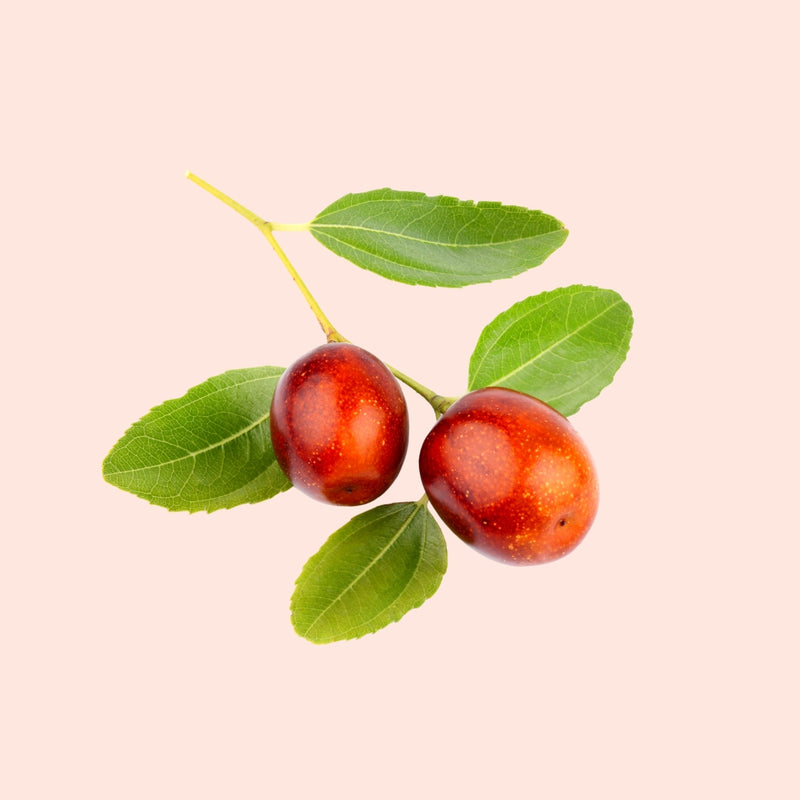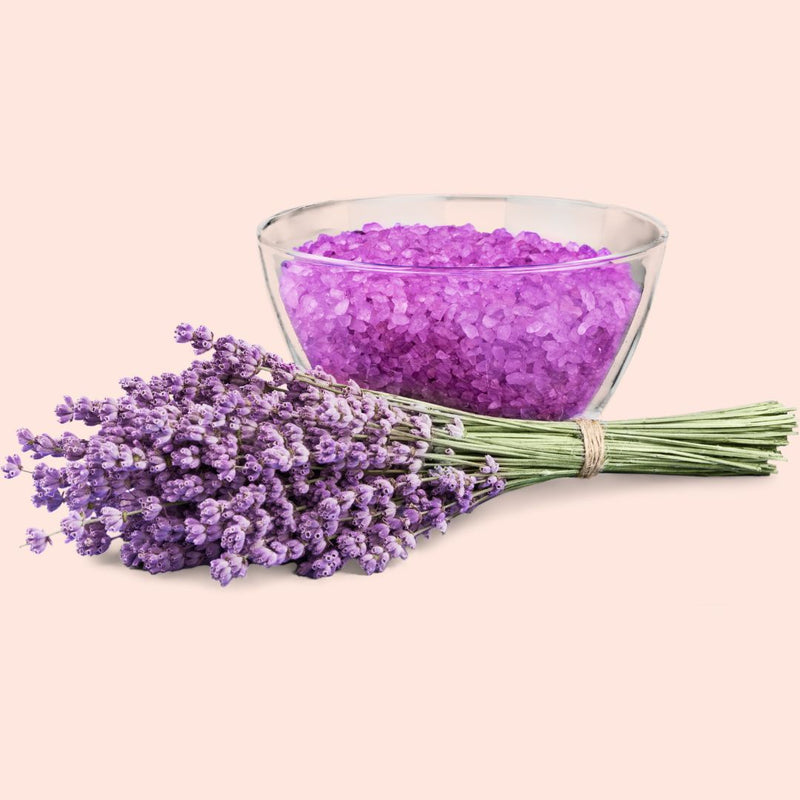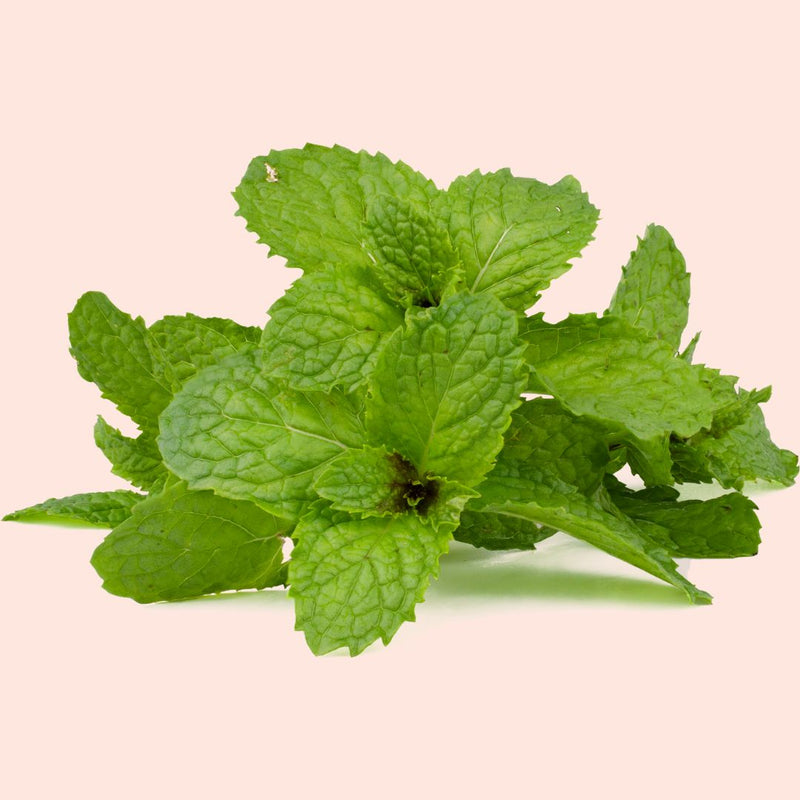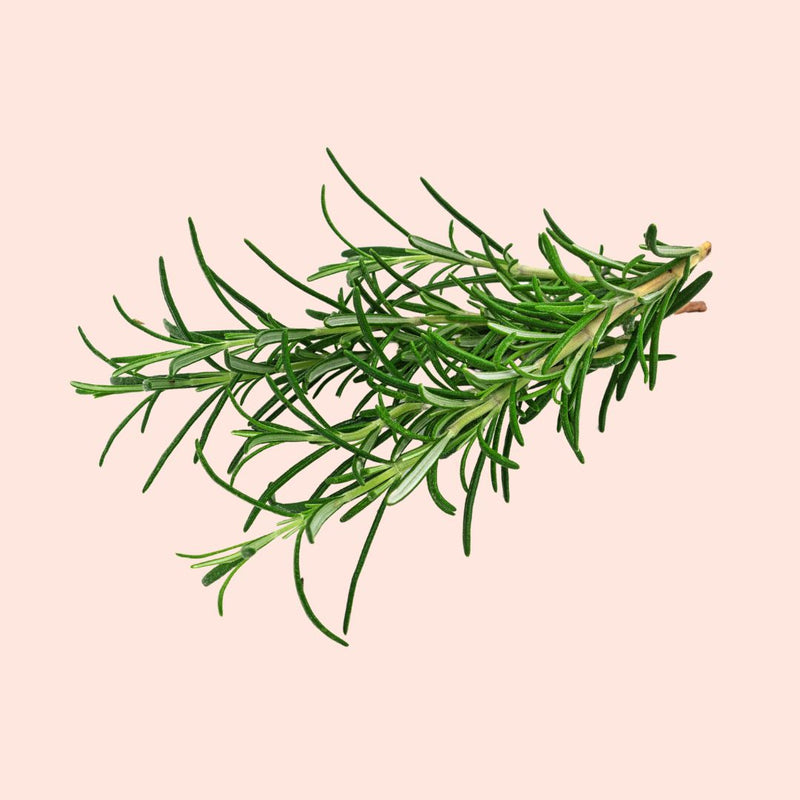

Dry and damaged hair requires consistent care to restore its natural moisture, shine, and strength. Hair masks enriched with essential oils provide an effective solution by deeply nourishing and repairing the hair shaft. These masks use natural oils and plant extracts, such as argan, coconut, and jojoba, along with essential oils like lavender, rosemary, and peppermint, to rejuvenate hair from root to tip.
Essential oils are known for their therapeutic properties, promoting scalp health, reducing hair breakage, and stimulating growth. By preparing and applying hair masks at home, you can avoid harsh chemicals found in commercial products while customizing the treatment according to your hair type and specific needs. Regular use of these masks restores softness, enhances manageability, and revitalizes dry, damaged hair for a healthy, glossy look.
Benefits of Hair Masks with Essential Oils
Hair masks infused with essential oils deliver deep nourishment, repair damage, and enhance scalp health. They are natural, safe, and effective in improving hair texture, reducing breakage, and promoting growth.
1. Deep Nourishment
Essential oil hair masks provide intensive hydration to dry and brittle hair. Oils like coconut, argan, and avocado penetrate the hair shaft, replenishing moisture and restoring elasticity. Essential oils like lavender and rosemary improve blood circulation in the scalp, allowing nutrients to reach hair follicles. Regular application keeps hair soft, smooth, and manageable while preventing split ends. Dry strands regain their natural shine, and the hair becomes less prone to frizz, breakage, and dullness, making this treatment essential for maintaining healthy, vibrant hair.
2. Repairing Damaged Hair
Hair masks with essential oils help repair damage caused by heat styling, chemical treatments, and environmental stress. Oils such as jojoba and almond restore structural integrity to the hair cuticle while strengthening weak strands. Essential oils provide antioxidants that protect hair from free radical damage. This combination reduces breakage, minimizes split ends, and gradually restores the hair’s natural resilience. With consistent use, the hair regains its softness, thickness, and overall vitality, reversing the signs of wear and damage effectively.
3. Scalp Health
Essential oils like tea tree, peppermint, and rosemary enhance scalp health, removing impurities and preventing dryness. These oils stimulate blood flow to hair follicles, promoting growth and reducing hair thinning. Nourished follicles are less likely to produce brittle hair, and a healthy scalp ensures stronger, healthier strands. Hair masks that include these oils provide both therapeutic and aesthetic benefits, addressing scalp dryness, flakiness, and irritation while enhancing overall hair vitality. Regular treatments maintain scalp balance and stimulate the natural growth cycle.
4. Aromatherapy and Relaxation
Applying hair masks infused with essential oils is a sensory experience that enhances relaxation. Oils like lavender, ylang ylang, and chamomile provide calming aromatherapy effects, reducing stress, which can contribute to hair loss and scalp issues. The soothing scent improves mood while nourishing the hair, creating a holistic self-care routine. This dual benefit makes essential oil hair masks not only effective for hair health but also a therapeutic ritual for mental and emotional well-being, reinforcing healthy habits for long-term hair maintenance.
How to Use Hair Masks with Essential Oils?
Using hair masks correctly is crucial to maximizing their benefits. They can be applied before or after shampooing, and frequency depends on hair type and condition. Masks should be left on for sufficient time to allow oils to penetrate deeply.
1. Pre-Shampoo Treatment
Applying a hair mask before shampooing allows essential oils to deeply penetrate the hair shaft without being stripped by surfactants. Massage the mask gently into the scalp and along the lengths of the hair. Leave it on for 30–60 minutes to let the oils nourish, hydrate, and repair hair. Afterward, rinse thoroughly and shampoo to remove excess oils. Pre-shampoo treatments prevent dryness and breakage, providing an intensive conditioning effect before regular washing.
2. Overnight Hair Mask
For extremely dry or damaged hair, an overnight mask is highly effective. Apply the essential oil mask evenly through damp hair, wrap it in a towel or use a shower cap to prevent staining bedding, and leave it overnight. The extended contact allows the oils to deeply nourish the scalp and hair. In the morning, wash and condition as usual. This method provides maximum hydration, restores elasticity, and strengthens hair, making it soft, smooth, and revitalized.
3. Post-Shampoo Conditioning
Hair masks can also be used as a post-shampoo conditioner for additional nourishment. After washing and lightly towel-drying hair, apply the mask to damp strands, concentrating on mid-lengths and ends. Leave it for 10–20 minutes to allow absorption, then rinse. This method replenishes moisture lost during washing, seals the cuticle, and enhances shine and manageability, reducing tangling and frizz. It is ideal for maintaining healthy hair between deep treatments.
4. Scalp Massage with Hair Masks
Applying hair masks through a gentle scalp massage increases blood flow, stimulates hair follicles, and improves oil absorption. Take a small amount of mask and massage it into the scalp using circular motions for 5–10 minutes. This technique promotes relaxation, reduces stress, and ensures that nutrients from essential oils reach the roots. Hair becomes stronger and healthier from the roots, while the scalp benefits from improved circulation and reduced dryness, supporting overall hair growth and resilience.
Safety Precautions
Essential oils are potent and should always be used in diluted forms when applied to hair or scalp. Conduct a patch test before full application to avoid allergic reactions. Pregnant or lactating individuals should consult a healthcare provider before using certain oils. Avoid contact with the eyes, and rinse immediately if exposure occurs. Use clean utensils and containers to prevent contamination. Limit frequency according to hair type to prevent oil buildup or irritation. Store masks in airtight containers away from heat and sunlight to maintain potency and prevent spoilage.
Frequently Asked Questions
Hair masks with essential oils are widely used, but users often have questions about their necessity, suitability for different hair types, and overall benefits. Understanding these points ensures safe and effective use for maintaining healthy, nourished hair.
Q1: Are hair masks good for your hair?
Ans: Yes, hair masks provide deep hydration, repair damage, and improve texture. Essential oils nourish the scalp, strengthen strands, and enhance shine, making them beneficial for overall hair health.
Q2: Are hair masks necessary?
Ans: While not mandatory, hair masks are highly recommended for dry, damaged, or chemically treated hair. They provide intensive care that regular shampoo and conditioner cannot offer.
Q3: Are hair masks good?
Ans: Hair masks are excellent for improving moisture, reducing frizz, and restoring hair elasticity. When made with natural oils and essential oils, they offer safe, chemical-free nourishment.
Q4: Are hair masks good for low porosity hair?
Ans: Yes, but the application method matters. Low porosity hair absorbs oils slowly, so warm masks or longer application times help ensure proper penetration and maximum benefits.
Conclusion
Hair masks with essential oils are a natural, effective solution for dry, damaged hair. They restore moisture, repair damage, and promote scalp health while providing aromatherapeutic benefits. Regular use results in stronger, smoother, and healthier hair, creating a holistic hair care routine that combines nourishment and relaxation.
DISCLAIMER
This content is for informational purposes only and is not a substitute for professional medical advice, diagnosis, or treatment. Always consult a healthcare provider before using essential oils for any health condition.