
Navratri is celebrated over nine days and culminates in Dussehra, or Vijayadashami, on the tenth day. During this festive period, homes and puja spaces are often prepared with flowers, incense, lamps and traditional aromas that help create a welcoming atmosphere for prayer, family gatherings and celebrations.
Essential oils can be used as an additional source of fragrance during Navratri and Dussehra when used appropriately. Woody aromas such as Sandalwood and Cedarwood can create a traditional feel, Rose adds a rich floral character, Sweet Orange and Lemon bring freshness, while Frankincense and Vetiver provide deeper resinous and earthy notes. The nine oils below are presented as practical aroma suggestions for the nine days of Navratri, not as oils traditionally or religiously prescribed for individual days. The aim is to help you choose different essential oils for Navratri and Dussehra puja, puja-room fragrance and festive home ambience according to their aroma and best use.
Why Use Essential Oils During Navratri & Dussehra Puja?
A puja room or prayer space often includes several natural aromas from flowers, incense, wood, resins and other traditional materials. Essential oils can complement this environment when you want a controlled fragrance from a compatible diffuser placed safely away from open flames.
Different scent families create different types of festive ambience. Sandalwood and Cedarwood provide woody depth, Rose and Lavender bring floral softness, while Lemon and Sweet Orange create a brighter atmosphere. Frankincense and Vetiver can be useful when you prefer a deeper, more traditional fragrance. The important point is to choose an aroma that suits the space rather than assuming an essential oil has a particular spiritual effect. Essential oils should be used for their fragrance and appropriate aromatic applications, while religious significance should follow your own family and community traditions.
List of 9 Essential Oils for the 9 Days of Navratri
Navratri is celebrated over nine days, and each day brings a fresh opportunity to create a welcoming festive atmosphere at home and around the puja space. Different essential oils can introduce floral, woody, citrus, earthy or resinous aromas that complement flowers, incense, diyas and other traditional elements used during the celebrations.
The following nine Essential Oils are selected for their distinct fragrance profiles and how naturally they fit into Navratri home and puja-room ambiance. You can explore them throughout the festive period according to your fragrance preference, the setting of your puja space and the type of atmosphere you want to create.
1. Sandalwood Essential Oil
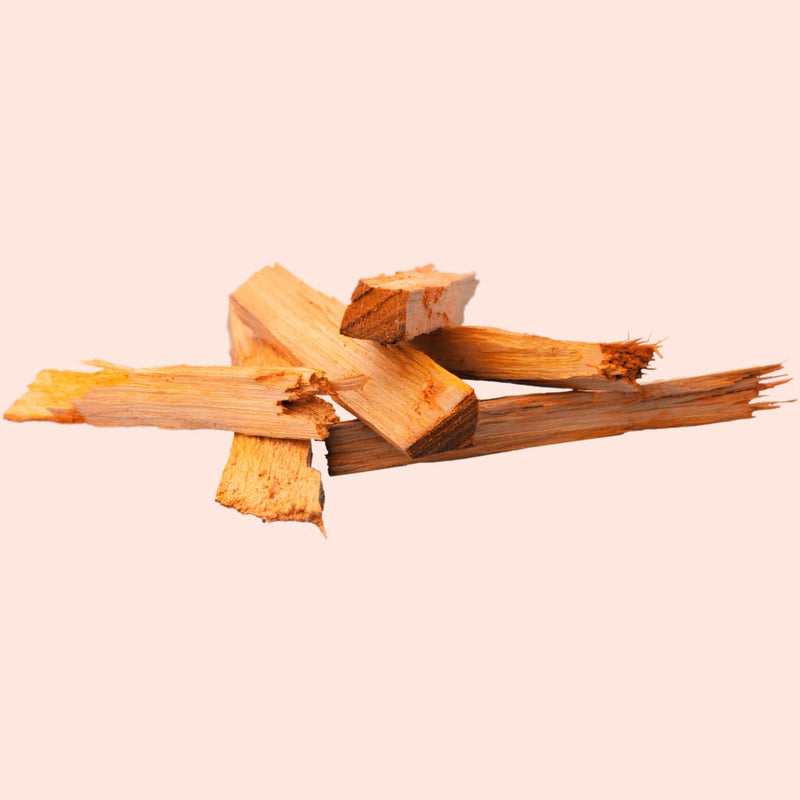
Sandalwood Essential Oil has a warm, smooth and distinctly woody aroma that fits naturally into traditional festive settings. Its scent is rich without being overly sharp or sweet, which makes it particularly suitable for a puja room where incense, flowers or other fragrances may already be present.

Sandalwood can also form the base of a more complex festive blend. Rose adds a floral layer, while Frankincense makes the overall aroma deeper and more resinous. A small amount of Cardamom can introduce gentle spice.
Aroma profile: Warm, woody and softly creamy
Best festive use: Puja-room fragrance and evening prayer ambience
Pairs well with: Rose, Frankincense, Cardamom and Cedarwood
If you are looking for a traditional-style oil for pooja fragrance, Sandalwood is one of the most natural aromatic choices.
2. Rose Essential Oil
Rose Essential Oil brings a rich floral fragrance that works beautifully during festive gatherings. Rose Essential Oil's aroma can make the puja area feel more decorative and welcoming, particularly when fresh flowers are also part of the setting.

Rose is stronger and fuller than lighter floral oils, so it usually does not need to dominate the blend. Combining it with Sandalwood creates a classic floral-woody aroma, while Frankincense can add depth. It can also work well near the entrance or living areas when you want the home fragrance to feel festive without relying on spices.
Aroma profile: Rich, floral and elegant
Best festive use: Floral puja ambience, welcoming guests and festive living spaces
Pairs well with: Sandalwood, Frankincense, Lavender and Cedarwood
3. Lavender Essential Oil
Lavender Essential Oil has a softer floral aroma with light herbal undertones. It provides a useful contrast to heavier traditional scents such as Sandalwood, Rose or Frankincense.

During Navratri, Lavender works particularly well in evening home fragrance when you want something lighter after stronger daytime puja aromas. It can also help soften blends that contain woods or citrus oils. Lavender does not have to be used as the main fragrance. A smaller amount with Sandalwood or Sweet Orange can make the overall combination more balanced.
Aroma profile: Soft floral, clean and lightly herbal
Best festive use: Evening home fragrance and softer post-puja ambience
Pairs well with: Sandalwood, Sweet Orange, Rose and Cedarwood
4. Sweet Orange Essential Oil
Sweet Orange Essential Oil introduces a completely different fragrance direction. Its aroma is bright, juicy and gently sweet, making it useful when you want to freshen living rooms, entrances or family gathering areas during the festive period.

Sweet Orange Essential Oil pairs particularly well with traditional woody and spicy oils. Sweet Orange with Sandalwood creates a brighter woody-citrus aroma, while Cardamom gives it a warmer festive character. Because citrus aromas feel lighter than resins or heavy woods, Sweet Orange works especially well during daytime celebrations.
Aroma profile: Bright, sweet and citrusy
Best festive use: Entrance, living room and daytime festive fragrance
Pairs well with: Sandalwood, Cardamom, Cedarwood and Frankincense
5. Frankincense Essential Oil
Frankincense Essential Oil provides a resinous, warm and gently woody aroma. Frankincense Essential Oil is a useful choice when you want the puja room fragrance to feel deeper and more traditional without becoming overly spicy.

Frankincense combines particularly well with Sandalwood and Rose. Sandalwood strengthens the woody base, while Rose introduces a softer floral character. It can also be used in evening diffuser blends in prayer or meditation spaces when a more subtle fragrance is preferred.
Aroma profile: Resinous, warm and woody
Best festive use: Puja spaces, evening prayers and traditional aroma blends
Pairs well with: Sandalwood, Rose, Sweet Orange and Cedarwood
6. Cardamom Essential Oil
Cardamom Essential Oil has a warm, aromatic and gently spicy fragrance. Unlike Cinnamon or Clove, Cardamom can feel softer and more refined, which makes it easier to combine with floral, citrus and woody aromas.
During Navratri celebrations, Cardamom Essential Oil works particularly well in living rooms or gathering areas where you want a fragrance that feels festive but not excessively strong. Try Cardamom with Sweet Orange for a brighter spice blend or with Sandalwood for something warmer and more traditional.
Aroma profile: Warm, aromatic and softly spicy
Best festive use: Festive gatherings and warm home-fragrance blends
Pairs well with: Sweet Orange, Sandalwood, Lemon and Cedarwood
7. Vetiver Essential Oil
Vetiver Essential Oil has a deep, earthy and root-like aroma that stands apart from floral and citrus oils. It is particularly useful when you want a puja room fragrance with a natural, earthy character.

Vetiver is traditionally familiar in Indian aromatic culture, but its scent can be strong, so it is often best used as a supporting note rather than the entire fragrance. It blends well with Sandalwood for a deeper woody-earthy direction, while Sweet Orange or Lemon can brighten the combination.
Aroma profile: Earthy, woody and deep
Best festive use: Traditional-style home fragrance and earthy puja-space blends
Pairs well with: Sandalwood, Sweet Orange, Lemon and Cedarwood
For people searching for vetiver for pooja, the practical value is primarily its distinctive earthy aroma rather than any guaranteed spiritual effect.
8. Cedarwood Essential Oil
Cedarwood Essential Oil gives a dry, clean and woody aroma. Compared with Sandalwood, it generally feels less creamy and more distinctly wood-like.

Cedarwood Essential Oil works well when you want to add structure to a festive blend without making it sweet. Cedarwood with Rose creates a floral-wood combination, while Sweet Orange gives it a brighter character. It is especially suitable for evening gatherings or prayer-room blends where you want a steady woody background.
Aroma profile: Dry, woody and warm
Best festive use: Evening puja ambience and woody home-fragrance blends
Pairs well with: Rose, Sweet Orange, Lavender and Frankincense
9. Lemon Essential Oil
Lemon Essential Oil finishes the nine-day guide with a bright and fresh citrus aroma. Its scent works well during daytime celebrations and can make the entrance, living room or general home environment feel lighter after several days of richer floral and woody fragrances.

Lemon pairs particularly well with Cardamom when you want a fresh-spice combination. Cedarwood can add woody depth, while Lavender softens the overall fragrance. Because Lemon is so recognizable, it also works well in simple two-oil combinations when you do not want a complex blend.
Aroma profile: Fresh, bright and citrusy
Best festive use: Daytime fragrance, entryways and fresh festive home ambience
Pairs well with: Cardamom, Cedarwood, Lavender and Vetiver
Best Essential Oils for Dussehra Puja
Dussehra comes after the nine days of Navratri, so the fragrance for Vijayadashami can naturally bring together some of the aromas used throughout the festival.
For a traditional puja-space fragrance, Sandalwood, Frankincense and Rose are particularly well suited. Sandalwood provides the woody base, Frankincense adds a resinous character, and Rose brings floral richness.
For a brighter Dussehra home fragrance, Sweet Orange, Lemon and Cardamom work well together. This combination is particularly suitable for living rooms, entrances and areas where family or guests gather.
If you prefer an earthy fragrance, Vetiver and Cedarwood can create a deeper woody profile.
There is no requirement to use a particular essential oil for Dussehra puja. These are fragrance suggestions designed to complement the festive environment rather than replace traditional puja materials.
Best Essential Oils for Puja Room Fragrance
A good puja room fragrance should usually complement rather than compete with flowers, incense or other aromas already present in the space.
For a traditional woody direction, try:
Sandalwood + Frankincense
For a floral puja aroma:
Rose + Sandalwood
For a softer evening fragrance:
Lavender + Cedarwood
For a fresh daytime puja space:
Lemon + Sandalwood
And for something earthier:
Vetiver + Cedarwood
When using an essential-oil diffuser in a prayer room, place it at a safe distance from diyas, candles, incense and other sources of heat or flame.
Essential Oil Blends for Navratri & Dussehra
The following are simple fragrance ideas for compatible essential-oil diffusers. Adjust the total amount according to your diffuser's capacity and manufacturer instructions.
Floral Puja Blend
- 3 Drops of Rose Essential Oil
- 2 Drops of Sandalwood Essential Oil
- 1 Drop of Frankincense Essential Oil
This blend combines floral richness with a traditional woody and resinous base.
Traditional Woody Blend
- 3 Drops of Sandalwood Essential Oil
- 2 Drops of Cedarwood Essential Oil
- 1 Drop of Vetiver Essential Oil
This creates a deeper, less sweet fragrance suitable for prayer rooms and evening use.
Fresh Festive Blend
- 3 Drops of Sweet Orange Essential Oil
- 2 Drops of Lemon Essential Oil
- 1 Drop of Cardamom Essential Oil
This blend is brighter and works especially well in living rooms, entrances or daytime celebrations.
How to Choose Oils for Different Festive Spaces
The best fragrance may vary depending on where it is being used.
- For a puja room, woody, floral and resinous oils such as Sandalwood, Rose and Frankincense are natural choices.
- For the entrance or foyer, brighter citrus aromas such as Lemon and Sweet Orange can make the space feel fresh and welcoming.
- For the living room, Cardamom, Sweet Orange, Rose or Cedarwood work well during family gatherings.
- For an evening prayer or quieter setting, Lavender, Sandalwood and Frankincense provide softer, deeper aroma profiles.
You do not need to use the same essential-oil blend throughout the entire home. Choosing different scent profiles for different spaces usually creates a more balanced festive atmosphere.
How to Use Essential Oils Safely Around the Puja Area
Essential oils are concentrated aromatic materials and should be used carefully around festival decorations and open flames. Keep bottles, diffusers, and oil blends away from diyas, candles, incense burners and other heat sources. Essential oils can be flammable, so they should never be poured directly onto a burning diya, candle or incense.
For diffusion, follow the instructions supplied by your diffuser manufacturer. Do not apply undiluted essential oils directly to the skin. For topical applications, use an appropriate carrier oil and follow product-specific guidance. Essential oils should also not automatically be applied to idols, fabrics, flowers, wooden objects or other puja materials because they may stain or damage surfaces. If children or pets are present, place diffusers and bottles where they cannot be reached and check the safety guidance for the individual oil.
Frequently Asked Questions
Q1. Which essential oils are best for Navratri puja?
Ans: Sandalwood, Rose, Frankincense, Vetiver and Cedarwood are good choices when you want woody, floral, resinous or earthy puja-room aromas. Citrus oils such as Lemon and Sweet Orange work well when you prefer a brighter festive fragrance.
Q2. What is the best oil for pooja?
Ans: There is no single essential oil that is universally required for pooja. For aroma, Sandalwood is a popular choice because of its warm, traditional woody scent. Rose and Frankincense are also useful for floral or resinous fragrance profiles.
Q3. Which essential oils are best for Dussehra?
Ans: Sandalwood, Rose, Frankincense, Sweet Orange, Cardamom and Cedarwood all fit well into Dussehra festive home and puja-room fragrance themes.
Q4. Can essential oils be used in a puja room?
Ans: Yes, suitable essential oils can be used in a compatible diffuser to fragrance a puja room. Keep the diffuser and oils safely away from diyas, candles, incense and other open flames.
Q5. Which essential oil is good for spirituality?
Ans: Essential oils do not scientifically create spirituality. However, aromas such as Sandalwood, Frankincense, Rose and Vetiver are often associated with prayer, meditation and traditional aromatic settings. Their value here is primarily aromatic and cultural.
Q6. Which essential oil brings good luck?
Ans: No essential oil is scientifically proven to bring good luck. Some oils may be culturally associated with prosperity, prayer or celebration, but such meanings vary across traditions. Choose oils for their aroma and suitability for your festive setting.
Q7. What is a good essential-oil blend for Navratri?
Ans: Rose + Sandalwood + Frankincense creates a floral-woody puja fragrance, while Sweet Orange + Lemon + Cardamom creates a brighter festive home aroma.
Conclusion
Navratri and Dussehra provide many opportunities to use fragrance as part of the festive home environment. Sandalwood, Rose and Frankincense work particularly well in puja spaces, while Sweet Orange, Lemon and Cardamom can create brighter aromas for family gatherings and daytime celebrations.
The idea of using nine essential oils for the nine days of Navratri is best treated as a practical fragrance guide rather than a religious prescription. Each oil offers a different scent direction, from floral and citrus to woody, resinous and earthy. By choosing oils according to the space and occasion, you can create a festive atmosphere that complements traditional flowers, incense, diyas and other elements of Navratri and Dussehra celebrations.
Disclaimer
This article is for general educational and aromatic-use guidance only. The nine essential oils suggested for the nine days of Navratri are fragrance ideas and are not presented as religiously prescribed oils for individual days. Essential oils are concentrated materials. Follow product-specific safety guidance, use compatible diffusers correctly, dilute appropriately for topical applications and keep essential oils away from open flames and heat sources.