
Diwali is a celebration of light, family, decoration and welcoming people into the home. Along with diyas, flowers and festive décor, fragrance can play an important role in shaping the atmosphere. Warm spices, soft florals, bright citrus and woody aromas can all create very different Diwali scents depending on the mood and space.
Choosing the right essential oils for Diwali is mainly about matching the aroma to how you plan to use the room. Sandalwood and Frankincense work well for deeper, traditional-style fragrance, Rose brings a rich floral character, Sweet Orange and Lemon brighten gathering spaces, while Cardamom and Cinnamon Bark create warmer festive notes. This guide covers 10 of the best Essential Oils for Diwali, how to choose fragrances for different parts of the home, simple festive aroma blends, ideas for Diwali scented candles and important safety considerations when essential oils are being used around diyas, candles and incense.
List of Top 10 Essential Oils for Diwali
A good Diwali fragrance does not need to rely on one single scent. Combining floral, citrus, woody, spicy and resinous aromas can create a fuller festive atmosphere while allowing different areas of the home to have their own character.
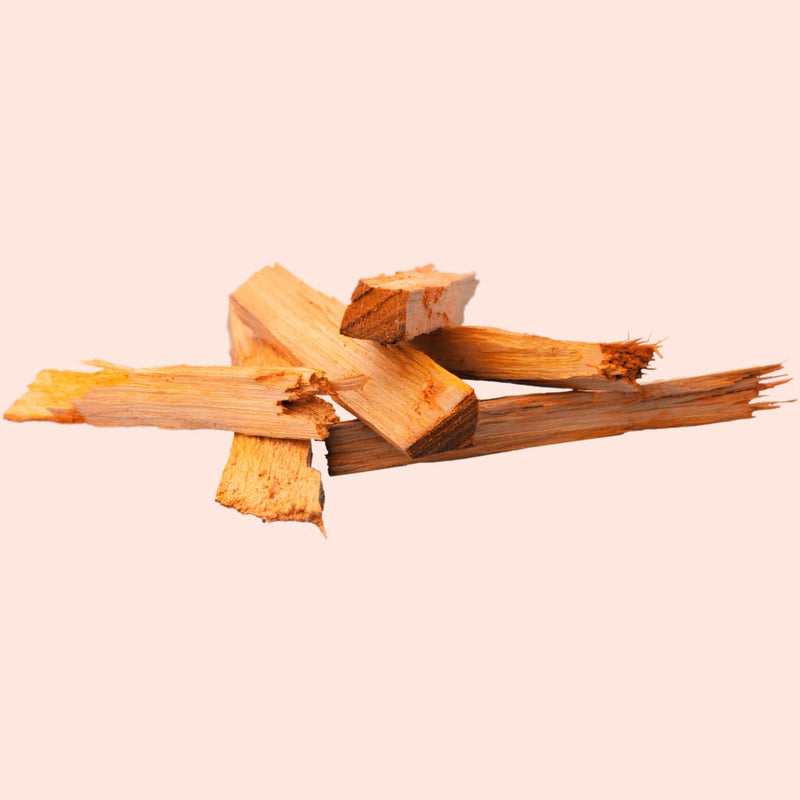
1. Sandalwood Essential Oil
Sandalwood Essential Oil has a warm, smooth and distinctly woody aroma that fits naturally into traditional festive settings. It works particularly well around a puja room or quieter evening area because the fragrance is deep without being aggressively spicy.

For Diwali, Sandalwood can also act as a foundation for more complex blends. Rose adds floral richness, Frankincense makes the aroma more resinous, while Sweet Orange introduces brightness. Its versatility makes Sandalwood one of the easiest Diwali essential oils to use when you want the fragrance to feel traditional, warm and refined rather than overly sweet.
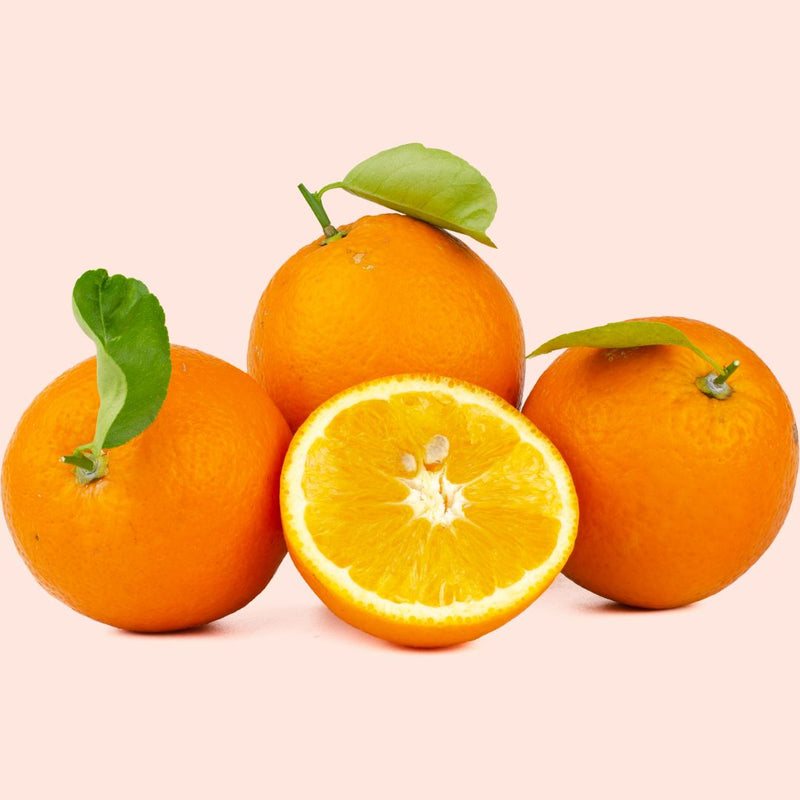
2. Sweet Orange Essential Oil
Sweet Orange Essential Oil has a bright, juicy citrus scent with more warmth and sweetness than Lemon. This makes it especially suitable for living rooms, entrances and family gathering spaces during Diwali.

Sweet Orange Essential Oil balances stronger woody or spicy oils particularly well. Sweet Orange with Cardamom creates a warm citrus-spice combination, while pairing it with Sandalwood gives the fragrance a softer woody base. If you want the home to feel festive without making every room smell heavily of spice or incense, Sweet Orange is one of the most useful oils to include.
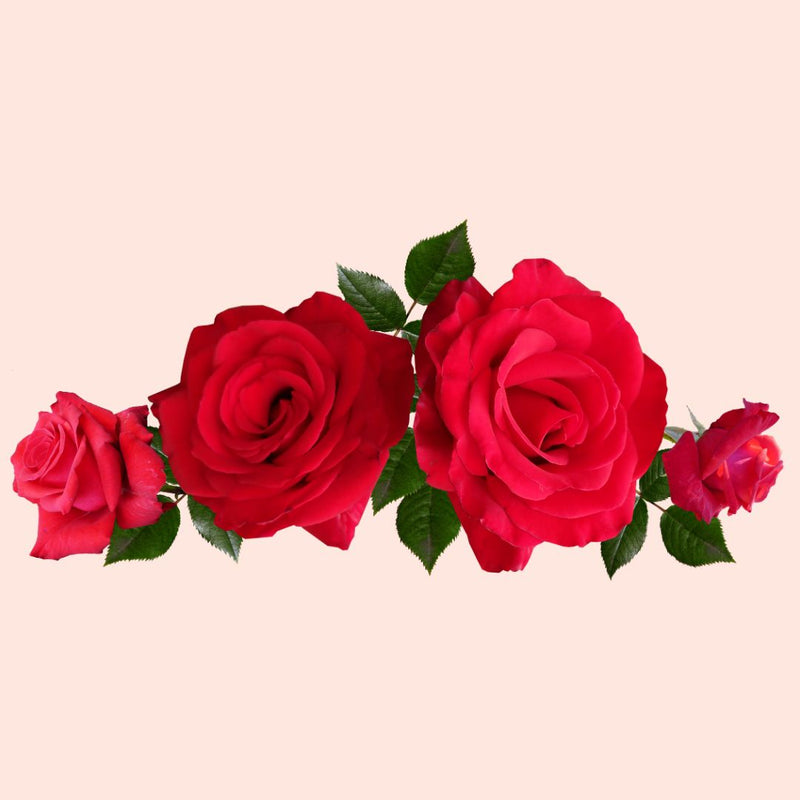
3. Rose Essential Oil
Rose Essential Oil adds a rich floral character to the festive home and works especially well when fresh flowers are already part of the Diwali décor. Rose Essential Oil's fragrance is fuller and more distinctive than many lighter floral aromas, so it can be used as the main floral note or softened with woody oils.

Rose and Sandalwood create a classic floral-wood combination, while Rose with Frankincense produces a deeper and more layered scent. Rose is particularly suitable for puja areas, living rooms and evening gatherings when you want the overall Diwali fragrance to feel elegant rather than strongly citrus or spice-led.
4. Cardamom Essential Oil
Cardamom Essential Oil has a warm, aromatic and gently spicy scent. Compared with stronger spices such as Cinnamon Bark or Clove, Cardamom can feel smoother and easier to combine with citrus, floral and woody oils.
Its aroma suits festive gatherings particularly well. Sweet Orange can brighten it, Sandalwood can make it feel more traditional, and Cedarwood can add a dry woody foundation. Cardamom is an excellent choice when you want a warm Diwali scent but do not want a fragrance that feels overly sweet or bakery-like.
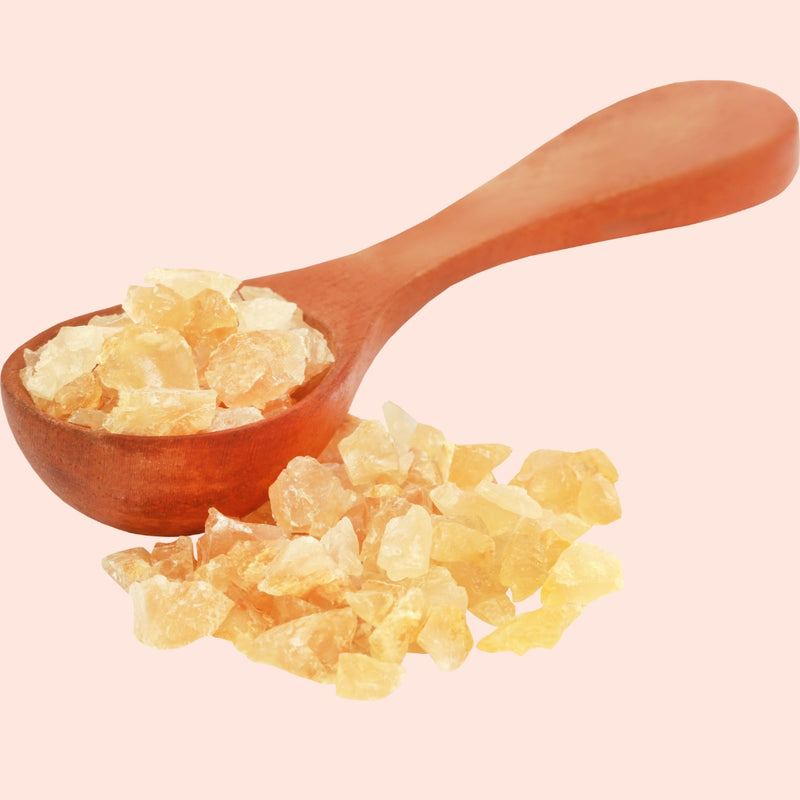
5. Frankincense Essential Oil
Frankincense Essential Oil provides a warm, resinous and lightly woody aroma. It is especially useful when the fragrance needs greater depth and can work well around puja spaces or quieter evening settings.

On its own, Frankincense can feel subtle compared with brighter citrus or stronger spice oils. Frankincense Essential Oil's strength is in blending. Sweet Orange makes it more approachable, Rose adds floral richness, and Sandalwood strengthens the woody character. For Diwali, Frankincense works particularly well as a supporting note that helps connect floral, citrus and woody aromas into a more balanced composition.
6. Cinnamon Bark Essential Oil
Cinnamon Bark Essential Oil has a powerful, warm and spicy fragrance that quickly creates a festive character. Because its aroma is intense, it generally works better as a supporting note than as the dominant scent.

Sweet Orange and Cinnamon create a familiar citrus-spice combination, while Cedarwood can make the blend feel less sweet and more sophisticated. Cinnamon Bark is especially useful for evening gatherings and warm seasonal blends. It should also be handled carefully because it is a potent essential oil and is not something to apply undiluted or use casually around open flames.
7. Lavender Essential Oil
Lavender Essential Oil may not be the first aroma associated with Diwali, but its soft floral and lightly herbal character is useful for balancing stronger scents.

Lavender Essential Oil can soften Cinnamon, cardamom, or woody oils and works particularly well in evening home-fragrance combinations. Lavender with Sandalwood creates a gentle floral-wood aroma, while Lavender and Sweet Orange produce something lighter and fresher. Lavender is a good option when you want a festive fragrance that remains subtle rather than making every room smell strongly floral, spicy or resinous.
8. Cedarwood Essential Oil
Cedarwood Essential Oil has a dry, warm and clearly woody scent. Cedarwood Essential Oil works well as a base note in Diwali aroma blends because it can add depth without introducing sweetness.

It pairs naturally with Sweet Orange for a citrus-wood fragrance, with Rose for a floral-wood profile, or with Cardamom when you want something warmer. Cedarwood is particularly useful in entrances, living rooms and evening spaces where you want a fragrance that feels grounded and balanced. It also helps prevent bright citrus blends from feeling too simple.
9. Lemon Essential Oil
Lemon Essential Oil brings a crisp, fresh citrus character to Diwali home fragrance. It is useful during the daytime and works particularly well in entrances or living areas where a lighter aroma is preferred. Compared with Sweet Orange, Lemon feels sharper and less sweet.

Lemon combines easily with Cardamom for a fresh-spice blend, Cedarwood for more depth, or Lavender for a softer citrus-floral direction. If several areas of the home already contain rich incense, floral or spice aromas, Lemon can provide a cleaner contrast without competing too heavily with them.
10. Vetiver Essential Oil
Vetiver Essential Oil has a deep, earthy and root-like aroma that is very different from citrus, florals or sweet spices. Vetiver Essential Oil's fragrance can bring an earthy, traditional-style character to Diwali blends, particularly when combined with Sandalwood or Cedarwood.

Sweet Orange or Lemon can be added when the mixture needs more brightness. Because Vetiver can be strong and distinctive, it is often more effective as a supporting note than as the entire fragrance. It works particularly well in evening spaces where a deeper woody-earthy aroma suits the setting.
Best Diwali Scents for a Festive Home
The best Diwali scents depend on whether you want the space to feel bright, floral, warm or traditional.
Floral fragrances such as Rose and Lavender work well when the home already features flowers and softer décor. Woody oils such as Sandalwood, Cedarwood and Vetiver create a deeper fragrance that suits evening spaces and puja areas.
Citrus oils such as Sweet Orange and Lemon are especially useful near entrances, living rooms and daytime gathering spaces because they make a blend feel brighter. Cardamom and Cinnamon Bark bring warmth and can make the fragrance feel more festive.
A balanced Diwali aroma often combines two different fragrance families. For example, citrus + wood creates a bright but grounded scent, while floral + resin can feel richer and more traditional.
Essential Oils for Different Diwali Spaces
Not every part of the home needs the same fragrance.
For the entrance, Sweet Orange, Lemon and Cedarwood work well because they create a fresh and welcoming first impression.
For the living room, Rose, Sweet Orange, Cardamom and Sandalwood can create a fuller fragrance suited to family gatherings and guests.
For the puja area, Sandalwood, Rose and Frankincense are useful choices when you want a woody, floral or resinous atmosphere that complements traditional décor and incense.
For an evening gathering, Sweet Orange, Cardamom, Cedarwood and a small amount of Cinnamon Bark can create a warmer festive aroma.
Using different fragrance combinations in different rooms can also prevent one strong scent from becoming overwhelming throughout the entire home.
Diwali Essential Oil Blends
These blends are intended as aroma ideas for compatible essential-oil diffusers. Adjust the total amount according to your diffuser's capacity and manufacturer instructions rather than treating one number of drops as universal.
Festive Welcome Blend
Combine Sweet Orange, Cardamom and Sandalwood.
The Orange provides brightness, Cardamom brings warm spice and Sandalwood gives the fragrance a woody foundation. This combination works particularly well near an entrance or living area.
Floral Diwali Blend
Combine Rose, Sandalwood and Frankincense.
This creates a richer floral-woody fragrance suited to puja spaces or evening settings.
Warm Evening Blend
Combine Sweet Orange, Cinnamon Bark and Cedarwood.
The result is warmer and more festive, but Cedarwood helps stop the blend from becoming excessively sweet or spice-heavy.
Fresh Festive Blend
Combine Lemon, Sweet Orange and Cardamom.
This is a lighter alternative for daytime use when you prefer citrus and gentle spice over heavy woody or resinous scents.
Essential Oils & Scented Candles for Diwali
Search interest around Diwali also includes scented candles for Diwali and Diwali scented candles, which makes sense because candles are already closely connected with festive home décor. Suitable essential oils can be explored in candle making, but a diffuser blend should not simply be poured into melted wax. Candle formulations require appropriate wax compatibility, fragrance loading, wick selection and burn testing.
Essential oils may provide botanical aroma profiles such as Lavender, Cedarwood, Lemon or Sweet Orange, while candle-safe fragrance oils can offer a much wider range of complex scents. If you are making festive candles, see the separate guide on Essential Oils for Candles. A separate fragrance-oil candle guide can also be internally linked where appropriate.
How to Use Essential Oils Safely During Diwali
Diwali often involves diyas, candles, incense and other sources of heat, so essential-oil safety becomes especially important.
Essential oils are concentrated aromatic materials, and many are flammable. Bottles, blends and diffusers should therefore be kept away from diyas, candle flames, incense burners and hot surfaces.
Do not pour essential oil directly into a burning diya or onto a candle flame. Essential oils should also not be dripped onto hot lamps, wicks or incense.
For diffusion, place the diffuser in a stable location away from open flames and follow the manufacturer's instructions.
For topical use, essential oils generally need appropriate dilution in a suitable carrier oil, and product-specific guidance should be followed.
Also remember that diffuser blends, room sprays, candle formulations and topical products are different applications. A mixture designed for one should not automatically be used in another.
Frequently Asked Questions
Q1. Which essential oils are best for Diwali?
Ans: Popular options include Sandalwood, Sweet Orange, Rose, Cardamom, Frankincense, Cinnamon Bark, Lavender, Cedarwood, Lemon and Vetiver. The best choice depends on whether you prefer floral, woody, citrus, spicy or earthy aromas.
Q2. What are the best Diwali scents for home?
Ans: Sandalwood, Rose and Frankincense suit deeper traditional-style fragrance, while Sweet Orange and Lemon create brighter scents. Cardamom and Cinnamon Bark work well when you want a warmer festive aroma.
Q3. Which essential oils are suitable for a Diwali puja space?
Ans: Sandalwood, Rose and Frankincense are useful aromatic choices for puja-room fragrance. They can complement flowers, incense and festive décor without needing to be treated as religiously prescribed oils.
Q4. What is a good Diwali essential oil blend?
Ans: Sweet Orange + Cardamom + Sandalwood makes a versatile festive blend. Rose + Sandalwood + Frankincense works well when you prefer a floral and woody aroma.
Q5. Can essential oils be used in scented candles for Diwali?
Ans: Suitable essential oils can be explored in properly formulated and tested candles. Candle making requires wax compatibility, appropriate aromatic loading, wick selection and burn testing; diffuser blends should not simply be transferred into candle wax.
Q6. Can essential oils be used near diyas?
Ans: Essential oils should be kept safely away from open flames and heat sources. Do not pour essential oils directly into a burning diya or apply them to a lit wick.
Q7. Is Sandalwood Essential Oil good for Diwali fragrance?
Ans: Sandalwood is a strong choice for Diwali home fragrance because of its warm, smooth and woody aroma. It works particularly well with Rose, Frankincense, Sweet Orange and Cardamom.
Conclusion
Choosing the best essential oils for Diwali is mainly about creating the type of festive atmosphere you want in each part of the home. Sandalwood, Cedarwood and Vetiver provide woody or earthy depth, Rose and Lavender bring floral character, Sweet Orange and Lemon add brightness, while Cardamom and Cinnamon Bark create warmer festive scents. Frankincense can help connect those different fragrance families with a deeper resinous note.
Instead of using one aroma everywhere, consider the space, time of day and existing décor. A bright citrus-wood blend may suit the entrance, while floral and resinous aromas can work better around the puja area or evening gatherings. Used thoughtfully and safely, Diwali essential oils can complement flowers, lights, incense, candles and festive décor while giving the home a distinctive seasonal fragrance.
Disclaimer
This article is for general educational and aromatic-use guidance only. Essential oils vary in composition, strength and recommended application. Always follow product-specific safety instructions, use compatible diffusers correctly, dilute appropriately for topical applications and keep essential oils away from open flames, diyas, candles and hot surfaces.