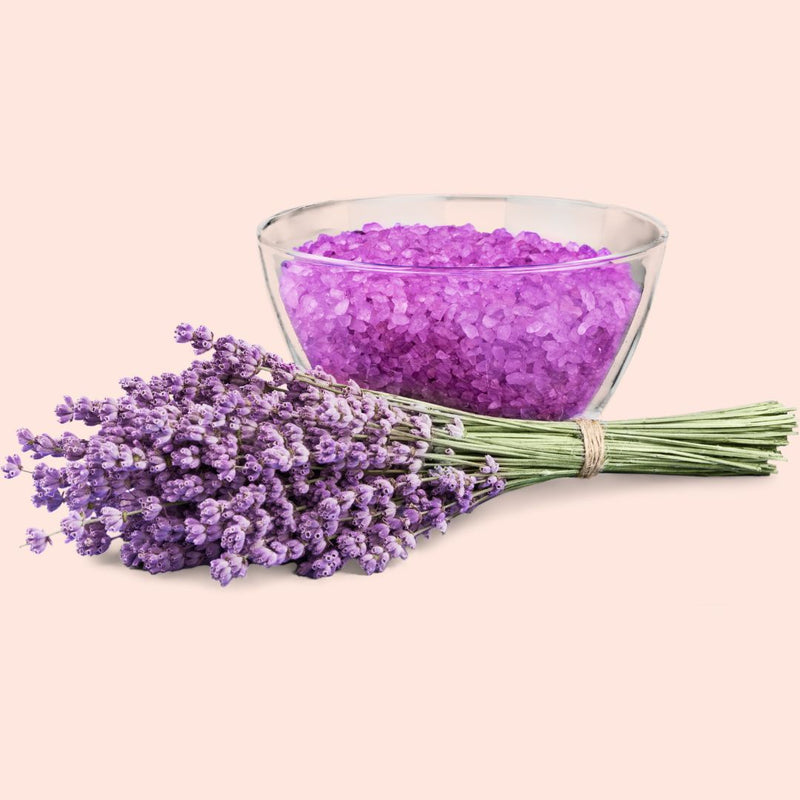

Fragrance is an important part of the overall shampoo experience. Along with cleansing and hair-care performance, the scent of a shampoo can influence how fresh, premium, fruity, floral or luxurious the finished product feels. Shampoo makers today can choose from a wide variety of fragrance profiles, including soft florals, fresh aquatic scents, tropical fruits, citrus notes and sophisticated musks. The right fragrance oil for shampoo making depends on the type of product being created, the target customer and the fragrance identity you want the shampoo to have.
For example, floral scents such as Lavender, Jasmine and Mogra can create an elegant personal-care profile, while Mango, Blueberry and Mulberry are better suited to fruity and youthful concepts. Ocean Breeze and Lime work well when the goal is a cleaner and fresher shampoo fragrance. In this guide, we explore 10 popular fragrance oils for shampoo making, along with tips for choosing a suitable scent, understanding fragrance categories and using fragrance oils responsibly in hair-care formulations.
Top 10 Fragrance Oils for Shampoo Making
Choosing the right Fragrance Oils for shampoo making depends on the type of scent you want the finished product to have. Some shampoos work better with fresh and aquatic aromas, while others are designed around floral, fruity, citrus or musky fragrance profiles.
The fragrance should also match the overall positioning of the shampoo. A premium hair-care product may suit soft floral or musky notes, while a youthful shampoo may work better with fruity scents. For everyday-use products, clean and fresh fragrance profiles are often easier to work with. Below are 10 popular fragrance oils that can be considered when developing different shampoo and hair-care fragrance concepts.
1. Lavender Fragrance Oil
Lavender Fragrance Oil is one of the most versatile choices for shampoo and hair-care products because of its soft, clean and floral aroma. It creates a familiar fragrance profile that can work well in both everyday shampoos and more premium personal-care products.
Its floral character is generally softer than heavier flowers such as Jasmine or Mogra, making it useful when you want a shampoo to smell elegant without becoming overly intense. Lavender-style fragrances can also combine naturally with fresh, citrus, herbal and musky notes, which makes them useful for creating more layered fragrance profiles. For shampoo makers looking for a balanced floral fragrance that can appeal to a broad audience, Lavender Fragrance Oil is a practical option.
Fragrance profile: Soft, floral and clean
Best suited for: Everyday shampoos, floral hair-care products and premium self-care ranges
2. Jasmine Fragrance Oil
Jasmine Fragrance Oil gives shampoo a richer and more luxurious floral character. Its fragrance is usually fuller and more noticeable than lighter floral profiles, making it suitable for products designed to feel premium or perfume-inspired.
Jasmine Fragrance Oil works particularly well in shampoos aimed at customers who enjoy expressive floral fragrances rather than fresh citrus or aquatic scents. Jasmine can also be balanced with softer fragrance notes to create a more refined hair-care aroma instead of using it as the only dominant fragrance. For brands creating premium or feminine fragrance concepts, Jasmine Fragrance Oil can provide a distinctive floral identity.
Fragrance profile: Rich, floral and elegant
Best suited for: Premium shampoos, luxury hair-care products and floral fragrance concepts
3. Mogra Fragrance Oil
Mogra Fragrance Oil offers a sweet, rich and distinctly floral scent that is especially familiar within Indian fragrance preferences. Mogra Fragrance Oil's traditional floral character can give shampoo and hair-care products a more expressive and memorable identity, particularly for brands looking for something different from common fresh or citrus fragrances.
Mogra works well in products positioned around traditional beauty, floral self-care or premium Indian-inspired fragrance concepts. Because the fragrance can be quite rich, it may be better suited to products where a noticeable floral identity is part of the overall product experience.
Fragrance profile: Sweet, rich and floral
Best suited for: Indian-inspired shampoos, premium floral ranges and traditional beauty concepts
4. Ocean Breeze Fragrance Oil
Ocean Breeze Fragrance Oil is a good option for shampoo makers who want a clean, fresh and modern scent profile. Aquatic fragrances are commonly associated with freshness and can work especially well in everyday shampoos, unisex hair-care products and product ranges designed around a crisp, refreshing identity.
Compared with floral or fruity fragrances, Ocean Breeze offers a more contemporary scent direction that can appeal to customers who prefer lighter and cleaner fragrance styles. It is particularly useful for shampoos where the overall product positioning is based on freshness rather than sweetness.
Fragrance profile: Aquatic, fresh and clean
Best suited for: Everyday shampoos, unisex hair-care products and modern fresh-fragrance ranges
5. White Musk Fragrance Oil
White Musk Fragrance Oil has a soft, smooth and sophisticated scent that can give shampoo a more polished and perfume-like finish. Rather than creating a strong fruity or floral impression, White Musk works well when the goal is to make the fragrance feel clean, elegant and refined.
It is especially suitable for premium hair-care products, minimalist beauty ranges and unisex shampoo concepts where a softer fragrance is preferred. White Musk Fragrance Oil can also complement floral and fresh scent directions when a shampoo maker wants to create a more layered fragrance character.
Fragrance profile: Soft, musky and elegant
Best suited for: Premium shampoos, unisex products and sophisticated hair-care ranges
6. Mango Fragrance Oil
Mango Fragrance Oil creates a sweet, juicy and tropical aroma that can give shampoo a lively and youthful personality. Mango Fragrance Oil is a good option for brands developing fun, colourful or summer-inspired hair-care ranges. Fruity fragrances like Mango can help a shampoo feel less traditional and more playful compared with classic floral fragrances.
Mango can work particularly well in products targeted toward customers who enjoy sweet and tropical scent profiles. For shampoo makers developing a fruit-themed or youthful product range, Mango Fragrance Oil can provide an instantly recognizable fragrance direction.
Fragrance profile: Sweet, fruity and tropical
Best suited for: Youth-focused shampoos, tropical hair-care products and summer fragrance ranges
7. Blueberry Fragrance Oil
Blueberry Fragrance Oil offers a sweet berry-style aroma that can help a shampoo stand out from more common floral, citrus or aquatic fragrances. Its fruity character works well for modern and playful hair-care products, particularly when the brand wants to create a youthful or distinctive fragrance identity.
Blueberry can be used as the main fragrance direction or as part of a more complex fruity concept. For brands that want to move away from traditional shampoo fragrances, Blueberry Fragrance Oil can provide a more unusual and memorable option.
Fragrance profile: Sweet, fruity and berry-like
Best suited for: Modern shampoos, youth-focused products and distinctive fruity fragrance concepts
8. Mulberry Fragrance Oil
Mulberry Fragrance Oil provides a sweet and fruity aroma that can add a distinctive character to shampoo and other hair-care products. Mulberry Fragrance Oil is particularly useful for shampoo makers looking for something different from more common Mango, Citrus or Floral fragrance profiles.
The fragrance can work well in contemporary shampoo ranges, colourful personal-care products and fruit-inspired collections. Mulberry may also suit brands developing modern fragrance concepts that combine fruity sweetness with a more premium personal-care presentation.
Fragrance profile: Fruity, sweet and distinctive
Best suited for: Contemporary shampoos, fruity hair-care ranges and creative fragrance concepts
9. Lily of the Valley Fragrance Oil
Lily of the Valley Fragrance Oil has a light, fresh and floral character that works well in shampoos where a cleaner floral scent is preferred. Compared with richer floral fragrances such as Jasmine or Mogra, Lily of the Valley generally gives a softer and more delicate impression.
This makes it suitable for everyday shampoos, elegant personal-care ranges and products designed around a clean floral identity. Lily of the Valley Fragrance Oil can be a useful option for brands that want a floral shampoo without making the fragrance feel too heavy or perfume-like.
Fragrance profile: Light, floral and fresh
Best suited for: Everyday shampoos, elegant hair-care products and clean floral fragrance ranges
10. Lime Fragrance Oil
Lime Fragrance Oil gives shampoo a bright, sharp and citrus-style aroma that can create a fresh and energetic product experience. Citrus fragrances are particularly useful when a shampoo is meant to feel clean, refreshing and suitable for everyday use.
Lime works well in products targeted toward customers who prefer fresh fragrances rather than sweet floral or fruity scents. It can also fit naturally into summer, freshness-focused and unisex hair-care concepts.
Fragrance profile: Citrus, bright and fresh
Best suited for: Fresh shampoos, everyday hair-care products and citrus-inspired fragrance concepts
How to Choose the Best Fragrance Oil for Shampoo
Choosing the best fragrance oil for shampoo depends largely on the type of product you are developing.
- For a fresh shampoo, aquatic and citrus fragrances such as Ocean Breeze or Lime may be suitable.
- For a more premium or floral shampoo, fragrances such as Jasmine, Lavender, Mogra or Lily of the Valley may be more appropriate.
- For youthful or fruity hair-care products, Mango, Blueberry and Mulberry can help create a sweeter fragrance identity.
- White Musk is a good option when the goal is a softer, cleaner and more sophisticated scent.
The fragrance should support the overall identity of the shampoo rather than simply being chosen because it smells strong on its own.
Floral Fragrance Oils for Shampoo
Floral fragrances remain popular in personal-care products because they can create anything from a soft, clean aroma to a richer perfume-style fragrance.
Popular floral options include:
- Lavender Fragrance Oil
- Jasmine Fragrance Oil
- Mogra Fragrance Oil
- Lily of the Valley Fragrance Oil
These fragrances can be used individually or considered as part of more complex fragrance concepts.
Fruity Fragrance Oils for Shampoo
Fruity fragrances can give shampoo a sweeter and more modern character.
Popular options include:
- Mango Fragrance Oil
- Blueberry Fragrance Oil
- Mulberry Fragrance Oil
These are particularly suitable for brands creating colourful, youthful or tropical hair-care ranges.
Fresh Fragrance Oils for Shampoo
For shampoos where freshness is the main fragrance direction, consider:
- Ocean Breeze Fragrance Oil
- Lime Fragrance Oil
- White Musk Fragrance Oil
These profiles can work well for everyday shampoos and unisex hair-care products.
Fragrance Oil vs Essential Oil for Shampoo Making
Fragrance oils and essential oils are different product categories.
Fragrance Oils
Fragrance oils are developed primarily to create specific fragrance profiles. Depending on the individual product, they may contain natural, synthetic or blended aromatic components. One advantage of fragrance oils is the wide variety of scents available, including profiles such as Ocean Breeze, White Musk, Mango, Blueberry and other aromas that are not necessarily available as natural essential oils.
Essential Oils
Essential Oils are concentrated aromatic materials obtained from botanical sources through suitable extraction methods. Their fragrance reflects the aromatic characteristics of the botanical material from which they are produced.
Which Is Better for Shampoo?
There is no single answer. Fragrance oils are useful when a shampoo maker wants greater flexibility in creating specific scent profiles. Essential oils may be considered when the formulation specifically calls for a botanical essential oil. The choice should depend on the finished product concept, formulation requirements and suitability of the individual aromatic ingredient.
How Much Fragrance Oil Should Be Used in Shampoo?
There is no single fragrance-oil percentage that is suitable for every shampoo.
The appropriate usage level can depend on:
- The specific fragrance oil
- The shampoo base
- The intended application
- Desired fragrance intensity
- Product-specific supplier guidance
- Requirements of the finished formulation
Because Raasa Oils supplies fragrance oils rather than finished shampoo formulations, shampoo makers and formulators should determine the appropriate usage level according to their own formulation requirements and the information available for the specific fragrance oil.
For commercial manufacturing, evaluate the fragrance in the actual finished product before moving to large-scale production.
Can Any Fragrance Oil Be Used in Shampoo?
No, A fragrance oil should not be assumed to be suitable for shampoo simply because its aroma is appealing. Before adding a fragrance oil to a shampoo formulation, check whether the particular product is intended for the required cosmetic application. The fragrance should also be evaluated within the actual shampoo base because its character can change once incorporated into a finished formulation.
Why Fragrance May Smell Different in Finished Shampoo
A fragrance oil smelled directly from the bottle may not smell exactly the same after it has been added to a shampoo base. The finished fragrance can be influenced by other ingredients in the formula, the base itself and the overall product composition.
This is one reason shampoo makers should evaluate fragrance oils within their own finished product rather than choosing them only by smelling the concentrated fragrance directly. Testing on a smaller batch first can help the formulator understand how the fragrance performs in the actual shampoo.
Tips for Choosing Fragrance Oils for Hair-Care Products
When choosing fragrance oils for hair-care products, keep the following points in mind:
- Match the fragrance with the overall product concept.
- Choose a scent family that suits the target customer.
- Avoid selecting fragrance only according to strength.
- Check whether the individual fragrance oil is intended for the required application.
- Evaluate the fragrance in the actual finished formulation.
- Review product-specific information before larger-scale manufacturing.
A balanced fragrance that fits the product concept is generally more useful than simply selecting the strongest scent available.
Frequently Asked Questions
Q1. Which fragrance oil is best for shampoo?
Ans: There is no single best fragrance oil for every shampoo. Lavender, Jasmine, Mogra, Ocean Breeze, White Musk, Mango, Blueberry, Mulberry, Lily of the Valley and Lime are different options depending on the fragrance profile you want to create.
Q2. What are the best fragrance oils for shampoo making?
Ans: Popular options include floral fragrances such as Lavender and Jasmine, fruity fragrances such as Mango and Blueberry, fresh options such as Ocean Breeze and Lime, and softer musky fragrances such as White Musk. The right choice depends on the shampoo concept and target customer.
Q3. Can fragrance oil be added to shampoo?
Ans: A fragrance oil may be incorporated into shampoo when the particular fragrance is suitable for the intended application and compatible with the formulation. Shampoo makers should review the relevant product information before use.
Q4. Which fragrance is best for a fresh-smelling shampoo?
Ans: Ocean Breeze and Lime are useful options for fresh fragrance profiles. White Musk can also work well when a softer and more sophisticated clean fragrance is preferred.
Q5. Which fragrance oils are suitable for floral shampoo?
Ans: Lavender, Jasmine, Mogra and Lily of the Valley are popular options for creating different floral fragrance profiles.
Q6. Which fragrance oils are suitable for fruity shampoo?
Ans: Mango, Blueberry and Mulberry are useful options for fruity and sweet shampoo fragrance concepts.
Q7. Can I use perfume fragrance oil in shampoo?
Ans: Do not assume that a fragrance oil intended for one application is automatically suitable for another. Check the product information and confirm that the particular fragrance oil is suitable for the intended shampoo or cosmetic application.
Q8. Are fragrance oils and essential oils the same?
Ans: No. Essential oils are aromatic materials obtained from botanical sources, while fragrance oils are designed primarily to create specific scent profiles and may contain different types of aromatic ingredients depending on the product.
Q9. How much fragrance oil should I add to shampoo?
Ans: There is no universal percentage. The appropriate amount depends on the specific fragrance oil, shampoo formulation and applicable product guidance.
Q10. Which fragrance profile is best for unisex shampoo?
Ans: Fresh, aquatic, citrus and soft musky profiles are commonly considered for unisex product concepts. Ocean Breeze, Lime and White Musk are examples worth exploring.
Conclusion
Choosing the right fragrance oils for shampoo making can help give a hair-care product its own distinctive identity. Floral fragrances such as Lavender, Jasmine and Mogra can create elegant shampoo profiles, while Mango, Blueberry and Mulberry provide sweeter and fruitier options. Ocean Breeze and Lime work well for fresher fragrance concepts, while White Musk can provide a softer and more refined character.
The best fragrance oil depends on the type of shampoo you want to create and the fragrance experience you want customers to associate with the finished product. Raasa Oils offers a wide range of fragrance oils for customers, DIY creators, formulators and businesses developing personal-care and other fragranced products. Before using any fragrance oil in shampoo, review the individual product information and ensure that it is suitable for the intended formulation and application.
Disclaimer
This article is provided for general informational purposes only and does not constitute a complete shampoo formulation or manufacturing procedure. Raasa Oils supplies fragrance oils but does not determine the formulation requirements of an individual manufacturer's finished shampoo.
The suitability and usage level of a fragrance oil can vary according to the individual fragrance, finished product and formulation. Manufacturers and formulators should review the relevant product information and carry out appropriate evaluation before commercial production.