
Essential oils can give handmade candles distinctive botanical aromas, from soft floral and woody scents to fresh citrus and herbal profiles. However, choosing the best essential oils for candles involves more than selecting an oil that smells good directly from the bottle.
Essential oils behave differently once mixed into wax and exposed to heat. Wax type, essential-oil concentration, wick selection, candle size, curing and the natural volatility of the aromatic compounds can all affect the finished scent. An oil that smells powerful in the bottle may produce a relatively light aroma when the candle is burning. This guide covers 11 useful essential oils for candle making, how essential oils perform in soy and beeswax candles, cold throw vs hot throw, scent-strength considerations and how to test an essential-oil candle before making larger batches.
Can You Use Essential Oils in Candles?
Yes, suitable essential oils can be used to scent candles, but they should not be treated exactly like fragrance oils. Essential oils are concentrated botanical aromatic materials, while many fragrance oils are specifically developed to provide predictable scent profiles across applications such as candles, soap or perfume.
When using essential oils in candles, the finished fragrance depends on the complete candle system. The wax needs to hold and release the aroma effectively, and the wick must produce an appropriate melt pool without creating poor burn performance. There is no single essential-oil percentage that works for every candle. Always consider the wax manufacturer’s recommendations, the specific essential oil, relevant product guidance and your own test results.
If you are comparing botanical essential oils with fragrance oils for candle making, see our separate guide on Best Fragrance Oils for Candle Making.
List of Top 11 Essential Oils for Candle Making
Different essential oils provide very different candle aromas. Floral oils can create softer home-fragrance candles, citrus oils give brighter scents, while woods and herbs can add depth or stronger aromatic character. The following Essential Oils are useful starting points for makers exploring natural essential oils for candle making.
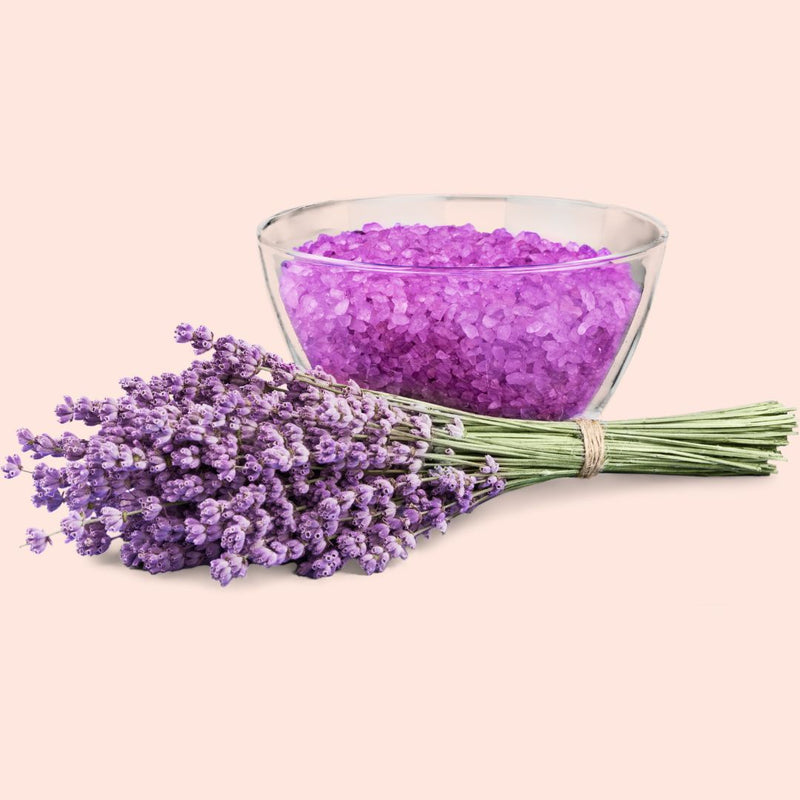
1. Lavender Essential Oil for Candle Making
Lavender Essential Oil is one of the most familiar options for essential-oil candles because of its balanced floral and herbal fragrance. It works particularly well in softer home-fragrance candles where you want a recognizable aroma without excessive sweetness. Lavender Essential Oil can be used alone, but it also blends naturally with Cedarwood for a woody-floral direction, Bergamot for something brighter or Rosemary for a more herbal character.

When evaluating Lavender in wax, judge the finished candle rather than the essential oil directly from the bottle. Wax type, loading level, wick and curing can all affect both cold and hot scent throw. Its versatility is one reason Lavender Essential Oil for candle making remains a popular starting point for DIY candle makers.
2. Cedarwood Essential Oil for Candles
Cedarwood Essential Oil provides a dry, warm and distinctly woody fragrance. Its deeper scent profile makes it especially useful as a base aroma in candles. Cedarwood can add structure to lighter citrus or floral essential oils and can help create woodland, earthy or unisex candle concepts.

Lavender + Cedarwood creates a soft woody-floral candle, while Sweet Orange + Cedarwood offers a brighter citrus-wood combination. Woody essential oils may behave differently from highly volatile citrus oils, but a deeper aroma still does not guarantee strong hot throw. Candle performance should always be checked through proper burn testing.
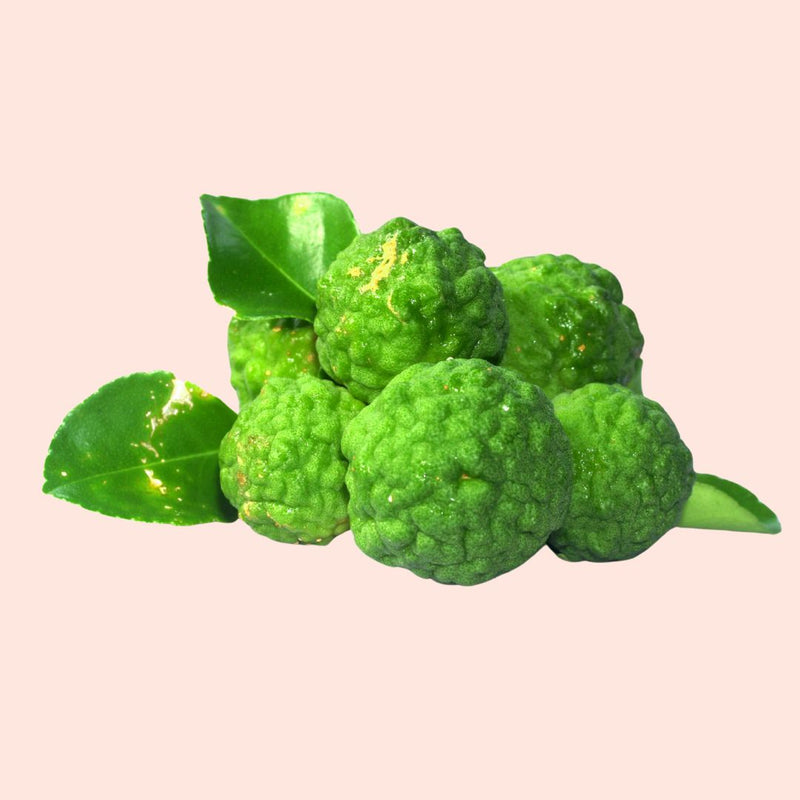
3. Bergamot Essential Oil for Candle Making
Bergamot Essential Oil has a fresh citrus character with subtle floral and green undertones. Compared with Lemon or Sweet Orange, Bergamot often feels softer and more perfume-like, which can make it useful for sophisticated home-fragrance candles.

Bergamot Essential Oil pairs particularly well with Lavender, Cedarwood and Frankincense. These combinations allow Bergamot to provide brightness while deeper oils add more body to the fragrance. Citrus materials can sometimes lose some of their initial brightness under heat, so test the fragrance after the candle has cured and again during burning rather than relying only on the cold wax aroma.
4. Eucalyptus Essential Oil for Candles
Eucalyptus Essential Oil gives candles a fresh, herbal and characteristically camphoraceous scent. Its aroma is strong and immediately recognizable, making it a useful choice for clean, green or spa-inspired candle concepts. Eucalyptus Essential Oil pairs well with Peppermint for an intensely fresh profile, Lemon for a citrus-herbal blend or Cedarwood for a fresher woodland direction.

Because Eucalyptus is a powerful aromatic material, it can easily dominate softer oils. Start by testing balanced combinations rather than assuming more essential oil will create a better candle. Its distinctive character makes it one of the more noticeable essential oils for scented candles, but final hot throw still depends on the overall formulation.
5. Lemon Essential Oil for Candle Making
Lemon Essential Oil brings a bright, crisp citrus scent to candles and can make a blend feel clean and energetic. It works especially well in fresh kitchen-style, citrus or herbal candle concepts. Lemon pairs naturally with Rosemary, Eucalyptus, Peppermint and Cedarwood.

One challenge with citrus essential oils is that their lighter aromatic components can behave differently under heat. A blend that smells very bright when first mixed may become softer or change character after curing and burning. For this reason, Lemon is particularly useful in blended candles where herbal or woody oils can support the lighter citrus top notes.
6. Sweet Orange Essential Oil for Candles
Sweet Orange Essential Oil has a warmer and sweeter citrus aroma than Lemon or Grapefruit. It is a versatile candle ingredient because it can work with floral, spicy, woody and resinous oils. Sweet Orange + Cedarwood creates a warm citrus-wood blend, while Sweet Orange + Frankincense gives a richer and more rounded fragrance.

Its familiar aroma also makes it useful for seasonal or welcoming home-fragrance candles. Like other citrus oils, however, Sweet Orange should be evaluated after curing and during an actual burn test. Bottle strength alone does not tell you how strongly the aroma will project from the finished candle.
7. Ylang Ylang Essential Oil for Candles
Ylang Ylang Essential Oil has a rich, sweet and intensely floral aroma. It works best in candles where a noticeable floral character is desired and can be combined with citrus or woody oils to prevent the fragrance from becoming too heavy.

Bergamot and Sweet Orange can brighten Ylang Ylang, while Cedarwood can give the blend a deeper base. Because Ylang Ylang Essential Oil has a strong scent profile, smaller proportions may be enough to influence the overall candle fragrance. Testing is especially important when combining it with other expressive floral or aromatic oils.
8. Grapefruit Essential Oil for Candle Making
Grapefruit Essential Oil provides a fresh citrus aroma with a slightly sharper and more bitter character than Sweet Orange. It is useful for candles designed around bright, modern or clean fragrance themes and blends particularly well with Bergamot, Rosemary and Cedarwood.
Grapefruit can lighten heavier woody or herbal blends, but its fresh top-note character may soften as the candle is heated. Combining it with more persistent aromatic notes can produce a more balanced finished scent. For makers who want something different from the more common Lemon or Orange candle profile, Grapefruit is a useful citrus alternative.
9. Peppermint Essential Oil for Candles
Peppermint Essential Oil is one of the strongest-smelling essential oils commonly considered for candle making. Its sharp, cool and minty aroma can remain noticeable even when used alongside other fresh oils. Peppermint Essential Oil works well in seasonal candles, fresh home-fragrance concepts and mint-herbal blends.

Peppermint pairs naturally with Eucalyptus, Lemon and Lavender. Because it can easily overpower softer ingredients, a strong bottle aroma should not be interpreted as permission to use excessive amounts. Candle scent strength and safe use still need to be evaluated within the actual wax and wick system.
10. Lemongrass Essential Oil for Candles
Lemongrass Essential Oil has a powerful citrus-herbal fragrance that is brighter and greener than traditional Lemon Essential Oil. Its strength can make it useful when makers want an essential-oil candle with a clear aromatic identity.

Lemongrass Essential Oil blends well with Eucalyptus, Lavender, Cedarwood and other fresh herbal oils. It can work particularly well in clean, botanical or outdoor-inspired candle concepts. Because Lemongrass has a distinctive aroma, balance it carefully with softer oils and test how the fragrance develops after curing and during burning.
11. Frankincense Essential Oil for Candles
Frankincense Essential Oil offers a resinous, woody and slightly balsamic aroma. It is particularly useful as a deeper supporting note in candle blends rather than as a bright top note. Frankincense pairs well with Bergamot, Sweet Orange, Cedarwood and Lavender.

A citrus oil can make the blend brighter, while Cedarwood strengthens the woody character. Frankincense is a good option when you want an essential-oil candle that feels deeper and less floral or citrus-dominant. As with every oil on this list, its actual performance should be assessed in the chosen wax through small-batch testing.
Essential Oil Scent Strength: Cold Throw vs Hot Throw
Explain in one section:
- some oils such as Peppermint, Eucalyptus and Lemongrass have strong bottle aromas
- strong bottle aroma does not guarantee strong candle performance
- cold throw = scent when unlit
- hot throw = scent while burning
- wax, wick, curing and heat can change fragrance strength
That removes repetition while keeping the useful candle-making expertise.
Essential Oils in Soy Wax vs Beeswax
Different waxes can influence how essential oils smell and perform.
Soy Candles With Essential Oils
Soy wax is commonly used in container candles and can be used when making soy candles with essential oils, provided the wax, aromatic material and wick system are properly tested. Different soy waxes can have different fragrance-load recommendations and pouring characteristics, so always follow the specifications for the particular wax you are using.
Beeswax Candles With Essential Oils
Beeswax naturally has its own characteristic mild honey/wax aroma. That existing scent can interact with added essential oils. Woody, herbal or citrus oils may produce a different fragrance impression in beeswax than in a more neutral wax. When making beeswax candles with essential oils, test small batches to determine whether the added aroma remains noticeable and complements the natural beeswax scent.
How Much Essential Oil Should You Use in Candles?
There is no universal essential-oil percentage suitable for every candle.
The appropriate amount depends on factors such as:
- wax type and manufacturer guidance
- individual essential oil
- candle vessel and diameter
- wick system
- desired scent strength
- product-specific usage or safety guidance
Do not assume that a fragrance-load recommendation for one wax automatically applies to every essential oil or candle design.
Likewise, an oil's flash point alone does not tell you whether it will perform well or safely in a finished candle. Candle suitability should be evaluated through the full formulation and burn-testing process.
How to Test Essential Oils in Candle Making
Small-batch testing is one of the most important parts of making reliable essential-oil candles. Start with a small, accurately measured test batch and record the wax, aromatic material, quantities and processing temperatures. After pouring, allow the candle to cool and cure according to the wax manufacturer's recommendations.
Then evaluate:
Cold throw: How does the unlit candle smell?
Initial burn: Does the wick burn steadily and form an appropriate melt pool?
Hot throw: How noticeable is the aroma while the candle is burning?
Flame behaviour: Is the flame stable, excessively large or producing unusual soot?
Scent character: Does the fragrance smell similar to the intended blend, or has heat changed it significantly?
When adjusting the formulation, change one major variable at a time. This makes it easier to understand whether the wax, wick, essential-oil amount or blend composition affected the result.
Frequently Asked Questions
Q1. What are the best essential oils for candle making?
Ans: Popular choices include Lavender, Cedarwood, Bergamot, Eucalyptus, Lemon, Sweet Orange, Ylang Ylang, Grapefruit, Peppermint, Lemongrass and Frankincense. The best option depends on the wax, candle style and fragrance profile you want.
Q2. Can essential oils be used in candles?
Ans: Yes, suitable essential oils can be incorporated into properly formulated candles. Their scent performance varies, so testing the wax, wick and aromatic load is important.
Q3. Which essential oils have a strong scent in candles?
Ans: Peppermint, Eucalyptus, Lemongrass and some woody or herbal oils have distinctive aromas, but bottle strength does not guarantee strong hot throw in a finished candle.
Q4. Can I use essential oils in soy candles?
Ans: Yes, essential oils can be explored in soy-wax candles when they are suitable for the intended application and the finished candle is properly formulated and tested.
Q5. Can beeswax candles contain essential oils?
Ans: Yes, but beeswax has its own natural aroma, which can affect how the added essential oil smells. Small-batch testing is recommended.
Q6. Why does my essential-oil candle smell weak?
Ans: Weak scent can result from the essential oil itself, wax compatibility, aromatic loading, wick performance, curing, temperature or the volatility of the aromatic components.
Q7. Are essential oils or fragrance oils better for candles?
Ans: Neither is universally better. Essential oils offer botanical scent profiles, while suitable candle fragrance oils usually provide a wider fragrance range and may offer more predictable candle performance.
Conclusion
Choosing the best essential oils for candles requires more than selecting an aroma you enjoy. Lavender, Cedarwood, Bergamot, Eucalyptus, Lemon, Sweet Orange and other essential oils can all create distinctive candle scents, but their performance depends on the full candle formulation.
When using essential oils for candle making, pay attention to wax compatibility, cold and hot throw, wick performance and how the fragrance changes during burning. Soy wax, beeswax and other candle systems can all produce different results. The most reliable approach is to begin with small test batches, keep accurate formulation notes and evaluate the finished candle before increasing production.
Disclaimer
This article is for general educational purposes and is not a complete candle formulation or safety assessment. Essential oils, waxes, wicks and candle systems vary in composition and performance. Always follow wax and essential-oil supplier guidance, use accurate measurements and conduct appropriate burn testing before producing candles for personal or commercial use.