
Coconut Oil has become highly acclaimed due to its versatility and effectiveness with regard to hair care, particularly low porosity hair. It is derived from mature coconuts and is high in medium-chain fatty acids, antioxidants, and vitamins, all of which provide nourishment to the hair shaft and scalp. The cuticle layer is loosely bonded, hence low porosity hair is not absorbent of moisture.
Therefore, it is important to choose oils that can percolate into hair. This is because coconut oil is among the few oils that are able to penetrate deep in the hair shaft because of its low molecular weight and the presence of lauric acid. It lowers the loss of proteins, keeps moisture in, prevents breakage, and softens the hair properly. Consistent application also shields hair against the effects of the environment, reinforces the strands, and gives it a silky, shiny, and healthy appearance. When applied appropriately, coconut oil will become a miracle in controlling low porosity hair without making it greasy.
What Is Low Porosity Hair?
The hair with low porosity is where cuticles are tightly bound and lie flat, thereby unable to absorb moisture. This is a type of hair that would not retain water and oils, and it becomes difficult to keep it moist. It can look glossy yet can be dry and brittle due to the fact that moisture can hardly enter deep into the strands.
Hair with low porosity often requires a long time before drying after washing, and most likely becomes an accumulator of product when excess heavy creams or oils are used. Low porosity hair can be managed using regular conditioning, heat application, and lightweight oils such as coconut oil, as they help to absorb better and keep the hair healthy in the long run. Caring will make the hair soft, flexible, and less liable to breakage.
How to Test Hair Porosity?
Hair porosity tests aid in the identification of the absorption and retention capacity of hair with respect to moisture. Here’s a step-by-step method:
- Clean Your Hair: Wash your hair using a light shampoo to clear all the product accumulations. Do not put conditioner there to have a correct test.
- Dry Naturally: Have your hair air dry. The results may be distorted by wet hair.
- Select a Strand: Select one strand of hair that is clean and is not in a coil in your head. Make sure it is not oily or slicked with styling products.
- Fill a Glass of Water: The test should be conducted using clear water at room temperature.
- Insert Hair in Water: Hold the strand of hair by dropping it into the water. Follow its course for 2-4 minutes.
Interpret Results:
- Floats on top: Hair is of low porosity; it is not very absorbent of water.
- Slow sinker: Hair is medium porous; it is able to absorb and retain moisture easily.
- Sinks instantly: The hair is highly porous, water is easily absorbed, and it can be lost easily.
- Optional Repeat Test: Use 3-5 strands to retest the results in order to have a more reliable porosity evaluation.
Benefits of Coconut Oil for Low Porosity Hair
There are several benefits of coconut oil for low porosity hair. Its small molecular scaffolding enables it to penetrate through the tightly bound cuticles, making it hydrating, reducing protein loss, and improving the hair in general.
1. Moisturised Hair
Coconut oil is also able to seep deep into the low porosity hair strands as opposed to heavier oils, which tend to remain on the surface. This promotes the absorption of water, retention of moisture, and eliminates dryness. By adding a little carrier oil, such as jojoba or grapeseed oil, to coconut oil, it is possible to have the hydration to penetrate the hair cortex without creating a greasy appearance. Frequent use makes hair supple, pliant, and resistant to drying effects that break hair.
2. Reduces Protein Loss
Hair that has low porosity is also likely to break when it is subjected to heat or other treatments. Lauric acid is found in coconut oil and is an attaching substance to proteins in hair, and prevents the loss of these proteins during the washing or styling process. The mixture of coconut oil can be used to protect hair by applying it diluted prior to shampooing, strengthening, and enhancing elasticity. This, in the long run, decreases split ends and increases the strength of the hair.
3. Shiny Hair
The inherent fatty acids in coconut oil slick down the hair cuticle, and this makes strands reflect light, hence seem shinier. Using it in conjunction with a carrier oil will cover the hair in a uniform manner without making it heavy, rendering low porosity hair to have a soft and scalpable consistency. The outcome is shiny, well-groomed, and attractive hair.
4. Reduce Environmental Stress
Dense hair can be damaged by sun exposure, pollution, and heat styling. Coconut oil coats hair shafts, which can prevent UV rays and other pollutants in the environment. The dilution guarantees maximum coverage and absorption without accumulation, making the hair healthy in the long run.
Uses of Coconut Oil on Low Porosity Hair
There are other ways through which coconut oil can be used to its full potential on low porosity hair.
1. Pre-Shampoo Treatment
This treatment enriches the hair and does not make it lose its moisture when washed. Add 1 2 teaspoons of coconut oil with a light carrier oil and rub thoroughly on the hair strands and scalp. Allow the rest of 30-60 minutes and spray with some mild shampoo. This gets to the hair shaft, minimizes loss of proteins, and makes the hair moist during the cleansing process.
2. Hot Oil Treatment
Hot oil treatment has a greater chance of being absorbed in low porosity hair. Melt 23 tablespoons of coconut oil to a slight extent and combine with a carrier oil. Not only rub into the scalp and hair, but put a shower cap over the top, and leave for 20-30 minutes. Heat makes the hair cuticles open a little bit to aid the penetration of coconut oil into the skin. Shower with a mild shampoo and have soft and nourished hair.
3. Leave-in Conditioner
Lightweight oils, such as coconut oil diluted, can be applied in the form of a leave-in to low porosity hair. Combine 1 teaspoon of coconut oil and 2 teaspoons of carrier oil and rub on damp hair. Wipe the ends only, and not the scalp, or it may be greasy. It assists in securing moisture, frizzing resistance, and keeping hair manageable throughout the day.
4. Scalp Massage For Hair Growth.
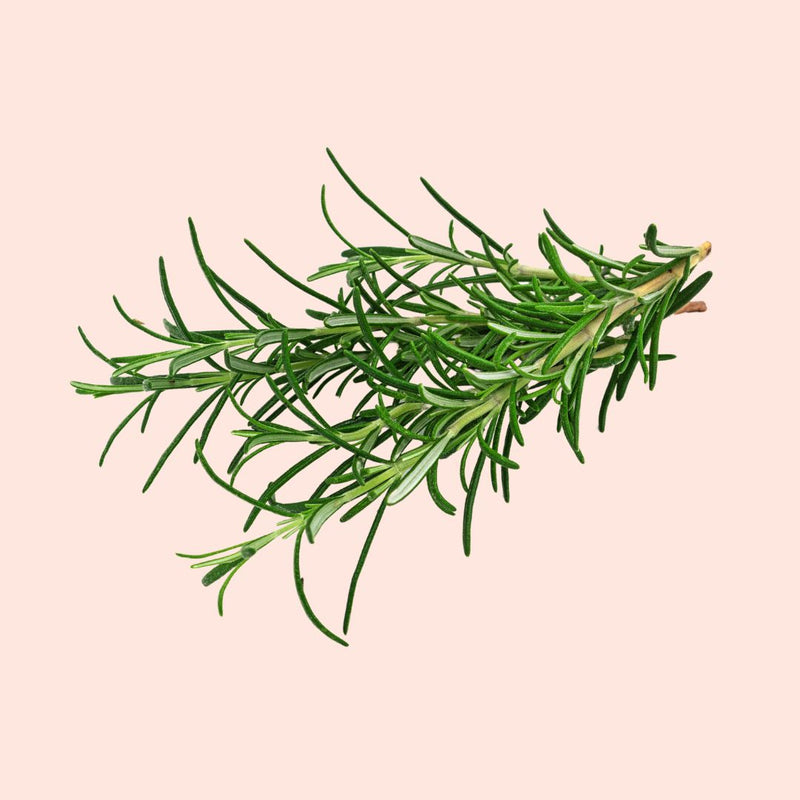
Coconut oil also has the potential to promote scalp and hair growth. Combine coconut oil with several drops of rosemary or peppermint essential oil and rub into the scalp, massaging the mixture into the scalp for 5-10 minutes. The massage promotes blood flow, follicle wellness, and low porosity hair fed up to the tips. Spray on hair and leave or wash in the evening to have a greater absorption.
How To Use Coconut Oil on Low Porosity Hair
Steps:
- Apply a little diluted coconut oil to avoid piling up.
- Target ends and mid-lengths because the low porosity hair will push away moisture around the roots.
- Blend with low heat in case of necessity.
- Overlaying should be avoided; excess oil will not add value, but will grease the hair.
DIY Coconut Oil Blend for Low Porosity Hair
The low porosity hair can have a single DIY blend of coconut oil that is better at absorption, retaining moisture, and making the hair healthier.
Ingredients:
- 2 Tablespoons of Coconut Oil
- 1 Tablespoon of Jojoba Oil (carrier oil)
- Additional: 3-4 Drops of Rosemary Essential Oil (Optional)
Directions
- Combine coconut oil and carrier oil in a small bowl.
- Add your preferred essential oils if you want to.
- Heat it by heating in case it penetrates.
- Rub on strands of hair and the top of the head, mid-lengths, and ends.
- Shower cover and go away 3060 min.
- Rinse with a light shampoo and make up just as it was.
- To prevent being too greasy, it is always good to mix coconut oil with a carrier oil and apply it.
Safety Guidelines
- Even the natural oils should be used carefully to prevent negative reactions.
- Dilution: Coconut oil is not harmful to the low porosity hair; however, when mixed with a carrier oil, it becomes easier to absorb and avoid accumulation.
- Patch Test: Only a little is needed on the inside wrist or elbow, which should be tested 24 hours before full application to prevent irritation as well as allergies.
- Use sparingly: It is prone to leaving behind residues, resulting in hair being too heavy.
- Medical Conditions: It must be used with the physician's consultation by those with scalp problems such as eczema or psoriasis.
- Children and Pets: Oils should not be stored around children and pets in order to avoid the possibility of accidental ingestion.
Frequently Asked Questions
The following are responses to the frequent issues with regard to using coconut oil as a low porosity hair product, application, and frequency.
Q1: Is Coconut Oil Good for Low Porosity Hair?
Ans: No doubt coconut oil works with low porosity hair since it penetrates tightly knit cuticles, enhances moisture, minimizes protein loss, and feeds the hair strands when it is diluted using a carrier oil.
Q2: How are we supposed to apply oil to Low porosity hair?
Ans: Rub a little diluted coconut oil on the hair strands, especially on the mid-lengths and ends. Penetration is enhanced by the use of heat or massage. Do not apply to the scalp heavily, so as to accumulate.
Q3: Should Coconut oil be applied to wet or dry hair?
Ans: Coconut oil is also applied to the hair that is slightly wet or dry. The hair is slightly damp, which facilitates the penetration of the oil. The oil should always be mixed with a carrier that has low porosity hair.
Conclusion
Coconut oil is a naturally effective remedy that is useful in maintaining and enhancing low porosity hair. When it is diluted with carrier oils and applied to the hair strategically, it penetrates the hair, imparts moisture, strengthens strands, and breaks down. Frequent, appropriate usage makes hair soft, shiny, and manageable as well as resistant to environmental stress factors.
DISCLAIMER
This content is for informational purposes only and is not a substitute for professional medical advice, diagnosis, or treatment. Always consult a healthcare provider before using essential oils for any health condition.