
Essential oils are widely used in modern beauty products for their concentrated botanical aromas and their ability to add character to skincare, hair-care and body-care formulations. From cleansers and facial oils to shampoos, creams and body products, different essential oils suit different cosmetic applications.
Choosing the best essential oils for beauty products involves more than selecting an oil because it smells pleasant or is associated with a particular skin concern. Formulators also need to consider the type of product, whether it is leave-on or rinse-off, the intended user, concentration, compatibility with the base and any product-specific safety guidance. This guide explores 10 useful essential oils for cosmetics and beauty products, where they commonly fit in skincare and hair-care formulations, and important formulation considerations for using essential oils responsibly.
List of Top 10 Essential Oils for Beauty Products
Different Essential Oils contribute different aroma profiles and formulation characteristics. Some are commonly associated with facial cleansers and body products, while others fit more naturally into shampoos, scalp products, facial oils or premium cosmetic formulations. The following ten oils offer a useful range of floral, herbal, woody, fresh and citrus profiles for beauty formulators.
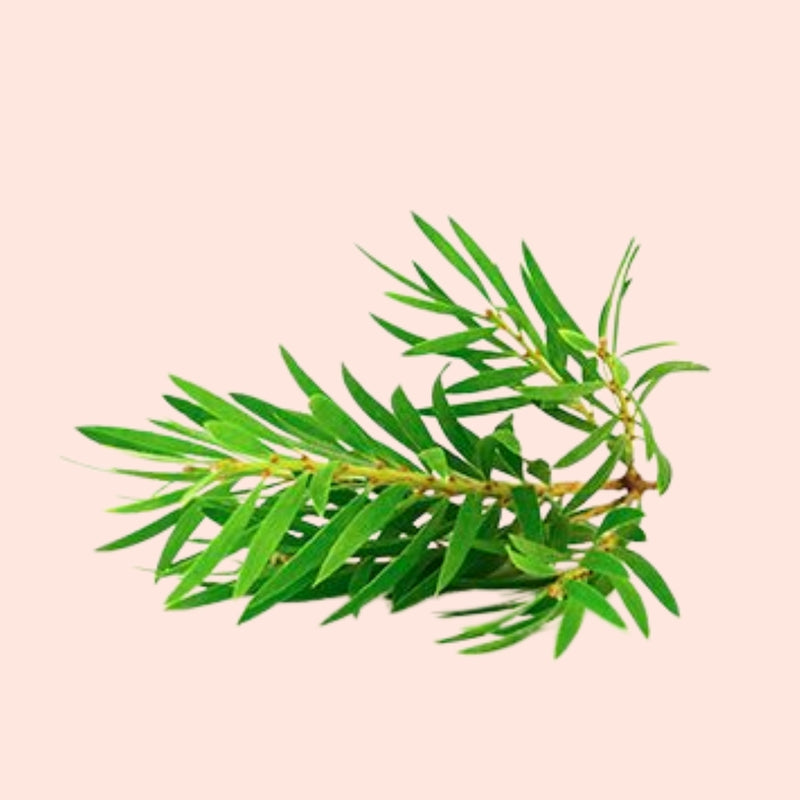
1. Tea Tree Essential Oil
Tea Tree Essential Oil is one of the most recognizable essential oils used in cosmetics, particularly in cleansing, scalp-care and products developed for oily or blemish-prone skin types. Its fresh, medicinal-herbal aroma works naturally in face washes, cleansing products, shampoos and scalp formulations where a clean botanical character is desired.

Tea Tree is a concentrated essential oil, so more is not necessarily better. Leave-on facial products usually require more careful concentration and tolerance considerations than rinse-off cleansers or shampoos. For formulators, the main advantage of Tea Tree is its strong identity and compatibility with fresh, herbal cosmetic concepts rather than the need to make exaggerated treatment claims.
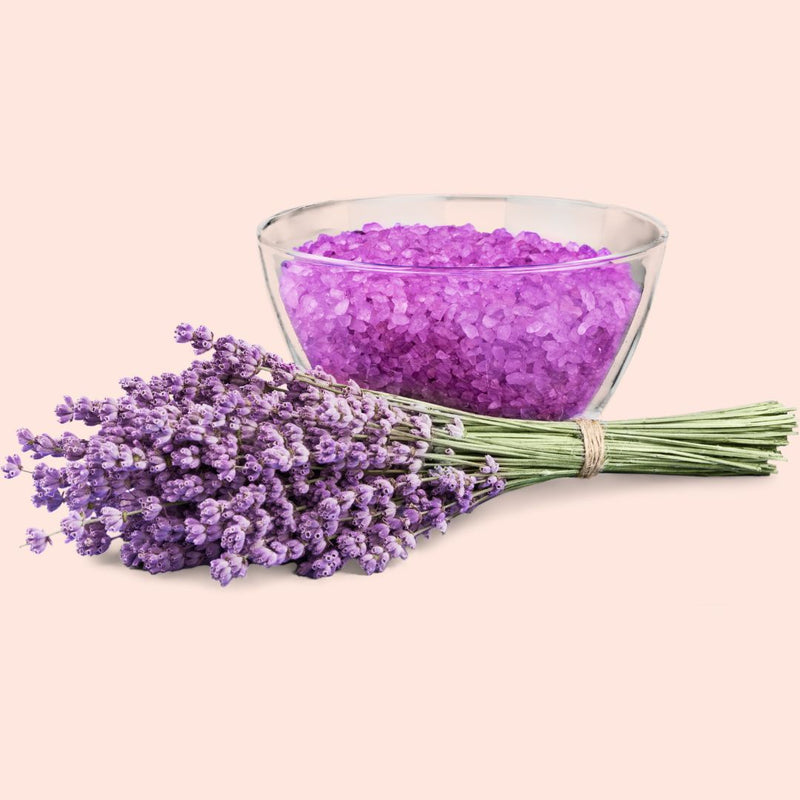
2. Lavender Essential Oil
Lavender Essential Oil is extremely versatile in beauty formulations because its floral-herbal aroma works across skincare, hair care, body care and cleansing products. Lavender Essential Oil can be incorporated into creams, body lotions, facial oils, cleansers, shampoos and bath or body products where a soft botanical fragrance is preferred.

Lavender also blends easily with citrus, woody and floral oils. This makes it useful when a formulation needs a more rounded aroma rather than one dominant essential-oil note. In leave-on products, formulators should still consider concentration, skin sensitivity and the complete formula. Lavender may have a gentle reputation, but natural aromatic materials can still cause irritation in some users if used incorrectly.
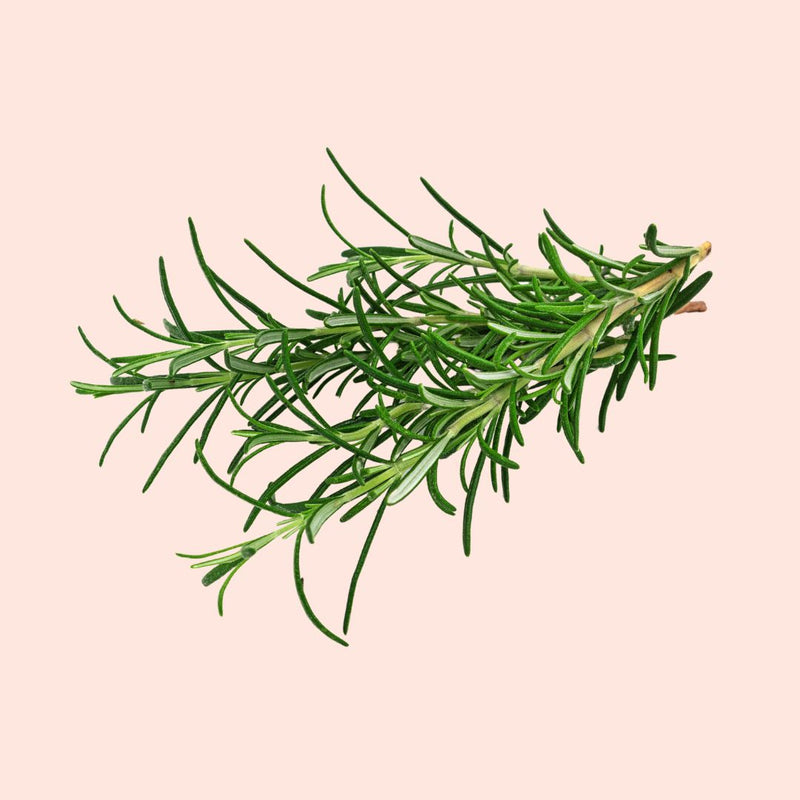
3. Rosemary Essential Oil
Rosemary Essential Oil is particularly popular in hair-care products, including shampoos, scalp oils, hair masks and other formulations designed around herbal scalp-care concepts. Its aroma is fresh, green and strongly herbal, so it works especially well in products intended to feel clean, botanical and invigorating.

Rosemary can also appear in cleansing and body-care products, but its strongest commercial association is generally with hair and scalp formulations. For cosmetic development, it is better to describe Rosemary in terms of its formulation role and established use in hair-care products rather than promising hair growth or other guaranteed outcomes. Finished-product performance depends on the complete formulation, not one ingredient alone.
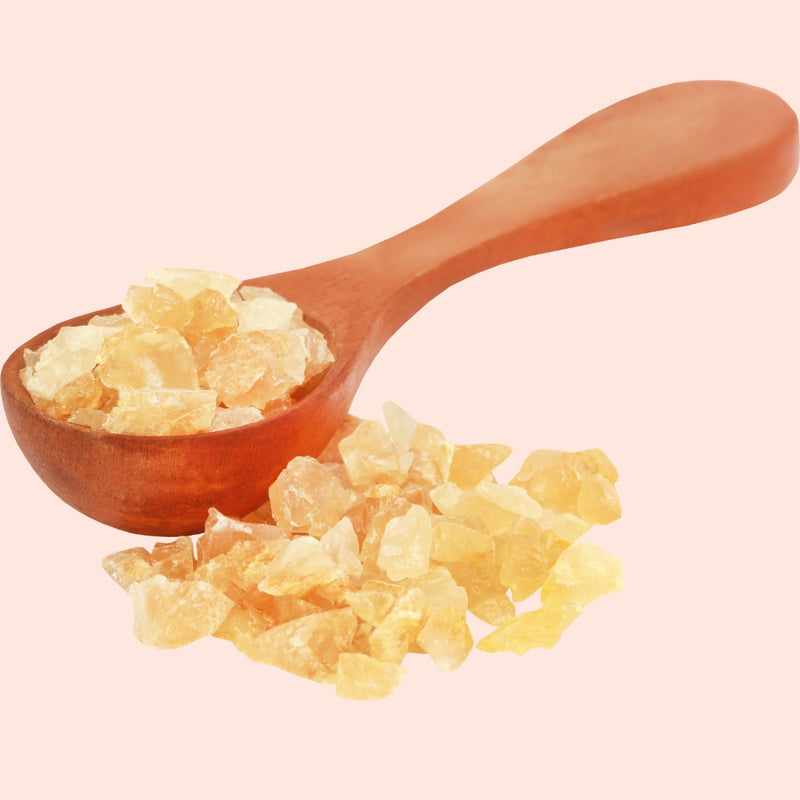
4. Frankincense Essential Oil
Frankincense Essential Oil has a warm, resinous and softly woody aroma that fits naturally into premium skincare and body-care formulations. It can be used in facial oils, creams, serums, balms and body products where a deeper aromatic profile is preferred over fresh herbal or citrus scents.

Frankincense Essential Oil pairs especially well with Rose, Lavender, Geranium and woody oils. This makes it useful for mature-skin-positioned or luxury cosmetic concepts without needing to claim that it directly reverses signs of ageing. From a formulation standpoint, Frankincense is valuable because it contributes both fragrance character and a premium botanical identity.
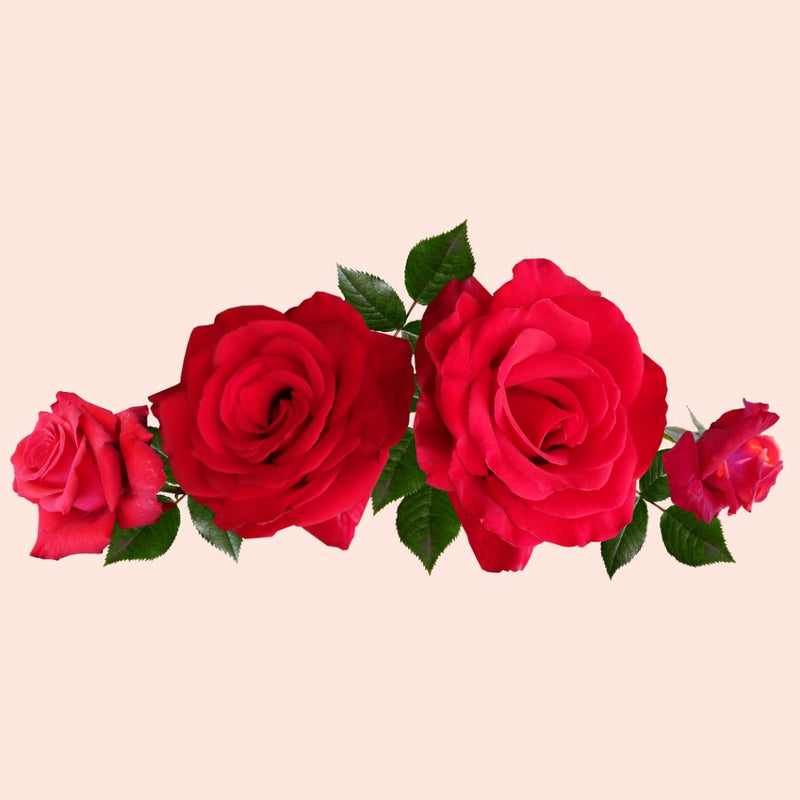
5. Rose Essential Oil
Rose Essential Oil is frequently associated with premium facial care, body oils, creams and luxury beauty products because of its rich floral aroma. Rose Essential Oil's fragrance is stronger and more distinctive than many lighter floral oils, so relatively small amounts can noticeably influence the sensory character of a finished formulation.

Rose works particularly well in facial oils, serums, creams and body-care products where the goal is to create an elegant floral profile. It can also be blended with Sandalwood-style woody notes, Frankincense or Geranium to produce more complex cosmetic fragrances. Because Rose Essential Oil can be costly, formulators should evaluate the sensory impact within the actual finished product rather than selecting it solely because of premium positioning.
6. Geranium Essential Oil
Geranium Essential Oil has a floral, green and slightly rosy aroma that makes it useful in a wide range of skincare products. Compared with Rose, Geranium generally feels greener and less intensely floral, which can make it easier to use in lotions, body products, facial oils and cleansers.

It blends naturally with Lavender, Bergamot, Rose and woody essential oils and can help create balanced floral-herbal fragrance profiles. Geranium works particularly well when formulators want a botanical floral scent without making the finished product feel overly sweet or perfume-like. As with other essential oils, the appropriate concentration depends on the product type and intended application.
7. Peppermint Essential Oil
Peppermint Essential Oil provides an intense cooling, minty aroma and is commonly found in shampoos, scalp products, foot-care formulations, body washes and other refreshing cosmetic concepts. Peppermint Essential Oil's fragrance is much stronger than many floral or woody oils, so even a relatively small amount can dominate the finished scent.

Peppermint can be paired with Rosemary, Eucalyptus or citrus oils in fresh hair-care and body-care formulations. Because of its intensity, it requires particularly careful formulation in products intended for the face or sensitive areas. A strong cooling sensation is not automatically desirable in every cosmetic product. For beauty formulators, Peppermint is most useful where a clearly fresh, mint-led sensory profile is part of the product concept.
8. Cedarwood Essential Oil
Cedarwood Essential Oil has a dry, woody aroma that works well in hair-care, body-care and more neutral or unisex cosmetic formulations. It can add depth to lighter oils such as Bergamot or Lavender and can also support herbal blends built around Rosemary.

In hair-care products, Cedarwood fits naturally into shampoos, scalp oils and botanical hair blends where a woody scent complements the overall positioning. Cedarwood Essential Oil is also useful in body products where sweet floral or citrus aromas are not desired. Rather than using Cedarwood for broad treatment claims, formulators can use its strongest advantage: a stable woody scent direction that helps give cosmetic products a more sophisticated botanical profile.
9. Bergamot Essential Oil
Bergamot Essential Oil gives cosmetic products a fresh citrus aroma with subtle floral and green characteristics. Its fragrance is softer and more perfume-like than Lemon, making it particularly useful in body lotions, cleansers, shampoos, creams and aromatic skincare concepts.

Bergamot blends well with Lavender, Geranium, Cedarwood and Frankincense. One important formulation consideration is phototoxicity. Some expressed bergamot oils can contain naturally occurring compounds that require additional care in leave-on products exposed to sunlight. The extraction method and product-specific safety documentation should therefore be checked before formulation. This is a good example of why essential oils should be selected using technical information, not only aroma preference.
10. Chamomile Essential Oil
Chamomile Essential Oil offers a soft herbal-floral aroma and is often considered for gentle skincare, body-care and sensitive-skin-positioned formulations. Different chamomile varieties, including Roman and German Chamomile, are botanically distinct and can have different aroma and composition profiles.

Formulators should therefore confirm which botanical material they are purchasing rather than assuming all “Chamomile Essential Oil” products are identical. Chamomile can work well in facial oils, creams, balms and body-care products, particularly where a softer aromatic profile is desired. It blends naturally with Lavender, Geranium and selected woody oils and can help create a more delicate alternative to stronger herbal essential oils.
Essential Oils for Skincare Products
Search interest around essential oils for skincare is growing, but skincare use requires more care than simply adding a few drops of oil to a finished product.
Facial oils and oil-based serums may use suitable essential oils within a properly calculated dilution. Creams and lotions require the essential oil to be incorporated into a correctly designed emulsion rather than simply stirred into the product at random.
Cleansers and wash-off products have different exposure conditions because they remain on the skin for a shorter period before rinsing.
For facial and body skincare, commonly considered oils include Lavender, Geranium, Frankincense, Rose, Tea Tree and Chamomile, depending on the product concept.
The best essential oils for skin are therefore not universal. The right choice depends on the formula, intended skin type, application area and required fragrance profile.
Essential Oils Used in Cosmetics
Essential oils can appear in many different cosmetic categories, including:
- facial oils and oil-based serums
- creams and lotions
- cleansers and face washes
- soaps and body washes
- shampoos and scalp products
- body oils and massage products
- balms and salves
- foot-care products
Their role may be primarily aromatic, sensory or part of the broader botanical positioning of the product.
It is important to remember that essential oils are not automatically preservatives. Even if an essential oil shows antimicrobial activity under particular laboratory conditions, a water-containing cosmetic still requires an appropriate preservation strategy where necessary.
Likewise, adding an essential oil does not automatically make a formulation “natural,” safe or effective. The complete cosmetic formula must be considered.
Leave-On vs Rinse-Off Beauty Products
One of the most important formulation differences is whether a product is leave-on or rinse-off.
Leave-on products include facial oils, serums, creams, lotions and some scalp treatments. These remain on the skin or hair for extended periods, so concentration, irritation potential and exposure require careful consideration.
Rinse-off products include shampoos, cleansers, body washes and soaps. They usually have shorter contact time, but this does not mean any concentration is automatically appropriate.
The same essential oil may therefore require different consideration in a facial serum than in a shampoo. This is one reason there is no universal “best percentage” for using essential oils in beauty products.
How to Choose Essential Oils for Skin & Hair Products
Start with the product type, not the essential oil.
For a facial oil or cream, you may prefer softer floral or resinous aromas such as Lavender, Rose, Geranium, Frankincense or Chamomile.
For a shampoo or scalp formulation, herbal and fresh oils such as Rosemary, Tea Tree, Peppermint or Cedarwood may fit the product concept better.
For body products, the range becomes much wider because citrus, floral, woody and herbal scent profiles can all work depending on the target user.
Also consider whether the essential oil will complement the rest of the formulation. A strong Peppermint note may work beautifully in a foot cream but feel unsuitable in a delicate facial serum.
Good formulation begins with the finished product experience rather than selecting an oil because of one isolated “benefit.”
Important Formulation & Safety Considerations
Essential oils are concentrated aromatic ingredients and should be treated as formulation materials rather than casual additives.
Dilution: There is no single essential-oil percentage suitable for every cosmetic. Follow the individual supplier's technical and safety information and formulate according to the intended application.
Skin sensitivity: Natural materials can still cause irritation or sensitization. Sensitive-skin products generally require particularly conservative ingredient selection.
Phototoxicity: Certain expressed citrus oils can require restrictions in leave-on products that receive UV exposure. Always confirm the extraction method and product-specific guidance.
Oxidation: Essential oils can oxidize after prolonged exposure to heat, air and light. Oxidation may change both aroma and skin tolerance, so suitable packaging and storage matter.
Water compatibility: Essential oils are oil-soluble aromatic materials and do not simply dissolve in water. Toners, mists and other water-based products require suitable formulation approaches rather than adding essential-oil drops directly to water.
Preservation: Essential oils should not be relied upon as the sole preservation system for water-containing cosmetics.
Documentation: For commercial cosmetic development, check relevant supplier documentation, botanical identity, extraction method, allergen information and any applicable usage restrictions.
These details are more important than assuming that a product is automatically safe because an ingredient is plant-derived.
Frequently Asked Questions
Q1. Which essential oils are best for beauty products?
Ans: Tea Tree, Lavender, Rosemary, Frankincense, Rose, Geranium, Peppermint, Cedarwood, Bergamot and Chamomile are all commonly considered for different beauty-product concepts. The best option depends on whether the product is for facial care, body care, hair care or another cosmetic application.
Q2. Which essential oils are used in cosmetics?
Ans: Essential oils may be used in creams, lotions, facial oils, cleansers, shampoos, body washes, soaps, balms and other cosmetics. Lavender, Tea Tree, Rosemary, Geranium and citrus oils are among the commonly encountered examples.
Q3. What are the best essential oils for skincare?
Ans: Lavender, Geranium, Frankincense, Rose, Chamomile and Tea Tree may fit different skincare formulations depending on the product type and intended positioning. No single essential oil is best for every skin type or formula.
Q4. Can essential oils be added directly to creams?
Ans: They should not simply be added to an existing cream without formulation consideration. The concentration, compatibility, emulsion stability and product safety should all be evaluated.
Q5. Which essential oils are commonly used in hair-care products?
Ans: Rosemary, Tea Tree, Peppermint, Cedarwood and Lavender are commonly associated with shampoos, scalp products and botanical hair-care formulations.
Q6. Are essential oils safe in leave-on skincare?
Ans: They can be used in properly formulated leave-on cosmetics when suitable for the application and used at an appropriate concentration. Product-specific safety guidance, skin tolerance and any relevant restrictions should be considered.
Q7. What is the difference between an essential oil and a carrier oil?
Ans: Essential oils are highly concentrated aromatic materials obtained from botanical sources. Carrier oils such as Jojoba, Sweet Almond or Grapeseed Oil are fixed oils commonly used as bases in skincare and hair-care formulations. They serve different formulation roles and should not be treated as interchangeable ingredients.
Conclusion
The best essential oils for beauty products are those selected according to the finished cosmetic rather than simply their popularity. Tea Tree and Rosemary fit naturally into cleansing and hair-care concepts, Lavender and Geranium are highly versatile, Rose and Frankincense suit premium skincare, while Peppermint, Cedarwood and Bergamot create distinctive sensory profiles for specific product types.
For formulators working with essential oils for cosmetics and skincare, concentration, product type, leave-on versus rinse-off exposure, oxidation, phototoxicity and formulation compatibility are just as important as the aroma itself. Used thoughtfully and with appropriate technical guidance, essential oils can add botanical character, fragrance and product identity to skincare, hair-care and body-care formulations.
Disclaimer
This article is for general educational and cosmetic-formulation information only. It is not a finished cosmetic formula or safety assessment. Essential oils vary by botanical species, extraction method and composition. Always review product-specific supplier guidance and conduct appropriate formulation, stability and safety testing before commercial use.