
Feet of athletes are likely to get infected, and it usually occurs on the skin of the feet, especially between the toes. It normally causes itchiness, burning, redness, peeling, and irritation, and thus makes day-to-day activities unpleasant. In spite of the widespread presence of OTC medications, natural remedies are not as aggressive, yet they are equally effective in assisting a number of people attain more natural recovery.
Essential oils have strong anti-fungal, antibacterial, and anti-inflammatory properties, which can be applied to treat the fungus causing athlete's foot and even to soothe sore, impacted skin. They can relieve itching, prevent infection, or aid skin healing when properly used. They are a natural product, which means that they can be effectively added to the foot care regime to help prevent and alleviate the problem in the long term.
List of Top 10 Essential Oils to Treat Athlete's Foot
Not all essential oils are equally effective in dealing with fungi. A good proportion of the oils is characterised by the high degree of antifungal action, calming action, and the ability to rejuvenate the skin. Below are the essential oils usually used to help alleviate the problem of athlete's foot.
1. Tea Tree Essential Oil
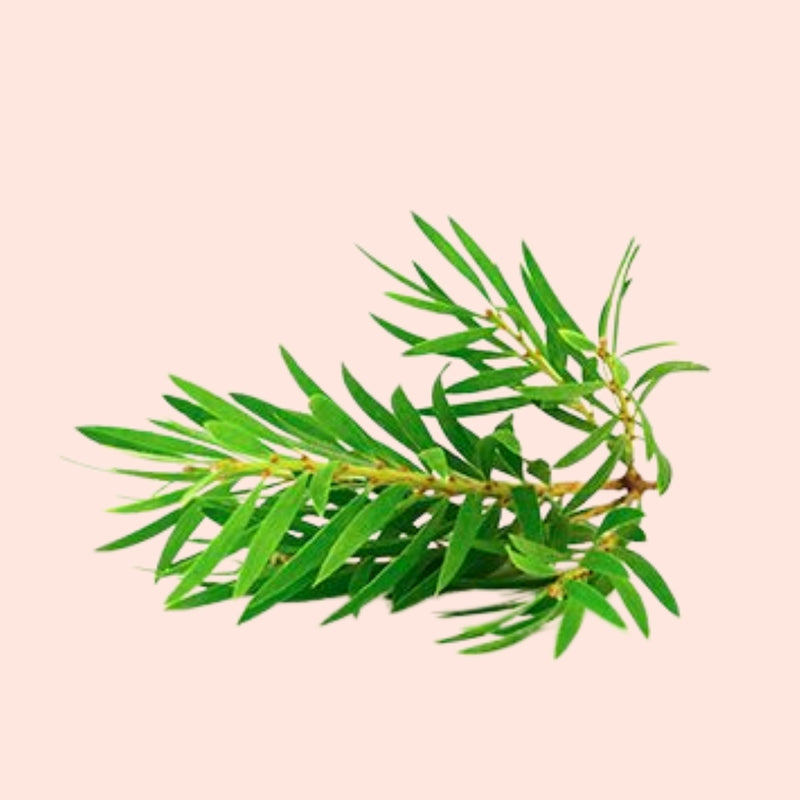
Tea tree essential oil is one of the best natural remedies for athlete's foot. It possesses a good antifungal and antibacterial effect, which helps the fungus causing the infection as a fellow mold is destroyed. It may also be used to minimize itching, redness, and inflammation, and as a method to prevent the spread of infection due to tea tree oil.

It appears in many creams, sprays, and foot spas containing the fungal foot, and in other cases, when it is diluted, it assists in crack healing and peeling off skin to heal much quicker.
2. Oregano Essential Oil
Oregano essential oil has been attributed to have great antifungal and antimicrobial qualities, particularly carvacrol and thymol. These components help in fighting fungal diseases that are difficult to cure and prevent. Oregano is very useful, especially in the case of acute and chronic athlete's foot.

Dilutions are also employed to help in healing the skin, decrease itching, burning, and scaling. It is extremely potent, and so it should be carefully used, with a carrier oil that will not irritate the skin.
3. Eucalyptus Essential Oil
Eucalyptus essential oil is antifungal, antibacterial, and cooling; thus, it can help in alleviating the throbbing of the athlete's foot. It soothes irritation and itch and aids in the elimination of fungus. Eucalyptus essential oil is also known to enhance circulation, which helps in healing and repairing the skin.

It is also commonly applied in foot sprays and soaks, and it leaves feet fresh and clean, and maintains moisture, which is a crucial factor in preventing foot fungus.
4. Peppermint Essential Oil
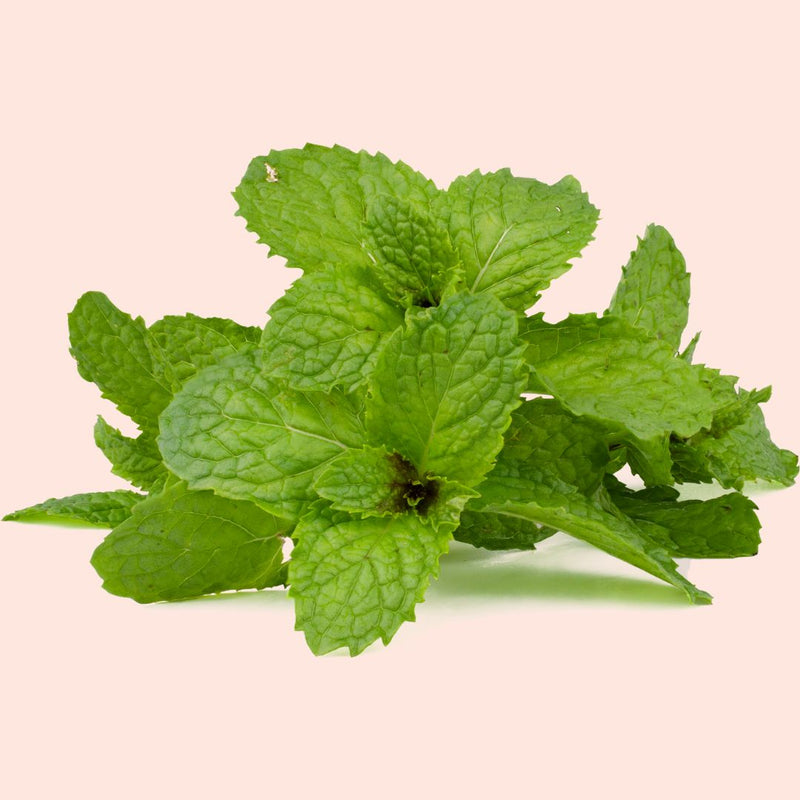
The essential oils also come in the form of peppermint, a cooling and calming oil, which can be applied to reduce the itch-burning and discomfort of athlete’s foot. It has antifungal and antibacterial properties and prevents fungi, keeping the feet fresh.

Peppermint essential oil is likewise involved in reducing the odor of feet caused by an infection. It is a nice addition to the foot creams, sprays, and soaks as it is used frequently in diluted form and acts as a quick fixative.
5. Clove Essential Oil
Eugenol is also an antifungal, antibacterial, and pain-relieving substance that is highly abundant in clove essential oil. It can be applied in the treatment of fungi, pain relief, and swelling.

Clove essential oil particularly comes in handy in case of broken or sore skin resulting in athlete's feet. It is strong, and as such, should be diluted as well. It is used appropriately to promote quicker recovery and secondary infection prevention.
6. Lavender Essential Oil
The anti-fungal, anti-inflammatory, and wound-healing properties of lavender essential oil have been valued. It helps calm the irritated skin, redness, and relieves the itch of athlete's foot. Lavender essential oil is also effective in the successful repair of tissues; hence, it can be applied to cracked or fissured skin.

It can be used as a dilution for the delicate skin. It is also referred to as calming, and hence its aroma will have a calming effect on the foot care practices.
7. Orange Essential Oil
Orange essential oil is also an antifungal as well as antibacterial, which is natural and helps to fight off athlete's foot, as well as makes the skin fresh. It helps in cleansing the skin, and it also helps to counter the foul odors associated with fungus.

An orange essential oil is also a weak anti-inflammatory, which soothes irritation. Also dipped in the topical when diluted in the foot, it makes the skin stay healthy, giving the skin a refreshing, uplifting experience.
8. Rosemary Essential Oil
The antifungal, antibacterial, and circulation-stimulating properties of rosemary essential oil also help in the treatment of athlete's foot. It also helps in alleviating fungal growth as well as improving faster skin healing.

Rosemary essential oil also relieves excess moisture, which is required for the inhibition of fungi. Those common foot oils and creams also contain it in common and are known to enhance the skin barrier and soothe the affected region in case of frequent usage.
9. Geranium Essential Oil
Geranium essential oil plays a crucial role and is needed to achieve a balance in skin moisture, and offers an antifungal and anti-inflammatory effect. It calms down red skin and helps to heal bruised sections of the skin due to athlete's foot. Good Geranium essential oil can also be used to increase your circulation and help skin regenerate.

The fact that it was a dilution that should be applied consistently and regularly would assist in restoring the health of the skin, and prevent further growth of fungi, thus it would also be a supportive oil for long-term foot care.
10. Lemon Essential Oil
Lemon essential oil has natural antifungal, antibacterial properties, and cleansers which assist in the management of athlete's foot. It helps prevent fungus, removes smell, and cleanses the skin. The essential oil of lemon is also useful for skin cleansing.

It is sensitive to light and thus is to be used sparingly and diluted as such. It is also beneficial in keeping feet healthy and clean when used as foot soaks or at night.
Essential Oil Recipe for Athlete’s Foot
A natural-based remedy is to use an easy essential oil mix in order to treat athlete’s foot through addressing the growth of fungi and calming down angry skin. This is a topical recipe, which could be applied daily with the correct dilution.
Ingredients
- Carrier oil (e.g., coconut oil)
- Tea Tree Essential Oil
- Lavender Essential Oil
- Peppermint Essential Oil
- Glass container (for mixing and storage)
Directions
- Add carrier oil to the glass container.
- Add the essential oils and gently combine by stirring or shaking.
- Wash feet completely and dry before applying.
- Place a little of the mixture around affected areas once or twice a day.
- Give the oil time to dry, then wear socks or shoes.
Frequently Asked Questions
When properly used, essential oils have the potential to play a very important role in foot care. Nevertheless, it is important to learn how to dilute it correctly, how to apply it, and how to protect oneself to prevent irritation and maximize the outcome of treatment in the case of athlete's foot.
Q1: How do you dilute essential oils for safe use?
Ans: Essential oils must be diluted with a carrier oil, and this should be applied to the skin. In cases of foot application, the normal dilution ratio is approximately one to two percent, or six to a dozen drops of essential oil to one ounce of carrier oil. Misuse of this compound can be avoided by appropriate dilution, which still presents effectiveness.
Q2: Can you make a foot soak with essential oils?
Ans: Yes, essential oils can be effectively used in the treatment of athlete's foot as a foot soak. To heat water, add liquid drops of essential oil and a dispersing agent, like carrier oil or milk. Wet feet will alleviate itch, remove dirt, and make the skin pre-treatment more flexible, which will lead to better healing.
Q3: How to dilute essential oils safely for foot application?
Ans: To do this safely, combine essential oils with a carrier oil such as coconut or jojoba oil to dilute them down safely enough to use on the feet. All patch tests should be done prior to complete application. To prevent irritation or burning, the direct application of undiluted oils should not be done on the skin, particularly on cracked or sensitive parts of the body.
Conclusion
Essential oils provide a natural and effective way to treat athlete's foot, as they will help address the fungus and eliminate or calm the irritated skin. They can be used alongside proper foot hygiene and contribute to restoring the comfort, skin quality, and self-confidence, as well as minimizing the chances of re-infection when used safely and on a regular basis.
DISCLAIMER
This content is for informational purposes only and is not a substitute for professional medical advice, diagnosis, or treatment. Always consult a healthcare provider before using essential oils for any health condition.