
A pleasant home fragrance can change the character of a room almost immediately. Some people prefer bright citrus scents, while others enjoy soft florals, fresh herbal aromas or deeper woody notes. Essential oils make it possible to create these different scent styles without relying on one fixed fragrance throughout the house.
Choosing the best essential oils for home fragrance depends on the room, time of day and type of atmosphere you want to create. Sweet Orange and Lemon work well when you want brightness, Lavender and Rose give a softer floral character, while Sandalwood, Cedarwood and Cinnamon can make a space feel warmer and deeper. In this guide, we explore 10 useful essential oils for home fragrance, essential oils for room freshener ideas, suitable scents for different rooms, simple home-scent combinations and practical ways to use essential oils safely around the home.
List of Top 10 Essential Oils for Home Fragrance
The best-smelling essential oil for one room may not be the best choice for another. A bright citrus aroma that works beautifully near an entrance may feel too sharp for a bedroom, while a heavy woody scent may suit an evening living room better than a small bathroom. The following Essential Oils cover a useful mix of floral, citrus, fresh, herbal, woody and warm scent profiles.
1. Lavender Essential Oil for Home Fragrance
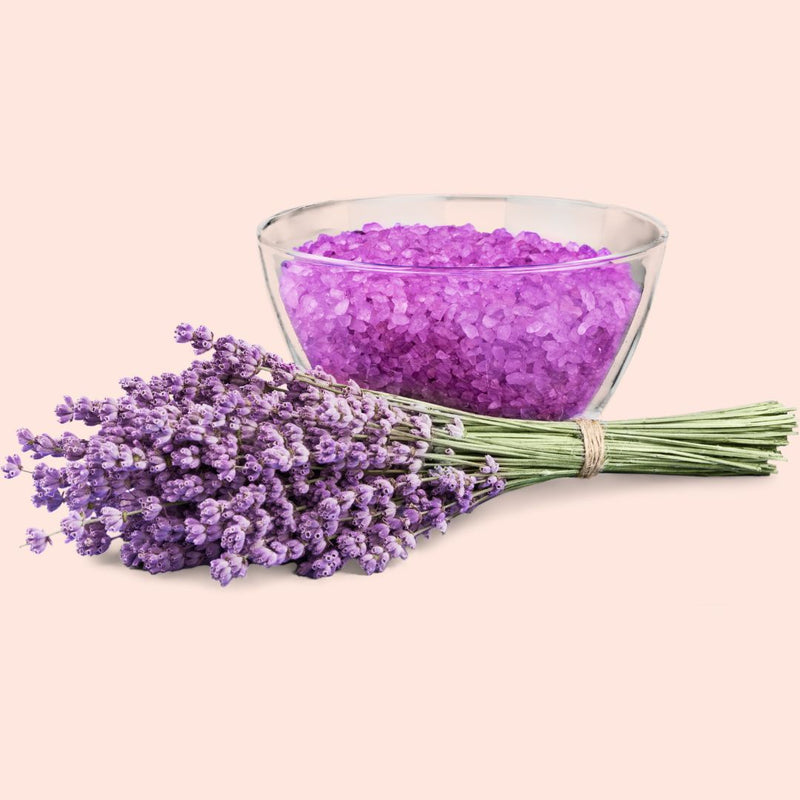
Lavender Essential Oil has a soft floral aroma with clean herbal undertones. It is one of the most versatile choices for home fragrance because it can work in bedrooms, living rooms and quieter evening spaces without becoming overly sweet.

Lavender blends especially well with Cedarwood and Sandalwood when you want a deeper floral-wood scent. Sweet Orange can make it brighter, while Eucalyptus gives the blend a fresher character. For home scenting, Lavender is particularly useful when you want a softer fragrance that does not dominate the room.
Best suited for: Bedrooms, reading areas and evening living spaces
Pairs well with: Sweet Orange, Cedarwood, Sandalwood and Eucalyptus
2. Sweet Orange Essential Oil for Home Fragrance
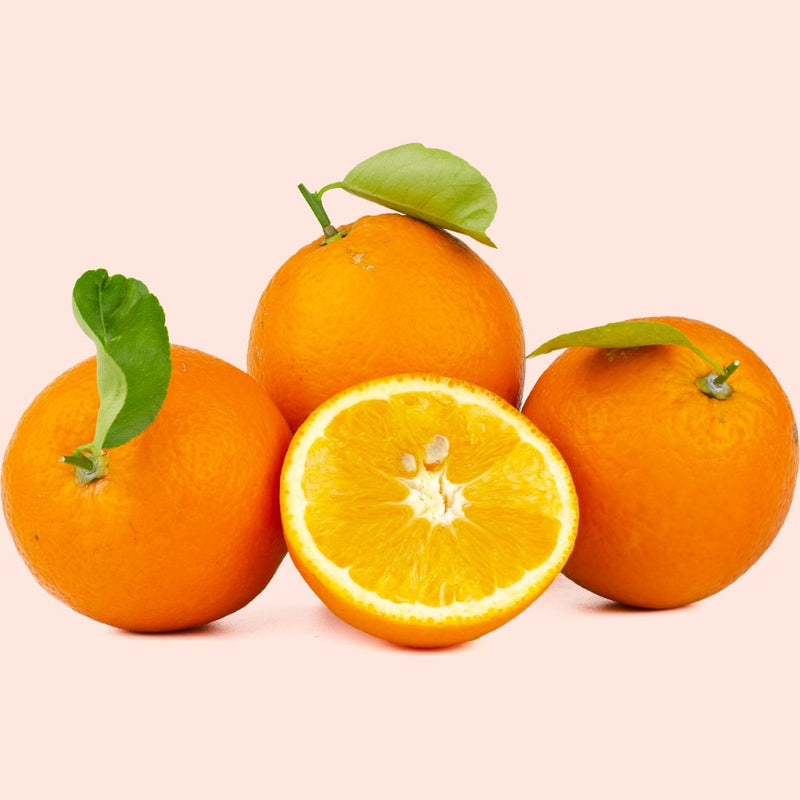
Sweet Orange Essential Oil provides a bright, juicy citrus fragrance with more warmth and sweetness than Lemon. Sweet Orange Essential Oil is particularly useful near entrances, living rooms and kitchens because its aroma feels welcoming without being too sharp.

Sweet Orange also helps balance heavier essential oils such as Sandalwood, Cinnamon or Cedarwood. For a simple everyday home fragrance essential oil combination, Sweet Orange and Cedarwood work particularly well together because the citrus keeps the blend bright while the wood adds depth.
Best suited for: Entrances, living rooms and daytime spaces
Pairs well with: Cedarwood, Cinnamon, Lavender and Sandalwood
3. Lemon Essential Oil for Home Fragrance
Lemon Essential Oil has a crisp, fresh citrus aroma that works well when you want a room to feel light and clean. Compared with Sweet Orange, Lemon is sharper and less sweet. This makes it especially useful in kitchens, bathrooms, workspaces and entryways where a fresh scent profile may be preferred.

Lemon Essential Oil can be combined with Peppermint or Eucalyptus for a brighter fresh aroma, while Cedarwood makes the fragrance more grounded. Because citrus oils can feel intense in small rooms, start with a modest amount and adjust according to the space and diffuser instructions.
Best suited for: Kitchens, bathrooms, entrances and workspaces
Pairs well with: Peppermint, Eucalyptus, Cedarwood and Lavender
4. Peppermint Essential Oil for Home Fragrance
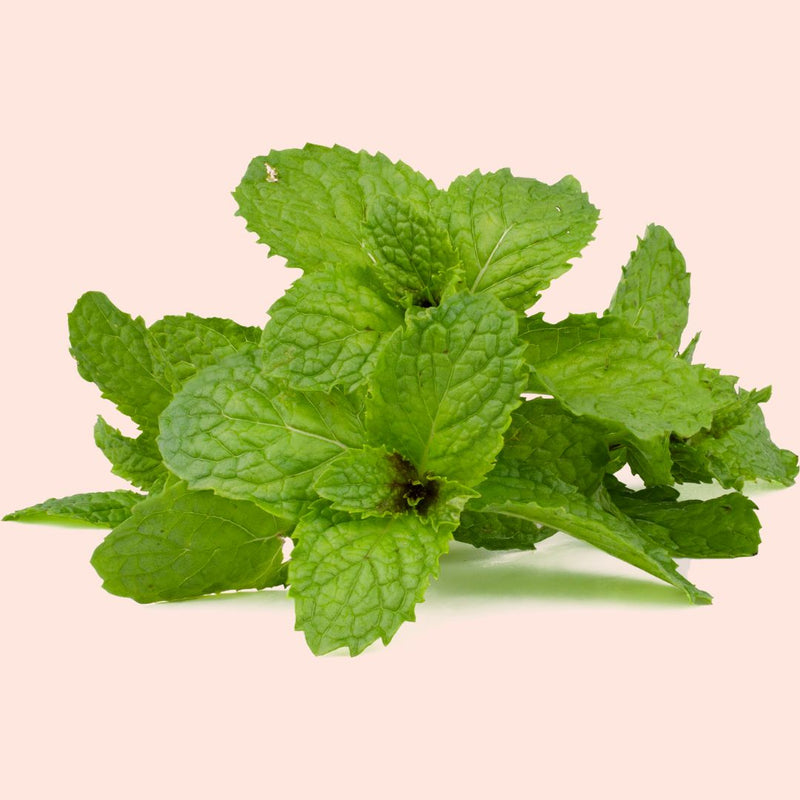
Peppermint Essential Oil has a strong, cool and minty aroma. It creates a noticeably fresh room scent and works especially well in workspaces, entryways and bathrooms. Because Peppermint is powerful, it can easily overpower softer oils if too much is used.

A small amount combined with Lemon creates a crisp citrus-mint profile, while Eucalyptus produces a stronger herbal-fresh combination. Peppermint is best used when you deliberately want a sharp, refreshing essential oil home scent rather than a soft floral or woody atmosphere.
Best suited for: Workspaces, bathrooms and fresh daytime areas
Pairs well with: Lemon, Eucalyptus, Lavender and Sweet Orange
5. Eucalyptus Essential Oil for Home Fragrance
Eucalyptus Essential Oil gives a room a fresh, herbal and distinctly camphoraceous aroma. It suits bathrooms, entrances and other areas where a clean, airy fragrance is preferred.

Eucalyptus Essential Oil is stronger and more herbal than most citrus oils, so balancing it with Lemon, Lavender or Sweet Orange often produces a more rounded scent. For people who prefer green or spa-inspired room fragrance essential oils, Eucalyptus is one of the strongest options. Its aroma is quite noticeable, so more oil does not automatically produce a better-smelling room.
Best suited for: Bathrooms, entrances and spa-inspired spaces
Pairs well with: Lemon, Peppermint, Lavender and Sweet Orange
6. Rose Essential Oil for Home Fragrance
Rose Essential Oil has a rich, recognizable floral fragrance that can make a room feel elegant and decorative. Rose Essential Oil works especially well in living rooms, bedrooms and evening spaces where a fuller floral scent is suitable.

Because Rose is expressive, it often works best when balanced with woody or softer notes rather than used heavily on its own. Sandalwood gives Rose warmth, while Lavender softens the overall floral profile. Sweet Orange can add brightness when the blend feels too heavy.
Best suited for: Living rooms, bedrooms and elegant evening spaces
Pairs well with: Sandalwood, Lavender, Sweet Orange and Cedarwood
7. Sandalwood Essential Oil for Home Fragrance
Sandalwood Essential Oil offers a warm, smooth and distinctly woody fragrance. It is particularly useful when you want a deeper home scent for bedrooms, meditation spaces or evening living rooms.

Compared with bright citrus oils, Sandalwood gives the room a slower, more grounded aromatic character. It works beautifully with Rose for a floral-wood scent, Sweet Orange for a brighter blend or Cedarwood for a more strongly woody profile. Sandalwood can also act as a supporting base when a fragrance combination feels too light.
Best suited for: Bedrooms, meditation spaces and evening living rooms
Pairs well with: Rose, Sweet Orange, Lavender and Cedarwood
8. Cedarwood Essential Oil for Home Fragrance
Cedarwood Essential Oil has a dry, woody aroma that is less creamy than Sandalwood and more forest-like in character. Cedarwood Essential Oil works well in living rooms, entrances and neutral or unisex home-fragrance blends.

Cedarwood is particularly useful as a base note because it adds depth without introducing much sweetness. Pairing it with Sweet Orange creates an easy citrus-wood combination, while Lavender produces a softer woody-floral scent. For a home that already uses many sweet or floral fragrances, Cedarwood can provide a useful contrast.
Best suited for: Living rooms, entrances and woody home-scent blends
Pairs well with: Sweet Orange, Lavender, Lemon and Sandalwood
9. Cinnamon Bark Essential Oil for Home Fragrance
Cinnamon Bark Essential Oil has a powerful, warm, and spicy aroma. It is especially suitable for cooler months, festive occasions and evening spaces where a cozy scent is preferred.

Cinnamon Bark Essential Oil is much stronger than most citrus or floral oils, so it usually works better as a supporting fragrance rather than the main note. Sweet Orange and Cinnamon create a classic warm citrus-spice blend, while Cedarwood can make the scent feel less sweet and more balanced. Because Cinnamon Bark is potent, use it carefully and according to product-specific guidance.
Best suited for: Festive rooms, winter evenings and warm seasonal scents
Pairs well with: Sweet Orange, Cedarwood and Sandalwood
10. Ylang Ylang Essential Oil for Home Fragrance
Ylang Ylang Essential Oil has a rich, sweet and intensely floral aroma. It works well in bedrooms and evening living spaces where a fuller floral scent suits the setting.

Because the fragrance is strong, Ylang Ylang can easily dominate a blend, so it is usually best paired with lighter or deeper notes. Sweet Orange brightens it, while Sandalwood or Cedarwood can create a more balanced floral-wood combination.
Best suited for: Bedrooms and evening floral home fragrances
Pairs well with: Sweet Orange, Sandalwood, Lavender and Cedarwood
Essential Oils for Room Freshener
Keyword searches around essential oils for room freshener often refer to people who want their home to smell fresh without relying on one commercial fragrance.
For a fresh room scent, good options include:
Lemon for bright citrus freshness.
Eucalyptus for a green, herbal scent.
Peppermint for a cool minty character.
Sweet Orange for a softer citrus aroma.
Lavender for a cleaner floral fragrance.
The application method matters. A diffuser, potpourri, or properly formulated room spray will perform differently.
Essential oils should not simply be mixed into plain water and sprayed around the room because oil and water do not remain evenly dispersed. Water-based room sprays require an appropriate formulation approach, which may include suitable solubilization and preservation.
Best Essential Oils for Different Rooms
Different rooms benefit from different scent profiles.
Living Room
Sweet Orange, Rose, Cedarwood and Sandalwood work well because they provide welcoming citrus, floral and woody aromas.
A simple combination is:
Sweet Orange + Cedarwood
Bedroom
Lavender, Sandalwood, Ylang Ylang and Rose suit bedrooms when you prefer softer evening scents.
Try:
Lavender + Sandalwood
Bathroom
Eucalyptus, Lemon and Peppermint are useful for a fresher, cleaner-smelling space.
A simple option is:
Eucalyptus + Lemon
Entrance or Foyer
Sweet Orange, Lemon and Cedarwood create a bright first impression without becoming too floral.
Try:
Sweet Orange + Cedarwood + Lemon
Workspace
Lemon, Peppermint and Eucalyptus create crisp, fresh aromas that are well suited to daytime spaces.
Best Home Scent Combinations
You do not need many essential oils to create a pleasant home fragrance. Two or three complementary scents are often enough.
Fresh Citrus Home Scent
- Lemon Essential Oil
- Sweet Orange Essential Oil
- Peppermint Essential Oil
Bright, fresh and suitable for daytime use.
Soft Floral Home Scent
- Lavender Essential Oil
- Rose Essential Oil
- Sandalwood Essential Oil
A softer fragrance for bedrooms and evening living spaces.
Woody Home Scent
- Cedarwood Essential Oil
- Sandalwood Essential Oil
- Sweet Orange Essential Oil
Warm, balanced and suitable for living rooms.
Warm & Cozy Home Scent
- Sweet Orange Essential Oil
- Cinnamon Bark Essential Oil
- Cedarwood Essential Oil
Best suited to cooler weather and evening spaces.
These combinations are aroma ideas rather than universal diffuser recipes. Adjust the total amount according to the device and room size.
How to Make Your Home Smell Good With Essential Oils
Creating a good-smelling home with essential oils is more about balance than using large amounts of fragrance.
Start by choosing one main scent family:
- citrus
- floral
- fresh/herbal
- woody
- warm/spicy
Then add one complementary oil.
For example, if Sweet Orange is your main scent, Cedarwood can add depth. If Lavender is the main fragrance, Sandalwood can make the aroma warmer.
It is also better to choose fragrances according to the room rather than using one strong aroma everywhere. Ventilation, room size and temperature all affect how long a home fragrance remains noticeable. A heavily ventilated room may require more frequent aromatic use than a smaller enclosed room. Rotating scents can also prevent fragrance fatigue, where you stop noticing an aroma after prolonged exposure.
Safe Ways to Use Essential Oils for Home Fragrance
There are several practical ways to use essential oils for home fragrance, but each requires a suitable method.
Diffusers: Follow the manufacturer's instructions for oil quantity and water capacity.
Potpourri: Essential oils can be added in small amounts to dried aromatic materials and refreshed when the scent becomes faint.
Aroma stones or passive diffusers: These can provide a lighter scent without an electronic diffuser.
Room sprays: Use a properly designed formulation. Do not assume essential oils will remain evenly mixed in plain water.
Reed diffusers: A suitable reed-diffuser base is normally required. Neat essential oils or random diffuser mixtures may not travel properly through reeds.
Candles: Essential oils can be explored in correctly formulated candles, but wax compatibility, aromatic load, wick selection and burn testing are required.
Also consider children, pets and individual sensitivity when choosing oils and diffusing them in shared areas.
Frequently Asked Questions
Q1. Which essential oil is best for home fragrance?
Ans: There is no single best oil for every home. Sweet Orange is excellent for bright living areas, Lavender suits softer rooms, Cedarwood and Sandalwood create woody warmth, while Lemon and Eucalyptus work well for fresher spaces.
Q2. Which essential oils make a house smell good?
Ans: Popular choices include Lavender, Sweet Orange, Lemon, Eucalyptus, Rose, Sandalwood, Cedarwood, Peppermint, Cinnamon and Ylang Ylang.
Q3. What are the best essential oils for a room freshener?
Ans: Lemon, Sweet Orange, Eucalyptus, Peppermint and Lavender are useful choices when you want a fresh room fragrance.
Q4. What is the best essential oil for the bedroom?
Ans: Lavender is one of the most versatile bedroom scents. Sandalwood, Ylang Ylang and Rose are also suitable when you prefer softer floral or woody aromas.
Q5. Which essential oil is best for the living room?
Ans: Sweet Orange, Cedarwood, Rose and Sandalwood all work well in living rooms. The best choice depends on whether you prefer citrus, floral or woody home scents.
Q6. Can I mix essential oils with water to make a room spray?
Ans: Not by simply shaking oil and water together. Essential oils do not stay evenly dispersed in water. A suitable room-spray formulation and appropriate solubilizing system are needed.
Q7. How long does essential-oil fragrance last in a room?
Ans: There is no universal duration. Longevity depends on the oil, concentration, application method, room size, ventilation and temperature. Citrus oils may feel lighter and fade differently from heavier woody or spicy aromas.
Conclusion
The best essential oils for home fragrance depend on the type of room and scent profile you enjoy. Sweet Orange and Lemon create bright citrus aromas, Lavender and Rose bring floral character, Peppermint and Eucalyptus provide freshness, while Sandalwood and Cedarwood add woody depth. Cinnamon and Ylang Ylang are stronger choices for warm or expressive fragrance styles.
For room fragrance and room freshener ideas, the most effective approach is to match the oil to the space, combine only a few complementary scents and use the correct application method. With thoughtful selection and safe use, essential oils can create a home that smells fresh, warm, floral, citrusy or woody without relying on one fragrance throughout every room.
Disclaimer
This article is for general educational and aromatic-use information only. Essential oils are concentrated materials. Follow product-specific safety guidance, use suitable devices and formulations, and take additional care around children, pets and people with sensitivities.