
Some essential oils are significantly more expensive than others because producing even a small quantity can require large amounts of botanical material, careful harvesting, specialised extraction or very low oil yields. The most expensive essential oils in the world are valued not only for their aroma but also for the time, labour and raw materials involved in production. Botanical species, geographical origin, plant maturity, extraction method, availability and demand can all influence the final price.
Floral oils may require large quantities of freshly harvested flowers, while woody oils such as sandalwood depend on trees that take years to develop aromatic heartwood. Other rare essential oils may come from plants with limited growing regions or naturally low yields. Because prices vary by source, quality and market conditions, there is no permanent ranking of the most expensive essential oil. In this guide, we explore 10 of the most expensive essential oils, why they cost more, and what makes certain oils rare and valuable.
List of Top 10 Most Expensive Essential Oils in the World
The following oils are widely recognised as examples of expensive and rare Essential Oils because of factors such as low extraction yield, limited botanical supply, labour-intensive harvesting, slow plant growth or specialised production requirements.
The order should not be treated as a permanent price ranking, since the cost of an essential oil can vary considerably depending on botanical species, origin, harvest, extraction method, grade and supplier. Instead, this list highlights essential oils that can command premium prices and explains the practical reasons behind their higher cost. Understanding why these essential oils are expensive is more useful than looking at price alone, as two oils with the same common name can still differ significantly in quality, composition, origin and production cost.
1. Oud (Agarwood) Essential Oil
Oud Essential Oil, also known as agarwood oil, is one of the aromatic materials most strongly associated with luxury perfumery. Agarwood develops when certain Aquilaria trees respond to injury, environmental stress and biological activity by producing a dark aromatic resin within the wood. Not every tree develops resin of the same quantity or quality, which contributes to the rarity of premium agarwood material.
The resinous wood can then be processed and distilled to obtain the characteristic dark, woody and complex aroma associated with oud. Its limited raw-material availability, long production cycle, variable resin formation and strong demand in fine fragrance are major reasons high-quality Oud Essential Oil can be exceptionally expensive.
Why it is expensive: Rare resinous wood, long production cycle, variable yield and strong perfumery demand.
Aroma profile: Deep, woody, resinous and complex.
2. Rose Essential Oil
Rose Essential Oil, particularly rose otto produced from Rosa damascena, is another well-known example of an expensive essential oil. The principal reason is its extremely low aromatic oil yield.

Large quantities of fresh rose petals are required to produce a comparatively small quantity of essential oil. The flowers are also delicate and are generally harvested when their aromatic quality is at its best, making collection highly labour-intensive. Rose-growing conditions, botanical species, harvest quality and geographical origin can all affect the price of the finished oil. Its characteristic rich floral aroma also keeps demand high in premium perfumery and cosmetic formulations.
Why it is expensive: Very low yield, large flower requirement and labour-intensive harvesting.
Aroma profile: Rich, floral, sweet and characteristic of fresh rose petals.
3. Sandalwood Essential Oil
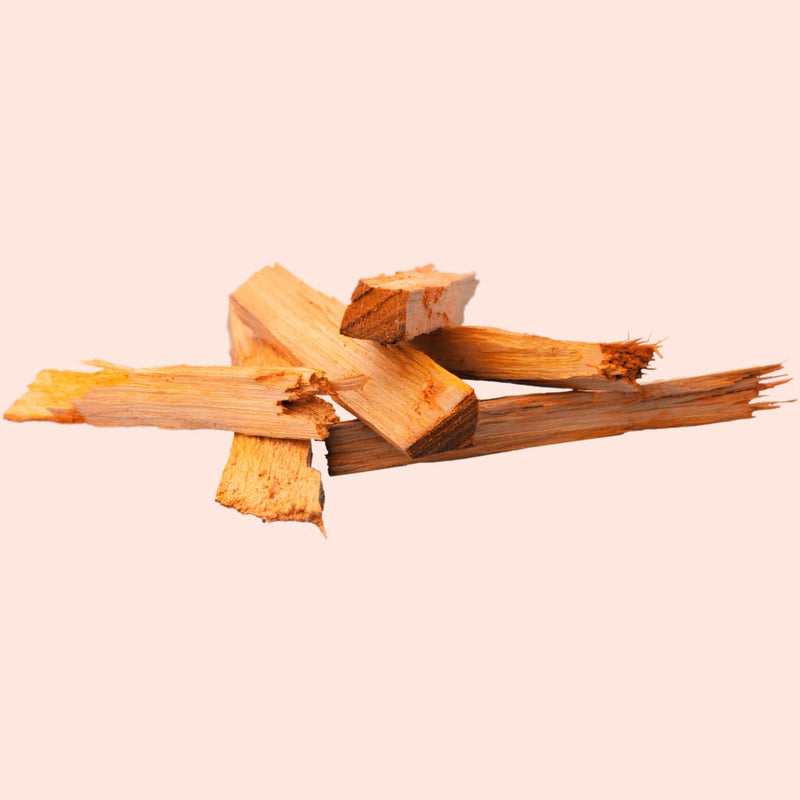
Sandalwood Essential Oil is valued for its soft, warm and persistent woody aroma. Unlike essential oils obtained from rapidly renewable leaves or herbs, Sandalwood Essential Oil comes primarily from aromatic heartwood.

Producing good-quality heartwood requires years of tree growth, making sandalwood production a much longer process than many other essential-oil crops. Species also matter. Oils produced from different sandalwood species and growing regions can vary considerably in aroma, composition, availability and price. Supply restrictions, cultivation time, raw-material quality and continuing demand from perfumery all contribute to sandalwood's premium cost.
Why it is expensive: Slow-growing trees, valuable heartwood, restricted supply and high international demand.
Aroma profile: Smooth, warm, creamy and woody.
4. Neroli Essential Oil
Neroli Essential Oil is traditionally produced from the flowers of the bitter orange tree, Citrus aurantium. Orange blossoms are extremely delicate, and only a relatively small amount of essential oil is obtained from a substantial quantity of flowers. The flowers also need careful harvesting and processing to preserve their characteristic citrus-floral aroma.

Because the same bitter-orange tree can provide several aromatic materials—including peel oil, petitgrain from leaves and twigs, and neroli from blossoms—the flower itself represents a particularly valuable raw material. Its low yield and continued use in fine perfumery make neroli one of the better-known expensive essential oils.
Why it is expensive: Delicate flowers, low essential-oil yield and labour-intensive harvesting.
Aroma profile: Fresh, floral, citrusy and slightly green.
5. Melissa Essential Oil
Melissa Essential Oil, commonly associated with lemon balm (Melissa officinalis), can command a surprisingly high price compared with many common herbal essential oils. The primary reason is its very low essential-oil yield.
Although the plant may appear abundant, relatively little volatile oil can be obtained from the botanical material. Consequently, considerable plant material may be required for a small amount of genuine Melissa essential oil. This also means buyers should distinguish genuine Melissa oil from products marketed under similar names or from aromatic blends designed to reproduce a lemon-balm-style scent.
Why it is expensive: Exceptionally low oil yield and substantial raw-material requirements.
Aroma profile: Fresh, herbal, lemony and slightly sweet.
6. Helichrysum Essential Oil
Helichrysum Essential Oil, particularly oil associated with Helichrysum italicum, is another premium botanical oil. Helichrysum grows particularly well in certain Mediterranean environments, and differences in species, growing region and harvest conditions can significantly influence the finished material.

Its relatively low essential-oil yield means substantial botanical material is needed for production. Careful cultivation, harvesting and distillation, combined with specialised market demand, all contribute to its higher price compared with many widely produced herbal essential oils.
Why it is expensive: Low yield, limited production regions and specialised cultivation and processing.
Aroma profile: Herbaceous, warm, slightly sweet and distinctive.
7. Chamomile Essential Oil
Chamomile Essential Oil is considered a premium floral-herbal oil because producing it requires substantial quantities of small flowers and careful harvesting.

Two commonly known varieties are Roman Chamomile (Chamaemelum nobile) and German Chamomile (Matricaria recutita). They differ in botanical composition and aroma, but both can be more expensive than many common essential oils because of their relatively limited yield and flower-intensive production. German Chamomile is often recognised for its deeper herbal aroma and characteristic blue colour after distillation, while Roman Chamomile generally has a softer, sweeter and slightly fruity scent.
Why it is expensive: Large flower requirement, comparatively low yield and specialised harvesting.
Aroma profile: Herbal, sweet, floral and slightly fruity, depending on the variety.
8. Blue Tansy Essential Oil
Blue Tansy Essential Oil is commonly produced from Tanacetum annuum, a botanical associated particularly with North African production. Blue Tansy Essential Oil's distinctive blue colour develops during distillation through the formation of chamazulene.
Compared with essential oils produced from widely cultivated citrus peels or common herbs, Blue Tansy has a more restricted raw-material supply and specialised production base. Availability, botanical quality and harvest conditions can therefore cause considerable price variation between batches and suppliers.
Why it is expensive: More limited botanical supply, specialised production and variable harvest availability.
Aroma profile: Herbaceous, sweet, slightly fruity and complex.
9. Spikenard Essential Oil
Spikenard Essential Oil is derived from the underground parts of Nardostachys jatamansi, a plant traditionally associated with Himalayan regions. Its supply differs significantly from oils produced using easily renewable leaves or citrus peels.
Harvesting root or rhizome material, difficult growing environments and limited geographical availability can all contribute to production costs. Origin and responsible sourcing are particularly important considerations when assessing this type of botanical oil.
Why it is expensive: Limited geographical supply, underground plant material and challenging sourcing conditions.
Aroma profile: Earthy, woody, herbaceous and deeply aromatic.
10. Davana Essential Oil
Davana Essential Oil is a premium aromatic oil produced from the flowering parts of Artemisia pallens, a plant cultivated mainly in India. It is valued in fine perfumery for its distinctive fruity, herbaceous and slightly sweet aroma.
The oil can be expensive because the crop requires careful cultivation and harvesting, while the essential-oil yield is relatively low compared with many widely produced aromatic plants. Production is also geographically concentrated, which can further limit availability. Davana is particularly interesting to perfumers because its aroma can develop differently depending on the fragrance composition in which it is used, making it a specialised material rather than a mass-market essential oil.
Why it is expensive: Limited production regions, comparatively low yield, specialised cultivation and niche perfumery demand.
Aroma profile: Fruity, herbaceous, sweet and slightly woody.
What Is the Most Expensive Essential Oil in the World?
There is no permanently fixed answer to what the most expensive essential oil in the world is. Essential oil prices can change considerably according to botanical species, geographical origin, harvest, extraction method, grade, availability and market demand.
High-quality oud or agarwood oil can be among the most expensive aromatic oils because genuine resinous agarwood itself can be extremely valuable. However, premium Rose Otto, Sandalwood, Neroli and other exceptionally low-yield oils can also command very high prices. Therefore, claims that one specific oil is always the world's most expensive should be treated cautiously unless the comparison specifies the species, origin, quality, quantity and time period.
Why Are Some Essential Oils So Expensive?
Several factors can make one essential oil many times more expensive than another.
Low Essential-Oil Yield
Some botanicals naturally contain only a tiny amount of volatile oil. When hundreds of kilograms of plant material are required to obtain a relatively small amount of oil, the raw-material cost becomes much higher.
Labour-Intensive Harvesting
Delicate flowers such as roses and orange blossoms may require careful harvesting within particular periods. Manual collection increases production costs compared with crops that can be mechanically harvested.
Slow Plant Growth
Oils obtained from mature woods can require years before the plant produces suitable aromatic material. Sandalwood is an obvious example of how long cultivation cycles influence price.
Limited Geographical Availability
Some plants grow commercially in only a small number of suitable regions. Weather, crop failure or supply disruption can therefore have a much larger effect on availability.
Difficult Extraction
Different botanicals require different handling and distillation conditions. Low yields combined with lengthy or specialised processing can increase production costs substantially.
Market Demand
Premium perfumery, cosmetics and aromatherapy markets may compete for limited supplies of certain botanical materials, increasing their commercial value.
Rare Essential Oils vs Expensive Essential Oils
The terms rare essential oils and expensive essential oils are related, but they do not mean exactly the same thing. A rare essential oil may come from a botanical with limited natural or commercial availability. An expensive essential oil, however, might be costly even when the plant itself is not extremely rare.
Rose is a good example. Roses are widely cultivated, yet authentic Rose Essential Oil remains expensive because the essential-oil yield from the flowers is extremely low and harvesting is labour-intensive. Likewise, an oil can become costly because of difficult processing, slow plant maturity or a temporary shortage. So rarity is only one factor affecting essential-oil price.
Why Can the Same Essential Oil Have Different Prices?
Two products carrying the same common oil name can differ substantially in price.
Before comparing them, consider factors such as:
Botanical species: Different species can produce oils with different compositions and values.
Plant part: Flowers, roots, leaves, wood and peel can have very different production costs.
Origin: Growing region and local production conditions can influence availability and aroma.
Extraction method: Production methods affect both cost and the type of aromatic material obtained.
Yield: Lower-yield botanicals usually require more raw material.
Dilution: A diluted aromatic product cannot be compared directly with an undiluted essential oil.
Batch quality and documentation: Traceability and product-specific information can also affect supplier pricing.
This is why price alone should never be used to judge the authenticity or quality of an essential oil.
A Note About Floral Absolutes and Essential Oils
Not every concentrated floral aromatic marketed with the word “oil” is technically a conventional essential oil. Delicate flowers such as Jasmine, Tuberose, Frangipani and Champaca are commonly encountered in perfumery as absolutes, extracts or other aromatic preparations because their aroma may not be suited to conventional steam distillation.
This distinction is important when comparing the most expensive essential oils, because an absolute and a steam-distilled essential oil are different types of aromatic materials and should not automatically be ranked together. Always check the botanical name and extraction method when comparing products.
How to Evaluate Expensive Essential Oils Before Buying
When purchasing expensive or rare essential oils, look beyond the product name and price.
Useful product information may include:
- botanical name
- plant part used
- extraction method
- country or region of origin where available
- dilution status
- batch or product documentation
- recommended applications and safety guidance
A substantially lower price does not automatically mean poor quality, and a very high price does not automatically prove authenticity. Understanding exactly what material you are buying is more useful than judging the oil by price alone.
Frequently Asked Questions
Q1. What are the most expensive essential oils?
Ans: Oud or agarwood, Rose Otto, Sandalwood, Neroli, Melissa and Helichrysum are among the essential oils that can command premium prices. Actual pricing varies according to botanical species, origin, yield, harvest, quality and market availability.
Q2. Which is the most expensive essential oil in the world?
Ans: There is no permanent worldwide ranking. High-grade oud or agarwood oil can be among the most expensive, while premium Rose Otto, Sandalwood and other rare or low-yield oils may also command very high prices.
Q3. Why is Rose Essential Oil so expensive?
Ans: Rose Essential Oil has an extremely low extraction yield. Large amounts of fresh petals are needed to obtain a comparatively small quantity of oil, and harvesting is highly labour-intensive.
Q4. Why is Sandalwood Essential Oil expensive?
Ans: Sandalwood trees require many years to develop aromatic heartwood suitable for oil production. Limited supply, species differences, sourcing requirements and strong perfumery demand can further increase its value.
Q5. What are rare essential oils?
Ans: Rare essential oils are oils produced from botanicals with limited availability, restricted growing regions, low production volumes or difficult sourcing. However, rarity alone does not determine price.
Q6. Are expensive essential oils always better?
Ans: No. Price can reflect scarcity, production cost and demand rather than automatically proving superior quality. Botanical identity, extraction method, origin, dilution status and relevant product documentation are better indicators when comparing oils.
Q7. Why are some essential oils cheap while others are expensive?
Ans: High-yield plants that are widely cultivated can usually produce essential oils more efficiently. Low-yield flowers, mature woods and geographically restricted plants generally require more resources to produce, which can increase their cost.
Conclusion
The most expensive essential oils in the world are usually costly for practical production reasons rather than simply because they are considered luxurious. Oud, Rose, Sandalwood, Neroli, Melissa and other rare essential oils may require limited botanical resources, large amounts of raw material, lengthy cultivation, careful harvesting or low-yield extraction.
There is no permanent price ranking, so the most expensive essential oil can vary depending on species, origin, harvest, quality and market conditions. Understanding these factors makes it easier to compare expensive essential oils based on what actually influences their value rather than price or marketing language alone.
Disclaimer
This article is for educational purposes only. Essential oil prices, availability and quality can vary by species, origin, harvest, supplier and market conditions. Terms such as “expensive” or “rare” are comparative, not fixed rankings. Always check the botanical name, extraction method and product-specific guidance before purchase or use.