
Cleansing oils are mild but powerful skincare products that are used to cleanse the face and remove makeup, sunscreen, excess oil, and other impurities of the day without taking away the natural moisture of the skin. Some cleansing oils form an association with the natural oil of the skin, unlike traditional foaming cleansers, which could either tighten or dry the skin. They are prepared using nourishing carrier oils, which are rich in essential fatty acids, vitamins, and antioxidants. Natural oils are also good to wash the skin as well as to hydrate and soothe the skin. With the proper selection of oils, cleansing oils can be used on most types of skin, such as dry skin, the combination skin, and even the oily skin. Making cleansing oil at home would also enable you to select quality ingredients and tailor the formula to the requirements of your skin. However, a homemade cleansing oil has the potential to be a soft and efficient element of your everyday skin care once it is prepared properly and stored in a proper location.
How Cleansing Oils Work?
The principle of cleansing oils is that like dissolves like. The natural oils in the cleanser are attached to surplus sebum, makeup, sunscreen, and dirt on the skin. The oils help in the dissolution of these impurities when rubbed on dry skin, leaving the protective membrane of the skin intact. When water is introduced, the oil gets emulsified or wiped, creating a clean, soft, and balanced skin. This treatment assists in keeping oneself hydrated as well as cleansing the body completely.
Benefits of Cleansing Oils
Oil cleansers make the skin an easy and loving cleanser. They eliminate impurities without making one dry and irritated. With regular use, it is possible to keep the skin in its natural balance, improve the texture, and keep the skin in good condition.
1. Deep Yet Gentle Cleansing
There is no rubbing involved in oil cleansers, and it successfully removes the makeup, sunscreen, and excess sebum. The oils attach to the impurities on the skin but are removed as they are rinsed. This is a deep cleaning technique that keeps the skin with its natural moisture shield. Oil-based cleansers do not remove vital oils in the skin as compared to strong foaming cleansers. Consequently, the skin becomes soft, clean, and comfortable at the end of the use.
2. Maintains the Natural Moisture Balance
The cleansing properties of oil cleansers are one of the main advantages of using them since they do not interfere with the natural oils of the skin. Most of the conventional cleansers are too harsh and strip the skin of too much oil, causing it to become extremely dry or generate more oil. The oil cleansers are used to keep the skin moisturized by cleansing the skin in a gentle fashion. This will maintain the skin moist, supple, and less susceptible to dryness or constriction.
3. Suitable for Most Skin Types
The cleansing oils can be tailored to various skin types using other carrier oils. Oily or acne-prone skin uses lightweight oils such as jojoba or grapeseed oils, whereas the mature or dry skin uses richer oils such as avocado or almond oils. They are gentle and nourishing, which makes oil cleansers usually suitable, even when they are applied to sensitive skin, in case they are formulated correctly.
4. Enhances the Skin Texture and Radiance
Frequent application of cleansing oils allows maintaining a soft and smooth skin. The skin will maintain its natural radiance, as it does not dry up with the removal of impurities. Carrier oils also help in repairing the skin and moisturizing it due to their nourishing qualities. In the long run, it may result in a better texture of the skin, less roughness, and a more glamorous look.
Homemade Cleansing Supplies
- 1. Carrier Oils: A cleansing oil is made up of carrier oils and gives cleansing and nourishing properties. Carrier oils are different, and thus it is necessary to pick the correct one.
- 2. Jojoba Oil: The jojoba oil is very similar to the natural sebum of the skin, and thus it fits almost all the skin types. It is easily absorbed, and it balances the oil production besides giving a soft hydration.
- 3. Sweet Almond Oil: Sweet almond oil contains a lot of fatty acids and vitamin E. It is gentle enough to soften the skin and give it rich nourishment, hence suiting well to the skin that is dry or sensitive.
- 4. Grapeseed Oil: Grapeseed oil is light and fast-absorbing. It is rich in antioxidants and linoleic acid that aid in supporting the skin barrier and keeping the skin hydrated. It goes well with oily or combination skin.
- 5. Avocado Oil: Avocado oil is oily and rich in the nutrient and consists of vitamins A, D, and E. It is very nourishing and moisturizing to the skin, thus it is suitable for dry or mature skin.
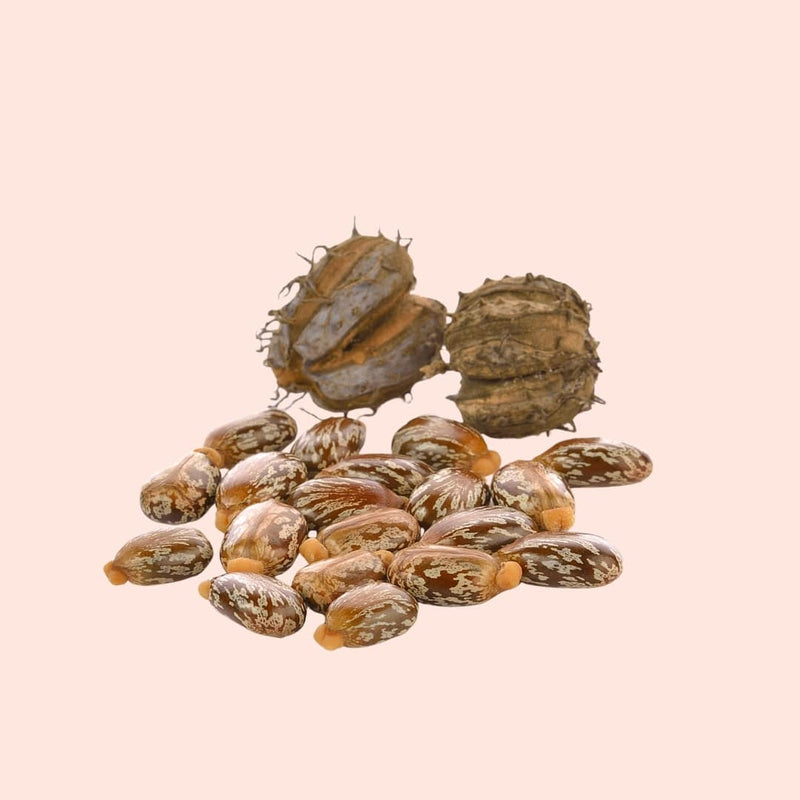
- 6. Castor Oil: Castor oil is commonly utilized in low quantities in cleaning oil preparations. It is a good cleanser and contributes to pulling out the impurities. It is typically combined with other lighter oils to avoid being heavy.
- 7. Vitamin E Oil (Optional): The vitamin E oil is an antioxidant that prevents oxidation of the oils. It can also add other skin-enhancing values.
How to Make Cleansing Oil?
It is also easy to prepare a cleansing oil at home, and only a few natural carrier oils that are natural are needed. Taking proper measurements, hygiene, and mixing will give an effective and balanced product. To make a mild cleansing oil with nourishing carrier oils, the following steps will be involved.
Step 1: Preparation and Sanitization of Equipment
Begin by washing up all your gear, that is, the mixing bowl, measuring spoons, and storage bottle. Wet them using warm water and softly running soap, and thoroughly rinse them. In order to make the tools even more hygienic, add boiling water and leave the tools to dry thoroughly. Cleaning equipment can be used to avoid contamination and prolong the shelf life of your cleansing oil. Oils are sensitive to contaminants, hence there is a need to observe good cleanliness.
Step 2: Measure the Carrier Oils
Choose your choice of carrier oils depending on the type of skin. As an example, when balancing, use jojoba oil; when nourishing, use sweet almond oil; and when cleansing, use a small portion of castor oil. Using clean spoons, measure each of the oils. Proper measurements contribute towards the appropriate consistency and efficacy of the end blend. Add the oils to a clean mixing bowl.
Step 3: Mix the Oils
After measuring the carrier oils, mix the mixture, but with a clean spoon or glass stirring device. Blend gently, so that there is an equal mixing of the oils. My good blending contributes to the smooth and consistent texture. Do not stir harshly because this will add air to the mixture. The consistency of the blend is that of a uniform blend, so that when the cleansing oil is applied to the skin, it will work.
Step 4: Add Vitamin E Oil (Optional)
Extra vitamin E oil can be added to the mixture. This process is useful in enhancing the shelf life of the cleansing oil since it slows the oxidation process. It is also an extra skin-giving feature. Gently stir the mixture so that the vitamin E spreads all over the oils. This is a personal choice, though it is advisable to enhance its stability and provide additional support to the skin.
Step 5: Transfer to Storage Bottle
Pour the blended oil into a dry glass bottle carefully with the aid of a small funnel. Use an amber or dark colored bottle to avoid exposure of the oils to light. Put the bottle tightly so that air does not enter. Write the date of preparation on the bottle to be able to monitor the freshness of the product. The quality and effectiveness of the cleansing oil are maintained with the help of proper storage.
DIY Emulsifying Cleansing Oil Recipe: Step-By-Step Guide
An emulsifying cleansing oil would have a mild emulsifier, which would enable the oil dissolve in water. This assists in the fact that the cleanser rinses more easily and does not leave a heavy load on the skin.
Ingredients
- 2 Tablespoons of Jojoba Oil
- 1 Tablespoon of Sweet Almond Oil
- 1 Tablespoon of Grapeseed Oil
- 1 Teaspoon of Castor Oil
- 1 Teaspoon of Emulsifying Wax or Natural Emulsifier
- 3–4 Drops of Vitamin E Oil (optional)
- Clean Glass Bottle
Directions
- Work the emulsifying wax in a double boiler until it melts.
- Take it out of the heat, and stir in the carrier oils slowly.
- Blend until all the ingredients are mixed.
- Let it cool, and it is desired that you add vitamin E oil
- Set the mixture into a clean glass bottle and close it.
- Shake gently before each use.
Safety Guidelines
Consistently do a patch test prior to application of a new cleansing oil. Put a small drop on the far arm of the inner arm and wait 24 hours to see whether it irritates or not. Use quality and cosmetic-grade oils and do not use essential oils unless they are diluted. Oil cleansers should be used only after consultation with a dermatologist by people whose skin is very sensitive or acne-prone. Keep the cleanser in a cool, dark place and dispose of it when there is a change of smell or feel.
Frequently Asked Questions
The trend is towards oil cleansers in the natural skincare regimen. Most individuals have some queries concerning the nature of oils applied, their advantages, and whether they can be applied to various skin types.
Q1: Which oils are contained in the oil cleansers?
The mixture of carrier oils, which can be jojoba, sweet almond, grapeseed, or avocado oil, is typical of oil cleansers. Castor oil is also added to some of the formulae to further cleanse. Vitamin E oil is usually added to preserve the mixture and give it additional nourishment.
Q2: Do you think oil cleansers are good for your skin?
Yes, the oil cleansers may be of great help to the skin. They do not strip away the natural oils and eliminate makeup, sunscreen, and impurities. This assists in balancing the moisture content in the skin, making it soft, smooth, and comfortable to the skin once cleansed.
Q3: Do oil cleansers leave oily skin bad?
Oil cleansers do not turn out to be bad for oily skin. Actually, oils with low weight to balance oil production include jojoba or grapeseed. When applied properly, oil cleansers can help to gently move any excess sebum without other complications.
Conclusion
Cleansing oils are a soft, efficient, and moist method of getting rid of daily dirt. They may be used with virtually any type of skin with the appropriate combination of carrier oils. At home, the cleansing oil can be customized and quality-controlled to make an effective and natural addition to your skin care routine.
DISCLAIMER
This content is for informational purposes only and is not a substitute for professional medical advice, diagnosis, or treatment. Always consult a healthcare provider before using essential oils for any health condition.