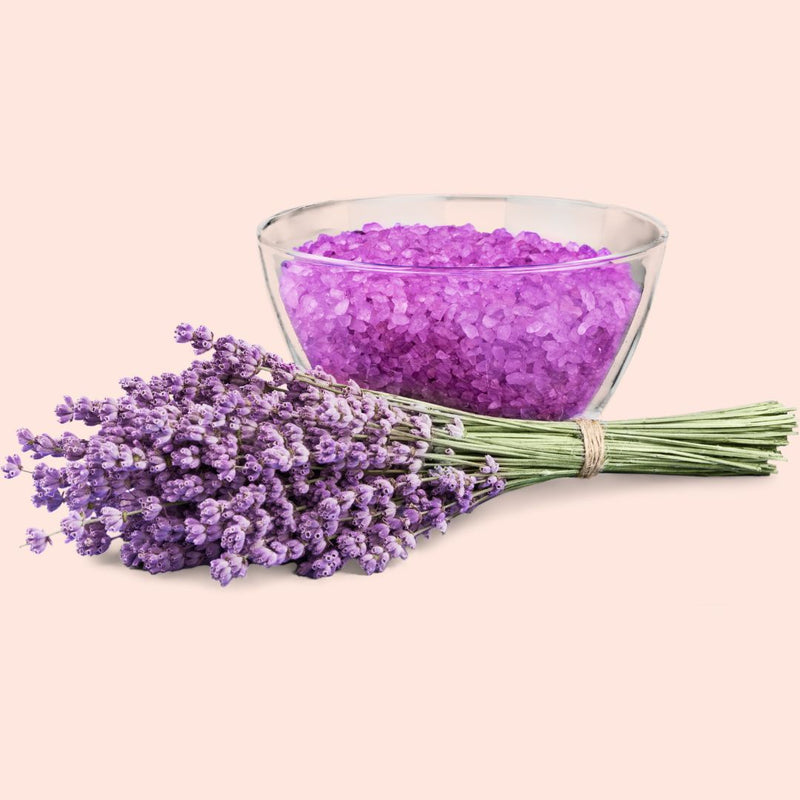

Homemade Lavender shampoo is a soothing aromatherapy cleanser that provides natural care and soothing aromatherapy effects. By preparing lavender shampoos at home, you are able to eliminate harsh sulfates, artificial fragrances, and other unnecessary chemicals that are prevalent in commercial products. The Lavender has been and is expected to be a fitting aroma combined with scalp attributes, which makes it compatible with diverse hair.
Its addition to a soft base of the shampoo to aid in cleansing the scalp does not strip the natural oils, making the hair softer, more manageable and cooler. Lavender shampoo made at home is rather attractive to those individuals who enjoy natural beauty practices, sensitive-scalp formulas, or sustainable self-care methods. By adapting oils and botanical additives, you can tailor the formulation to suit your hair requirements: dry, oily, frizzy, dull and so on. The soothing scent also elevates the hair-washing experience into a spa and thus not a hair product, but a full holistic experience of wellness to be used on a daily basis.
Benefits of Homemade Lavender Shampoo
Handcrafted lavender shampoo brings haircare and wellness advantages by being both formulated naturally and having a therapeutic fragrance. It is made without harsh chemicals and helps in balancing the hair and scalp, as well as giving it a soothing sensory effect.
1. Promotes A Healthy Scalp
Lavender has been used to treat the scalp because it is calming and anti-inflammatory, and this is especially useful. Lavender shampoo may be used in the treatment of irritation, itching, and slight scalp pains brought about by dryness or external influences. It is mild-mannered, and this encourages a healthy environment of the scalp, which is vital to the development of healthy hair. Consistent use can soften flakiness and redness and leave a clean but not uncomfortable texture to the scalp of someone with a sensitive or stressed-out scalp.
2. Promotes Healthy Hair
The lavender shampoo keeps hair strong because it cleans the hair without depriving it of the natural oils. Contrary to the harsh shampoos that make hair dry and frail, home-made lavender shampoo makes the hair moist and better in texture over time. It can help remove breakage, enhance elasticity and make hair feel softer when combined with nourishing oils. An improved scalp health indirectly enhances robust hair roots to the tips of hair strands, contributing to the overall health of the hair.
3. Helps Reduce Stress
Another distinctive advantage of lavender shampoo is that it has an aromatherapy effect. The relaxing fragrance of lavender is common in alleviating stress and inducing relaxation. Having a lavender shampoo in your shower could make the usual in-shower experience a relaxing activity, particularly when your days have been long or tiresome. Lower levels of stress can have a positive impact on hair, as stress is usually connected to loss of hair and scalp problems.
4. Customizable and Gentle for Regular Use
Lavender shampoo that is prepared by homemakers can be custom made to fit various types and requirements of hair. You can control the volume of essential oil, either by adding moisturizers or by adding a herbal infusion to make it more beneficial. It is not synthetic, which means that it is usually mild enough to use on a regular basis. This personalization provides a perfect blend that cleanses smoothly and leaves the hair soft and nourished, with a natural smell.
Ingredients For Homemade Lavender Shampoo
To make a lavender shampoo at home, it is important to have carefully selected ingredients that effectively cleanse, nourish, and protect the hair and scalp. The ingredients have a definite role to play in balancing and effectiveness.
Homemade lavender shampoo is made on the basis of a mild liquid castile soap or natural shampoo base. It purifies the head, without chemicals. The shampoo is diluted with distilled water to be purified and avoid contamination by any minerals in tap water. The most dominant ingredient is Lavender Essential Oil that offers fragrance, relaxation and scalp treatment. It is always to be used in moderation.
A carrier oil such as Sweet Almond Oil nourishes hair, decreases the level of dryness, and increases softness. Glycerin made out of vegetables can be used to improve the ability to retain moisture and to make the hair feel moist, rather than becoming dry after being washed. Another optional but useful ingredient is Aloe vera gel, which is known to have a soothing and hydrating effect. Vitamin E Oil is a natural preservative and helps to keep the scalp healthy. Lavender-infused water or dried lavender buds can be used to improve the botanical quality of the shampoo, as well.
How To Make Lavender Shampoo at Home
Lavender shampoo is an easy to prepare home spa product, which does not need sophisticated knowledge or machinery. By using simple ingredients and adhering to particular measurements, one will be able to create a mild scented shampoo that can be used daily or rarely. This approach pays attention to the balance of ingredients to preserve their safety, efficacy, and acceptable texture.
Step-by-Step Method
Start by weighing the distilled water or lavender-infused water and pouring it into a clean bowl. Gradually, add liquid castile soap or shampoo base by stirring without forming a lot of foam. Then add aloe vera gel and vegetable glycerin to make it more hydrating. Add the carrier oil of your choice and stir until well blended. Next, put drop after drop of lavender essential oil and mix thoroughly to spread out evenly. Lastly, pour in vitamin E oil and mix. The mixture can be transferred into an airtight bottle with the help of a funnel. Shake prior to use and keep in a cool and dry area, not in direct sunlight.
Safety Precautions
Even though homemade lavender shampoo is normally soft, some precautions are required. Lavender essential oil is very concentrated and should be continuously diluted in the required shape in the shampoo base. Do not directly apply the essential oil to the head. Test patch strongly advised prior to the initial application--apply a small amount of shampoo to the inside of the arm or the back of the ear and allow it to react 24 hours prior to use. People who have highly sensitive skin, are known to be allergic to lavender, or who have some form of scalp problems, are advised to seek the advice of a healthcare professional before using it. The use of lavender shampoo should be at very low concentrations in pregnant women, breastfeeding mothers, and young children. Do not touch the eyes and stop using it if it irritates.
Frequently Asked Questions
Lavender shampoo is homemade, and the effectiveness, safety, and usage of the same would be questioned. Knowing these matters can enable you to easily integrate them into your hair care practice and maximize their advantages.
Q1. Is lavender shampoo good for hair?
Ans: Yes, when appropriately formulated, lavender shampoo could be good for hair. It is gentle on the scalp, helps maintain moisture and relaxation without its soothing smell. In the long run, it can enhance scalp and hair texture.
Q2. What are the side effects of lavender shampoo?
Ans: Side effects occur infrequently and could consist of slight irritation or allergic responses among sensitivities. They tend to happen when the concentration of the essential oil is excessive or the user is allergic to lavender. Risks are minimized by proper dilution and patch testing.
Q3. Can I use lavender shampoo daily?
Ans: When lavender shampoo is made with a light base and a humectant property, it can be used on a daily basis. In the case of very dry or curly hair, which requires the maintenance of natural oils, it might be more appropriate to use it every other day.
Conclusion
Lavender is a natural and calming shampoo that people can easily make themselves as an alternative to commercial shampoo. Its mild cleanse, soothing scent and personalized ingredients contribute to healthier hair and scalp and foster relaxation. When produced and used properly, it becomes a beneficial component of a chemical-free hair care regimen.
DISCLAIMER
This content is for informational purposes only and is not a substitute for professional medical advice, diagnosis, or treatment. Always consult a healthcare provider before using essential oils for any health condition.