
The beginning of a new year is a natural time to refresh your surroundings and move away from the heavier aromas of Christmas. Bright citrus, fresh herbs, soft florals and woody scents can create a lighter atmosphere for New Year’s Eve and New Year’s Day.
Choosing the right essential oils for the New Year depends on the scent profile you prefer. Lemon and Grapefruit add brightness, Peppermint and Eucalyptus bring freshness, Lavender softens stronger notes, while Frankincense and Cedarwood add depth. In this guide, we explore 10 of the best essential oils for the New Year, essential oils for new beginnings, New Year diffuser blends and scent ideas for New Year’s Eve and New Year’s Day.
List of Top 10 Best Essential Oils For The New Year
The best New Year Essential Oils do not belong to just one fragrance family. Citrus oils bring brightness, herbal and minty oils create freshness, while floral, resinous and woody notes can make a blend feel softer or more complete. Here are 10 versatile oils that work particularly well in New Year aroma combinations.
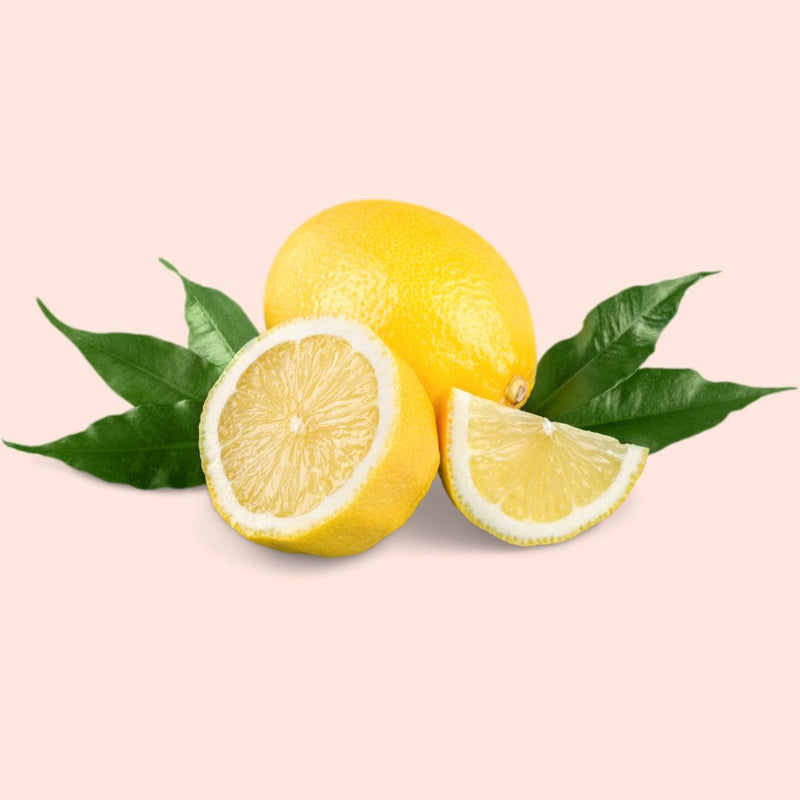
1. Lemon Essential Oil
Lemon Essential Oil has a bright, crisp citrus aroma that naturally fits a fresh-start theme. Compared with warm Christmas spices such as Cinnamon or Clove, Lemon feels noticeably lighter and cleaner.

It works particularly well in daytime diffuser blends. Rosemary adds a greener herbal character, Peppermint makes the fragrance even fresher, while Cedarwood provides a deeper woody base. Lemon is also simple enough to serve as the main scent in a two- or three-oil New Year diffuser blend.
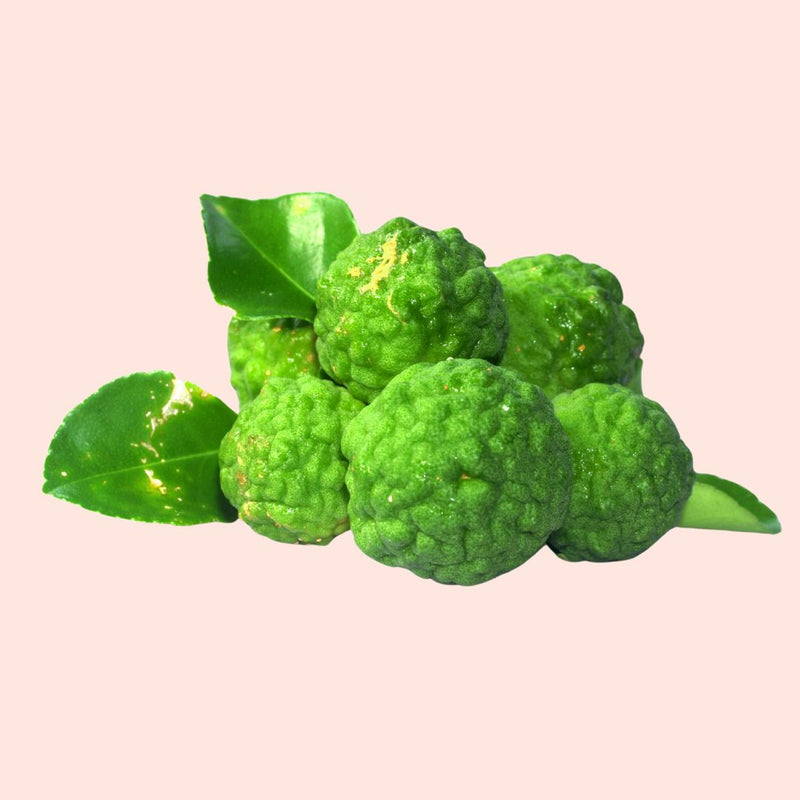
2. Bergamot Essential Oil
Bergamot Essential Oil combines citrus freshness with softer floral and slightly green notes. Bergamot Essential Oil is less sharp than Lemon and generally more refined than a straightforward sweet citrus aroma.

That makes Bergamot especially useful for New Year’s Eve essential oil blends. It pairs naturally with Lavender for a softer fragrance or with Frankincense and Cedarwood when you want greater depth. If Bergamot is being considered for topical use, check the specific product guidance because some expressed bergamot oils can be phototoxic.
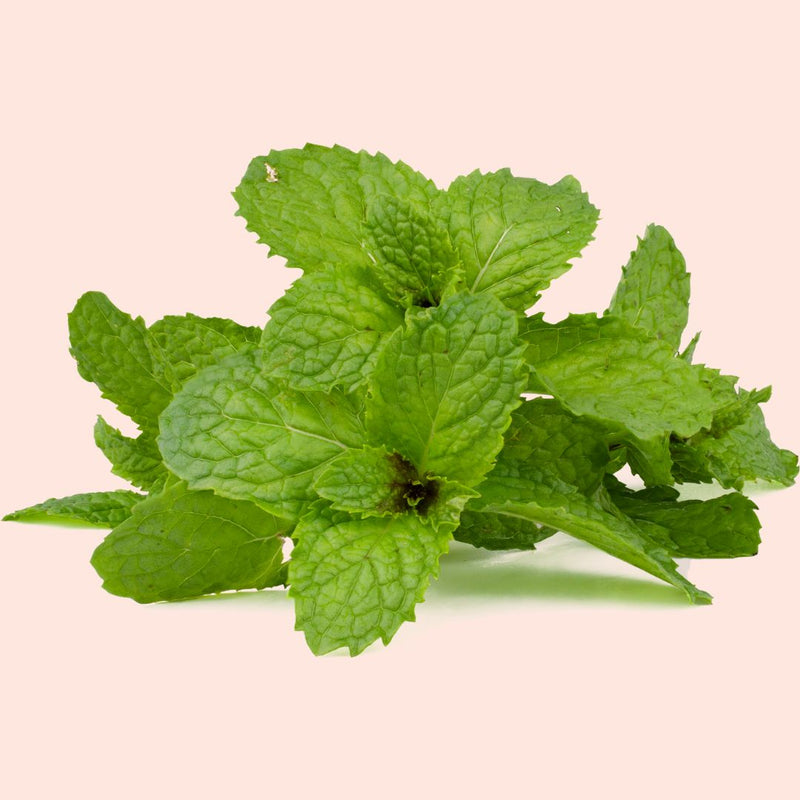
3. Peppermint Essential Oil
Peppermint Essential Oil has a powerful, cool and minty aroma that immediately makes a blend feel fresh. It works particularly well for New Year’s Day or daytime diffusion. Because Peppermint Essential Oil can easily dominate softer oils, a small proportion is usually enough in a blend.

Lemon and Grapefruit add citrus brightness, while Lavender can soften the sharper mint character. Lemon, Rosemary and Peppermint together create a simple and refreshing New Year fragrance.
4. Grapefruit Essential Oil
Grapefruit Essential Oil offers a bright citrus scent with a slightly sharper and more bitter edge than Sweet Orange. It is a good choice when you want a New Year fragrance that feels fresh and modern rather than sweet.
Grapefruit combines naturally with Rosemary for a citrus-herbal direction, while Bergamot creates a softer citrus combination. Adding Cedarwood underneath Grapefruit can also give the blend more depth without losing its fresh character.
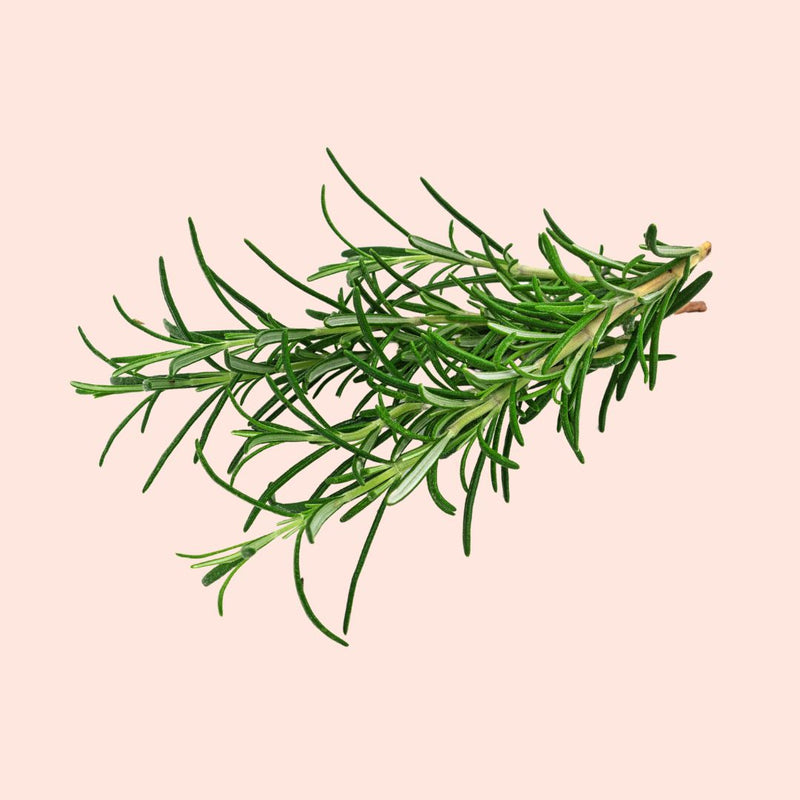
5. Rosemary Essential Oil
Rosemary Essential Oil has a fresh, aromatic and slightly woody scent. Its herbal character makes it useful when citrus alone feels too simple.

Rosemary Essential Oil pairs especially well with Lemon, Grapefruit and Peppermint, and it can also be combined with Cedarwood for a deeper fragrance. For a simple New Year aroma, Lemon and Rosemary work well on their own. Adding a small amount of Cedarwood creates a more balanced citrus-herbal-woody blend.
6. Lavender Essential Oil
Lavender Essential Oil brings a soft floral aroma with gentle herbal undertones. Its main strength in New Year blends is balance. Lavender can soften Peppermint, Eucalyptus and Rosemary when those stronger scents feel too sharp.

Lavender Essential Oil also works naturally with Bergamot and Frankincense for quieter evening fragrances. A combination of Bergamot, Lavender and Frankincense begins with citrus freshness but develops into a softer and more rounded aroma.
7. Eucalyptus Essential Oil
Eucalyptus Essential Oil provides a clean, herbal and distinctly fresh scent. Eucalyptus Essential Oil is a good option for people who prefer crisp aromas over sweeter citrus or floral combinations. Eucalyptus works especially well with Peppermint, Lemon and Rosemary.

Because the fragrance is strong, balancing it with Lavender or citrus can make the blend easier to enjoy. Its clean herbal character also creates a noticeable change from the spice and evergreen aromas commonly used during Christmas.
8. Sweet Orange Essential Oil
Sweet Orange Essential Oil has a warm, sweet citrus character that is softer than Lemon or Grapefruit. It works well as a transition from festive December scents into lighter New Year blends. Sweet Orange pairs easily with Bergamot, Lavender, Frankincense and Cedarwood.

It is particularly useful for New Year’s Eve gatherings because it provides brightness while still feeling warm and welcoming. Sweet Orange and Bergamot also make an easy citrus combination for beginners.
9. Frankincense Essential Oil
Frankincense Essential Oil has a warm, resinous and gently woody aroma. Frankincense Essential Oil is not primarily a fresh scent. Instead, it gives lighter citrus and floral oils more depth, which makes it particularly useful for New Year’s Eve or evening diffusion.

Bergamot and Sweet Orange provide brightness, while Frankincense gives the blend a richer foundation. Lavender can also be added when you want a softer, more balanced fragrance.
10. Cedarwood Essential Oil
Cedarwood Essential Oil provides a dry, warm and woody base for New Year essential oil blends. It can anchor brighter oils such as Lemon and Grapefruit without making the fragrance sweet. Cedarwood also works particularly well with Rosemary when you want a more herbal-woody scent.

For people who prefer aromas that are less fruity or minty, Cedarwood gives New Year blends a deeper character. Grapefruit, Rosemary and Cedarwood make a good example of a simple but balanced three-oil combination.
Essential Oils for New Beginnings
The phrase essential oils for new beginnings is often associated with the New Year, but it is better understood as a fragrance theme rather than a special therapeutic category.
Bright citrus oils such as Lemon, Grapefruit and Bergamot naturally fit a fresh-start atmosphere because their aromas feel light and clean. Peppermint, Eucalyptus and Rosemary add a sharper herbal character, while Lavender can soften those stronger scents. For a deeper fragrance, Cedarwood or Frankincense can be used underneath citrus or floral oils.
A few simple combinations include:
- Lemon + Rosemary + Cedarwood for fresh citrus, herbs and wood.
- Grapefruit + Bergamot + Lavender for a softer citrus fragrance.
- Sweet Orange + Frankincense + Cedarwood for something warmer and more suited to evening use.
A good New Year blend does not need many ingredients. Two or three complementary oils are often enough to create a clear fragrance direction.
New Year Essential Oil Blends
Search interest around this topic also includes New Year diffuser blends and New Year essential oil blends, so practical fragrance combinations are useful additions to the article.
These blends are intended for compatible essential-oil diffusers. Adjust the total amount according to your device capacity and manufacturer instructions.
Fresh Start Blend
- 3 Drops of Lemon Essential Oil
- 2 Drops of Rosemary Essential Oil
- 1 Drop of Peppermint Essential Oil
This combination begins with bright citrus and develops into a fresh herbal-minty aroma. It works particularly well during the daytime or on New Year’s morning.
New Year’s Eve Blend
- 3 Drops of Bergamot Essential Oil
- 2 Drops of Sweet Orange Essential Oil
- 1 Drop of Frankincense Essential Oil
This New Year’s Eve diffuser blend combines citrus brightness with a deeper resinous base, making it more suitable for evening use.
New Year’s Morning Blend
- 3 Drops of Grapefruit Essential Oil
- 2 Drops of Eucalyptus Essential Oil
- 1 Drop of Lavender Essential Oil
This combination feels bright and clean without becoming entirely citrus or herbal. Lavender softens the sharper Grapefruit and Eucalyptus notes.
Choosing Essential Oils for New Year’s Eve vs New Year’s Day
New Year’s Eve and New Year’s Day can suit noticeably different fragrance profiles.
For New Year’s Eve, richer aromas often work well. Bergamot, Sweet Orange, Lavender, Frankincense and Cedarwood combine brightness with enough floral, woody or resinous depth for an evening setting.
For New Year’s Day, fresher oils usually fit better. Lemon, Grapefruit, Peppermint, Rosemary and Eucalyptus create brighter citrus and herbal scents.
The two directions can also be combined. Lemon, Rosemary and Cedarwood, for example, provide fresh citrus and herbs while still having a woody foundation. There is no single correct New Year fragrance. The best choice depends on whether you prefer bright citrus, crisp herbal aromas, softer florals or deeper woody notes.
How to Use New Year Essential Oils Safely
Essential oils are concentrated aromatic materials, so the correct use depends on the individual oil and application.
For diffusion, follow the instructions supplied with your diffuser. Different devices have different water capacities and recommended amounts of essential oil. More oil does not automatically create a better aroma, particularly with strong scents such as Peppermint and Eucalyptus.
For topical applications, essential oils generally need to be appropriately diluted in a suitable carrier oil. Product-specific usage and safety guidance should be followed rather than assuming one dilution percentage works for every oil.
A topical blend containing Jojoba or another fixed carrier oil should not be poured into a standard water-based diffuser. Essential oils should also not simply be mixed with water for room sprays without an appropriate formulation because oils do not disperse evenly in water.
Frequently Asked Questions
Q1. What are the best essential oils for the New Year?
Ans: Popular options include Lemon, Bergamot, Peppermint, Grapefruit, Rosemary, Lavender, Eucalyptus, Sweet Orange, Frankincense and Cedarwood. The right choice depends on whether you prefer citrus, herbal, floral, fresh or woody aromas.
Q2. Which essential oils are good for new beginnings?
Ans: There is no official category of essential oils for new beginnings. However, Lemon, Grapefruit, Bergamot, Peppermint and Rosemary fit naturally into fresh-start fragrance themes because of their bright or crisp aromas.
Q3. What is a good New Year diffuser blend?
Ans: A simple New Year diffuser blend is Lemon + Rosemary + Peppermint. For New Year’s Eve, Bergamot + Sweet Orange + Frankincense creates a richer fragrance with both citrus and resinous notes.
Q4. Which essential oils smell refreshing?
Ans: Lemon, Grapefruit, Peppermint, Eucalyptus, Rosemary and Bergamot are useful choices when you want a bright, clean or fresh aromatic profile.
Q5. Which essential oils work well for New Year’s Eve?
Ans: Bergamot, Sweet Orange, Lavender, Frankincense and Cedarwood work particularly well because they combine brighter notes with softer floral, woody and resinous aromas.
Q6. Can several essential oils be blended together?
Ans: Yes. Compatible essential oils can be combined for aromatic use. Starting with two or three oils often makes it easier to understand how each scent contributes to the final blend.
Q7. Can the same blend be used in a diffuser and on the skin?
Ans: Not automatically. Diffuser blends and topical formulations have different requirements. Carrier-oil blends should not be poured into standard water-based diffusers, while topical use requires appropriate dilution and product-specific safety guidance.
Conclusion
The best essential oils for the New Year are those that suit the atmosphere you want to create. Lemon, Grapefruit and Bergamot bring bright citrus notes, while Peppermint, Eucalyptus and Rosemary provide fresher herbal aromas. Lavender can soften stronger scents, and Frankincense or Cedarwood can give lighter blends more depth.
New Year’s Eve may suit richer citrus, floral and woody combinations, while New Year’s Day often works well with brighter and more refreshing essential oils. By choosing oils according to their scent profiles and blending them thoughtfully, New Year essential oils can create a distinctive aromatic transition from the festive scents of December into the fresh beginning of January.
Disclaimer
This article is for general educational and informational purposes only. Essential oils vary in composition, strength and recommended use. Always follow product-specific safety guidance and diffuser manufacturer instructions. Dilute appropriately for topical applications and seek professional guidance where necessary.