
A consistent bedtime routine can make the transition from a busy day to a quieter evening feel more natural. For many people, fragrance is part of that routine. Soft floral, woody, citrus, and resinous aromas can help create a bedroom atmosphere that feels calmer and more suitable for winding down. The best essential oils for sleep should not be treated as medicines or guaranteed solutions for insomnia.
A more realistic approach is to use them as part of bedtime aromatherapy through appropriate diffusion, personal aromatic use or properly diluted topical products. Lavender is especially popular for evening routines, while Cedarwood and Sandalwood provide deeper woody notes. Bergamot and Sweet Orange add gentle citrus brightness, and Frankincense or Ylang Ylang can give nighttime blends more depth. This guide explores 10 popular essential oils for sleep and relaxation, how aromatherapy can fit into a bedtime routine, Lavender Essential Oil for sleep-focused use, simple diffuser blends and practical safety guidance.
How Aromatherapy Fits Into a Bedtime Routine
Aromatherapy uses aromatic plant materials, especially essential oils, to create different sensory experiences. At bedtime, softer and less stimulating fragrances are generally better suited to the bedroom.
A nighttime routine might include dimming lights, reducing screen exposure, keeping the room comfortable and using a gentle aroma for a limited period before sleep.
Essential oils can be used through:
- a compatible essential-oil diffuser
- personal aromatherapy inhalers
- appropriately diluted massage or body products
- professionally formulated bath or body products
Essential oils are highly concentrated, so more oil does not necessarily create a better experience. Strong fragrance can easily become overwhelming in a small bedroom.
List of 10 Best Essential Oils for Sleep
Different Essential Oils create very different bedtime aromas, from soft floral scents to deeper woody and resinous notes. The best essential oils for sleep are those that fit comfortably into a relaxing evening routine and help create a bedroom atmosphere that feels calm and pleasant.
The following oils are commonly chosen for bedtime aromatherapy because of their gentle, balanced or grounding fragrance profiles. Rather than treating them as sleep remedies, think of them as aroma options that can support a consistent nighttime routine when used appropriately.
1. Lavender Essential Oil
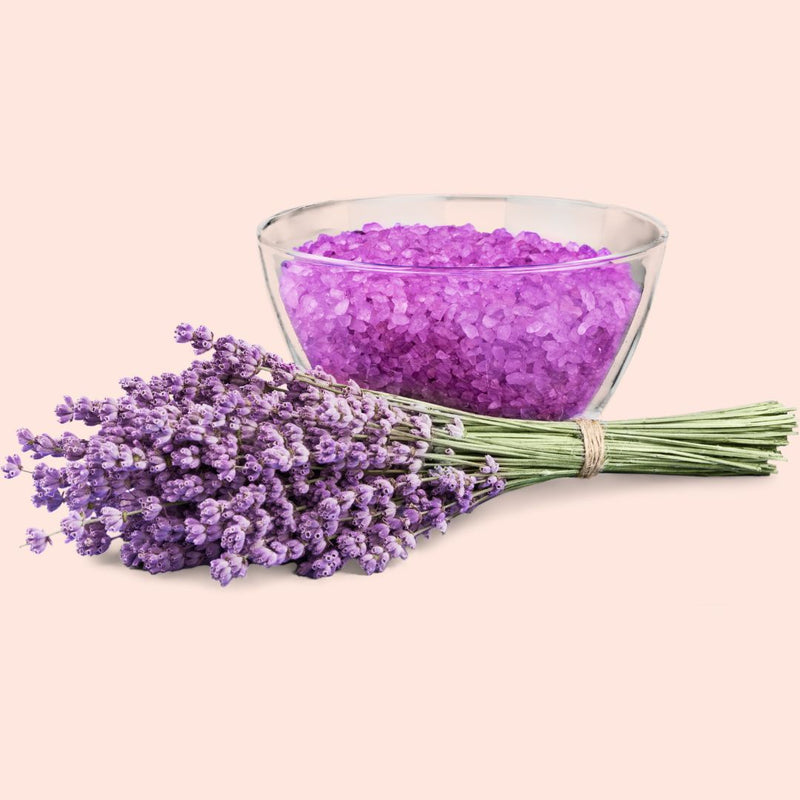
Lavender Essential Oil is one of the most popular aromatherapy oils for sleep because of its soft floral aroma and clean herbal undertones. It works well on its own in evening diffusion and is also easy to blend.

Cedarwood gives Lavender a warmer woody base, Frankincense adds resinous depth, while Sweet Orange introduces a lighter citrus note. Rather than expecting Lavender to make someone sleep, it is better used as part of a consistent evening aroma routine that creates a quieter bedroom atmosphere.
Aroma profile: Floral, soft and lightly herbal
Best for: Bedroom diffusion and evening aroma routines
Pairs well with: Cedarwood, Frankincense, Sweet Orange and Ylang Ylang
2. Cedarwood Essential Oil
Cedarwood Essential Oil has a dry, warm and distinctly woody fragrance. Cedarwood Essential Oil works particularly well at night when you want a deeper scent than floral or citrus oils provide.

Cedarwood is not sweet, making it suitable for neutral and unisex bedtime blends. Lavender + Cedarwood is one of the simplest bedtime combinations, while adding Frankincense can make the blend more resinous and grounded.
Aroma profile: Woody, dry and warm
Best for: Evening and bedroom blends
Pairs well with: Lavender, Frankincense, Sweet Orange and Sandalwood
3. Bergamot Essential Oil
Bergamot Essential Oil offers a soft citrus aroma with floral and slightly green notes. Compared with sharper citrus oils such as Lemon, Bergamot feels smoother and works well in evening aromatherapy.

Lavender softens it further, while Cedarwood or Frankincense can add depth. For topical use, check the specific product guidance because some expressed Bergamot oils can have phototoxicity considerations.
Aroma profile: Citrus, softly floral and fresh
Best for: Gentle evening and bedtime blends
Pairs well with: Lavender, Cedarwood, Frankincense and Geranium
4. Frankincense Essential Oil
Frankincense Essential Oil has a warm, resinous and lightly woody aroma. It works well in evening diffuser blends, meditation spaces and quieter nighttime routines.

Frankincense Essential Oil is particularly useful when a floral or citrus blend feels too light. Lavender and Cedarwood pair naturally with it, while Sweet Orange can brighten the overall fragrance.
Aroma profile: Resinous, warm and woody
Best for: Evening diffusion and quiet nighttime routines
Pairs well with: Lavender, Cedarwood, Sweet Orange and Sandalwood
5. Ylang Ylang Essential Oil
Ylang Ylang Essential Oil has a rich, sweet and strongly floral aroma. Because its scent is intense, it is usually better used as a smaller part of a blend.

Lavender can soften it, while Cedarwood or Frankincense can create a deeper base. It suits people who prefer fuller floral bedtime fragrances rather than woody or citrus-led aromas.
Aroma profile: Rich, sweet and floral
Best for: Floral evening blends
Pairs well with: Lavender, Frankincense, Cedarwood and Sweet Orange
6. Geranium Essential Oil
Geranium Essential Oil has a floral, green and slightly rosy scent. Geranium Essential Oil feels fresher than a heavy Rose-style fragrance and can work well in evening blends that need a floral note without becoming overly sweet.

Geranium pairs naturally with Lavender and Bergamot. Cedarwood can make the fragrance more grounded, while Sweet Orange adds brightness.
Aroma profile: Floral, green and lightly rosy
Best for: Balanced floral bedtime blends
Pairs well with: Lavender, Bergamot, Cedarwood and Sweet Orange
7. Chamomile Essential Oil
Chamomile Essential Oil offers a soft herbal-floral fragrance. Different types of Chamomile, including Roman and German Chamomile, are botanically distinct and can have noticeably different aroma profiles. Always confirm the exact botanical material you are using.

Chamomile Essential Oil works particularly well in gentle evening blends with Lavender or Cedarwood. Its softer character makes it useful when strong mint, eucalyptus or spice aromas feel unsuitable for the bedroom.
Aroma profile: Soft, herbal and floral
Best for: Gentle evening and bedroom blends
Pairs well with: Lavender, Cedarwood and Geranium
8. Sandalwood Essential Oil
Sandalwood Essential Oil has a smooth, warm and woody scent. Sandalwood Essential Oil's aroma is deeper and creamier than Cedarwood and can create a more luxurious evening fragrance.

Sandalwood combines especially well with Lavender, Frankincense and Ylang Ylang. A small amount can also add depth to lighter floral blends that otherwise feel too simple.
Aroma profile: Warm, smooth and woody
Best for: Evening and deeper bedroom blends
Pairs well with: Lavender, Frankincense, Ylang Ylang and Cedarwood
9. Sweet Orange Essential Oil
Sweet Orange Essential Oil has a bright but soft citrus aroma. Although citrus oils are often associated with daytime fragrance, Sweet Orange can work surprisingly well in bedtime blends.

Because Sweet Orange Essential Oil is generally warmer and sweeter than Lemon or Grapefruit. It pairs especially well with Lavender, Cedarwood and Frankincense and can prevent woody blends from feeling too heavy.
Aroma profile: Sweet, bright and citrusy
Best for: Light evening blends
Pairs well with: Lavender, Cedarwood and Frankincense
10. Clary Sage Essential Oil
Clary Sage Essential Oil has an herbal, slightly sweet and softly earthy aroma. It works well in nighttime blends where a more botanical fragrance is preferred.

Lavender and Cedarwood make natural pairings, while Bergamot can lighten the overall scent. Because Clary Sage has a distinct aroma, use it lightly in blends.
Aroma profile: Herbal, soft and slightly earthy
Best for: Herbal evening blends
Pairs well with: Lavender, Cedarwood and Bergamot
Lavender Essential Oil for Sleep: Why It Is So Popular
Lavender Essential Oil for sleep is one of the most searched topics in bedtime aromatherapy. Its popularity makes sense from an aroma perspective. Lavender sits between floral and herbal, so it is neither excessively sweet nor sharply botanical. That makes it easy to use in bedrooms and evening routines.
Simple combinations include:
Lavender + Cedarwood for a woody bedtime scent.
Lavender + Frankincense for something deeper and more resinous.
Lavender + Sweet Orange for a softer citrus-floral aroma.
Lavender is still a concentrated essential oil, so diffuser instructions and topical dilution guidance should always be followed.
Essential Oils for Sleep & Relaxation
People searching for essential oils for better sleep are often looking for softer aromas that suit a quieter nighttime environment.
For floral profiles, Lavender, Ylang Ylang, Geranium and Chamomile are useful choices.
For woody or resinous scents, Cedarwood, Sandalwood and Frankincense fit naturally into bedtime blends.
For something lighter, Bergamot or Sweet Orange can add gentle citrus notes without making the blend feel overly sharp.
The best choice is ultimately the aroma you personally find comfortable and pleasant.
Simple Sleep Essential Oil Blends
These combinations are intended for compatible diffusers. Adjust the total amount according to your device instructions.
Lavender & Cedarwood Bedtime Blend
Combine:
- Lavender Essential Oil
- Cedarwood Essential Oil
This is one of the simplest sleep essential oil blends, combining soft floral notes with a warm woody base.
Lavender, Frankincense & Sweet Orange Blend
Combine:
- Lavender Essential Oil
- Frankincense Essential Oil
- Sweet Orange Essential Oil
This creates a balanced fragrance with floral, resinous and light citrus notes.
Ylang Ylang & Lavender Blend
Combine:
- Ylang Ylang Essential Oil
- Lavender Essential Oil
This combination is more floral and works best when Ylang Ylang is used lightly so it does not overpower the blend.
How to Use Essential Oils Before Bed
Diffusion
A compatible diffuser is one of the easiest ways to include essential oils in a bedtime routine. Follow the manufacturer's guidance for water capacity and the recommended amount of oil. Continuous all-night diffusion is not automatically necessary; many people prefer using the diffuser for a limited period before bed.
Personal Aromatic Inhalation
Purpose-designed aroma inhalers can provide a localized fragrance experience without scenting the entire bedroom. Avoid applying concentrated essential oils directly inside the nose or near sensitive areas.
Topical Aromatic Use
Essential oils may be incorporated into properly diluted massage oils or body products using a suitable carrier oil. There is no universal dilution level suitable for every oil, so follow product-specific safety guidance. A topical carrier-oil blend should not be poured into a standard water-based diffuser.
Bedroom Diffuser Safety
- Keep the diffuser on a stable surface and away from bedding, electronics and open flames.
- Use only the amount recommended for the device. A small closed bedroom may require less fragrance than a large open room.
- Additional care may be needed when diffusing around children, pets, during pregnancy or around people with respiratory sensitivities.
- Store essential oils tightly closed and away from excessive heat and direct sunlight.
When Sleep Problems Need Medical Attention
Essential oils may be part of a relaxing bedtime routine, but they are not a treatment for insomnia, sleep apnea or other sleep disorders. Persistent sleep difficulty, loud snoring, choking or gasping during sleep, repeated nighttime waking or severe daytime sleepiness should be discussed with an appropriate healthcare professional. A bedtime aroma routine can complement good sleep habits, but it should not delay evaluation of an ongoing sleep problem.
Frequently Asked Questions
Q1. Which essential oil is best for sleep?
Ans: Lavender is one of the most commonly chosen oils for bedtime aromatherapy because of its soft floral-herbal aroma. Cedarwood, Frankincense, Bergamot and Ylang Ylang are also popular evening choices.
Q2. Is Lavender Essential Oil good for bedtime aromatherapy?
Ans: Lavender is widely used in bedtime aroma routines and blends well with Cedarwood, Frankincense and Sweet Orange.
Q3. What essential oils are good for sleep and relaxation?
Ans: Lavender, Cedarwood, Frankincense, Bergamot, Ylang Ylang, Chamomile and Sandalwood are commonly chosen for softer nighttime fragrances.
Q4. What is a good sleep essential oil blend?
Ans: Lavender + Cedarwood is a simple option. Lavender + Frankincense + Sweet Orange is another balanced blend.
Q5. Can I diffuse essential oils all night?
Ans: Continuous overnight diffusion is not automatically necessary. Follow the diffuser manufacturer's guidance and consider room size, ventilation and individual sensitivity.
Q6. Can essential oils treat insomnia?
Ans: No, Essential oils may be part of a relaxing bedtime routine, but they are not a treatment for insomnia or other sleep disorders.
Q7. Can essential oils be applied directly to the skin before bed?
Ans: Essential oils are concentrated and generally should not be applied undiluted. Use an appropriate carrier oil and follow product-specific guidance.
Conclusion
The best essential oils for sleep are those that fit comfortably into a relaxing bedtime aroma routine. Lavender remains one of the most popular choices, while Cedarwood, Sandalwood and Frankincense provide deeper woody or resinous notes. Bergamot and Sweet Orange add gentle citrus, while Ylang Ylang, Geranium and Chamomile create softer floral profiles.
Rather than treating essential oils as remedies for insomnia, use aromatherapy oils for sleep as part of a broader evening routine designed to create a calm bedroom environment. Choosing pleasant aromas, using them appropriately and maintaining realistic expectations creates a safer and more useful approach to bedtime aromatherapy.
Disclaimer
This article is for general educational and aromatic-use information only and is not medical advice or a treatment for insomnia or other sleep disorders. Essential oils vary in composition and recommended use. Follow product-specific safety guidance, dilute appropriately for topical applications and seek medical advice for persistent sleep problems.