
Epistaxis or nosebleeds are so frequent and may be caused by dry air, allergies, sinus infection, nose picking, or minor injuries. They are typically harmless and self-limiting in most of the cases, however, recurrent occurrences can be symptoms of either the lack of hydration in the body or irritation of the inside of the nose. Usually, natural remedies, such as essential oils, are employed in order to assist the nasal moisture and heal irritated tissues.
Some of the essential oils are also prized because they have astringent, anti-inflammatory and calming effects that can be used to cure mild bleeding and aid in healing when used safely and with care. Nevertheless, essential oils should not be used in concentrated form, applied directly into the nostrils. They should never be injected or swallowed, but should always be applied to the outside or in indirect methods of inhalation. Together with the right care, infused with first-aid techniques such as light pressure, bending over, and essential oils can be beneficial as a complement to care and support the comfort of the nose and well-being of the general respiratory system.
List of Top 10 Essential Oils For Nosebleed
Some of these Essential Oils are in the tradition of being astringent, soothing, and circulation-promoting. When used appropriately as a dilution, they possibly have an effect of soothing swollen nasal mucous membranes and aid in the limited control of minor bleeding. The ten recommended essential oils when dealing with the issue of a dry and irritated nosebleed include those below.
1. Cypress Essential Oil for Nosebleed
The Cypress Essential Oil is also known to possess good astringent qualities, and this can potentially result in constricting blood vessels and minor bleeding.

It has traditionally been used to aid in circulation, and it is commonly used in preparations that are meant to treat small cuts or capillary frailty. Cypress oil may be used to aid vascularity when applied externally around the nose (it should never be put into the nostrils). It is also soothing in its fresh, woody aroma and would therefore be beneficial in an incident of a nosebleed.
2. Helichrysum Essential Oil for Nosebleed
Helichrysum Oil has received a lot of appreciation due to its possible wound healing and skin supporting attributes. Helichrysum Essential Oil is usually incorporated in natural first-aid preparations due to its reputation for aiding the healing of tissues and reducing inflammation.

When used externally near an area of the skin that is irritated and diluted correctly, it can help in calming an irritated area and aid its healing after a small bleeding incident. It is also very relaxed and therefore is known to help with relaxation, as this can help slow stress related triggers that can cause nosebleeds.
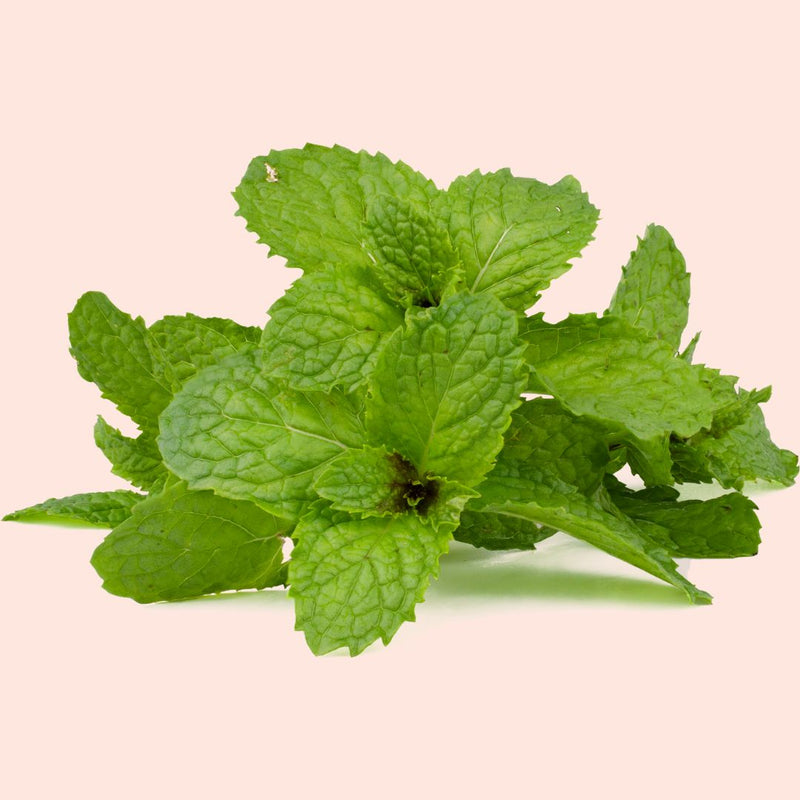
3. Peppermint Essential Oil for Nosebleed
Peppermint Essential Oil is cooling, and it may relieve congested nasal passages and sinus congestion. Even though not specifically employed to prevent bleeding.

It can help in enhancing the airflow and in alleviating congestion, which is also one of the causal factors of nasal irritation in some cases. Peppermint oil is always to be diluted and applied externally. It also has the calming effect of its refreshing aroma when used during a nosebleed. Should not be used on young children because of the high content of menthol.
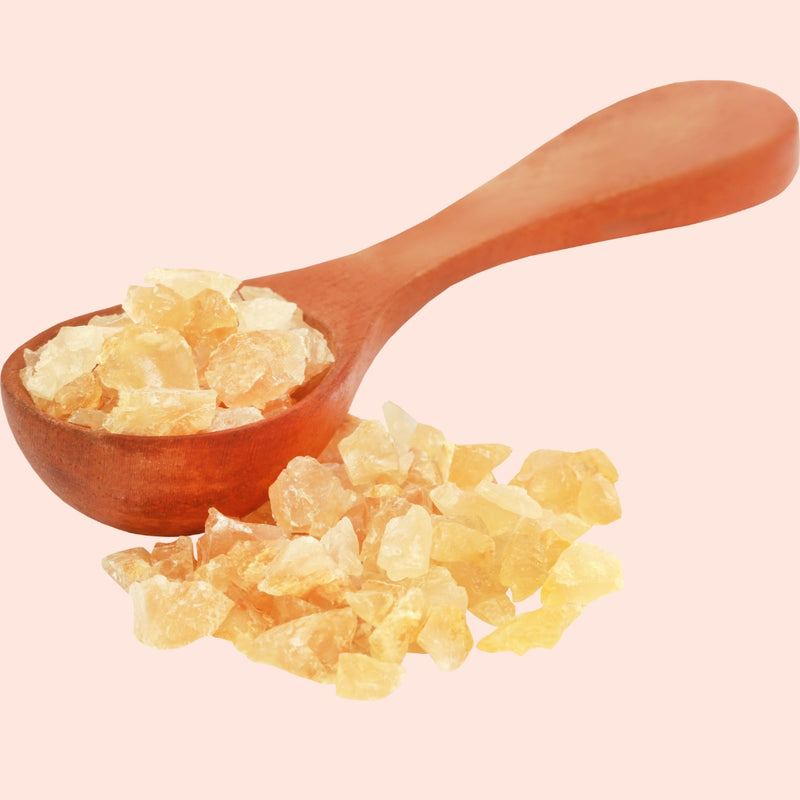
4. Frankincense Essential Oil for Nosebleed
The essential oil of Frankincense has been attributed with anti-inflammatory and calming effects. It can assist in calming irritated tissues and assist in natural healing.

Frankincense Essential Oil can be used to achieve a relaxing experience by being diluted and placed at the nose or diffused through the air as well, to help stimulate relaxation. Because minor bleeding can be aggravated by stress, indirectly, its grounding smell can be used to control the episode, as well as maintain the general comfort of the nose.
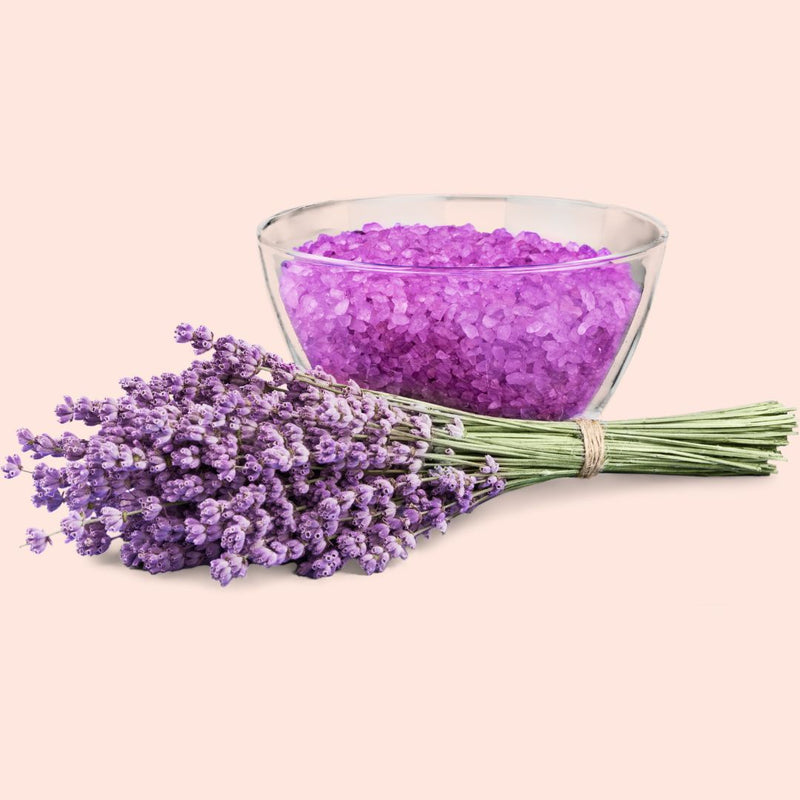
5. Lavender Essential Oil for Nosebleed
Lavender Essential Oil is mild and highly adaptable and is commonly applied for its calming and anti-inflammatory effects. Lavender Essential Oil can be useful in calming down aggravated skin and enhancing dryness around the nose.

When used in a dilution, lavender oil may be applied topically to promote skin healing. Its calming scent also relieves anxiety, and this would be useful in case the nosebleed is caused by stress or tension. When used appropriately Lavender is widely thought to be safe.
6. Lemon Essential Oil for Nosebleed
Lemon Essential Oil comprises natural substances with weak astringent and antioxidant functions. It can be used to make tender skin soft when diluted and applied to the outside.

Lemon oil is, however, potentially photosensitive, that is, it may make the skin sensitive to sunlight. When applied to the nose, do not expose them to the sun. The air can also be refreshed with its citrus smell, which can be used to maintain an impression of cleanliness and clearness.
7. Geranium Essential Oil for Nosebleed
The Geranium Essential Oil is a type of oil that is normally used to improve circulation and balance skin health. It has mild astringent qualities that can be used to tone tissues in case it is applied in a diluted form.

Geranium is used as an ingredient in formulations used to prevent small surface bleeding and enhance capillary strength. It also has a calming effect on the emotional state, as its flowers are known to alleviate stressful moments that may be a contributing factor to nosebleeds.
8. Rosemary Essential Oil for Nosebleed
Rosemary Essential Oil aids in circulation and can have an effect of alleviating sinus congestion. Diluted and applied around the sinus area, it could help bring comfort and lessen irritation of the nose.

Rosemary Essential Oil is also stimulating, and therefore it should be used sparingly and should not be applied to people with some health conditions, like high blood pressure. Its herbaceous smell may help in the fresh air and aid in clarity of breathing.
9. Jasmine Essential Oil for Nosebleed
Nobody speaks more about Jasmine Essential Oil for emotional support and relaxation. Although not a major one in stopping the bleeding.
Its calming effects can be utilized to reduce anxiety during an episode of a nosebleed. Jasmine oil can be diluted to be used as an external paste near the temples or diffused to produce a calming effect. Stress and tension reduction can be an indirect benefit to the body's healing process.
10. Eucalyptus Essential Oil for Nosebleed
Eucalyptus Essential Oil is usually applied to the respiratory system and sinuses. It can be used to open airways and decongest nasal passages to help prevent nasal dryness.

Eucalyptus may be very beneficial when diffused, allowing an individual to breathe with ease. Never, however, should it be inoculated into the nostrils. It should be diluted properly and applied externally, and should not be done in very small children.
Essential Oil Recipe for Nosebleeds
This is a blend of essential oils that helps in calmness and tranquillity when there is a slight nosebleed. It is aimed at more relaxing and calming effects, not direct application to the internal. Always use the essential oils with the correct first aid (including the application of gentle pressure and bending over).
Ingredients:
- 1 tablespoon Sweet Almond Oil
- 2 Drops of Cypress Essential Oil
- 2 Drops of Lavender Essential Oil
- 1 Drop Helichrysum Essential Oil
- Optional: a few Drops of Citrus rugae
- Clean mixing glass bottle
Directions:
- In a clean glass bottle, combine the carrier oil with the essential oils.
- Close the bottle and shake gently to blend.
- During a nosebleed, apply a small amount of the diluted blend to the bridge of the nose and around the sinus area, avoiding direct contact with the inside of the nostrils.
- Inhale gently or diffuse separately for added calming benefits.
Frequently Asked Questions
Nosebleeds can be unsettling, and many people look for natural remedies to complement basic first-aid care. Essential oils are often discussed for their soothing and supportive properties. Below are common questions regarding their use and effectiveness.
Q1. What essential oils are good for nosebleeds?
Ans: Essential oils like cypress, helichrysum, lavender, and geranium are often recommended for their astringent and soothing properties. These oils may support minor bleeding control and tissue healing when properly diluted and applied externally. Always use with caution and follow safe dilution guidelines.
Q2. How can I treat a nosebleed naturally?
Ans: To treat a nosebleed naturally, sit upright and lean slightly forward. Pinch the soft part of the nose for about 10 minutes without releasing pressure. Apply a cold compress to the bridge of the nose. Keep the nasal passages moist using a humidifier or saline spray. Essential oils may be used externally for supportive care.
Q3. What essential oil can stop bleeding?
Ans: Cypress and helichrysum essential oils are traditionally associated with supporting minor bleeding control due to their astringent and skin-repairing properties. However, essential oils should not replace medical care. For severe or persistent bleeding, seek professional medical attention immediately.
Conclusion
Essential oils may provide supportive care for minor nosebleeds by soothing irritation and promoting relaxation. When used safely and properly diluted, oils like cypress, lavender, and helichrysum can complement traditional first-aid measures. However, persistent or heavy nosebleeds require medical evaluation to ensure proper treatment and safety.
DISCLAIMER
This content is for informational purposes only and is not a substitute for professional medical advice, diagnosis, or treatment. Always consult a healthcare provider before using essential oils for any health condition.