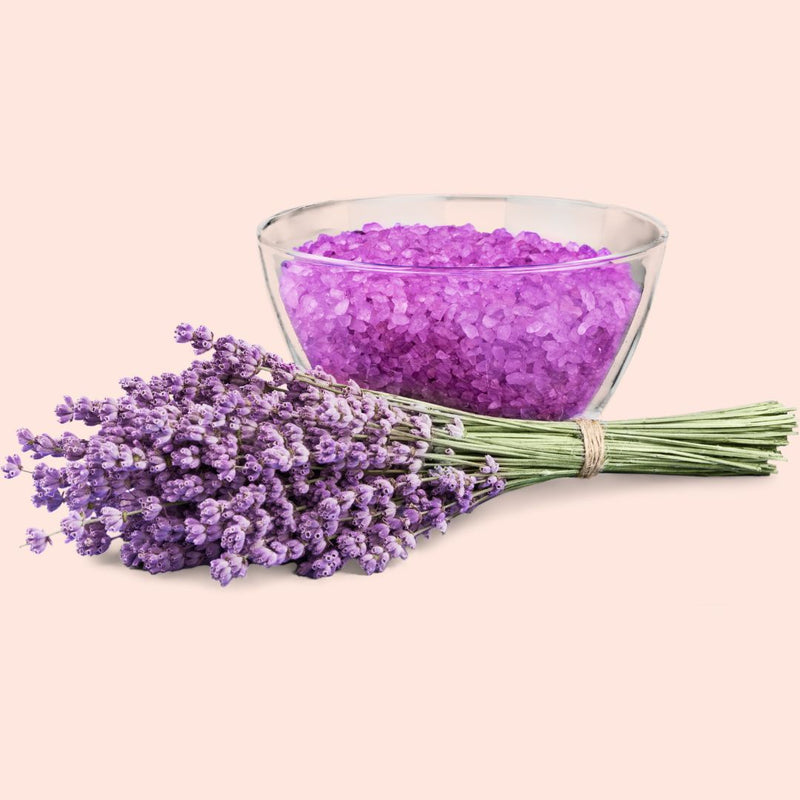

Essential oils are also being used as ingredients of homemade and natural hand soaps because they form a fresh fragrance and offer to assist in cleaning. Essential oils use of the natural nature since they are processed out of plants and flowers, herbs, and fruits, unlike synthetic fragrances, which make your hand soap smell more natural. Correctly and safely inserted, they might provide some pleasant sensory experience to your daily handwashing routine, health, and hygiene.
Hand washing is one of the most significant habits for maintaining personal hygiene and preventing the spread of germs. Since you can add essential oils to your liquid / foaming hand soap, you can change a dull routine into a refreshing self-care practice. However, proper dilution and safe and effective usage of any oil must be known, and be familiar with the properties of that oil.
List of Top 10 Essential Oils For Hand Soap
The choice of the necessary oils that should be incorporated in the hand soap will be based on individual preferences as well as the effects required. Some of the oils are healing, and there are those that are known to be soothing or have a cheerful scent. These are the top ten natural essential oils that will be utilized in the preparation of natural hand soaps.
1. Basil Essential Oil
Basil Essential Oil is herbaceous in aroma and fresh, giving a clean and refreshing scent to the hand soap. It consists of natural ingredients that can be used to retain cleansing and freshening aspects. Small amounts of Basil oil to help to create a stimulating handwashing experience should be applied, especially in the mornings.

It will go great with the citrus oils like lemon or orange. Dilution should be done right since basil oil could be very strong, and therefore could irritate when applied excessively.
2. Tea Tree Essential Oil
The Tea Tree Essential Oil has a renowned reputation for cleansing and purifying in a way. It is one of the hygienic-oriented items that are most consumed, which are essential oils. Tea tree oil may be incorporated into the hand soap to help in cleaning it thoroughly, leaving behind a scent that is medicinal and fresh.

It can be mixed with the lavender or eucalyptus oils to soften its bitter scent. A soap base is also powerful, and a few drops can be applied without irritation of the skin.
3. Eucalyptus Essential Oil
Eucalyptus Essential Oil presents the estranged coolness and somewhat camphoraceous scent that is a fast refresher to the nostrils. It is also commonly used to clean things because it is a stimulating scent mix.

Eucalyptus oil has been applied to a hand soap to show the effect of a spa in the washing process, as well as to help in freshness. It could be combined with tea tree or peppermint oils. Their use should be done with care and caution to prevent overload, especially by people with sensitive skin.
4. Lavender Essential Oil
Lavender Essential Oil is appreciated because of its sedative and smooth smell. It also turns out to be among the safest and most helpful essential oils in skin care products. The soothing agent of the lavender oil is to be used in hand-washing soap and to balance the more vigorously scented oils like tea tree or eucalyptus.

When it is weakened and applied on a regular basis, it may be applied on a regular basis, and it can be an amusing instead of a useful activity of handwashing.
5. Lemon Essential Oil
The smell of Lemon Essential Oil is light and has a citrusy smell that brightens the mood at once. It has a pleasant smell, and hence it is commonly associated with the aspect of cleanliness, which is the reason why it is most appropriate to use it as hand soap. The herbal and the floral oils can be mixed with lemon oil and brought out to a healthy smell.

It is, however, photosensitive and therefore the exposed skin after use may turn out to be more sensitive. Dilution will then be appropriately performed to ensure that it is not harmful to use on a daily basis.
6. Peppermint Essential Oil
The Peppermint Essential Oil will be used to give hand soap a cool, minty touch and a fresh smell. It can convert washing hands into a cool experience, especially during the hot weather.

Peppermint oil is used together with either eucalyptus or lemon to create a refreshing effect. It is also cooling, and therefore, minimal quantities are to be taken to avoid irritation of the skin. Those with very sensitive skin have to dilute it.
7. Orange Essential Oil
Smell of Orange Essential Oil- The odor of the oil is sweet and friendly, and it is a citrus-like scent that will perfume the design of hand soap. It also does not smell as strongly as lemon, and at times feels warmer and warmer.

Lavender, basil, or rosemary oils are not bad companions of orange essential oil. The use of it also requires it to be sparing, like any other citrus oil, and it should not be stored in direct sunlight to retain its quality.
8. Rosemary Essential Oil
The Rosemary Essential Oil is highly herbaceous, and it produces the impression of brightness and clarity. The hand soap is infused with rosemary oil to give it an invigorating smell.

It goes well with citrus and mint oils to render it stimulating. Rosemary oil is highly concentrated, and therefore, it should be weighed carefully and made certain that it is lightweight enough so that it can be applied in the daily washing of hands.
9. Geranium Essential Oil
Geranium essential oil has a highly sophisticated yet somewhat sweet scent, which helps to add the taste of elegance to hand soaps. It helps stabilize smarter medicinal or herbal oils and provides a refreshing smell that is to be used on a daily basis.

Geranium oil combines with the lavender and citrus oils. It must be diluted to prevent being sensitive or irritating, just like any other essential oils.
10. Thyme Essential Oil
Thyme Essential Oil is a strong, herbaceous oil that is associated with strong cleansing properties. The thyme oil, when put in very small quantities, adds purifying properties to the hand soap. It combines with lemon oil and rosemary oil. Thyme is, however, very strong and will irritate the skin when used in excess, and therefore it should be added at a low dilution rate that is appropriate in wash-off products.
DIY Essential Oil Recipe For Hand Soap
Making your own necessary oil hand soap gives you the ability to manage fragrance and ingredients. It is a straightforward recipe that is best used with liquid hand soap, but the essential oil mix can also be customized to the preferences of the user. Proper dilution is always high to enable safe usage.
Ingredients
- 1 Cup of the unscented liquid castile soap
- 1-3 Tablespoon of glycerin in its vegetable form (not compulsory, only adds creaminess to the product)
- 10-15 Drops of preferred choice essential oils
- 1 Tablespoon Oil of Carrier Oil
- Distilled water (In case of thinning is to be made)
- A clean pump bottle, or a foaming soap dispenser
Directions
- Add castile soap liquid into a clean mixing bowl.
- Also, add vegetable glycerin and carrier oil of choice, and gently mix.
- Pour up 10-15 drops of your essential oil of choice.
- Blend gently in order not to form too much foam. Should the soap be too thick, add a small portion of distilled water to bring about consistency.
- When the mix is finished, pour it into a pump bottle that is sanitized. Not only should it be gently shaken before use, but it should also to ensure that essential oils are well distributed.
Frequently Asked Questions
The question many people are asking is how to make hand soaps safe and effective using the essential oils. Knowledge of the correct dilution, frequency of use, and time of use should be observed to serve the interests of safety and hygiene. The following are the responses to some of the frequently asked questions.
Q1: Is it possible to add some essential oils to hand soap?
Ans: Yes, it is possible to add essential oils to unscented liquid hand soap to make it fragranced and give it some extra cleansing value. They should, however, be well diluted so as not to irritate. The amount of liquid soap used is normally 10-15 drops per cup. Always blend well and carry out a patch test, then continue to use it on a regular basis.
Q2: And when to put the essential oils in the soap?
Ans: The essential oils are to be added to the prepared and room-temperature soap base. When incorporated in very hot mixtures, they are said to diminish their aromatic strength. Essential oils are normally added in at the last moment to the liquid hand soap recipes before transferring the soap to the final container.
Q3: What is the frequency of washing my hands with essential oil hand soap?
Ans: You can clean your hands as often as possible using essential oil hand soap that has been diluted appropriately. Washing of hands should be done prior to meals, after using the restrooms, and after touching open surfaces. In case you feel dry, then consider applying moisturizer lotion after that to keep the skin moist.
Conclusion
Ordinary hand soap can be turned into a pleasant product with a fresh and perfumed smell because of the essential oils. By the right choice of oils and ideal dilution, it is possible to attain a personalized experience of handwashing that can assist in hygiene and sensory pleasure. Essential oil hand soap can also be applied with great profit and delight, with awareness and precaution, and make an effective and good practice.
DISCLAIMER
This content is for informational purposes only and is not a substitute for professional medical advice, diagnosis, or treatment. Always consult a healthcare provider before using essential oils for any health condition.