
Body odor is a normal part of everyday life, especially during hot weather, exercise, travel, long workdays, or any situation that increases sweating. Sweat itself is usually not the main cause of the smell. Body odor develops when microorganisms naturally present on the skin interact with sweat and other secretions, particularly in warm, moist areas such as the underarms.
Essential oils are often included in natural deodorant and personal-care blends because they offer fresh, herbal, floral, citrus, or woody aromas. Some essential oils have also shown antimicrobial activity under laboratory conditions, although this does not mean they should be treated as guaranteed cures for body odor or substitutes for properly formulated deodorants and antiperspirants. The best essential oils for body odor are therefore those that provide a pleasant fragrance, work well in appropriately diluted topical blends, and suit the intended area of use. Below are 10 popular options, along with practical guidance for underarm odor, natural deodorant blends, and safe topical use.
What Causes Body Odor?
Body odor develops when microorganisms on the skin break down components of sweat and skin secretions into compounds with a noticeable smell. The underarms are particularly prone to odor because they are warm, moist, and rich in sweat glands. Body odor can vary depending on physical activity, climate, clothing, personal hygiene, diet, stress, medications, and individual body chemistry. Some people naturally produce stronger-smelling sweat than others.
List of Top 10 Essential Oils for Body Odor
Different Essential Oils create very different fragrance profiles. Some smell clean and herbal, while others are floral, citrusy, minty, or earthy. The following oils are commonly used in natural personal-care and deodorant-style formulations.
1. Tea Tree Essential Oil for Body Odor
Tea Tree Essential Oil has a strong herbal and slightly medicinal aroma that fits naturally into fresh, clean-smelling deodorant blends. Tea Tree has demonstrated antimicrobial activity in laboratory studies, which is one reason it is widely used in personal-care formulations.

However, underarm skin can be sensitive, so Tea Tree should be properly diluted before topical use rather than applied directly. Its aroma blends particularly well with Lavender, Rosemary, Eucalyptus, and Lemongrass.
Best for: Herbal deodorant blends and fresh underarm formulations.
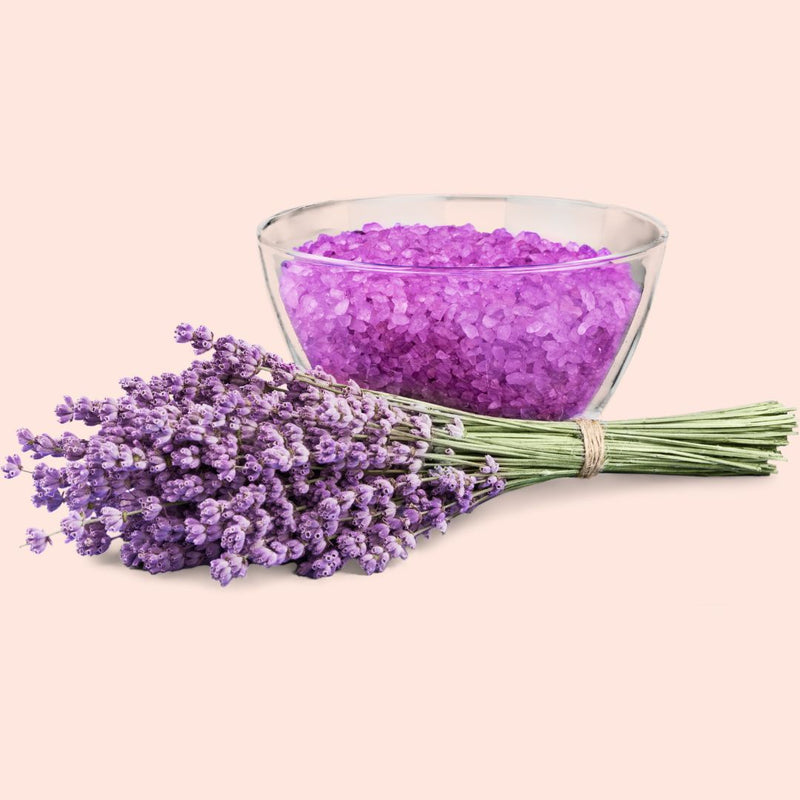
2. Lavender Essential Oil for Body Odor
Lavender Essential Oil has a soft floral-herbal aroma that gives deodorant blends a gentler, more balanced fragrance. Lavender Essential Oil works well when Tea Tree, Rosemary, or Eucalyptus feels too sharp on its own.

Lavender can also be combined with Geranium for a softer floral profile or with Lemon for a fresher citrus-floral scent. Although Lavender is often described as gentle, it is still a concentrated essential oil and should be appropriately diluted before application to underarm skin.
Best for: Soft floral deodorant blends and everyday body-care formulas.
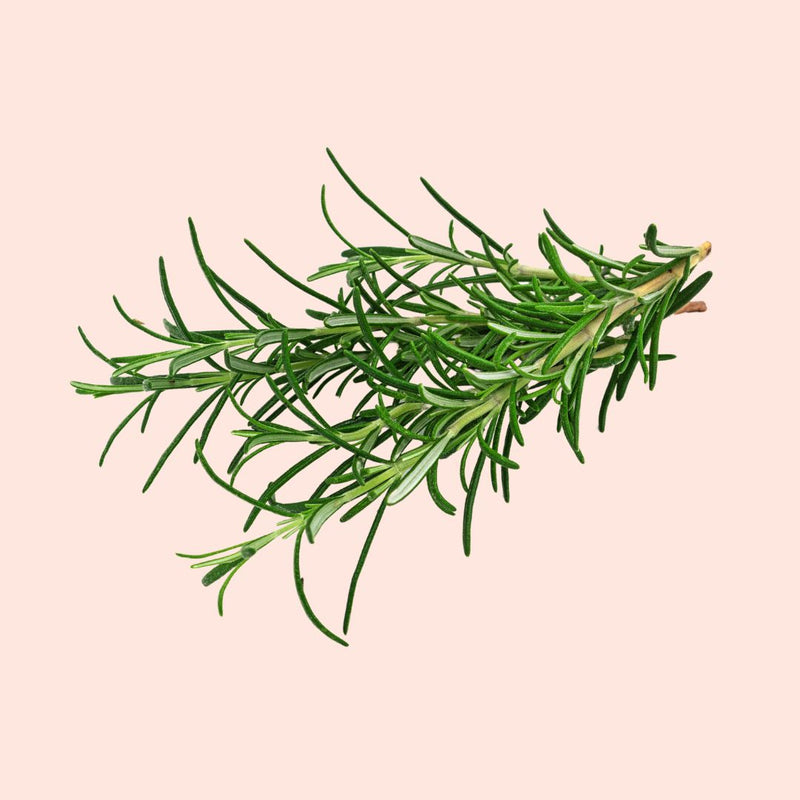
3. Rosemary Essential Oil for Body Odor
Rosemary Essential Oil has a crisp, green, herbal aroma that works well in deodorant and body-care blends. Its fresh scent pairs naturally with Tea Tree, Lavender, Lemon, and Eucalyptus.

Rosemary Essential Oil is especially useful when you want a deodorant fragrance that smells clean and botanical without becoming too sweet or floral. A small amount is often enough because its herbal character can become strong in more concentrated blends.
Best for: Fresh herbal deodorant blends.
4. Geranium Essential Oil for Body Odor
Geranium Essential Oil has a floral-green aroma with soft rosy notes. Geranium Essential Oil can make a homemade or natural deodorant blend smell more polished and less medicinal.

It combines especially well with Lavender, Bergamot, Tea Tree, and Vetiver. Geranium can also help balance sharper herbal oils when a smoother, more wearable fragrance is preferred. For underarm use, it should still be diluted appropriately and patch tested like any other essential oil.
Best for: Floral-green deodorant blends and balanced personal-care fragrances.
5. Vetiver Essential Oil for Body Odor
Vetiver Essential Oil has a deep, earthy, woody aroma with a slightly smoky character. It is especially useful in deodorant blends intended to have a grounded or unisex fragrance profile.

Vetiver is powerful and tends to linger, so only a small amount is usually needed. It blends particularly well with Bergamot, Lavender, Geranium, and Lemon. Its deeper aroma also makes it useful as a base note when brighter oils need more warmth and depth.
Best for: Earthy, woody, and unisex deodorant blends.
6. Lemongrass Essential Oil for Body Odor
Lemongrass Essential Oil has a sharp citrus-herbal aroma that creates an immediately fresh-smelling blend. It works particularly well with Tea Tree, Lavender, Eucalyptus, and Rosemary.

Because Lemongrass Essential Oil is a strong oil, underarm application requires careful dilution and attention to skin sensitivity. Its bold aroma suits people who prefer a clean, zesty fragrance rather than a soft floral scent.
Best for: Fresh citrus-herbal deodorant blends.
7. Bergamot Essential Oil for Body Odor
Bergamot Essential Oil has a bright citrus aroma with soft floral undertones. It is useful for creating deodorant blends that smell fresh without becoming overly sharp. Bergamot blends beautifully with Lavender, Geranium, Vetiver, and Rosemary.

It can also soften stronger oils such as Tea Tree. When Bergamot is used topically, follow the guidance for the exact product because phototoxicity considerations can vary according to the type and processing of the oil.
Best for: Fresh citrus-floral deodorant blends.
8. Eucalyptus Essential Oil for Body Odor
Eucalyptus Essential Oil has a crisp, camphoraceous aroma that gives body-care products a strong feeling of freshness. Eucalyptus Essential Oil pairs naturally with Tea Tree, Rosemary, Lemon, and Peppermint.

Because Eucalyptus has an intense scent, it is often more pleasant when used as part of a blend rather than as the dominant note. Its role in a body-odor routine should be viewed mainly as aromatic rather than as a guaranteed treatment for odor.
Best for: Crisp herbal deodorant blends.
9. Peppermint Essential Oil for Body Odor
Peppermint Essential Oil has a cool, powerful mint aroma that can make deodorant blends smell very fresh. It works particularly well with Tea Tree, Rosemary, and Eucalyptus.

However, Peppermint Essential Oil can feel intense on sensitive skin, so conservative use and appropriate dilution are especially important. Avoid using it immediately after shaving or on irritated underarms, where the cooling sensation may become uncomfortable.
Best for: Mint-forward deodorant blends.
10. Lemon Essential Oil for Body Odor
Lemon Essential Oil brings a bright, clean citrus aroma to natural deodorant blends and body-care oils. It pairs well with Tea Tree, Rosemary, Lavender, and Eucalyptus and can help make heavier herbal blends smell lighter and fresher.

As with other citrus oils, topical-use guidance depends on the exact product and extraction method. Always follow the supplier’s recommendations rather than assuming every Lemon Essential Oil behaves identically.
Best for: Bright citrus deodorant blends.
Essential Oils for Underarm & Armpit Odor
The underarms are one of the most common areas where body odor develops, but the skin there can also be sensitive because of shaving, friction, perspiration, and frequent product use. For underarm odor or armpit odor, Tea Tree, Lavender, Rosemary, Geranium, and Vetiver can be used in properly diluted deodorant-style blends according to product guidance.
Essential oils should not be applied neat to the armpits. Avoid use on broken, irritated, or freshly shaved skin, and discontinue use if burning, persistent redness, or discomfort develops. A patch test is particularly useful when trying a new essential oil or blend for the first time.
Best Essential Oils for Natural Deodorant Blends
A natural deodorant blend does not need to contain many different oils to smell effective. Simple combinations are often easier to balance and more pleasant for daily use.
Tea Tree provides a clean herbal base, Lavender softens the fragrance, Rosemary adds freshness, Geranium contributes floral notes, and Vetiver gives the blend a deeper woody character.
Useful combinations include:
Fresh Herbal: Tea Tree + Rosemary
Soft Floral: Lavender + Geranium
Earthy Fresh: Vetiver + Bergamot
Clean Citrus: Tea Tree + Lemon
Balanced Herbal: Rosemary + Lavender
The purpose of these combinations is primarily to create a pleasant deodorant fragrance. Appropriate dilution and skin compatibility remain more important than using a large number of oils.
How to Use Essential Oils for Body Odor
Essential oils can be incorporated into a body-odor routine in several ways.
One simple option is to dilute a suitable essential oil or blend in a carrier oil such as Jojoba Oil or Fractionated Coconut Oil and apply a very small amount to clean, intact underarm skin. Essential oils can also be used as fragrance components in professionally formulated deodorant creams, balms, or roll-ons where the complete formula has been designed specifically for underarm use.
For general body fragrance, a properly diluted body-oil blend can be applied to suitable areas such as the arms, shoulders, or chest according to product guidance. Avoid using undiluted essential oils directly on the skin. Higher concentrations do not automatically provide better odor control and may increase the risk of irritation.
It is also important to understand the difference between deodorant and antiperspirant. Deodorants primarily help manage or mask body odor, while antiperspirants contain specific active ingredients designed to reduce sweating. Essential oils may contribute fragrance to deodorant-style formulations, but they are not antiperspirant active ingredients and should not be expected to stop perspiration.
Simple Essential Oil Deodorant Blend
A simple oil-based blend can provide a fresh aroma without requiring a complicated homemade deodorant formula.
Ingredients:
- 1 Tablespoon Jojoba Oil
- 2 Drops of Tea Tree Essential Oil
- 1 Drop of Lavender Essential Oil
- 1 Drop of Rosemary Essential Oil
Directions:
- Add the carrier oil to a clean, dry glass bottle.
- Add the essential oils and mix gently.
- Patch test the blend before regular use.
- Apply only a small amount to clean, intact underarm skin.
- Avoid using it immediately after shaving or on irritated skin.
- Keep the bottle tightly closed and store away from heat and direct sunlight.
This is a simple cosmetic aroma blend rather than an antiperspirant. Product-specific topical guidance should always take priority over generic recipes.
Frequently Asked Questions
Q1. Which essential oils are best for body odor?
Ans: Tea Tree, Lavender, Rosemary, Geranium, Vetiver, Lemongrass, Bergamot, Eucalyptus, Peppermint, and Lemon are commonly used in body-care and natural deodorant blends. The best choice depends on fragrance preference and skin tolerance.
Q2. Is Tea Tree Oil good for underarm odor?
Ans: Tea Tree Essential Oil is widely used in natural deodorant-style formulations and has demonstrated antimicrobial activity in laboratory settings. For underarm use, it should be properly diluted and patch tested before regular application.
Q3. Can essential oils stop sweating?
Ans: No, Essential oils are not antiperspirant active ingredients and should not be expected to stop sweat production.
Q4. Can essential oils be applied directly to the armpits?
Ans: Generally, essential oils should be diluted before topical use. The underarms are a sensitive area, so neat application is not recommended.
Q5. Can essential oils replace deodorant?
Ans: Essential oils can be used as fragrance ingredients in natural deodorant-style blends, but they are not automatically equivalent to a properly formulated deodorant or antiperspirant.
Q6. How should I use essential oils for body odor?
Ans: Use appropriately diluted essential oils in a suitable carrier oil or as part of a properly formulated deodorant product. Always follow the topical guidance for the individual essential oil.
Q7. Can I use essential oils after shaving my underarms?
Ans: It is better to avoid applying essential oils immediately after shaving because freshly shaved skin may be more sensitive and prone to irritation.
Conclusion
The best essential oils for body odor are those that add a pleasant fragrance while fitting safely into a properly diluted personal-care routine. Tea Tree, Lavender, Rosemary, Geranium, and Vetiver work especially well in natural deodorant blends, while Lemongrass, Bergamot, Eucalyptus, Peppermint, and Lemon offer additional fresh aroma options.
Essential oils can complement a body-odor routine, but they should not be treated as guaranteed cures for odor or as substitutes for antiperspirant active ingredients. Proper dilution, patch testing, realistic expectations, and careful underarm use are essential for responsible application.
Disclaimer
This article is for general cosmetic and educational information only. Essential oils are not treatments for excessive sweating, infections, or medical causes of persistent body odor. Stop use if irritation occurs and seek professional advice for sudden or unexplained changes in body odor.