
Air purifiers are designed to improve indoor air by moving air through filters or other cleaning systems, depending on the device. Essential oils can add a pleasant aroma to that experience, but they should not be confused with the purifier’s actual filtration function. If an air purifier includes an aroma pad, fragrance tray or essential-oil-compatible compartment, certain oils can be used to give the room a fresher scent.a
The best essential oils for air purifier use are therefore chosen mainly for aroma profile, room suitability and device compatibility. Lavender creates a softer bedroom atmosphere, Lemon and Orange add a bright citrus note, Eucalyptus feels crisp and spa-like, while Frankincense and Cinnamon provide deeper, warmer aromas. This guide covers 10 popular oils, how to use them with compatible devices, whether essential oils can really purify the air, and how air purifiers differ from air revitalizers and diffusers.
Can You Put Essential Oils in an Air Purifier?
You can use essential oils with an air purifier only when the manufacturer specifically says the device supports them. Some models include a dedicated aroma pad, fragrance sponge, oil tray or separate essential-oil compartment.
Do not pour essential oils directly onto a HEPA filter, carbon filter, fan, electrical component or water reservoir unless the product manual explicitly tells you to do so. Oils can coat filter media, damage materials or interfere with the machine. If your purifier has no aroma feature, use a separate diffuser instead of modifying the appliance. Device compatibility should always come before fragrance preference.
List of Top 10 Essential Oils for Air Purifier
Different Essential Oils create very different indoor aromas. Some are floral and soft, while others are citrusy, herbal, woody or spicy. The following oils are useful choices for an aroma-compatible air purifier when the goal is to freshen the room rather than claim that the oil itself performs the air-cleaning work.
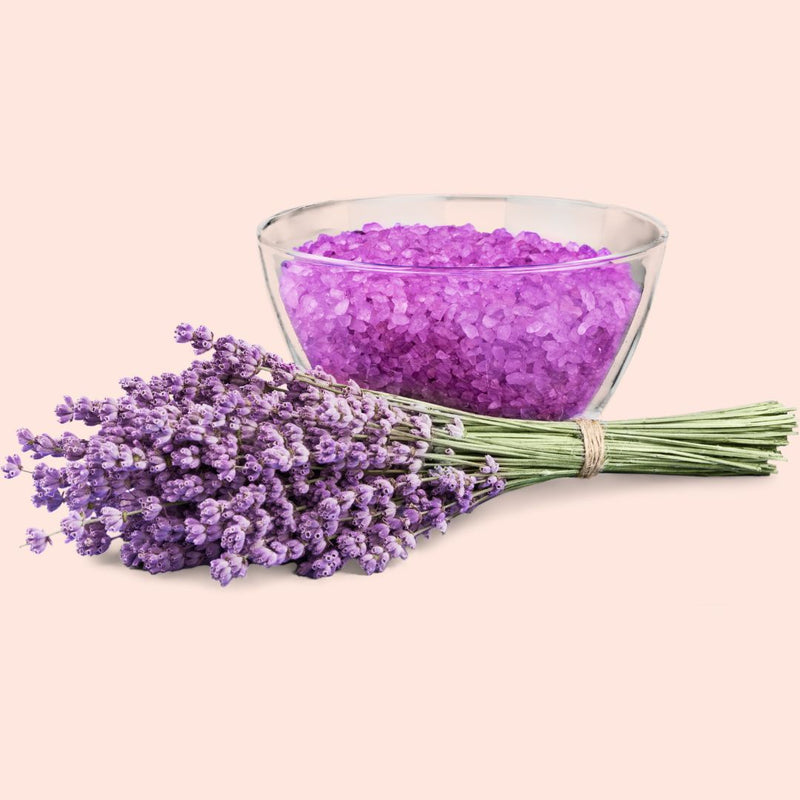
1. Lavender Essential Oil for Air Purifier
Lavender Essential Oil has a soft floral-herbal aroma that works well in bedrooms, reading areas and other spaces where a gentle fragrance is preferred. Its familiar scent blends easily with Lemon, Frankincense and Orange.

For an air purifier with a dedicated aroma pad, Lavender can be used alone or in a simple blend. Its role here is primarily aromatic; it does not replace the purifier’s filter or remove airborne particles by itself.
Best for: Bedrooms and soft floral room fragrance.
2. Lemon Essential Oil for Air Purifier
Lemon Essential Oil has a bright citrus aroma that can make kitchens, workspaces and living areas smell fresher. Lemon Essential Oil blends well with Lavender, Peppermint, Eucalyptus and Rosemary.

In an aroma-compatible purifier, use it only in the compartment designed for fragrance. Lemon should not be treated as a substitute for ventilation, filtration or odor-source removal.
Best for: Kitchens, offices and fresh citrus blends.
3. Vanilla Essential Oil for Air Purifier
Vanilla Essential Oil creates a warm, sweet and comforting aroma. It suits living rooms, bedrooms and evening settings where a softer fragrance is preferred over sharper citrus or herbal scents.

Vanilla Essential Oil combines especially well with Orange, Lavender, Cinnamon and Frankincense. Because its aroma is rich, start with a small amount and increase only if the device guidance allows it.
Best for: Cozy rooms and sweet aromatic blends.
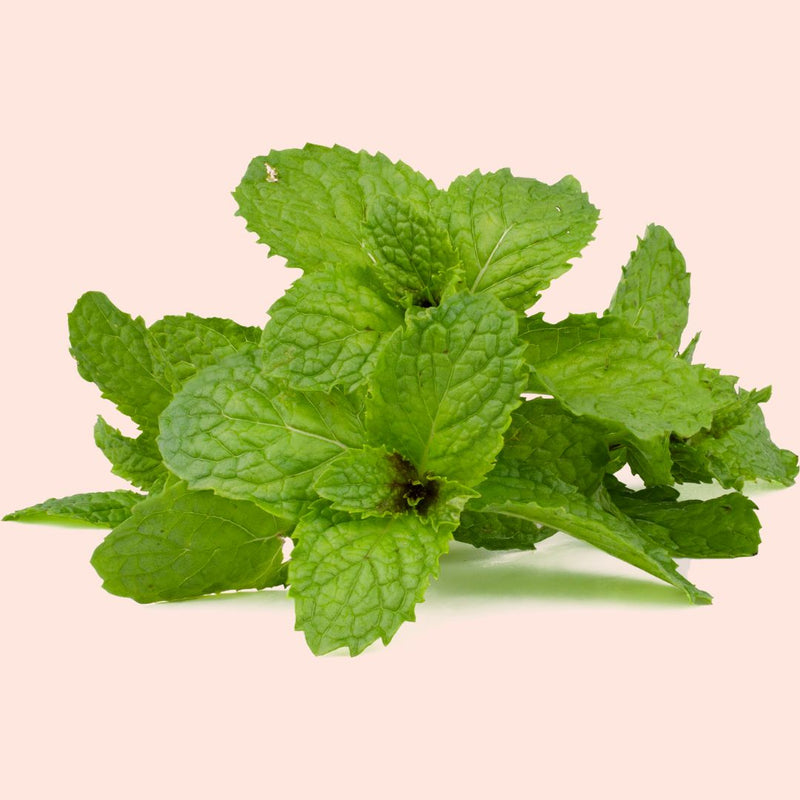
4. Peppermint Essential Oil for Air Purifier
Peppermint Essential Oil has a cool, crisp mint aroma that can make workspaces and study rooms feel fresher. It pairs well with Lemon, Eucalyptus, Rosemary and Lavender.

Because the scent is strong, only a small amount may be needed. Peppermint should not be described as removing allergens or treating respiratory problems when used with an air purifier.
Best for: Offices, study spaces and mint-forward blends.
5. Eucalyptus Essential Oil for Air Purifier
Eucalyptus Essential Oil has a sharp, camphoraceous aroma often associated with spa-like freshness. It works well in bathrooms, living areas and offices.

Eucalyptus Essential Oil blends naturally with Lemon, Peppermint, Rosemary and Tea Tree. When used in an essential-oil-compatible purifier, Eucalyptus adds fragrance without changing how the machine filters particles.
Best for: Spa-like spaces and crisp herbal fragrance.
6. Tea Tree Essential Oil for Air Purifier
Tea Tree Essential Oil has a fresh, medicinal-herbal aroma. Some people prefer it in bathrooms or utility spaces where a sharper botanical scent works well.

Tea Tree blends with Lemon, Eucalyptus and Lavender. It should not be presented as a replacement for mold remediation, filtration or sanitation; use it for aroma only in a device designed to accept essential oils.
Best for: Herbal blends and sharper botanical aromas.
7. Orange Essential Oil for Air Purifier
Orange Essential Oil has a sweet, cheerful citrus fragrance that suits living rooms, entryways and daytime spaces. Orange Essential Oil is softer than Lemon and pairs especially well with Vanilla, Lavender, Cinnamon and Frankincense.

Use it alone or with one complementary oil in an aroma-compatible purifier. Orange scents the room but does not perform the purifier’s filtration function.
Best for: Living rooms and warm citrus fragrance.
8. Rosemary Essential Oil for Air Purifier
Rosemary Essential Oil has a crisp, green herbal aroma that works well in offices, study areas and daytime rooms. It pairs naturally with Lemon, Peppermint and Eucalyptus.

Use Rosemary only in the manufacturer-approved aroma compartment and keep the fragrance level comfortable, particularly in smaller rooms.
Best for: Workspaces and herbal aroma blends.
9. Frankincense Essential Oil for Air Purifier
Frankincense Essential Oil has a resinous, woody and slightly balsamic aroma. It is a good choice for bedrooms, meditation spaces and evening use.

Frankincense Essential Oil blends well with Lavender, Orange and Vanilla and can make an aroma blend feel warmer and more grounded. Frankincense is a fragrance choice, not an indoor-air treatment.
Best for: Evening use and warm resinous blends.
10. Cinnamon Essential Oil for Air Purifier
Cinnamon Essential Oil has a warm, spicy aroma that works especially well during cooler months. Because the scent is powerful, it is best used sparingly and paired with softer oils such as Orange or Vanilla.

Strong spicy oils may feel irritating to some people, so start with a small amount and stop use if the aroma becomes uncomfortable.
Best for: Cooler weather and warm spice blends.
How to Use Essential Oils With a Compatible Air Purifier
Check the device manual first. If the purifier includes an aroma pad, fragrance sponge, tray or essential-oil compartment, follow the manufacturer’s instructions for where the oil goes and how much to use.
Do not assume every purifier can handle the same number of drops. A small desktop purifier, an air revitalizer and a large HEPA purifier may all use different systems. Start with the smallest recommended amount. Strong oils such as Peppermint, Tea Tree, Eucalyptus and Cinnamon can become overpowering quickly. If the scent causes irritation or discomfort, stop the aroma function and ventilate the space.
Can Essential Oils Purify or Clean the Air?
Essential oils can make a room smell fresher, but they should not be treated as substitutes for air filtration, ventilation, source control or professional remediation.
In an air purifier, the actual cleaning work is performed by the machine. Depending on the model, that may involve particulate filters, activated-carbon filters or other technologies. The essential oil simply adds fragrance when the device is designed to support it. This matters for searches such as air purifying essential oils or essential oils for air purification. A botanical aroma may make a room feel fresher, but scent is not the same as removing PM2.5, smoke particles, allergens or mold from indoor air.
Essential Oils for Air Purifiers vs Air Revitalizers
An air purifier and an air revitalizer are not always the same type of appliance. Many conventional purifiers focus on filtration, while some air revitalizers use water, airflow and fragrance or aroma features as part of their design.
That is why air revitalizer oil should be treated separately from standard air-purifier advice. If a revitalizer is specifically designed for aroma oils, use the type and amount recommended by its manufacturer. Do not transfer those instructions to a HEPA purifier unless the purifier manual allows it.
Air Purifier vs Diffuser: Where Essential Oils Fit
An air purifier and an essential-oil diffuser serve different primary purposes. An air purifier is designed to process room air through a cleaning system, while a diffuser is designed to disperse aroma.
Some appliances combine both functions. In those models, the purifier handles filtration while a separate aroma compartment handles fragrance. If your purifier does not include an aroma feature, a separate diffuser is usually the better way to enjoy essential oils without exposing filters or internal machine parts to oil residue.
Essential Oil Blend for Air Purifier
A simple blend can create a fresh indoor aroma without making claims about “stronger purification.”
Ingredients:
- 5 Drops of Lavender Essential Oil
- 5 Drops of Lemon Essential Oil
- 3 Drops of Tea Tree Essential Oil
- 3 Drops of Peppermint Essential Oil
Directions
- Mix them in a small, clean glass bottle and keep it tightly closed when not in use.
- Use this blend only in an aroma pad, fragrance tray or essential-oil compartment that the purifier manufacturer specifically approves.
- Follow the device manual for the amount to use rather than applying a universal number of drops.
- For a softer scent, reduce the Tea Tree or Peppermint.
- For a warmer profile, replace part of the blend with Orange or Frankincense.
Safety & Device Compatibility
Essential oils are concentrated aromatic materials, so more is not always better. Use only the amount recommended by the appliance manufacturer and avoid adding oils directly to filters, motors, sensors or electrical parts.
If children, pets, pregnant people or individuals with respiratory sensitivities are present, consider their specific needs before using fragrance in a shared indoor space. Stop use if anyone experiences discomfort, coughing, headache or irritation.
Keep essential oils away from eyes and accidental ingestion. Raasa Oils essential oils are cosmetic grade and should not be treated as edible products.
Frequently Asked Questions
Q1. Can I put essential oils in an air purifier?
Ans: Only if the purifier manufacturer states that the device supports essential oils or includes an aroma pad, fragrance tray or compatible compartment. Do not add oil directly to filters or internal parts.
Q2. Which essential oil is best for an air purifier?
Ans: Lavender, Lemon, Eucalyptus, Peppermint, Orange, Rosemary and Frankincense are popular aroma choices. The best option depends on the fragrance profile you prefer and whether the device is compatible.
Q3. Can essential oils damage an air purifier?
Ans: Yes, if they are placed somewhere the machine was not designed to accept oil. Essential oils can coat filter media, damage some materials or interfere with internal parts.
Q4. Can essential oils purify the air?
Ans: Essential oils can scent the room, but they should not be considered a replacement for filtration, ventilation or source control. The air purifier performs the actual air-cleaning function.
Q5. What is air revitalizer oil?
Ans: Air revitalizer oil generally refers to aroma or fragrance oil used with a compatible air revitalizer. Because revitalizers and air purifiers can work differently, follow the instructions for the exact device.
Q6. How many drops of essential oil should I use in an air purifier?
Ans: There is no universal number. Use the amount recommended by the purifier manufacturer for its aroma feature.
Conclusion
The best essential oils for air purifier use are the oils that create a pleasant indoor aroma while remaining compatible with the appliance. Lavender, Lemon, Vanilla, Peppermint, Eucalyptus, Tea Tree, Orange, Rosemary, Frankincense and Cinnamon all offer different fragrance profiles for bedrooms, living areas, offices and other spaces.
The most important point is device compatibility. Essential oils should only be used when the air purifier includes a manufacturer-approved aroma feature. The oil adds fragrance; the purifier’s filters and airflow system perform the actual air-cleaning work. Used correctly, essential oils can complement an air purifier by making the room smell fresh and inviting without confusing aroma with filtration.
Disclaimer
This article is for general educational and aromatic-use information only. Always follow the air purifier manufacturer’s instructions before using essential oils, and stop use if fragrance causes discomfort or irritation.