
Carrier oils form the base of many oil-based perfumes, roll-ons and pulse-point fragrances. A good carrier oil for perfume should support the aromatic materials without overpowering them, while also providing a comfortable texture, suitable viscosity and reasonable stability during storage.
The choice of carrier oil can noticeably change how a perfume feels on the skin. Jojoba offers a smooth and stable base, Fractionated Coconut Oil feels lighter and more fluid, while Sweet Almond, Argan or Apricot Kernel Oil create a richer skin feel. This is why the best carrier oil for perfume making depends on the perfume format and the type of finished product you want to create. In this guide, we compare 10 useful perfume carrier oils, explain what makes a good perfume base, look at Jojoba vs Fractionated Coconut Oil, discuss unscented carrier oils for perfume, and cover practical considerations for roll-on and oil-based perfume making.
List of Top 10 Carrier Oils for Perfume Making
The right carrier oil can influence fragrance neutrality, spreadability, skin feel and storage stability. Some carrier oils are almost scentless and very fluid, while others are richer or have a more noticeable natural aroma.
For perfume making, useful qualities include a mild scent, comfortable texture, suitable viscosity and good oxidative stability. The following Carrier Oils for perfume making are commonly considered for roll-ons, perfume oils and other oil-based fragrance formats.
1. Jojoba Oil for Perfume Making
Jojoba Oil is one of the most popular choices for oil-based perfumes and roll-ons because it combines a relatively mild aroma with a smooth skin feel and good stability. Technically, Jojoba is composed mainly of liquid wax esters rather than the triglycerides found in most vegetable oils.
This contributes to its resistance to oxidation and makes it especially useful when a perfume base needs to remain stable during storage. It spreads comfortably across pulse points and does not usually feel excessively heavy. Refined clear Jojoba and golden Jojoba may differ in color and natural aroma, so the specific grade should be considered before formulating.
Best suited for: Roll-on perfumes and premium perfume oils
Main advantage: Good stability, mild aroma and balanced skin feel
2. Fractionated Coconut Oil for Perfume
Fractionated Coconut Oil is another strong option when a light and relatively neutral perfume base oil is preferred. Unlike regular coconut oil, Fractionated Coconut Oil remains liquid at room temperature because selected longer-chain components are separated during processing.
The finished oil is generally clear, fluid and low in odor, allowing the perfume itself to remain the main aromatic focus. Its low viscosity also makes it particularly useful for roll-on perfumes because it moves easily around the roller ball and spreads smoothly across the skin.
Best suited for: Lightweight roll-ons and perfume oils
Main advantage: Light, fluid and generally low in aroma
3. Sweet Almond Oil for Perfume
Sweet Almond Oil is a practical perfume carrier when a slightly richer skin feel is desired. It has a smooth texture and works well in roll-on perfumes, body perfume oils and pulse-point fragrances.
Depending on grade and processing, Sweet Almond Oil may have a faint nutty aroma, so it is worth evaluating whether that natural scent complements or interferes with the perfume composition. Compared with Jojoba or Fractionated Coconut Oil, Sweet Almond feels more emollient and may suit floral, woody or warm fragrance styles particularly well.
Best suited for: Richer perfume oils and roll-ons
Main advantage: Smooth, comfortable skin feel
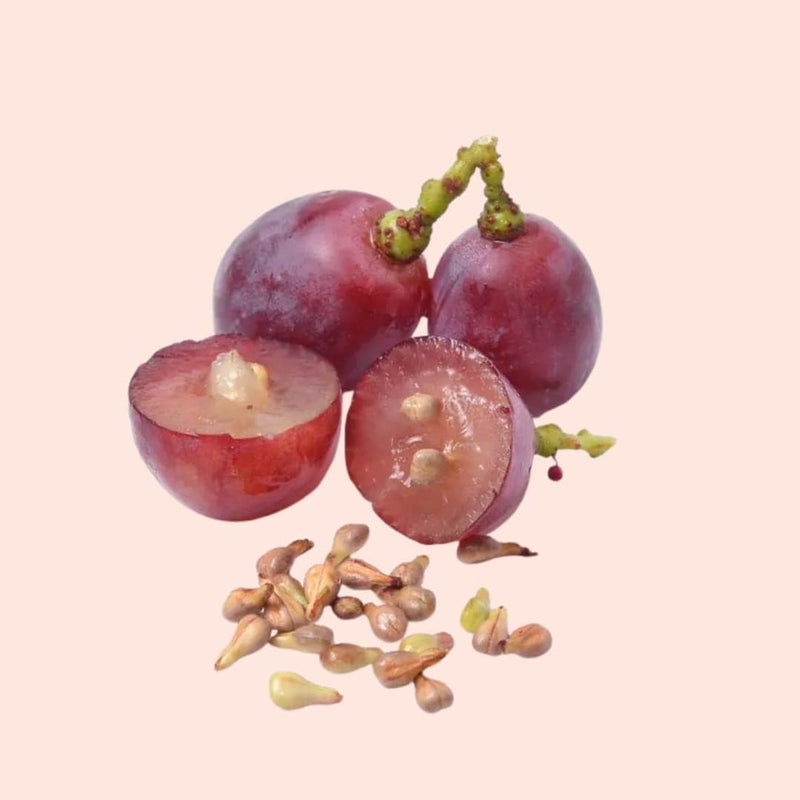
4. Grapeseed Oil for Perfume Making
Grapeseed Oil has a thin, lightweight texture that makes it useful when easy spreadability is important. Refined Grapeseed Oil is generally more neutral in aroma than strongly scented unrefined vegetable oils, which helps reduce interference with the perfume blend.
Grapeseed Oil's lighter feel is also suitable for users who prefer less oily perfume bases. The main consideration is oxidation. Depending on grade and fatty-acid composition, Grapeseed Oil may require more attention to storage than Jojoba or Meadowfoam.
Best suited for: Lightweight perfume oils and roll-ons
Main advantage: Thin texture and easy spreadability
5. Meadowfoam Seed Oil for Perfume
Meadowfoam Seed Oil is useful when oxidative stability and a silky skin feel are priorities. Its unusual fatty-acid profile gives it relatively good resistance to oxidation compared with many common vegetable oils.
This makes it suitable for premium perfume-oil formulations where the carrier needs to maintain its quality during storage. Its texture is smooth rather than extremely thin, so it can add a more luxurious sensory feel to roll-on perfumes without becoming excessively heavy.
Best suited for: Premium perfume oils and stable roll-on bases
Main advantage: Good oxidative stability and silky texture
6. Apricot Kernel Oil for Perfume
Apricot Kernel Oil provides a soft, lightweight-to-medium texture that works well in oil perfumes where a more emollient feel is desired.
Apricot Kernel Oil's natural aroma is generally mild, although it may still be more noticeable than highly neutral options such as Fractionated Coconut Oil. This makes it suitable for floral, fruity or softer woody perfume styles where a small amount of carrier character is unlikely to be distracting. As with other vegetable oils, storage and oxidation should be considered as part of the finished formulation.
Best suited for: Soft, emollient perfume oils
Main advantage: Balanced texture and comfortable skin feel
7. Argan Oil for Perfume Making
Argan Oil is better suited to richer perfume oils than to extremely neutral roll-on bases. Its texture is fuller than Jojoba or Fractionated Coconut Oil, which can make the finished product feel more like a fragrance-and-body-oil hybrid.
Depending on processing, Argan Oil may also have a noticeable natural aroma. For delicate perfume compositions, that aroma may interfere with the intended scent. For richer woody, floral or amber-style fragrances, however, Argan can work well when a more luxurious skin feel is part of the product concept.
Best suited for: Premium and richer perfume oils
Main advantage: Full, emollient skin feel
8. Sunflower Oil for Perfume Making
Sunflower Oil can provide a more economical base for oil-based perfume products. Refined cosmetic-grade Sunflower Oil may have a relatively mild aroma and light-to-medium texture, making it suitable for simple roll-ons and perfume oils.
However, different Sunflower Oil grades can vary considerably in fatty-acid profile and oxidative stability. For perfume making, it is better to evaluate the exact cosmetic-grade material rather than assuming every Sunflower Oil will perform the same way.
Best suited for: Affordable perfume oils and simple roll-on formulations
Main advantage: Accessible and easy to work with
9. Rosehip Oil for Perfume Making
Rosehip Oil has a stronger botanical identity than neutral carriers such as Jojoba or Fractionated Coconut Oil.
Its natural color and earthy aroma can influence the finished perfume, so it is usually more suitable for speciality or skincare-oriented perfume oils rather than fragrances where the carrier should disappear completely into the background. Rosehip can work particularly well with deeper floral, woody or earthy fragrance styles, but its stability and natural character require more consideration.
Best suited for: Speciality and skincare-oriented perfume oils
Main advantage: Distinctive premium botanical character
10. Avocado Oil for Perfume Making
Avocado Oil is one of the richer and heavier carrier oils on this list. Its full texture can work in speciality body perfume oils where a more emollient feel is intentionally part of the product experience.
However, that same richness makes it less suitable when a very light roll-on perfume is required. Depending on grade and processing, Avocado Oil can also have a more noticeable natural color and aroma, so it works best when the perfume concept is designed around a richer carrier base.
Best suited for: Rich body perfume oils and speciality fragrances
Main advantage: Full, emollient sensory feel
What Makes a Good Carrier Oil for Perfume?
A good carrier oil for perfume should support the fragrance rather than compete with it.
A neutral or very mild aroma is one of the most important qualities because strongly scented carrier oils can alter the intended perfume profile. Texture also matters: lighter oils spread easily and suit roll-ons, while richer oils create a more emollient skin feel. Oxidative stability also matters because carrier oils can change in aroma, color and overall quality over time.
Storage also affects perfume-base quality. Keep carrier oils tightly closed and protected from excessive heat, light and unnecessary air exposure. Follow the supplier's recommended storage conditions and shelf-life guidance, as refined and unrefined grades may differ in aroma, color and stability.
When choosing a perfume base oil, consider:
- aroma neutrality
- viscosity and skin feel
- color
- oxidative stability
- spreadability
- refined vs unrefined processing
- compatibility with the aromatic materials being used
Why Jojoba Oil Is Popular for Perfume Making
The strong interest around Jojoba Oil for perfume is understandable because it provides a useful balance of stability, mild aroma, and comfortable skin feel.
Its liquid-wax-ester structure makes it different from conventional vegetable oils and contributes to its resistance to oxidation. Jojoba also spreads smoothly in roll-on applications without feeling overly heavy. For makers looking for a relatively neutral and stable carrier, Jojoba is often one of the first oils worth testing.
Jojoba Oil vs Fractionated Coconut Oil for Perfume
Both are popular perfume carrier oils, but they have different sensory characteristics.
Jojoba Oil generally feels slightly richer and is known for very good oxidative stability.
Fractionated Coconut Oil is lighter, more fluid and usually very low in aroma.
For lightweight roll-on perfumes, Fractionated Coconut Oil may feel more fluid. For a slightly richer base with strong stability, Jojoba may be preferred. Neither is universally better; the right option depends on the perfume style, desired texture and finished-product feel.
Best Unscented Carrier Oils for Perfume
Searches for unscented carrier oil for perfume, odorless carrier oil and scentless carrier oil are especially relevant because the base should not overpower the fragrance.
Jojoba and Fractionated Coconut Oil are among the strongest options when low odor is important. Refined Grapeseed or Sunflower Oil may also work depending on grade.
“Unscented” does not always mean absolutely odorless. Processing, storage conditions and raw-material quality can all influence the natural aroma.
What Is a Perfume Base Oil?
A perfume base oil is the carrier used to hold and dilute aromatic materials in an oil-based perfume.
It influences viscosity, spreadability and skin feel and is especially relevant to:
- roll-on perfumes
- perfume oils
- pulse-point oils
- oil-based fragrance products
Carrier oils are mainly used as the base for oil-based perfumes, roll-ons and pulse-point fragrances, while traditional spray perfumes generally use an alcohol-based solvent system.
Best Carrier Oil for Roll-On Perfume
A roll-on carrier should be fluid enough to move through the roller ball and spread comfortably on the skin.
Useful choices include:
Jojoba Oil — stable and smooth
Fractionated Coconut Oil — light and fluid
Sweet Almond Oil — slightly richer
Grapeseed Oil — thin and easy spreading
For a neutral roll-on base, Jojoba and Fractionated Coconut Oil are especially practical starting points.
How to Use Carrier Oil for Perfume
There is no universal perfume ratio suitable for every aromatic material.
A practical process is:
- Choose a carrier based on aroma, texture and stability.
- Select essential oils or fragrance materials suitable for leave-on perfume use.
- Review product-specific safety and usage guidance.
- Make a small test batch.
- Allow the blend to rest so the fragrance can integrate.
- Evaluate aroma, appearance and skin feel.
- Adjust one variable at a time.
Avoid copying one fixed percentage without considering the specific aromatic materials and intended application.
Vitamin E may be used as an antioxidant in some oil products, but it is not a broad-spectrum preservative.
Frequently Asked Questions
Q1. What is the best carrier oil for perfume?
Ans: Jojoba and Fractionated Coconut Oil are two of the most practical options because of their relatively neutral aroma, good skin feel and suitability for roll-on perfumes.
Q2. Is Jojoba Oil good for perfume making?
Ans: Yes, Jojoba is widely used because of its mild aroma, smooth texture and good oxidative stability.
Q3. Is Fractionated Coconut Oil good for perfume?
Ans: Yes, it is light, fluid and generally low in aroma, making it useful for roll-on and oil-based perfumes.
Q4. What is the best unscented carrier oil for perfume?
Ans: Jojoba and Fractionated Coconut Oil are strong options when low odor is important. The exact aroma can vary depending on grade and processing.
Q5. What is a perfume base oil?
Ans: A perfume base oil is the carrier that holds and dilutes aromatic materials in an oil-based perfume.
Q6. Can Sweet Almond Oil be used for perfume?
Ans: Yes, Sweet Almond Oil can be used when a slightly richer skin feel is preferred.
Q7. Which carrier oil is best for roll-on perfume?
Ans: Jojoba, fractionated coconut oil, sweet almond oil, and grapeseed oil are all practical options.
Q8. How much carrier oil should I use in perfume?
Ans: There is no universal ratio. The appropriate amount depends on the aromatic materials, desired fragrance strength and relevant product-specific safety limits.
Conclusion
Choosing the best carrier oil for perfume depends on more than skincare benefits. A good perfume carrier should have a mild aroma, suitable texture, comfortable spreadability and enough stability for the intended product. Jojoba and Fractionated Coconut Oil are especially practical for neutral roll-on perfumes, while Sweet Almond and Grapeseed provide alternative textures.
Richer oils such as Argan, Rosehip or Avocado may suit speciality perfume oils where the carrier itself is part of the product experience. By choosing the right perfume base oil, testing small batches and following product-specific safety guidance, perfume makers can create oil-based fragrances that feel balanced and consistent.
Disclaimer
This article is for general educational and cosmetic-formulation information only and is not a finished perfume formula or safety assessment. Carrier oils and aromatic materials vary by grade, processing and intended use. Always follow supplier documentation and appropriate safety guidance before producing leave-on perfume products.