
Essential oils are a simple way to add natural botanical aromas to your home, workspace or personal relaxation routine. Depending on the oil you choose, a diffuser can create anything from a fresh citrus atmosphere to a soft floral, cooling herbal or warm woody fragrance. With so many oils available, choosing the best essential oil for a diffuser depends mainly on the aroma you enjoy, the room where you plan to use it and whether you prefer fresh, floral, citrus, herbal or woody notes.
Popular choices include Lavender, Eucalyptus, Lemon, Sweet Orange, Peppermint, Lemongrass, Rosemary, Bergamot, Cedarwood and Ylang Ylang Essential Oils. These oils can be diffused individually or combined in complementary blends. In this guide, we explore 10 of the best Essential Oils for diffusers in India, along with aroma profiles, blending suggestions, diffuser blend ideas and practical tips for choosing the right oil for your space.
List of Top 10 Essential Oils for Diffusers
The best Diffuser Oils are not necessarily the strongest ones. A good choice should match the fragrance profile you enjoy and blend well with the atmosphere you want to create. Here are 10 popular essential oils worth considering for home and personal diffuser use.
1. Lavender Essential Oil for Diffuser
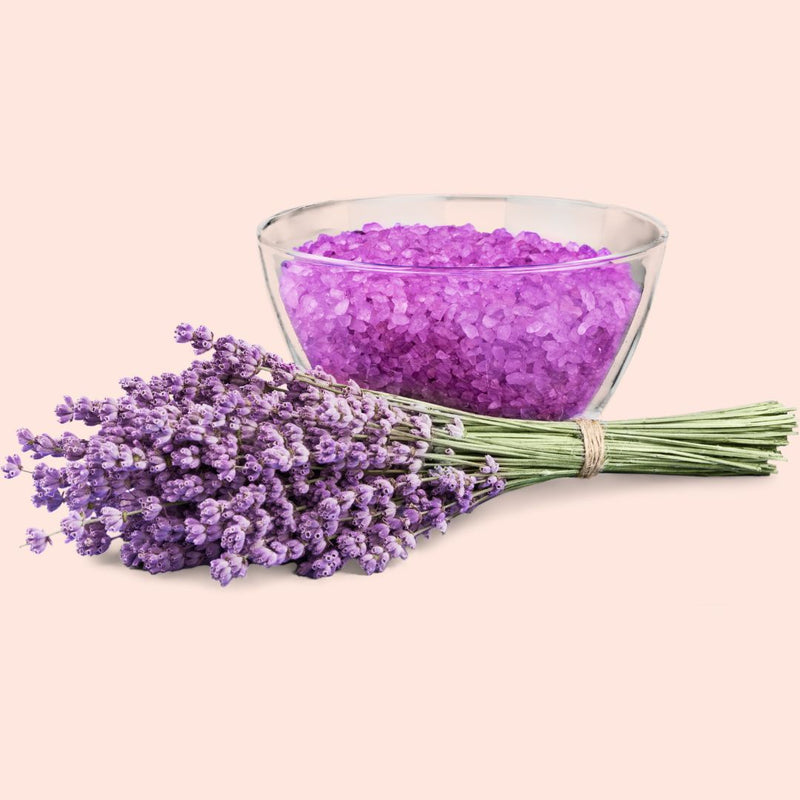
Lavender Essential Oil is one of the most versatile and widely used essential oils for diffusers because of its soft floral, herbal and slightly sweet aroma. It works particularly well in bedrooms, quiet spaces and evening diffuser blends where a gentle fragrance is preferred.

Unlike heavier floral oils, Lavender is usually easy to combine with citrus, herbal and woody notes, making it a useful choice for beginners as well as people who regularly make their own diffuser blends. Lavender can also soften sharper aromas such as Eucalyptus or Peppermint and add a floral layer to citrus oils like Lemon and Sweet Orange. If you are unsure which essential oil to start with, Lavender is one of the easiest options because it works well on its own as well as in multi-oil blends.
Aroma: Soft, floral and herbaceous
Best for: Bedrooms, evening diffusion and gentle home fragrance
Blends well with: Lemon, Sweet Orange, Cedarwood, Eucalyptus and Ylang Ylang
2. Eucalyptus Essential Oil for Diffuser
Eucalyptus Essential Oil has a crisp, cooling and distinctly herbal aroma that creates a fresh atmosphere in a room. Eucalyptus Essential Oil is especially popular among users who prefer clean, sharp fragrances rather than sweet or heavily floral scents. Its aroma can become noticeable quickly in a diffuser, so it works well in living spaces, work areas and daytime blends.

Eucalyptus also combines naturally with citrus and minty oils. Pairing it with Lemon creates a brighter, fresher profile, while combining it with Peppermint or Rosemary produces a stronger herbal aroma. For anyone looking for the best diffuser oil for home with a fresh and cooling character, Eucalyptus is one of the most practical choices.
Aroma: Fresh, cooling and herbal
Best for: Daytime diffusion, workspaces and fresh home blends
Blends well with: Lemon, Peppermint, Rosemary and Lavender
3. Lemon Essential Oil for Diffuser
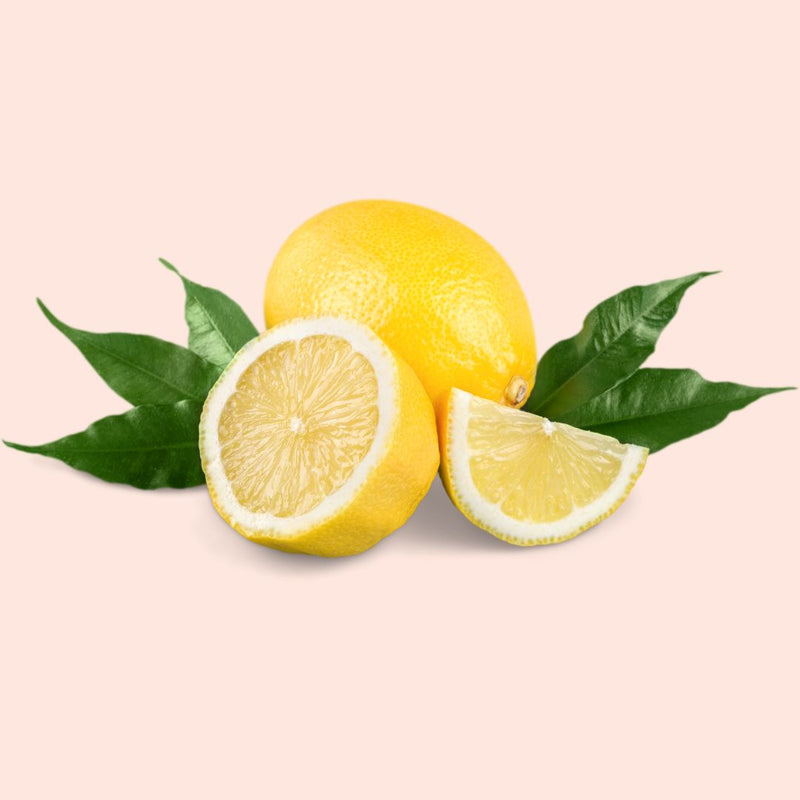
Lemon Essential Oil has a bright, clean and unmistakably citrus aroma that works especially well when you want a room to smell light and fresh. It is a useful choice for kitchens, living rooms, workspaces and daytime diffuser blends because its fragrance is generally lighter than heavy floral or woody oils.

Lemon is also one of the easiest essential oils to blend. Lemon Essential Oil can brighten deeper woody notes, soften herbal aromas and add freshness to floral combinations. For beginners exploring essential oils for diffusers, Lemon is a versatile option because it can be used alone or combined with several other oils without making the blend overly complex.
Aroma: Bright, citrusy and fresh
Best for: Kitchens, workspaces, daytime blends and fresh home fragrance
Blends well with: Lavender, Eucalyptus, Rosemary, Peppermint and Cedarwood
4. Sweet Orange Essential Oil for Diffuser
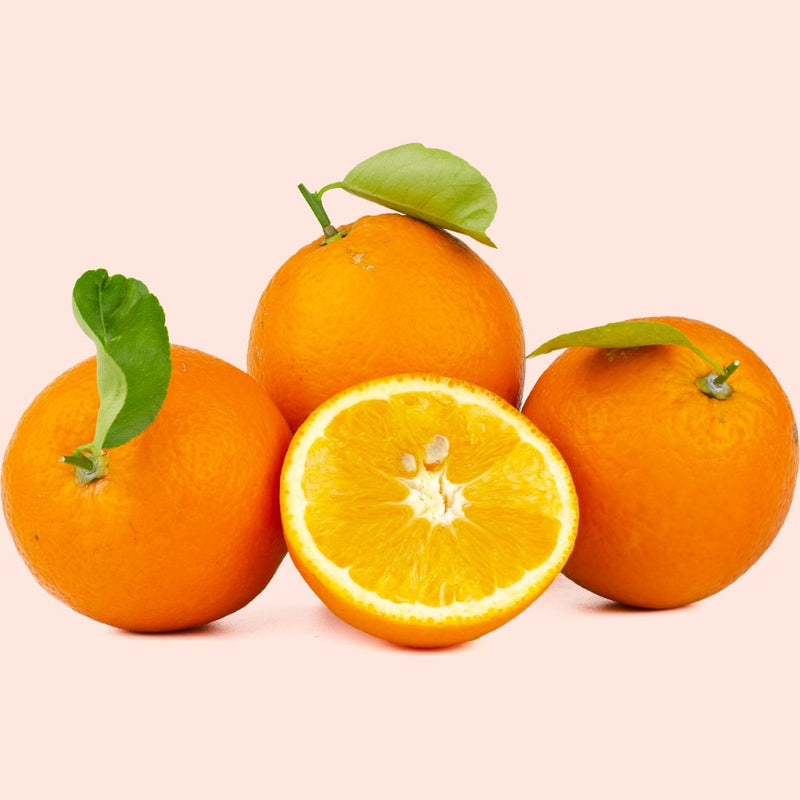
Sweet Orange Essential Oil has a juicy, sweet and cheerful citrus fragrance that feels warmer and softer than Lemon Essential Oil. Its rounded citrus character makes it particularly suitable for living rooms, family spaces and everyday diffuser use. It works well when you want a pleasant home aroma that is noticeable without being overly sharp.

Sweet Orange also blends beautifully with woody, floral and spicy-smelling essential oils. Combining it with Cedarwood creates a warmer fragrance, while blending it with Lavender or Ylang Ylang adds a softer floral character. For people who enjoy citrus scents but find Lemon too sharp, Sweet Orange is often an easier everyday choice.
Aroma: Sweet, fruity and citrusy
Best for: Living rooms, welcoming home fragrance and everyday diffusion
Blends well with: Lavender, Cedarwood, Ylang Ylang, Bergamot and Lemongrass
5. Peppermint Essential Oil for Diffuser
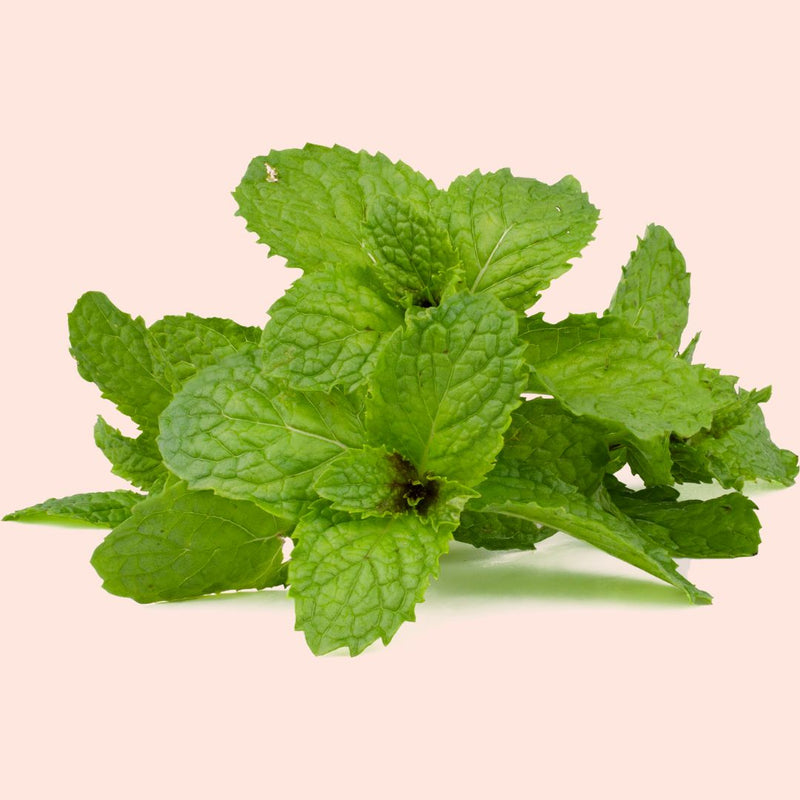
Peppermint Essential Oil has an intense, cooling and minty aroma that can quickly become noticeable in a diffuser. Because of its strength, only a small amount is usually needed compared with softer floral or citrus oils. This makes Peppermint one of the strongest-smelling essential oils for diffusers in this list.

Peppermint Essential Oil's crisp character works particularly well in workspaces, daytime diffuser blends and combinations designed around fresh herbal aromas. Peppermint can also add a cooling top note to Lemon, Eucalyptus or Rosemary blends. Because it can easily dominate other oils, start with a smaller amount and adjust according to your fragrance preference and diffuser instructions.
Aroma: Strong, minty and cooling
Best for: Workspaces, fresh blends and noticeable room fragrance
Blends well with: Eucalyptus, Lemon, Rosemary and Lavender
6. Lemongrass Essential Oil for Diffuser
Lemongrass Essential Oil has a strong citrus-herbal aroma with a greener, grassier character than Lemon Essential Oil. Its fragrance is fresh and noticeable, making it a good option for people who prefer stronger citrus profiles. It can work well in kitchens, living areas and daytime diffuser blends where a clean-smelling aroma is desired.

Lemongrass is stronger than many citrus oils, so it usually works best when balanced with softer floral or woody notes. Combining it with Lavender can soften its intensity, while Eucalyptus or Lemon can create a sharper fresh blend.
Aroma: Strong citrus, grassy and herbal
Best for: Fresh home fragrance and daytime diffuser blends
Blends well with: Lavender, Eucalyptus, Lemon, Cedarwood and Sweet Orange
7. Rosemary Essential Oil for Diffuser
Rosemary Essential Oil has a fresh, herbaceous and slightly woody aroma that works particularly well in daytime and workspace diffuser blends. Rosemary Essential Oil's scent is more herbal than floral and has enough strength to remain noticeable when combined with citrus or minty essential oils.

Rosemary pairs especially well with Lemon, Eucalyptus and Peppermint if you prefer crisp, botanical-smelling blends. Lavender can also soften its sharper herbal character. For customers who already use Rosemary Essential Oil in personal-care formulations, diffuser use can be another way to explore its characteristic botanical aroma, provided the product and diffuser instructions allow it.
Aroma: Herbal, fresh and slightly woody
Best for: Workspaces, herbal blends and daytime diffusion
Blends well with: Lemon, Eucalyptus, Peppermint and Lavender
8. Bergamot Essential Oil for Diffuser
Bergamot Essential Oil has a fresh citrus aroma with softer floral and slightly bittersweet notes. Compared with Lemon, it tends to smell more rounded and sophisticated, making it a good choice for people who want a citrus diffuser oil that feels less sharp.

Bergamot works particularly well in living rooms, bedrooms and blended fragrances. It pairs naturally with Lavender for a citrus-floral profile and with Cedarwood for a warmer, deeper combination. It can also be combined with Sweet Orange when you want a fuller citrus fragrance without relying on a single oil.
Aroma: Citrus, lightly floral and fresh
Best for: Living rooms, balanced citrus blends and evening fragrance
Blends well with: Lavender, Sweet Orange, Cedarwood and Ylang Ylang
9. Cedarwood Essential Oil for Diffuser
Cedarwood Essential Oil has a warm, dry and woody aroma that adds depth to diffuser blends. Unlike bright citrus or minty oils, Cedarwood usually works more as a grounding base note. Cedarwood Essential Oil can soften stronger top notes and make a blend feel warmer and more balanced.

Cedarwood is especially useful in evening blends and for people who prefer earthy or woody home fragrances rather than sweet floral scents. It combines particularly well with Lavender and Sweet Orange, while adding a small amount to Eucalyptus or Bergamot can create a more layered fragrance.
Aroma: Woody, warm and dry
Best for: Evening diffusion, woody blends and deeper home fragrance
Blends well with: Lavender, Sweet Orange, Bergamot, Eucalyptus and Ylang Ylang
10. Ylang Ylang Essential Oil for Diffuser
Ylang Ylang Essential Oil has a rich, sweet and exotic floral aroma. Its scent is noticeably stronger than many lighter floral oils, so a small amount can often make a big difference in a diffuser blend.

Ylang Ylang works particularly well when balanced with citrus or woody essential oils. Sweet Orange and Bergamot can make its floral character brighter, while Cedarwood creates a warmer and deeper blend. If you enjoy floral aromas but want something richer than Lavender, Ylang Ylang is worth exploring. Because its scent can become intense quickly, start with fewer drops and adjust gradually according to your room size and personal preference.
Aroma: Sweet, exotic and floral
Best for: Floral home fragrance and richer diffuser blends
Blends well with: Sweet Orange, Bergamot, Lavender and Cedarwood
Which Essential Oil Is Best for a Diffuser?
There is no single best essential oil for a diffuser because fragrance preference is highly personal. If you prefer fresh and cooling aromas, Eucalyptus and Peppermint are good options. For citrus scents, Lemon, Sweet Orange and Bergamot work particularly well. Lavender and Ylang Ylang are better suited to floral fragrance lovers, while Cedarwood provides a deeper woody profile. Beginners may find Lavender, Lemon, Sweet Orange and Eucalyptus especially useful because each works well individually and can also be blended with several other essential oils.
Best Essential Oil for Diffuser in India
When searching for the best essential oil for a diffuser in India, look beyond fragrance strength alone. Check that the product is clearly identified as an essential oil and review information such as botanical name, extraction method, ingredients, intended application, packaging and storage instructions.
Raasa Oils offers a range of essential oils suitable for aromatic and diffuser applications, including Lavender, Eucalyptus, Lemon, Sweet Orange, Peppermint, Lemongrass, Rosemary, Bergamot, Cedarwood and Ylang Ylang Essential Oils. Always follow the instructions supplied with both the essential oil and the diffuser you are using.
Strongest Smelling Essential Oils for Diffusers
If you prefer a noticeable room fragrance, certain essential oils have naturally stronger aromatic profiles. Peppermint has an intense minty character, while Lemongrass offers a powerful citrus-herbal aroma. Eucalyptus is another strong fresh option, and Ylang Ylang can become quite noticeable because of its rich floral profile.
Rosemary can also add a pronounced herbal note to diffuser blends. A stronger oil is not automatically better. Start with a lower quantity and increase only if needed according to your diffuser capacity, room size and manufacturer's instructions.
Essential Oil Blends for Diffusers
Combining essential oils lets you create a fragrance profile suited to a particular room or preference.
Fresh Home Blend
- 3 drops Lemon Essential Oil
- 2 drops Eucalyptus Essential Oil
- 1 drop Peppermint Essential Oil
This creates a bright citrus and cooling herbal aroma.
Soft Floral Blend
- 3 drops Lavender Essential Oil
- 2 drops Sweet Orange Essential Oil
- 1 drop Ylang Ylang Essential Oil
This blend combines gentle floral notes with sweet citrus.
Woody Evening Blend
- 3 drops Cedarwood Essential Oil
- 2 drops Lavender Essential Oil
- 1 drop Bergamot Essential Oil
This combination creates a warmer woody-citrus fragrance.
Fresh Herbal Blend
- 2 drops Rosemary Essential Oil
- 2 drops Lemon Essential Oil
- 1 drop Eucalyptus Essential Oil
- 1 drop Lavender Essential Oil
This blend produces a fresh herbal and citrus aroma. These quantities are only examples. Always adjust according to the capacity and instructions of your particular diffuser.
Essential Oil vs Fragrance Oil for Diffusers
People frequently search for essential oils, aroma oils and fragrance oils for diffusers, but these terms do not necessarily refer to the same product.
Essential Oils
Essential oils are concentrated aromatic materials obtained from botanical sources through suitable extraction methods. Their fragrance reflects the aromatic characteristics of the plant material from which they are produced.
Fragrance Oils
Fragrance Oils are created primarily to provide scent and may contain natural, synthetic or blended aromatic materials depending on the particular formulation. They can offer fragrance profiles that do not naturally exist as essential oils.
Which Is Better for a Diffuser?
The correct choice depends on your diffuser. Some devices are intended specifically for essential oils, while other fragrance systems may support different aromatic products. Never assume that a fragrance oil can be used simply because an essential oil works in the same device. Follow the diffuser manufacturer's compatibility instructions.
Electric Diffuser vs Waterless Diffuser
Different diffuser types use aromatic oils differently.
Ultrasonic or Water-Based Diffuser
These devices generally combine water with a small quantity of essential oil and disperse an aromatic mist. Add only the amount recommended for the diffuser's water capacity.
Waterless or Nebulizing Diffuser
Waterless diffusers dispense aromatic oil without adding water. Because they operate differently from ultrasonic diffusers, follow the manufacturer's instructions about compatible oils and recommended quantities.
Reed Diffuser
Reed diffusers are not the same as electric essential-oil diffusers. They normally use a suitable liquid diffuser base that travels through the reeds. Essential oil and water alone are generally not an effective reed-diffuser formulation because oil and water do not readily mix.
How to Use Essential Oils in a Diffuser
Before using any essential oil, read the instructions supplied with your diffuser. For a typical water-based diffuser, fill the reservoir to the recommended level, add the suggested amount of essential oil and operate the device according to its instructions.
Avoid automatically adding more oil simply because you become less aware of the fragrance after a while. The sense of smell can adapt to an aroma during prolonged exposure. Clean the diffuser regularly according to the manufacturer's instructions to help prevent residue buildup.
Tips for Choosing the Best Diffuser Oil for Home
When choosing a diffuser oil for home, start with the atmosphere you want to create.
- For a bright, fresh aroma, choose oils such as Lemon, Sweet Orange or Bergamot.
- For a cooler herbal profile, consider Eucalyptus, Peppermint or Rosemary.
- For a softer floral fragrance, Lavender or Ylang Ylang may be more suitable.
- For a deeper woody aroma, Cedarwood works particularly well.
You can also change your blends according to the room or season rather than using one essential oil throughout the entire home.
Frequently Asked Questions
Q1. What are the best essential oils for diffusers?
Ans: Lavender, Eucalyptus, Lemon, Sweet Orange, Peppermint, Lemongrass, Rosemary, Bergamot, Cedarwood and Ylang Ylang are popular options for diffusers. The best choice depends on the type of aroma you prefer.
Q2. Which essential oil is best for a diffuser in India?
Ans: There is no single best option. Lavender is versatile and floral, Lemon and Sweet Orange are bright and citrusy, Eucalyptus and Peppermint are fresh, while Cedarwood provides a deeper woody aroma.
Q3. Which essential oils smell strongest in a diffuser?
Ans: Peppermint, Lemongrass, Eucalyptus and Ylang Ylang are among the stronger aromatic options. Use smaller quantities initially and adjust according to your diffuser instructions.
Q4. Can I mix essential oils in a diffuser?
Ans: Yes. Compatible essential oils can be combined to create custom fragrance profiles. Citrus, floral, herbal and woody oils can be blended in different proportions according to preference.
Q5. How many drops of essential oil should I use in a diffuser?
Ans: The correct amount depends on the capacity and design of your diffuser. Always follow the device manufacturer's instructions rather than using the same quantity for every diffuser.
Q6. Can fragrance oil be used in an essential oil diffuser?
Ans: Only use fragrance oil if the diffuser manufacturer confirms that the device is compatible with it. Do not assume every fragrance oil is suitable for an essential-oil diffuser.
Q7. Can essential oil be mixed with water in a reed diffuser?
Ans: Water alone is generally not a suitable reed-diffuser base because essential oils do not mix readily with water. Use a suitable diffuser base and follow appropriate formulation guidance.
Q8. How should essential oils be stored?
Ans: Keep essential oils tightly closed in a cool, dry location away from excessive heat and direct sunlight. Follow any additional storage recommendations supplied by the manufacturer.
Conclusion
Choosing the best essential oils for diffusers depends mainly on the fragrance experience you want. Lavender provides a soft floral aroma, Lemon and Sweet Orange bring bright citrus notes, Eucalyptus and Peppermint create fresher profiles, Rosemary adds an herbal character, while Cedarwood and Ylang Ylang provide deeper woody and floral options.
Instead of relying on one oil for every room, experimenting with different individual oils and blends can help you create fragrances suited to different spaces, seasons and preferences. Raasa Oils offers a wide selection of essential oils for diffuser and aromatic applications, including many of the oils featured in this guide.
Disclaimer
This article is provided for informational purposes only. Essential oils are concentrated aromatic products and should be used according to the instructions supplied with both the oil and the diffuser.
Diffuser compatibility, recommended quantities and operating instructions vary between devices. Take additional care when diffusing essential oils around children, pets or individuals sensitive to fragrances, and seek appropriate professional guidance where necessary.