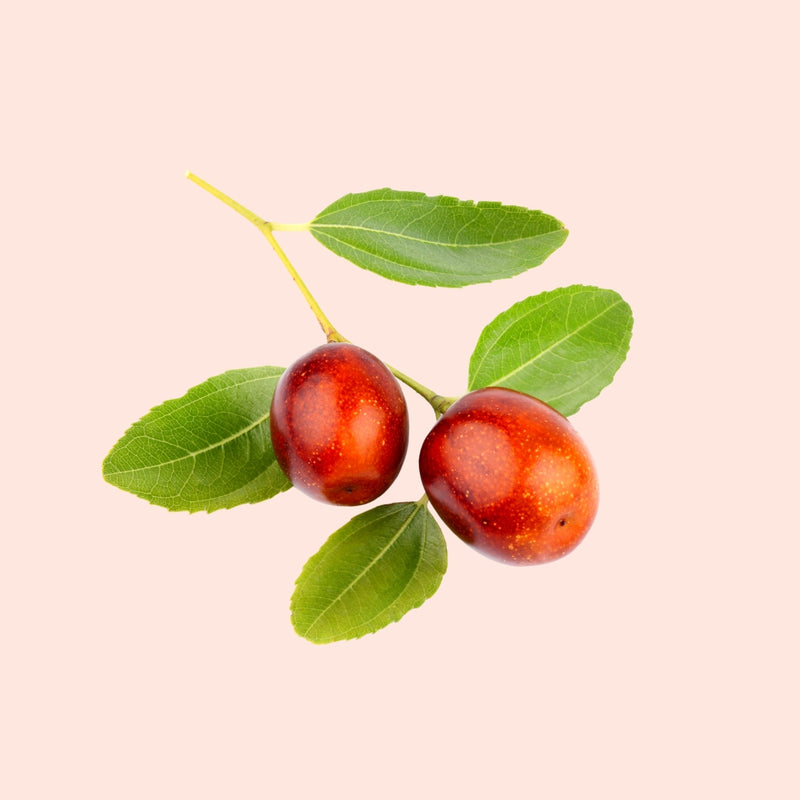

One of the highly prized natural ingredients in hair care, because of its light feel and close resemblance to the natural sebum of the scalp, is jojoba oil. The oil is extracted from the seeds of the jojoba plant and qualifies to be a liquid wax, although it readily absorbs and is neither oily nor greasy. Commonly, due to this special property, jojoba oil is incredibly effective in scalp maintenance and healthy hair growth.
The numerous hair complaints like dryness, greasiness, dandruff, breakages are a lack of healthy scalp condition. Jojoba oil maintains oil production and, at the same time, supplies vital nutrients which provide nourishment to hair follicles. It also coats hair strands, creating a protective covering against loss of moisture and destruction of the environment. Jojoba oil is suitable for virtually all types of hair, even oily and sensitive scalps. Continued practice of this helps in strengthening their hair, making it shinier and providing a better base to support natural growth of hair.
Benefits of Jojoba Oil for Hair Growth
The Jojoba Oil has several advantages that have a direct and indirect effect on enhancing hair growth. Scalp-friendly and therefore a powerful but light natural hair care application.
1. Maintains A Healthy Scalp
A healthy scalp is a prerequisite to hair growth, and jojoba oil is an important component in keeping the scalp in check. It is similar to natural sebum and, therefore, it would allow regulating oil production without the plugging of the pores. This prevents the accumulation that may obstruct hair follicles, and growth will slow down. Jojoba oil is also effective in alleviating dry skin and gentle irritation, and provides a snug, comfortable scalp. Hair can grow freely and grow regularly when the follicles are free and nourished.
2. Strengthens Hair Roots
Vitamins and minerals are abundant in jojoba oil, which includes vitamin E, B-complex vitamins, zinc and copper that promote the strength of the hair follicles. These nutrients help strengthen the structure of the hair roots and curb hair fall due to weakness or breakage. When applied at the bottom of the head, jojoba oil aids in strengthening the hair as it grows. Deeper roots reduce shedding and the density of the hair when in frequent use.
3. Enhances Hair Health
Dry hair breaks easily, and this may slow down hair growth. Jojoba oil assists in trapping the moisture in the hair shaft to avoid too much dryness and a brittle state. It does not weigh the hair down as other heavier oils do, so it can be used on any hair, including fine hair. The retention of moisture is improved, which increases the elasticity, smoothness and softness of hair. The lower the hair breakage, the greater the length retention, and this is vital when it comes to observable hair development.
4. Protects Hair from Environmental Damage
Pollution, heat styling, and UV rays are some of the environmental stressors that always affect hair. Jojoba oil creates a light protective layer around the hair strands that protects them against damage. This coating lowers split ends, dryness, and superficial damage, which can damage hair over time. Well-protected and healthier hair is stronger and can grow without constant shaving because of damage.
How to Use Jojoba Oil for Hair Growth
Jojoba Oil can be easily used. There are multiple ways to apply it effectively based on your hair type and routine to help boost growth and scalp health.
1. Scalp Massage For Growth Stimulation
Applicability of jojoba oil as scalp massage oil is one of the best ways of stimulating hair growth. Wipe the fingertips with a drop of oil and rub it softly into the scalp, and do it in circular movements. It assists in enhancing circulatory mechanisms so that the nutrients can more easily get to the follicles of the hair. Allow the oil to stay at least 30 minutes or overnight, then wash it off with a light shampoo. Periodic massages make the roots stronger and healthier.
2. Pre-Wash Hair Treatment
Jojoba Oil can be used as a pre-wash option to prevent drying of the hair as a result of shampooing the hair. Rub the scalp and the length with the oil, and then wash your hair. This forms a protective layer that ensures that they do not lose too much moisture during cleansing. Pretreatment works best on dry, frizzy, or chemically treated hair. Over time, this method helps reduce breakage and improve overall hair texture.
3. Leave-In Conditioner for Dry Ends
It makes a good leave-in conditioner suitable as a lightweight oil that can be applied to the ends of the hair by those with dry or damaged hair. Put on the drops to wet hair, but not on the scalp. This assists in ironing frizz, sealing moisture and avoiding split ends. This application of jojoba oil enhances hair manageability and lustre without causing greasiness to the hair, thus helping to retain length.
4. Mixing with Other Hair Care Products
The Jojoba Oil may be added to the hair masks, conditioners or the natural oils so as to make them effective. Combining it with other ingredients such as aloe vera gel, coconut oil, or essential oils is one way in which you can tailor treatments to fit the needs of your hair. The technique provides enough sustenance and is lightweight and easy to wear on the scalp. It is perfect for the one who wants very little oiling yet enjoys the benefits of growth.
Jojoba Oil Blend for Hair Growth
To add the advantageous roles of jojoba oil, it can be combined with other ingredients. A healthy combination is helpful to feed the head, protect the roots of hair and stimulate the circulation without bringing stagnation and weight.
Ingredients:
- 2 tablespoons Jojoba Oil
- 1 tablespoon Coconut Oil
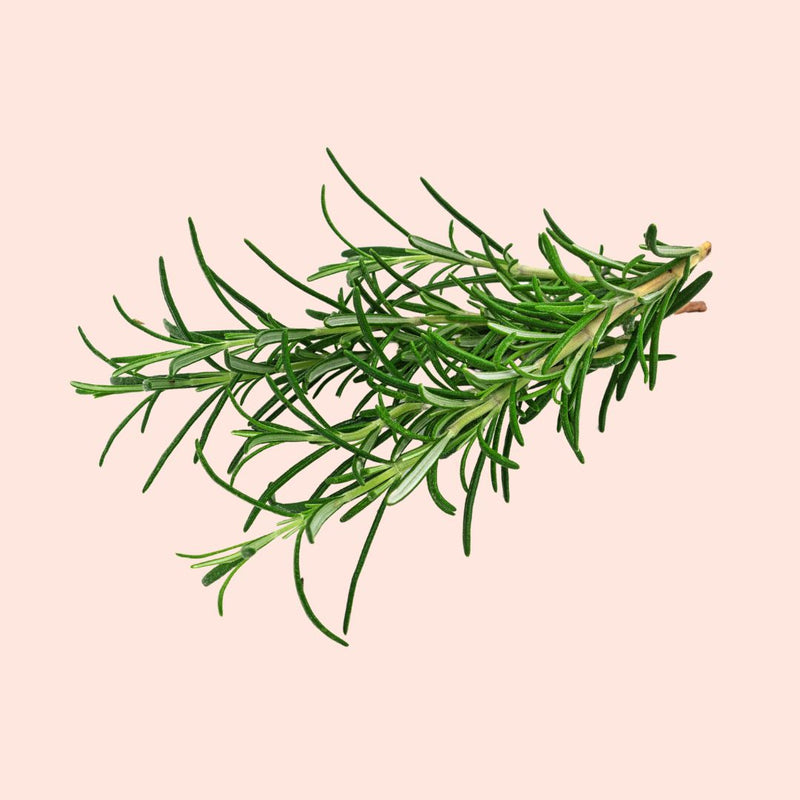
- 2–3 Drops of Rosemary Essential Oil (optional)
Directions:
- In a clean bowl, combine all the ingredients and mix well.
- Rub the mixture on your scalp and the roots of your hair, rubbing it in for a couple of minutes.
- Apply the remaining oil through the hair lengths, where necessary.
- Apply to leave on 30-60 days or even overnight and wash with a gentle shampoo.
- The best results are 1 or 2 times per week.
Safety Precautions
Jojoba Oil is normally safe for the majority of people, although it is always better to take basic precautions. Patch test prior to initial use: place a small portion of oil on the inside of the arm, then let it dry out (24 hours). Even though jojoba oil is a light oil, there is still the possibility of accumulation despite the fact that it is a lightweight oil. Always take in moderation. In the mixing of the carrier with the essential oils, a dilution is necessary so that there is no irritation of the scalp. Before regular use, people with sensitive skin, current scalp conditions, or allergies should consult a healthcare expert. Essential oil blends should be used with caution by pregnant women, and plain jojoba oil should be used unless otherwise recommended.
Frequently Asked Questions
There is also widespread usage of jojoba oil in hair care, but most individuals are asking questions concerning the effectiveness of such oil and its correct use. Being clear about these issues may assist to work with it, feeling more relaxed and secure.
Q1. Does jojoba oil help with hair growth?
Ans: Yes, the jojoba oil aids in hair growth as it helps to keep the scalp healthy, feeds the hair follicles, and protects them. Although it does not actually grow new hair, it gives the best conditions in which hair grows naturally.
Q2. Can I leave jojoba oil in my hair overnight?
Ans: Yes, jojoba oil can be applied to the hair overnight, particularly in dry or damaged hair. Its light weight nature renders it less probable to clog pores, though it is advised that a little amount must be used.
Q3. What is the best way to apply jojoba oil to hair?
Ans: The most appropriate way would rely on your type of hair. Scalp massage is best used on growth, whereas the ends can be applied on the damaged and dry side. If it is general nourishment, then pre-wash treatments are appropriate.
Conclusion
A complex and natural oil such as Jojoba oil occupies various roles in facilitating hair growth and its well being. It can be used to promote optimal scalp health by feeding it, establishing a healthy base of hair roots and minimizing breakages to ensure proper growth of the hair. Regularly and cautiously used, jojoba oil can make a valuable addition to the natural, balanced hair care ritual.
DISCLAIMER
This content is for informational purposes only and is not a substitute for professional medical advice, diagnosis, or treatment. Always consult a healthcare provider before using essential oils for any health condition.