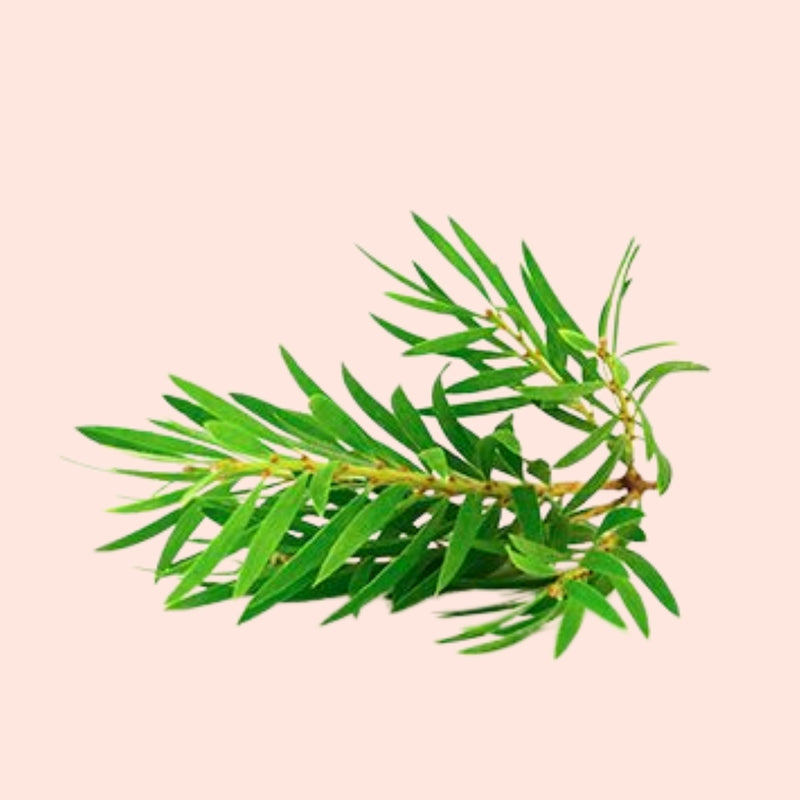

The tea tree facewash is a well-known skincare agent that has been described as having strong antibacterial, antifungal, and anti-inflammatory capabilities. Tea tree essential oil is extracted by using the leaves of the Melaleuca alternifolia plant and has been in use for ages to deal with skin-related issues like acne, oily skin, blocked pores, and even irritation.
When you create a tea tree face wash at home, you can regulate the ingredients used and use chemicals that are not harsh, and you can make the formula fit your skin type better. Facewash made at home can be helpful, particularly to individuals with sensitive or acne-prone skin or combination skin, since it is not harsh enough to strip the skin of its natural moisture barrier. Also, a homemade tea tree facewash is affordable, eco-friendly, and can be customized with relaxing botanical ingredients. Misuse and overdilution of tea tree facewash may make it an unsafe and ineffective part of your everyday habit of caring about your skin.
Benefits of Homemade Tea Tree Facewash
The tea tree facewash will be a homemade version of facewash commercially sold that contains sulfates, artificial fragrances, and preservatives. When done in the right way, it can assist in cleansing the skin in a deeper and more natural way. It can be used for many skin issues, particularly acne and oil control, due to the numerous uses it serves.
1. Fights Acne and Blemishes
Tea tree facewash is quite helpful in fighting bacteria that cause acne. Tea tree essential oil goes deep in pores, eliminating bacteria, excess oil, and impurities that cause breakouts. Consistent use may lessen the active acne, avoid the following pimples, and lessen the redness of inflamed skin. In contrast to the severe chemical treatment of acne, tea tree is well-behaved; thus, it can be used over the long term without being overly dry or peeling when diluted adequately.
2. Controls Overproduction of Oil
One of the primary reasons for blocked pores and acne is an excess of sebum. Tea tree facewash assists in controlling the oil production and does not entirely dehydrate the skin. It strikes the right balance in oils of the skin, and the face is fresh and clean instead of tight or dry. That is why it is especially useful when it comes to oily and combination skin types that need to be controlled concerning oil, rather mildly, during the day.
3. Finds Repose In Inflammation and Redness
The tea tree essential oil is very good in anti-inflammatory effects to soothe inflamed, sore, and sensitive skin. The homemade tea tree facewash is able to minimize the redness, which might be an acne outbreak, environmental stress, or a slight skin reaction. Blended with other calming agents such as aloe vera or glycerin, it can keep the skin comfortable and at the same time clean it, which makes it even acceptable to the mildly sensitive skin.
4. Cares About Skin and Makes it Fresh
Cleaning the face with tea tree facewash every day is a good way of getting the dirt, pollution, sweat, and makeup traces off. The soothing smell makes it refreshing and gives a clean and invigorating experience after each wash. Tea tree allows cleansing of the pores, keeping them clear and preventing dullness and a better and healthier complexion in the long run.
Ingredients
All ingredients are significant in the production of a good, efficient, and safe tea tree facewash.
- Tea Tree Essential Oil: This is the most important ingredient that gives antibacterial, antifungal, and anti-acne effects. It should never be applied to the skin without being diluted, or it will irritate the skin.
- Liquid Castile Soap or Mild Cleanser Unscented: Acts as the cleansing base. It is also good at eliminating dirt and oil without being harsh to the skin. Best results are attained using a sulfate-free, fragrance-free one.
- Aloe Vera Gel: Gives thirst-quenching and relaxing effects. Aloe vera is beneficial in preventing dryness and relieving irritation caused by acne or by the environment.
- Distilled Water or Rose Water: Added to dilute the formula and make it mild enough to use every day. Rose water gives it additional soothing and toning effects.
- Vegetable Glycerin (Optional): Helps maintain moisture and does not dry the skin caused by the face wash.
- Vitamin E Oil (Optional): Vitamin E Oil acts as a natural preservative and gives antioxidant properties that aid in the healing of the skin.
DIY Tea Tree Shampoo
Even though tea tree oil is popular in shampoos to promote scalp health, this category of oil is in this section to make a tea tree facewash based on safe cosmetic practices. The homemade formulations must be precise, well-diluted, and handled in a clean manner to make the skin safe and effective. Properly done, a home-made tea tree facewash can be as useful as the commercially produced products.
Directions:
- Start with the sterilization of the utensils and containers.
- One bowl is a clean one, so Castile soap is added as the base in liquid form.
- Add in the aloe vera gel and distilled water or rose water in order to dilute the cleanser.
- You can add vegetable glycerin to add additional hydration.
- Lastly, drop a few drops of tea tree essential oil, and make sure that it is diluted. Gently stir so as to avoid forming foam.
- Pour the mixture into a clean pump bottle.
- Shake gently prior to application. This facewash may be kept in a cool and dry location for up to two weeks.
Tips
Measure ingredients always to ensure that they are diluted properly. Store in glass or BPA-free plastic containers. Gently shake the bottle every time one uses it to ensure that the ingredients are well mixed. Prepare in small batches to ensure that it is fresh. Print the date of preparation on the bottle to follow the shelf life and guarantee the safety of use.
Safety Precautions
Tea tree essential oil is very concentrated and should not be applied directly to the skin. It should always be diluted correctly using a facewash base. A patch test should be carried out first to determine allergic reactions. A dermatologist should be consulted by people whose skin is incredibly sensitive, is affected by eczema or rosacea. Contact with the eyes and mucous membranes is to be avoided. Essential oils should be used medically after seeking medical advice from a pregnant or breastfeeding person.
Frequently Asked Questions
Tea tree facewash tends to cast doubt on its safety, effectiveness, and usage on a daily basis. It is better to know who it suits and how it works to guarantee the usage and improved skincare outcomes.
Q1: Is tea tree face wash good for skin?
Ans: Yes, tea tree facewash is useful in most skin types, which include the oily and pimply skin. When used in the correct dilution level, it assists in cleaning and managing oil and bacteria without damaging the skin barrier.
Q2: Can tea tree face wash clear acne?
Ans: Tea tree facewash has the potential to reduce acne to a great extent by combating bacteria and pore clogging. A regular routine of using it, as well as having a skincare routine, reduces future breakouts.
Q3: Can a tea tree face wash be used every day?
Ans: Yes, it can be used daily if properly diluted and formulated with gentle ingredients. Those with sensitive skin should start with once-daily use and observe skin response.
Conclusion
Homemade tea tree facewash is a natural, effective, and affordable solution for maintaining clear and healthy skin. With the right ingredients and proper dilution, it can help fight acne, control oil, and soothe irritation without harsh chemicals. When used responsibly, tea tree facewash can become a valuable part of your daily skincare routine, promoting long-term skin health and balance.
DISCLAIMER
This content is for informational purposes only and is not a substitute for professional medical advice, diagnosis, or treatment. Always consult a healthcare provider before using essential oils for any health condition.