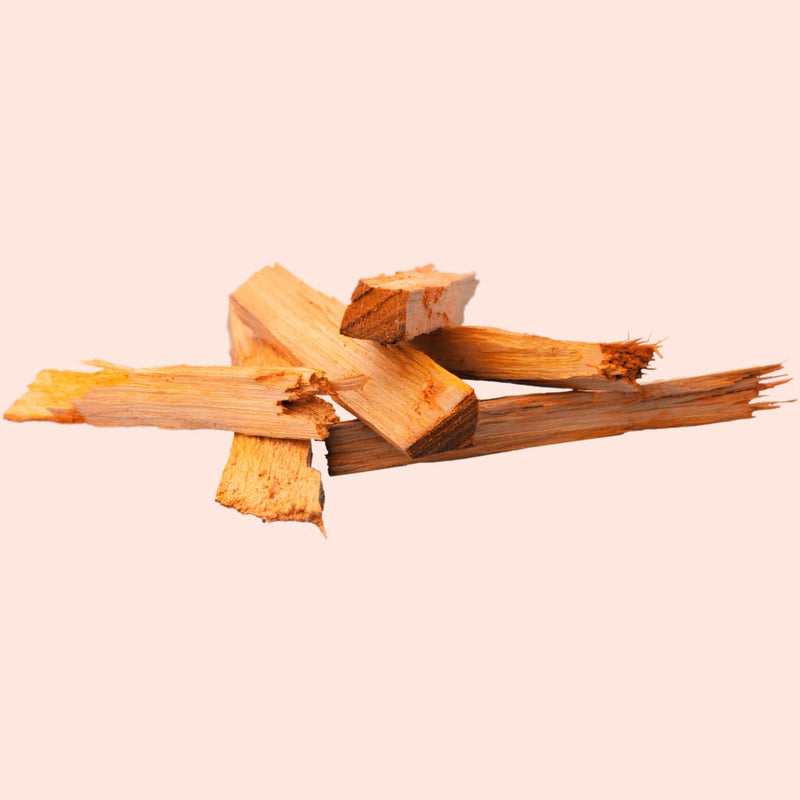

A nice, often thought out idea is to make sandalwood soap by yourself and enjoy the relaxing, fragrant, and conditioning properties of sandalwood in its pure form. Sandalwood can be used as a good natural skincare ingredient because it is also the best-smelling natural ingredient and has a proven therapeutic effect since time immemorial. Coming up with your own soap means that you are in charge of all the ingredients, and you will not have harsh chemicals, unnatural fragrances, and synthetic additives in your soap, which is typical of commercial products.
It is also an interesting DIY, simple, and all-purpose project, which can be done depending on the kind of skin and taste. The sandalwood may be combined with any type of soap base and natural oils, whether or not you prefer the goat milk creamy base or the shea butter base that is moisturizing. Crafted by you, sandalwood soap is not merely clean but also relaxing to your soul, pampering to your skin and makes the process of taking a bath a luxurious one with its heavenly smell. Giving a gift, wearing it, or receiving a habit of natural skincare is something special to do.
Benefits of Homemade Sandalwood Soap
Sandalwood soap is a high end, chemical free homemade soap that feeds and calms down your skin. Sandalwood has an aromatic quality of nature which causes a person to be relaxed, and the skin-calming effect of sandalwood improves the overall texture of the skin. Preparing your own soap will be one of the solutions to ensure purity, personalization, and healthier alternatives to the supermarket soaps, which are loaded with artificial additives.
1. Hydrates Skin
Sandalwood is natural and moisturising, and serves to retain moisture and prevent dry skin. It is extremely nourishing and soft with a mild soap base such as goat milk, glycerin or shea butter. The sandalwood soap, which is made handcraftedly helps in soothing the rough areas, replenishing the evaporated moisture, and keeping the skin soft and moisturized. It is a blessing, especially to those people whose skin is always dry or sensitive, where the soap moisturises the skin without leaving it deprived of its natural oils or scratching the skin.
2. Soothes Irritated Skin
The sandalwood is also endowed with anti-inflammatory properties, which can be applied to soothe irritated skin, tone down red skin, and pain experienced on acne, eczema or even rash. Being smeared with soft soap gives a soothing effect, hence decreasing the degree of irritation without cleaning the face in an uncivilised manner. An individual sandalwood hand-crafted soap will also allow you to avoid all the artificial scents and additives that make the skin more sensitive, therefore, the option is not harmful and effective in the group of people whose skin is predisposed to the misfortune. The lighter impact of the cleansing offers greater relaxing and calming day-to-day cleansing.
3. Enhances Smoother Skin
Sandalwood is also known because of its inherent abilities to make the skin brighter, reducing the number of blemishes and also helping the skin. Sandalwood soap can be applied routinely in order to fade dark spots, eliminate acne dots, and eliminate skin blemishes. Light exfoliating properties, especially when sandalwood powder is added comes in handy to remove dead cells of the skin and impurities. Homemade soap gives you an opportunity to further this benefit with the options of natural ingredients like turmeric, rose water or honey to make them look healthy and shiny.
4. Offers Muscle-Relaxing Aromatherapy
Sandalwood is an exclusive and relaxing scent, and it is strongly familiar in aromatherapy to relieve stress, encourage rest, and intellectual fatigue. This sweet fragrance is released whenever you wash yourself with a homemade sandalwood soap, making your bath time a ritual. The sandalwood essential oil will be more natural and will not wear off easily like the synthetic fragrances, and will be very effective in healing the body and mind. Its soothing smell is what makes it an ideal night time perfume as it will calm and prepare you to sleep.
Homemade Sandalwood Soap Supplies
- Coating the soap base with oil (coconut, olive, almond or soybean) to make it soft and feel silky on the hand.
- Sandalwood Essential Oil
- Sandalwood powder (optional)
- Soap mold
- Mixing bowl
- Measuring spoons
- Heat-safe container
- Double boiler or microwave
- Silicone spatula or spoon
- Optional: jojoba oil, almond oil, coconut oil.
- Additional: natural colorants, e.g. cocoa powder or mica.
- Bubbles can be reduced using sprays of rubbing alcohol.
Diy Homemade Sandalwood Soap Recipe: Step by Step
Sandalwood soap is a simple home-made soap that is entertaining and can be tailored to your needs as far as skin care goes. The given recipe can be tried by even an amateur, as the melt-and-pour soap base avoids the hassles of lye, and the given recipe does not require any special skills. One needs just a few ingredients and basic supplies to come up with an aromatic, skin-benefiting, and luxurious soap.
Ingredients:
- 1 pound melt-and-pour soap base
- 10-15 Drops of Sandalwood Essential Oil
- 12 teaspoons Sandalwood powder
- 1 teaspoon Almond Oil
- Soap mold
- Rubbing alcohol spray
Directions:
Step 1: Prepare Your Workspace
The initial one is to clean the working place and place all the supplies within reach. Ensure that your molds of soap are washed and dry. The dampness has the ability to affect the feel of your final soap, as well as the hardness therein; hence, all should be as dry as possible. Get a piece of parchment paper or cloth in order to cover the spills so that the cleaning is easy. Such a preparation can help you to work and prevent some errors when working with the hot melted soap, and provide a safe and properly organized process of making the soap.
Step 2: Melting the Soap Base
Melt-and-pour soap base may be molded into tiny cubes that will help in melting the base. Place the cubes in a heat-resistant dish and either use a microwave or a double boiler to melt the cubes. Heat in short bursts (20-30 s) with stirring between bursts is the case with a microwave. When using a double boiler, the heating process must be carried out gradually and stirring should be done just to maintain the boiler and its contents at high temperatures. The soap base should not be overboiled, as it will reduce its quality, and the final product of the soap will be of a rubbery matter.
Step 3: Adding Sandalwood Oil and Powder
After the soap base is melted and smooth, take it off the heating unit and leave it to cool down for a minute without evaporating the essential oil. 10-15 drops of sandalwood essential oil and gently stir the mixture to distribute the aroma of the essential oil evenly. Adding sandalwood powder to the mixture will add more skin benefits and a natural color. Add a teaspoon of carrier oil, if needed, to increase the level of moisturizing. Blend gently in order not to form bubbles in the mixture.
Step 4: Pouring the Mixture into Molds
Make sure that you pour the melted mixture into the molds that you have prepared. Add slowly so as not to expose the air to air bubbles and create smooth tops. Once the molds are filled, spray the surface with some rubbing alcohol to remove all the bubbles that might have developed. Ensure that the molds stay flat in order to even the soaps. Gently rubbing the molds on the counter makes it possible to liberate trapped air. Allow the soap to harden.
Step 5: Unmolding and Curing the Soap
Let the soap dry and harden, and this process normally takes a few hours, depending on the room temperature. After they are hard, press the molds using your fingers gently to empty the bars. Though the melt-and-pour soaps do not need prolonged curing like the cold-process soaps, the longer they are left to cure, the firmer they are and the longer their shelf life they have. To maintain the aroma and feel of the soaps, store the completed soaps in a cool and dry environment where they are not exposed to direct sunlight.
Safety Precautions
Even though the process of making melt-and-pour soaps is not as harmful as lye, precautions should be taken. Melted soap is dangerous: it is capable of burning the skin in case of spillage. Pets and children should be kept out of the working area. Only cosmetic grade sandalwood essential oil should be used and in moderate quantities so that it does not irritate. Before using the sandalwood soap, people with sensitive skin ought to carry out a patch test. Without seeking medical attention, you should avoid the essential oils in case you are pregnant or allergic to them and experience breathing problems.
Frequently Asked Questions
The sandalwood soap is popular due to its smell and skin-care properties; however, new users tend to have doubts about its components, making, and safety. These questions are the most commonly posed ones, and they give you clear guidance to make your own sandalwood soap with a lot of confidence and also how it can help your skin.
Q1. How to make natural sandalwood soap at home?
Ans: In order to prepare natural sandalwood soap at home, melt a melt and pour soap base, add sandalwood essential oil and sandalwood powder and mix together thoroughly, then transfer to the molds. The soap should be allowed to harden and then unmolded and stored. The application of natural oils and powders is the guarantee of results that are chemical-free and can be applied to sensitive skin.
Q2. What are the ingredients in sandalwood soap?
Ans: Simple sandalwood soap entails a melt-and-pour foundation, sandalwood essential oil, and sandalwood powder. Jojoba or almond oil can be used optionally to add moisture, and natural colors, dried herbs, or any other essential oils can also be used. The combination of these ingredients forms a smelling, relaxing and skin-nourishing bar of soap.
Q3. Is sandalwood soap good for the skin?
Ans: Yes, sandalwood soap is superb on the skin. It assists in inflammation, irritation, and moisture of the skin and gives a clearer complexion. There is also the aromatherapy effect of calming, which is achieved through the natural smell. It is mild and, thus, can be applied when dealing with dry, sensitive, and normal skin.
Conclusion
Sandalwood soap is an upscale, natural method of taking care of the skin, and the smell of sandalwood is a natural substance. Using simple ingredients and simple steps, it is possible to make nourishing soap bars that are not based on chemicals and additives. The following DIY project will give you beauty, relaxation, and wellness as part of your daily routine in skincare.
DISCLAIMER
This content is for informational purposes only and is not a substitute for professional medical advice, diagnosis, or treatment. Always consult a healthcare provider before using essential oils for any health condition.