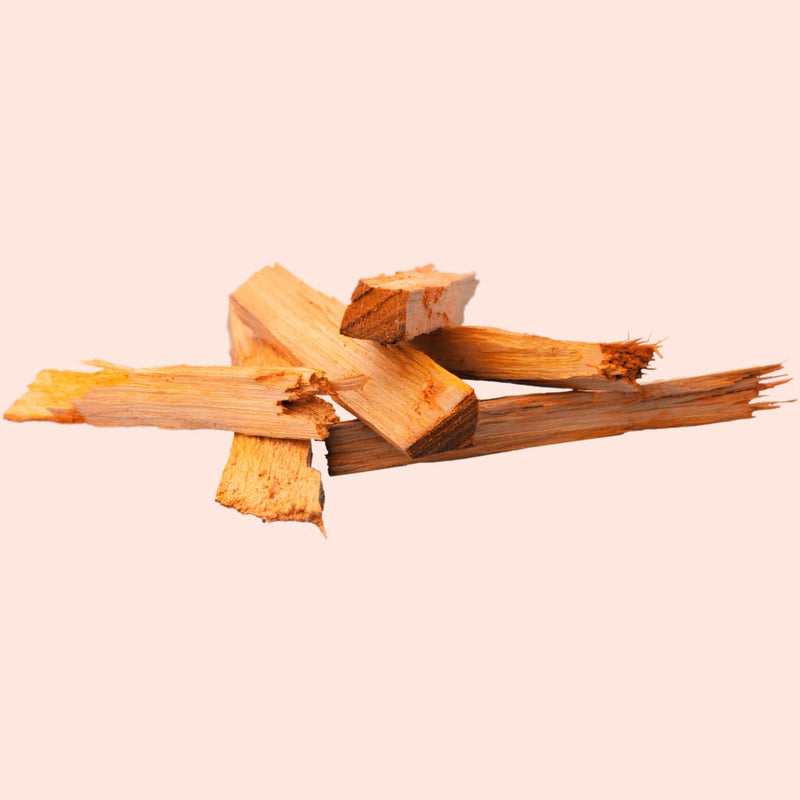

One of the best ways of enjoying the down-to-earth smell of sandalwood is through a homemade sandalwood candle. Sandalwood is a tranquil and spiritual plant that has penetrated aromatherapy, meditation, and holistic wellness many years ago. To make a candle with this precious smell is the supreme source of innovation and free time, and the chance to possess full control over the quality and purity of the ingredients.
The homemade sandalwood candle not only makes your living room smell exquisitely but also contributes to the emotional and psychological well-being and the harmonious atmosphere. Maybe you want to have a break after 12 hours of hard labour, meditate better, or even have a nice smell in the house. It is an appreciable and satisfying DIY project to make your own sandalwood candle. You can use wax, sandalwood oil, and a vessel to prepare a candle and have your personal candle, which will have the natural warmth and relaxing effect.
Benefits of Homemade Sandalwood Candle
A sandalwood candle will offer a wide range of advantages, including emotional stability and calmness, meditation enhancement, and the organic smell of the house. It has a very relaxing effect; it helps in well-being, and the aroma is rich and woody. These constitute the primary benefits of frequent utilization of a sandalwood candle.
1. Deep Relaxation
Sandalwood is reputed to have a stabilizing and calming effect. Once it is applied to a candle, its warm fragrance gradually spreads all through the room and can alleviate the emotional tension. A stressful day can be followed by a candle made of sandalwood and relaxing the mind, slowing down the nervous system, and producing the impression of inner peace. The body fragrance or smell is also able to stimulate the limbic system of the brain, thus relieving mental fatigue and worry. This is what makes sandalwood candles most effective at the time when one needs to relax in evenings or reflect in silence or after a highly emotional event.
2. Enhances Focus
The other exceptional benefit of candles composed of sandalwood is that they focus the mind and make it alert. The smells of sandalwood do not overpower the senses, but kick the brain into motion, leaving the person alert and relaxed. This combination of clarity and relaxation makes sandalwood appropriate in offices, educational institutions, or artistic locations. Many people make use of sandalwood candles when handling something to do, since the scent makes one more alert and would not necessarily stop the mind distractions. Its stabilizing smell also helps to practice mindfulness and be more aware.
3. Meditation
Sandalwood possesses deep spiritual activities and meditation, and mindfulness use traditions. A sandalwood candle is lit to ensure that the ambience is calm and spiritual, and it improves meditation. It is grounding, and it helps to stabilize the breath, relax the mind, and gain emotional stability; thereby, the meditative state becomes easier to attain. Sandalwood candle may be incorporated in yoga, in chanting, in deep breathing, and even spiritual reflection as a means of making the environment comfortable and assisting people to explore the self and discover peace.
4. Fire Cozy Aroma Natural Freshener of the air
Another option, instead of synthetic air fresheners, would be sandalwood candles, which are natural and non-toxic though, which is a considerable advantage. The tree-like aroma removes the aroma and renders the house friendly, warm, and clean. The sandalwood candles are perfect in the bedrooms, living rooms, and relaxation space where you require a relaxing smell. The slow and gradual burning of the candle will help maintain the same amount of release of the aroma to make the ambience a relaxing one that lasts for hours. This makes it an attractive house decoration, incorporating the wellness value.
Sandalwood Candle Supplies:
To make a sandalwood candle at home, you will need a number of materials and supplies of the high quality that will ensure a clean burning and efficient odour. The lower part of the candles is composed of soy wax or beeswax because the two are easy to burn and preserve the smell. It is also an excellent place to start with a low melting point, such as soy wax, but beeswax provides the wax with some structure and a slight hint of honey. The natural aroma of the earth is provided by sandalwood essential oil or sandalwood fragrance oil. Fragrance oils are a stronger and more efficient aroma, whereas essential oils offer the benefits of natural aromatherapy, and therefore, either one can be used according to your preference.
There will also be a need for a cotton wick that is of the right size to fit in your container so that it burns. The jar could be a candle jar or a metal tin, and one could use a wick holder to keep the wick in the center of the jar. A thermometer will be needed to ensure the temperature of the wax is tested and not to overheat the wax. The thawing of the wax should be conducted in a two-boiler. You have optional dried sandalwood chip, natural colourants, or a small amount of carrier oil to add to your candle and achieve the texture and smell you need.
DIY Sandalwood Candle Recipe
The process of making a sandalwood candle is not a complicated one, though you should not overlook all the steps. A good candle is in the proper preparation, melting, mixing of the aromas, and curing, the one that burns evenly and smells marvelously, which makes your house very cozy and very relaxing. Candle making is not straightforward, but rather explained as follows:
- Step 1: Prepare Your Container and Wick.
Begin by picking a clean, dry, and heat-safe container such as a glass jar. Clean it adequately and dry it to remove dust, oils, or any residues that might affect the gluing of the candles. It is composed of cotton and has a wick, and as such place one in the center of the container and use a wick holder, pencil, or chopstick to hold it in place. The importance of a centred wick is that it burns uniformly, and time wasting tunnelling is avoided. Much attention should go into the preparation of the container, so one should make a neat, polished candle and avoid difficulties during burning. Some small additional time here would count in the practicality and the looks of your finished product.
- Step 2: Wax Melding in Double Boiler.
Preheat using a double-boiler by placing a heat-proof bowl over a pot of merely simmering water. Add flakes of soy or beeswax to the upper bowl and stir every now and then that is melting. Two-boiler enables the prevention of overheating that results in the discolouring of the wax or the poor ability to store the scent. Be extremely careful in watching the temperature using a thermometer as the wax melts, keeping the temperature within the suggested melting range. Stir softly so as not to burn the wax. The case whereby the wax is melted slowly and safely does not only conserves the quality, but also improves the overall performance of the candle.
- Step 3: Place Sandalwood Essential Oil in the Melted Wax.
When the wax has fully melted, take it out of the heat and allow it to cool down a bit to the best temperature for adding the fragrance. The evaporation of the scent can be accelerated when the wax is still hot, and this will lead to the loss of the aroma of the candles with the addition of essential oil. Once it gets to about 60-65°C (140-150°F), add as much sandalwood essential oil or fragrance oil as you would like. The mixture should be stirred in a slow and gradual manner to make sure that the scent is uniformly spread throughout the entire wax. This is a very important step to a good, long-lasting scent in your final candle.
- Step 4: Add the Wax to the Contained Prepared Wax.
Having combined the perfume, pour the molten wax into a candle jar that you have prepared. Add gradually to eliminate the possibility of air bubbles that can interfere with the appearance and burning of the candle. Keep wick in the centre of the process. The container should be filled to the very top, but there should be some room left. Put the container in an undisturbed place at room temperature and the wax cools down and solidifies naturally. The candle should not be put in cold conditions, and the quick change in temperature may lead to cracks or dissimilar surfaces.
- Step 5: Allow the Candle to Cure
When the candle has hardened, leave it to dry for at least 24- 48 hours. The curing is a process that enables the wax and perfume to solidify further enhancing the scent throw and quality of the burn. Store the candle in a room without much heat and light. Pre-lighting Trim the wick to approximately 1/4 inch to have a clean flame, which prevents the smoke and promotes even burning. Curing helps to increase the longevity, fragrance intensity, and general performance of your homemade sandalwood candle.
Safety Precautions
In preparing a sandalwood candle in the house, it is important to observe safety measures. Never use a single boiler to melt wax; there are chances of overheating and burning down or getting a poor candle. Always ensure that your working space is dry because the water droplets may splatter the wax. Direct contact of the skin with sandalwood essential oil must not be done without dilution and the patch test must be conducted to determine sensitivity. The bisexual, pregnant woman, and children are not supposed to be exposed to intense fragrances. Eat in a well-ventilated room and do not leave melted wax unattended. After preparing your candle, keep it in a place that is not exposed to any source of heat and always cut the wick before making use of it to make sure that it burns safely and evenly.
Frequently Asked Questions
The advantages, applications, and efficacies of sandalwood candles can be among the questions people ask, particularly when these substances are applied to relax, meditate, or have an aromatherapy. These frequently asked questions can help to understand the functioning of candles made of sandalwood, its benefits, and the ways of integrating them into everyday lives or wellness activities.
Q1:What are the key advantages of making use of a sandalwood candle?
Ans: Sandalwood candles are known to ease stress, boost concentration, aid in grounding the emotions, and improve the mood in a natural way. Their relaxing fragrance helps them to relax, be mindful, and be at peace with themselves, so they can be used to relieve stress, set the tone, and have a good mood.
Q2:What is the role of a sandalwood candle in relaxation and de-stressing?
Ans: Sandalwood also acts as a stimulant for relaxation through the interaction with a limbic system, which is a section of the brain involved in emotions. It also decelerates the mind, reduces tension, and enhances profound relaxation, rendering it extremely useful in the treatment of stress and emotional stability.
Q3:Should a sandalwood candle be used during meditation or sleeping patterns?
Ans: Sandalwood candles are the best to meditate and sleep as their aroma is grounding and relaxing. They aid in relaxation, slow the breath, and also a peaceful atmosphere is created. Lighting one to sleep or to meditate increases concentration, restfulness, and greater tranquillity.
Conclusion
A homemade sandalwood candle is a gratifying and soothing experience that leads to a stunningly scented candle that is perfect to use in relaxation, mindfulness, and ambience. Using natural ingredients and special precautions, you will be able to make a luxurious candle that makes your home full of warmth, calmness, and emotional stability.
DISCLAIMER
This content is for informational purposes only and is not a substitute for professional medical advice, diagnosis, or treatment. Always consult a healthcare provider before using essential oils for any health condition.