
Hibiscus (Hibiscus rosa -sinensis) has been used in the traditional care of hair, particularly in its nourishing and rejuvenating features. Hibiscus flowers and leaves in most of Asia have been used to strengthen the hair and enhance the health of the scalp, as well as the natural growth of the hair. As a part of oil, hibiscus will deliver its nutrients, which will act as a strong treatment and contribute to healthier and stronger hair.
Hibiscus oil also has some natural vitamins, antioxidants and amino acids that aid in the nourishment of the scalp and the reinforcement of hair follicles. These are significant nutrients that assist in the maintenance of the growth of hair as well as the overall wellbeing of the scalp. The oil can also be described as moisturizing and conditioning, aiding in alleviating the effects of dryness and breakage. Frequent use of hibiscus oil will contribute to a better hair density, the ability to grow new hair and keep the hair smoother and shinier. Due to its natural and mild properties, it is popular among herbal hair care programs.
Benefits of Hibiscus Oil For Hair Growth
Hibiscus Oil contains a number of advantages to ensure good and healthy hair. The oil is rich in antioxidants, vitamins, and plant compounds and is at the same time nourishing to the scalp and enhances hair texture. Consistent usage can assist in thickening of hair follicles, lessening the falling of hair, and standing up to assist natural, thicker and healthier hair growth.
1. Strengthens Hair Root
Healthy growth of hair requires strong hair roots. Natural amino acids and nutrients found in Hibiscus oil are nourishing to the scalp and reinforce the hair follicles. Such nutrients aid in the synthesis of a protein that creates the structure of hair strands, which is known as keratin. The hair is less likely to break and shed when the hair roots are more powerful. The constant application of the hibiscus oil is effective in increasing the general fitness of the hair to grow longer and stronger with time.
2. Stimulates Growth of Natural Hair
The Hibiscus oil is described to have the effect of activating the scalp and encouraging the natural growth of hair. The antioxidants and vitamins contained in hibiscus will also aid in the circulation of the blood in the scalp if the oil is massaged into the skin. Enhanced circulation will make sure that adequate nutrients and oxygen reach hair follicles to enable them to grow. With time, it is possible that this food will stimulate non-functional follicles to active life and grow healthier and thicker hair.
3. Helps Reduce Hair Fall
Hair fall may happen as a result of many factors such as stress, dryness of the scalp or poor roots of hair. Hibiscus oil assists in nourishing the scalp and strengthening the hair strands, which lowers the possibility of excessive shedding of hair. It prevents scalp drying caused by dryness, which leaves the hair roots weak because its moisturizing properties keep the scalp hydrated. Hibiscus oil can help prevent hair fall and make the hair stronger by enhancing scalp health and essential nutrients.
4. Enhances Hair Lustre
Healthy hair also grows well and appears smooth and shiny. Hibiscus oil, which is a natural conditioner, offers the benefits of enhancing the texture of hairstyles. It enriches the hair strands deeply and assists in smoothing the hair cuticle, affecting the shine and softness of hair. The oil also prevents frizz and dryness, making the hair more manageable. Hibiscus oil can be used to keep the hair silky and healthy looking with regular use.
How to Use Hibiscus Oil For Hair Growth
One can use Hibiscus oil in various easy methods in a hair care routine. As a treatment for the scalp, as a hair mask, or as a massage oil, its frequent use enables the scalp to take in the nutrients in it. Regularity will be significant in realizing the visible changes in the hair in terms of health and growth.
1. Scalp Massage Treatment
A hibiscus oil is one of the most effective oils that can be applied to the scalp and used in the form of a gentle massage. Apply the oil in a little on the scalp and massage in circular motions using your fingertips. This assists in stimulating blood flow and penetration of the oil to the hair follicles. Make sure you leave the oil on for no less than thirty minutes, then wash it off with a light shampoo. A scalp massage with hibiscus oil on a regular basis can help the hair grow healthier.
2. Overnight Hair Nourishment
Hibiscus oil may also be applied overnight on the hair. Instead, put oil all over the scalp and the length of the hair before going to bed. Wear a soft cloth or shower cap to cover your hair so that the oil will not move to the pillows. The oil is best applied overnight so that more chemicals enter the scalp and hair strands. The hair can be made soft, smooth, and healthier by washing it the next morning.
3. Hibiscus Oil Hair Mask
A hair mask prepared using hibiscus oil can also be beneficial to hair. Combine the oil with other ingredients like yogurt, aloe vera gel or coconut oil to make a moisturizing mask. Massage the mixture all over the scalp and hair, paying attention to the roots and ends. After wearing the mask, wait approximately thirty to forty minutes, after which the mask is rinsed using lukewarm water and a mild shampoo. This medicine is used to hydrate and boost hair.
4. Warm Oil Therapy
The other useful use of hibiscus oil is as a warm oil therapy. Warm the oil a little, then apply it to the hair and head. Warm oil serves to open the hair cuticles, which may be enhanced to absorb nutrients. On top of applying oil, cover the hair with a warm towel in order to amplify its use. The treatment method aids in nourishing the scalp, enhances the softness of hair and enables stronger hair development with frequent application.
Recipe of Hibiscus Oil For Hair Growth
Making hibiscus oil at home is an easy method of making a natural hair treatment using fresh herbs. The hibiscus oil made at home enables one to control the quality of the ingredients and the positive properties of the hibiscus plant.
Ingredients:
- 1 cup Sesame Oil
- 5–6 fresh hibiscus flowers
- A handful of hibiscus leaves
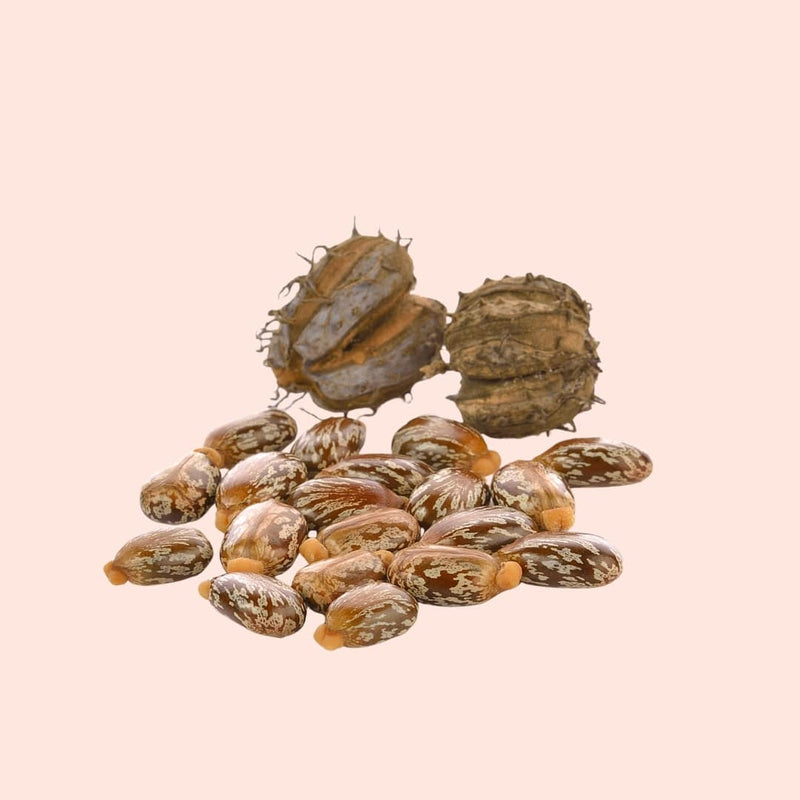
- 1 teaspoon Castor Oil
- Clean glass jar for storage
Directions:
- Rinse the leaves of hibiscus, rinse the flowers and leave them to dry.
- Make a coarse paste of the flowers and the leaves.
- Warm the coconut oil or sesame oil in a clean pan on low heat.
- Pour over the warm oil the hibiscus paste and stir.
- Simmer on low heat of the mixture at a rate of ten to fifteen minutes.
- Switch the heat off and leave the oil to cool down.
- Strain the oil with the help of a fine cloth or strainer in order to get rid of plant residue.
- Add castor oil, if one wants it.
- Put the oil in a clean glass container and keep it out of direct sunlight.
Safety Precautions
The most common hair and scalp types are normally safe with hibiscus oil as long as they are used correctly. It is, however, advised to do a patch test before putting it on the scalp in the first instance. Rub in a small portion of the oil on the inside arm and wait twenty-four hours to observe whether there will be any allergic reaction or irritation.
Herbal oils should not be applied to the face or the head of individuals who have sensitive skin or scalp disorders. Do not use hibiscus oil on the broken or infected parts of the scalp. Excessive use of oil can result in the accumulation of oil on the scalp hence, moderation should be used. The quality and freshness of the oil are preserved by storing it in a clean container. Herbal hair treatments should be used with the guidance of a healthcare expert by pregnant women or individuals who are already known to be allergic to plants.
Frequently Asked Questions
Hibiscus oil is becoming popular in the natural hair care habits of a large population, yet most individuals are confused as to whether it is effective or not, and how to use it. Knowledge about the oil mechanism, potential side effects and the advisable application procedures would assist the user to effectively integrate the oil in his or her hair care regimen.
Q1. Can hibiscus oil regrow hair?
Ans: The Hibiscus oil can possibly assist in hair growth by feeding the scalp and making the hair follicles stronger. The vitamins in hibiscus are known to enhance blood flow and contain vitamins that are vital in the growth of healthy hair. Although it does not restore lost hair immediately, with continued use, it can help to make hair thick and healthy.
Q2. What is the side effect of hibiscus on hair?
Ans: Hibiscus can be regarded as safe in hair care, although some people can have some scaling irritation or allergic reactions. A patch test prior to usage can be used to avoid any of the unwanted responses. High dosage of hibiscus oil could also cause an oily accumulation on the scalp when not cleansed well.
Q3. Can I leave hibiscus oil in my hair overnight?
Ans: Hibiscus oil may safely be left in the hair overnight as a deep conditioning treatment. It is only when the oil is left to take several hours to be absorbed by the scalp and its hair strands that it becomes heavily nourishing. In the morning, it is recommended to wash the hair with a gentle shampoo to get rid of the abundance of oil and to leave the hair soft and supported.
Conclusion
Hibiscus oil is a natural and nutritious product that helps to maintain the growth of hair and the health of the scalp. It contains high nutrients to enhance the growth of hair roots, lessen hair fall, and enrich hair texture. As a regular product in the form of a hibiscus oil, regular massage of the hair or treatment can be used to ensure stronger, shinier and healthier hair naturally.
DISCLAIMER
This content is for informational purposes only and is not a substitute for professional medical advice, diagnosis, or treatment. Always consult a healthcare provider before using essential oils for any health condition.