
Irritable bowel syndrome (IBS) is a prevalent intestinal condition that involves the large intestine and presents itself through abdominal pain, bloating, gas, diarrhoea, and constipation. Stress, diet, gut sensitivity and irregular bowel movements are mostly considered to be the major causes of the condition.
In most cases, IBS does not cause permanent harm to the digestive tract, the effect of which could greatly influence the quality of life and comfort. With the change in diet and medical advice, most people look to natural remedies as a way of supplementing digestive wellbeing. The soothing effects of essential oils on the digestive system, the treatment of disorders related to inflammation, and the relief of pain have catalysed a rise in aromatherapy and topical use of the oils. Some of the crucial oils have chemicals that serve to loosen up intestinal muscles, relieve bloating and improve overall gut activity.
List of Top 10 Essential Oils For IBS
Traditional wellness with Essential Oils has been applied to promote gut health and to alleviate discomfort related to irritable bowel syndrome. Oils also have substances, which could be used to reduce gas, relaxation of the intestinal muscles, digestion and calming the nervous system. The essential oils that are frequently employed to alleviate the symptoms of IBS are the following:
1. Peppermint Essential Oil for IBS
Among the most researched natural remedies for stomach upsets and irritable bowel syndrome is Peppermint Essential Oil. It has menthol, a substance which has been found to relax the gastrointestinal tract muscles and loosen the intestinal spasms.

This therapeutic action can be useful in the treatment of abdominal pain, bloating, and cramping, which are common in IBS. Peppermint oil is also used in the treatment of gas and for easier digestion. Aromatherapy may be used to treat stomach discomfort and mental exhaustion caused by nausea and mental fatigue with its cooling aroma. Peppermint oil may be diluted with a carrier oil to be massaged on the abdomen to achieve a pleasurable and calming effect.
2. Frankincense Essential Oil for IBS
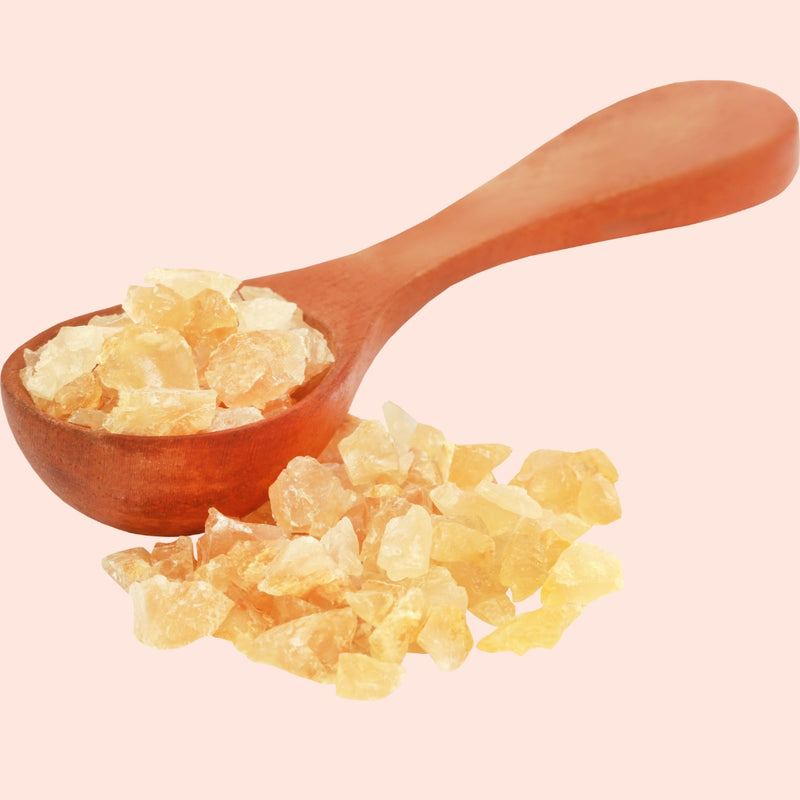
Frankincense Essential Oil is appreciated as anti-inflammatory and relaxing properties. Centuries ago, it was utilized in in wellness traditions to help in enhancing the digestive and immune systems.

Within the scope of IBS, the frankincense oil can possibly be used in decreasing the digestive tract inflammation and calm the irritated intestinal tissues. Its fragrant effect can also be used to lessen stress and anxiety, which are usually favored agents of IBS exacerbation. Stress might also have a serious impact on digestion, and thus, relaxation of the nervous system may benefit the gut indirectly.
3. Oregano Essential Oil for IBS
The Oregano Essential Oil is also famous as an antimicrobial and digestive-stimulating. It has effective natural ingredients that can aid in equalizing intestinal flora and lessening bad microorganisms that can create digestive distress.

Certain people with IBS will have problems with the system of bacterial imbalance in the digestive tract, and oregano oil could be used to assist in maintaining balance within microbes. It can also make the abdomen and gas warmer and relieve the abdominal pain with its warming effects.
4. Spearmint Essential Oil for IBS
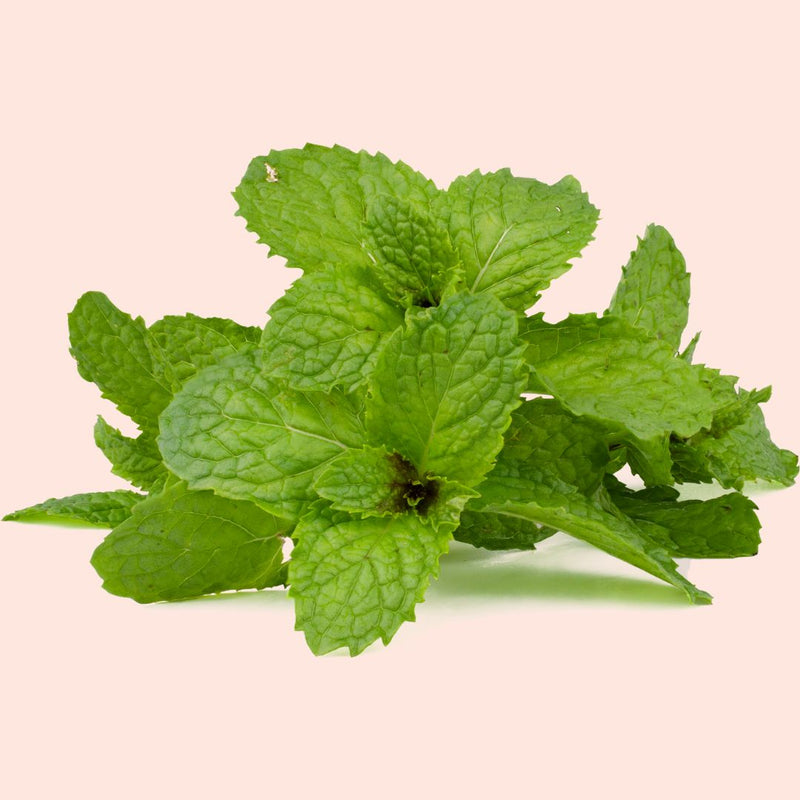
Spearmint essential oil is a softer substitute for peppermint oil, and it is commonly used to aid digestive processes and relieve stomach pain.
Its weak aroma of mint assists in calming the gut and can alleviate any irritation of bloating, gas, and any mild cramps related to IBS. Spearmint Essential Oil is a particular oil that is more advantageous to those who consider peppermint oil too strong. The cool fragrance can be useful in treating nausea and enhancing digestive discomfort.
5. Aniseed Essential Oil for IBS
Aniseed Essential Oil is also known to treat digestive disorders and enhance the functioning of the gut. It has some natural substances that can aid in the suppression of gas, gastrification and intestinal convulsions.
Aniseed oil comes in especially handy when one is exposed to excessive gaseous and abdominal pressure in IBS. It has the calming properties of its warm, sweet, liquorice-like aroma in its effects on the digestive system, and it might stimulate easier digestion.
6. Fennel Seed Essential Oil for IBS
Fennel seed essential oil is commonly available due to its digestive tract mechanism and bloating effect. Fennel seed Essential Oil contains carminative properties, i.e. reduces the formation of gas and causes easier digestion.
This usually happens to people with IBS who bloat and get stomach discomfort after eating, and fennel oil can alleviate these effects. The nausea and digestive distress can also be pacified with the help of the sweet, slightly spicy smell of fennel oil.
7. Lavender Essential Oil for IBS
Already a recognized fact, Lavender Essential Oil is known to be very calming and relaxing both physically and psychologically.

The availability of lavender oil as a remedy could assist in decreasing IBS flare-ups, owing to the emphasis on stress and anxiety as the primary causes of the symptoms. It has a very mild floral smell, which helps to relax and get sleep as well as soothe body tension. Lavender oil can also be used to alleviate some abdominal pain and mild digestive spasms that are signs of IBS.
8. Black Pepper Essential Oil for IBS
Black pepper Essential Oil contains warming and stimulant qualities, and this can help in digestion. It might be beneficial to increase the flow in the digestive tract and promote the normal passage of foodstuffs in the intestines.

Black pepper oil can be safely used in people suffering from IBS who have slow digestion or bloating to give the small intestine a gentle stimulation to restore digestive balance. It is also warm and spicy, and this scent also tends to relieve nausea and discomfort.
9. Ginger Essential Oil for IBS
The essential oil of ginger is generally known to be very efficient in terms of providing digestive support. It was centuries-old in relieving nausea, indigestion, stomach discomfort, & so on.

Ginger Essential Oil can assist those with IBS to ease the effects of bloating, gas and abdominal pain. Its heating ability assists in increasing the digestion and circulation in the gut. The oily spice smell of the ginger can help non-vomiting and MCs.
10. Lemon Essential Oil for IBS
Lemon Essential Oil is characterized by the refreshing citrus smell and the support of digestion. It can be used to aid the stimulation of digestive juices and the normal functions of the body to detoxify the body.

In patients with IBS, lemon oil can aid in the dissolution of bloating and make the digestive process less painful. Lemon oil also has a bright smell to put one in a better mood and alleviate fatigue that may come with digestive discomfort. Lemon oil aromatherapy can help to bring a refreshing environment, prone to mental lucidity and ease.
Essential Oil Recipe For IBS
An adequately mixed mixture of vital oils will possibly be beneficial in enhancing digestive comfort during an IBS flare-up. The next mixture is a mix of oils that are believed to relax the spasms of the digestive system, bloat, and normalise the nervous system. This mixture may be applied to the abdomen to relax the digestive system through gentle massage or aromatherapy.
Ingredients:
- 3 ml Peppermint Essential Oil
- 2 Drops of Ginger Essential Oil
- 2 Drops of Fennel Essential Oil
- 1 tablespoon Coconut Oil
Directions:
- Add the carrier oil with the essential oils in a small glass bottle.
- Ten-twenty times to mix the ingredients.
- Place a small portion of the mixture on the abdomen and rub slowly in circular motions.
- It can be useful in the promotion of digestive movement as well as the alleviation of cramping.
- The combination may also be sniffed softly through the bottle to help to relax and be comfortable with digestion.
Frequently Asked Questions
Individuals seeking to learn the role of essential oils in the natural treatment of IBS often express concerns about how the natural substances would work. As much as it may have supportive advantages on aromatherapy, it is necessary to know the manner in which these oils operate, the best way of using them and a realistic expectation of the outcome.
Q1. What essential oils are good for irritable bowel syndrome?
Ans: There are a number of essential oils that are usually applied to promote the comfort of the digestive system and alleviate the symptoms of IBS. One of the most familiar ones is peppermint oil, which is used to relax intestinal muscles and decrease abdominal cramps of the abdomen.
Q2. Can I rub peppermint oil on my stomach for IBS?
Ans: Topically, peppermint can be applied to the stomach area in case of digestive discomfort, though one needs to always dilute it in a carrier oil before applying. Essential oils are meant to be used pure, and therefore can be irritating to the skin when applied suitably.
Q3. Can oil of oregano help IBS?
Ans: Oil of oregano can show a positive support effect on people with IBS, especially where the symptoms are associated with microbial imbalance in the gastrointestinal tract. Oregano oil consists of potent compounds that have antimicrobial effects and are likely to reduce harmful bacteria and maintain gut health.
Conclusion
A natural treatment of symptoms of irritable bowel syndrome may be promoted using essential oils, such as bloating, abdominal discomfort, and stress-associated digestive problems. Examples of the oils are peppermint, ginger, fennel and lavender, which are usually used to stimulate digestion and comfort.
DISCLAIMER
This content is for informational purposes only and is not a substitute for professional medical advice, diagnosis, or treatment. Always consult a healthcare provider before using essential oils for any health condition.