
The health of the hair, nutrition of the hair, and the health of the scalp in general are integrative parts of modern hair care, which is more concerned with cleansing the hair and conditioning the hair. The ability to produce essential oils has provided the production of a powerful natural ingredient to be added to shampoo products because of their medicinal and sweet scents. The extraction of essential oils takes place from plants, flowers, roots, and woods, and concentrates the compounds that can address the issues of common hair, such as its dryness, dandruff, falling hair, dullness, and excess oil.
They are conducive to adding to the shampoo and adding to the feel of touch and smell of cleanliness. Essential oils provide an all-around solution to hair care as they can be utilized as a method of hair growth (stimulation), scaling the scalp back, and increasing fragrance. Their application in the shampoo permits users to enjoy the added merits without disturbing the natural customized procedure that suits the individual requirements of the hair.
List Of Top 10 Essential Oils to Add to your Shampoo
The choice of a specific essential oil that you will implement in your shampoo is based on your hair, scalp, and preferences. All the essential oils have their own properties, which aid in balancing the scalp, hair strength, and vitality in general. The following are some of the essential oils that could be used widely in hair care; they are useful, multipurpose, and have a pleasant smell. Put together in a prudent manner, they can transform an ordinary shampoo into a designed-to-use hair-care product.
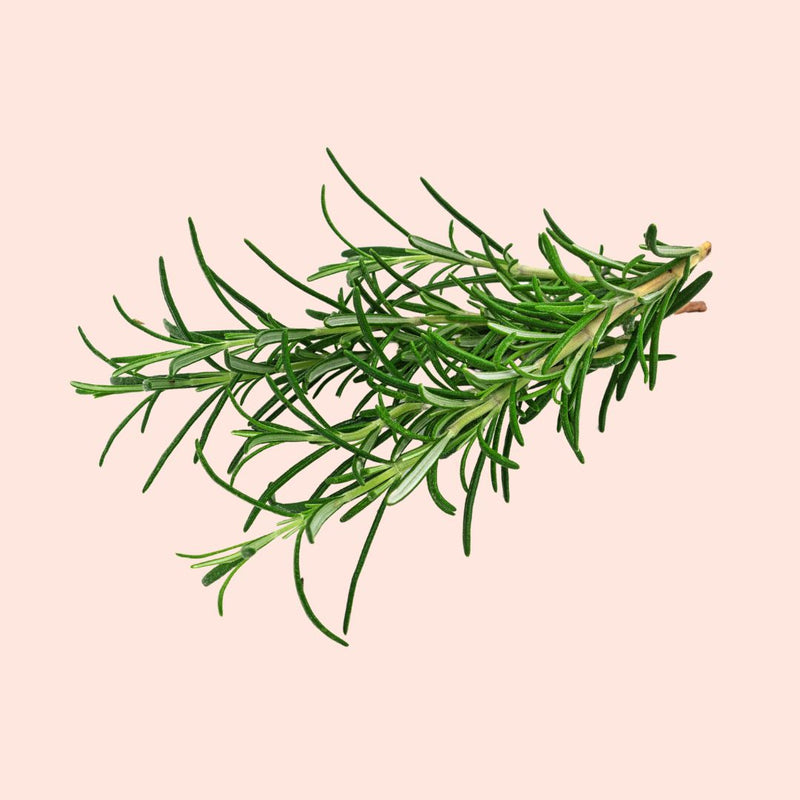
1. Rosemary Essential Oil
Rosemary Essential Oil is most valued also because it has been observed to spur hair follicles and promote healthy hair growth. It enhances blood flow to the scalp, which enables the supply of important nutrients to the roots of hair. Hair thinning can be reduced with regular usage, and it can be used to enliven the thicker strands.

The rosemary oil is also effective in curbing dandruff; it can also be useful in alleviating an itchy scalp. Its fresh, herbal scent brings freshness and cleanliness to the smell of the shampoo, hence it can be used on a day-to-day basis, and it may also be applied to those people who are also experiencing loss of hair or weak hair.
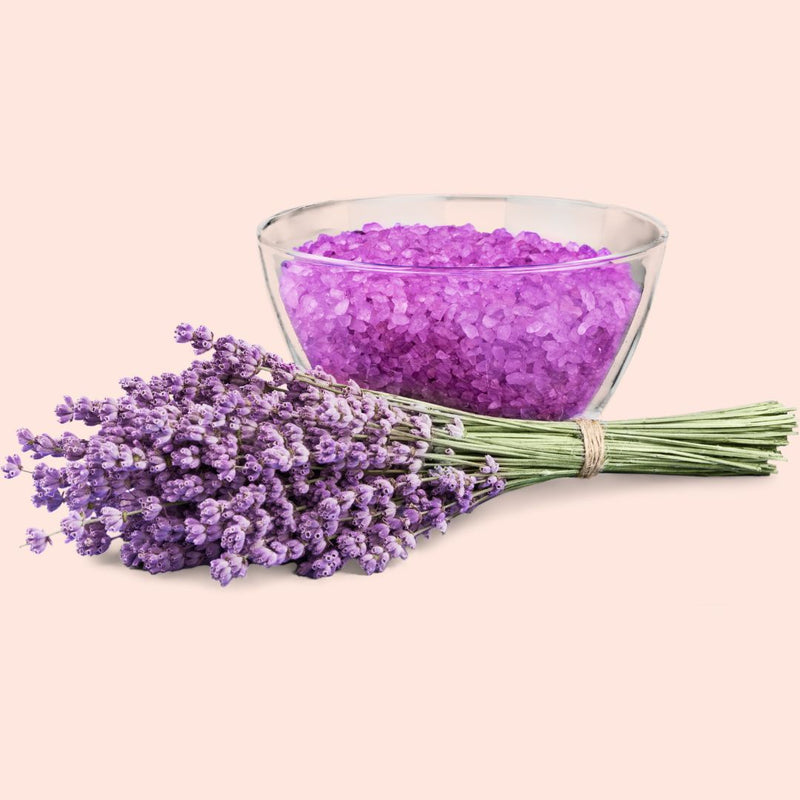
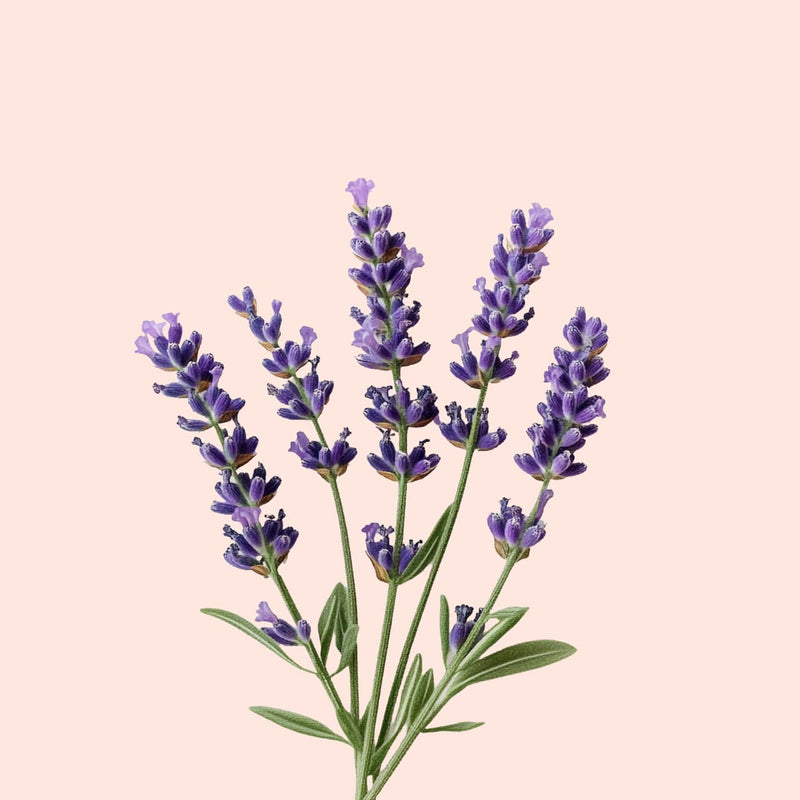
2. Lavender Essential Oil
The Lavender essential oil has been known to be relaxing and good for the hair and scalp. It helps to reduce irritation of the scalp, its dryness and inflammation, and preserve normal production of oils. Lavender oil would also be able to produce hair growth by causing the healthful atmosphere in the head.

The floral smell that is relaxing reduces stress levels, and this indirectly has a positive impact on the health of the hair. The use of lavender essential oil in combination with the shampoo not only brings relaxation during shampooing, but it also makes the hair soft, shiny, and easy to handle.
3. Vetiver Essential Oil
Vetiver essential oil is highly nourishing and grounding, and can be applied to unhydrated, split, or stressed hair. It also helps to fortify the roots of the hair, reduce the number of breakages, and keep the scalp hydrated. Vetiver oil is also relaxing and cooling, leaving behind a relaxing scalp.

It also has a very rich and warm earthly aroma in the manufacturing of shampoos. The oil is especially useful to those subjected to environmental stressors or those who have their hair dried as a result of chemical treatments or overuse of heat to style their hair.
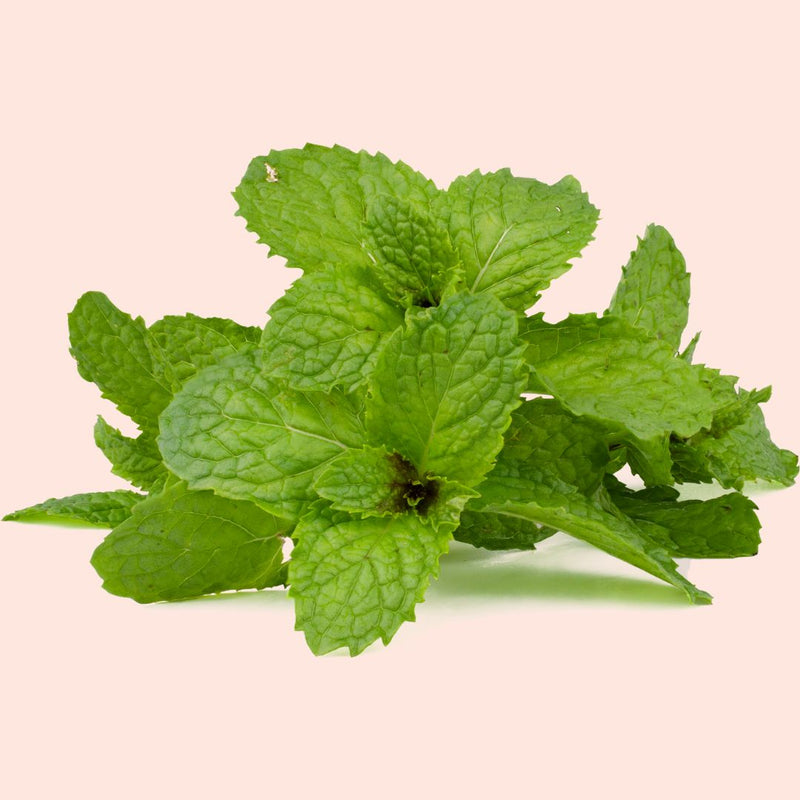
4. Peppermint Essential Oil
Peppermint is another well-known essential oil due to its refreshing and cooling effect on the head. It has the benefit of providing a cooling effect, which is beneficial in soothing itchiness, dryness, and irritation. Peppermint essential oil will promote circulation in the head, which has the potential to induce more hair growth.

Its antimicrobial property helps in cleaning and freshness of the scalp. For oily scalp or those who feel like they have buildup, peppermint essential oil added to the shampoo will create a cool and refreshing effect on the scalp, and it will feel particularly good on the scalp.
5. Patchouli Essential Oil
Patchouli essential oil is beneficial to the scalp as it helps to balance oil and minimize dryness or flakiness. It allows for strengthening follicles of hair and can decrease loss of hair due to scalp imbalance. Another advantage of patchouli oil is that it is also found to possess antifungal properties, and it can be applied to the scaly scalp.

Its rich musky smell contributes to a classy and earthy smell to shampoo. Its product is a high-quality essential oil that I can utilize by all who require nourishment, scalp balancing, and long-lasting natural smell.
6. Tea Tree Essential Oil
The power of tea tree essential oil is cleansing and antimicrobial, and it is extensively used. It aims at combating dandruff, scalp acne, and fungal infection, and maintains the scalp environment healthy. The tea tree oil also reduces sweat and accumulation, which leads to a clean and fresh scalp.

It has a brisk medicinal aroma that contributes to a cleaning experience of shampoo. Consistency can also be added to promote clarity and ease of the scalp; therefore is also frequently utilized by individuals with greasy or issue-infested scalp.
7. Cedarwood Essential Oil
Cedarwood essential oil helps in regulating the oil production and facilitates the balance of the scalp. It enhances the hair follicle, reduces hair thinning, and develops healthy hair. Cedarwood is also relaxing and cools down an agitated head and flakiness. Its cozy and woody scent contributes to shampoo a placid and soothing aroma.

This is a vital oil, which proves to be efficient, particularly in individuals who are experiencing stress or hormonal imbalance in their hair fall, hence bringing both physical and emotional elements.
8. Sandalwood Essential Oil
Sandalwood essential oil is extremely moisturizing and is useful on dry or snagged hair. It comes in handy in soothing the entire scalp, moisturizing, and improving the texture of the hair overall. Sandalwood oil is also employed to market the degree of shine, softness, and scalp wetness.

Shampoo is luxurious due to its creamy, woody, and rich smell. The product is an essential oil that can be used by those who want to be nourished, smooth, and have a soothing sensory experience when taking care of their hair.
9. Neroli Essential Oil
The Neroli essential oil helps in the regeneration of the scalp and also in healthy hair growth. It keeps the amount of oil on the head and strengthens the hair strands, preventing their fracturing. Neroli oil is also known to be a calming agent and is applicable to treat hair problems that are brought about due to stress.

It smells fresh, floral-citrusy, adding elegance and cheerfulness to shampoo recipes. This oil is suitable for those who are interested in the improved texture of hair and have a chance to enjoy the relaxing and pleasant odor.
10. Bergamot Essential Oil
Bergamot essential oil can be applied to maintain scalp hygiene and balance by preventing excess oil and irritation. It is beneficial for the well-being of the head and shiny. Bergamot oil can also boost mood, and hence washing of hair is a refreshing affair.

It is refreshing with a clean smell, further fuelled by the light and citrusy aroma of the shampoo. This oil is also beneficial to use on oily or combination scalps, as well as individuals who want their hair-care to have freshness and vitality.
How To Make Shampoo Using Essential Oils At Home
By preparing shampoo at home with essential oils, it is possible to have full control over ingredients, smell, and other advantages. Crafted homemade shampoo could be tailored to meet unique hair requirements without being subjected to harsh chemicals that are usually present in commercial shampoos. Essential oils are safe and can be easily added to a calm and nutritious shampoo, which, in order to be used, should be diluted, and the right base is necessary.
Ingredients:
- Shampoo base
- Essential oil
- Distilled water (for dilution, if required)
- Vegetable glycerin or aloe vera gel
- Argan oil
- Clean containers
- Measuring spoons
- Funnel
Directions
- Add the shampoo base to a clean mixing bowl or a bottle, leaving room to add other ingredients.
- Pour on essential oils gradually, as per the suggestion, generally a couple of drops of essential oils in 100ml of shampoo.
- The oils should be mixed by stirring or shaking. In case it involves glycerin, aloe vera gel, or carrier oils, ensure that they are mixed well and then seal the bottle.
- Let the blend dry out for a few hours so that it blends well.
- Gently shake before use. Keep in a cool, dry place free of direct sunlight to maintain the effectiveness of the oils.
Frequently Asked Questions
Essential oils are healthy additions to shampoo, but knowledge of their application is needed to ensure safety and effectiveness. There are numerous concerns about proper dilution, the potential advantages, and the potential precautions that exist among many users. Knowing these things enables one to avoid irritation, maximize the effect, and make sure that essential oils can make hair care work without any undermining side effects.
Q1: What is the safest method of adding essential oils to shampoo?
Ans: They should never be used in their pure form and should be diluted before adding to the shampoo. Put in a few drops and stir well with an unscented shampoo base. Using a lot of essential oils, do not use the oils directly on the head without dilution. Patch testing is recommended to check for sensitivity. This can be achieved through proper storage and the moderate use to ensure safety and efficacy.
Q2: What benefits do these oils provide for hair?
Ans: The oil is also used as an essential oil to improve scalp health, increase circulation, curb dandruff, and enhance hair strands. These are able to increase shine, decrease hair loss, and regulate oiliness. Moreover, their pleasant natural scents promote relaxation and enhance the general experience of hair-washing, contributing to physical and emotional health.
Q3: Are there risks or precautions?
Ans: Scalp irritation or allergic reactions could result from improper use of essential oils. It should not be overused or at a high concentration. Individuals with sensitive skin, allergic reactions, or medical history must consult a professional before using it. Essential oils must be stored in a way that they are not exposed to children and that they are stored in a way that makes them safe and of quality.
Conclusion
The use of essential oils in shampoo is natural and proven to complement the improvement of a hair care routine. Properly used, they help maintain scalp health, enhance hair texture, and have therapeutic effects. Essential oils can and ought to be carefully picked and diluted, which makes a simple shampooing experience more lively and sensual.
DISCLAIMER
This content is for informational purposes only and is not a substitute for professional medical advice, diagnosis, or treatment. Always consult a healthcare provider before using essential oils for any health condition.