
Neem oil is a product of the neem tree that has long been praised because of its wide range of medical and cosmetic uses (Azadirachta indica, neem tree). It contains a lot of fatty acids, antioxidants, and antibacterial compounds that render it a flexible remedy to numerous skin issues.
It is also beneficial in combating acne, inflammation, dry skin and skin texture, which are particularly natural properties. Frequent applications of the neem oil can also assist in treating fungal infections, rashes and other skin irritants. It is a natural substance and, therefore, not harsh when properly used, and can be added to a daily skin care regimen. The oil is very nourishing, helps in maintaining the natural barrier of the skin and is anti-ageing. To individuals who are interested in chemical-free and holistic treatments of the skin, neem oil presents a convenient and multidimensional answer that is applicable to diverse skin conditions and types.
Benefits of Neem Oil for Skincare
Neem oil is an essential ally of natural substances that prevent, nourish, and heal the skin. It has a long history of usage in the form of antibacterial, antifungal, and anti-inflammatory. These properties render it useful in the treatment of irritation, infections and in maintaining the health of skin as a whole. Daily use helps to keep the skin hydrated, and the skin texture and complexion appear more naturally clear.
1. Heals Acne and Pimples
Neem oil has very high antibacterial and anti-inflammatory effects that attack acnes-causing bacteria. It is absorbed into the skin to decrease the redness, swelling, and inflammation of pimples and acne eruptions. Its frequent use may assist in pore unclogging, stopping further breakouts, and leaving the skin clearer. Its natural substances help to maintain a normal amount of sebum that is essential in avoiding the oiliness of the skin, which contributes to the development of acne.
2. Treats Fungal Infections
Neem oil can be used to treat a variety of fungal diseases because it contains antifungal agents. It may be used on affected localities to treat athlete's foot, ringworm or skin yeast infection. The oil prevents the development of fungi and takes care of the itch and the redness. Frequent use may help to decrease flare-ups and ease pain due to fungal irritations, as well as heal the skin in the long run.
3. Hydrates Skin
Neem oil is rich in fatty acids, and it penetrates the skin deeply to nourish and hydrate it. It enhances the skin elasticity and skin smoothness, hence making the skin soft and supple. The frequent application may relieve the state of dryness and flakiness as well as restore the natural moisture balance of the skin. Its antioxidants contain protection against environmental stressors of the skin, reducing the effects of early aging and giving skin a fresh, healthy appearance.
4. Calms Irritation
Neem oil is an oil that harbors anti-inflammatory products that would soothe irritated and inflamed skin. It is good for those with delicate skin that is likely to turn erythemic, rash, or allergic. It can be used to alleviate itching and pain and stimulate skin healing. Due to its cooling properties, it is applicable in treating conditions like eczema, psoriasis, and minor burns, among others, as it is very reassuring and enhances the general look of the skin as time goes by.
How to Use Neem Oil for Skincare
Neem oil could be used alone or mixed with other natural substances to achieve specific skin effects. Its use is most effective when correctly applied and least irritating. It may be applied in everyday skincare regimens, as a mask, or spot-treated when applied to sensitive skin together with carrier oils.
1. Direct Application in Spot Treatment
Neem oil could be applied to the points of challenge, like pimples or tiny skin infections. Take a cotton swab and dab some drops on the affected location and leave it overnight. This focused use will enable neem oil to enter the deepest places, combat bacteria, and curb swelling. Regular night use will accelerate the healing process and avoid recurring outbreaks.
2. Blend with Carrier Oils
On sensitive skin, neem oil is to be mixed with an oil that acts as a carrier, e.g. coconut, jojoba, or almond oil. Blend the 1-2 drops of neem oil with a teaspoon of the carrier oil and apply a massage to the skin. This would stop irritation, yet the active compounds would nourish and protect the skin. Frequent application elevates the skin's health and moisture.
3. Incorporate Face Masks
To make a healing face mask, neem oil may be combined with such natural substances as honey, yogurt, or clay. Massage the mixture on the skin evenly and leave the mixture on the skin for 15-20 minutes, and then rinse with lukewarm water. The approach improves the antibacterial, antifungal, and moisturizing properties of the oil that improve clear, soft, and healthy skin. It is best that the masks are used 1-2 times per week.
4. Put in Moisturizers and Creams
Neem oil may be added to daily moisturizers or creams to protect the skin on a daily basis. It can be added to a favorite lotion in a few drops and rubbed into the skin after cleansing. This would permit constant hydration, nutrition and antibacterial coverage all day. It works particularly well in keeping skin in balance in an oily or acne prone or a combination skin.
Neem Oil Skincare Recipe
The basic neem oil mixture can be applied to the body in general. It uses natural ingredients that are mild and combined with neem oil to make the product more beneficial without any irritation.
Ingredients:
- 2 teaspoons Neem Oil
- 1 tablespoon Jojoba Oil
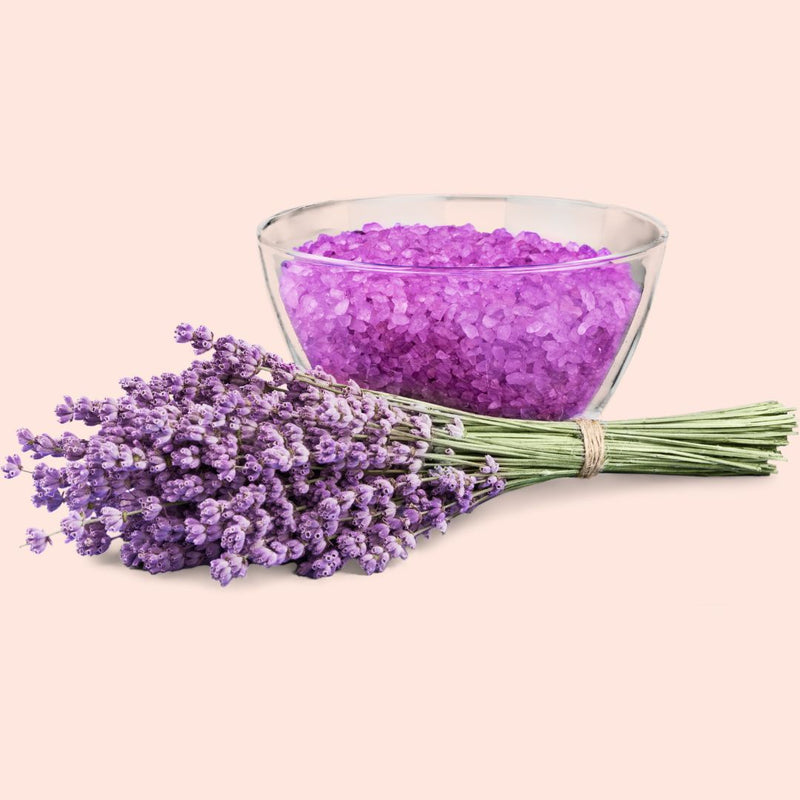
- 5 Drops of Lavender Essential Oil (additional)
Directions:
- Add carrier oil to a small bowl with neem oil.
- Add oil of fragrance and additional benefits to the skin.
- Rub the mixture on the skin in small circular movements.
- The remaining blend should be stored in a cool, dark place.
- Take every day or on demand as a hydrant and healing agent.
Recipe of Neem Oil for Acne
Neem oil is also antibacterial with anti-inflammatory effects, which is why it is a good choice for acnes-prone skin. This specific combination treats the existing pimples and also prevents their occurrence.
Ingredients:
- 2 teaspoons Neem Oil
- 1 teaspoon Honey
- 1 teaspoon aloe vera gel
Directions:
- Add neem oil, honey and aloe vera gel to a small bowl.
- Apply to all areas of the face or places of infection as a mask.
- Allow to dry 15-20 minutes, and rinse with lukewarm water.
- Use twice or thrice a week as an acne treatment and skin repair.
Recipe of Neem Oil for Pimples
This blend targets pimples, reduces redness, and soothes inflamed skin while promoting faster healing.
Ingredients:
- 3 Drops of Neem Oil
- 1 teaspoon Coconut Oil
Directions:
- Dilute neem oil with coconut oil.
- Apply a small amount directly onto pimples using a cotton swab.
- Leave on overnight or for several hours.
- Wash off gently in the morning.
- Use nightly until pimples reduce and skin appears clearer.
Recipe of Neem Oil for Fungal Infections
Neem oil’s antifungal properties help combat fungal skin infections while calming irritation.
Ingredients:
- 3 teaspoons Neem Oil
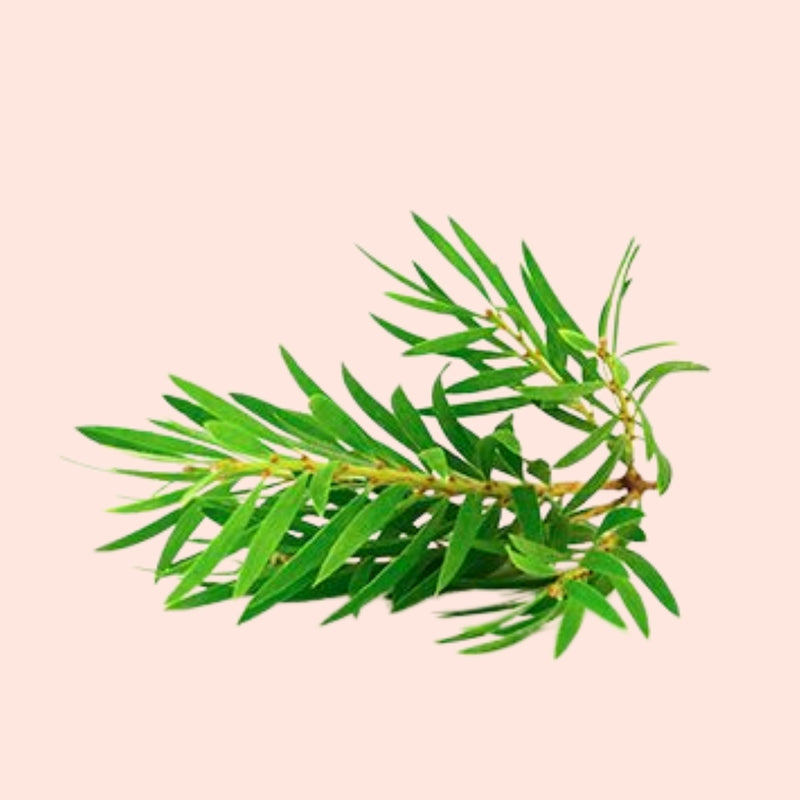
- 1 teaspoon Tea Tree Oil
- 1 tablespoon Coconut Oil
Directions:
- Combine all oils and apply directly to affected areas twice daily.
- Continue consistent application until symptoms subside.
- The combination of neem and tea tree oil accelerates healing and reduces redness, itching, and scaling.
Safety Precautions
Neem oil is potent and should be used with caution. Always perform a patch test before full application to prevent allergic reactions. Dilute neem oil with carrier oils for sensitive skin. Avoid contact with eyes and mucous membranes. Pregnant or breastfeeding women should consult a healthcare provider before use. Excessive application may cause irritation, use in moderation. Store in a cool, dark place to maintain potency and prevent rancidity.
Frequently Asked Questions
Neem oil is widely used, but new users often have questions regarding its safety, usage, and effectiveness. Addressing these can ensure maximum benefits while avoiding potential risks.
Q1. Is neem oil safe for skin?
Ans: Yes, neem oil is generally safe for most skin types when diluted appropriately. Patch testing is recommended for sensitive skin.
Q2. Can neem oil be used for itchy skin?
Ans: Yes, neem oil has anti-inflammatory properties that soothe itching caused by dryness, rashes, or minor infections.
Q3. Can we apply neem oil to the face?
Ans: Yes, it can be applied to the face. Use diluted oil for sensitive or acne-prone skin to prevent irritation.
Q4. Does neem oil make your skin lighter?
Ans: Neem oil does not bleach the skin but helps reduce blemishes, pigmentation, and scars, leading to a clearer complexion.
Q5. Does neem oil remove skin tags?
Ans: Neem oil may help reduce the size of small skin tags over time due to its antifungal and healing properties, but results vary.
Conclusion
Neem oil is a natural, versatile solution for skincare concerns, including acne, fungal infections, dryness, and irritation. Regular use nourishes, heals, and protects the skin while supporting overall skin health. Its antibacterial, antifungal, and moisturizing properties make it a valuable addition to any chemical-free skincare routine.
DISCLAIMER
This content is for informational purposes only and is not a substitute for professional medical advice, diagnosis, or treatment. Always consult a healthcare provider before using essential oils for any health condition.