
Patchouli candles bring a most cozy, natural and stabilizing aroma that instantly transforms a room into a relaxing and meditative one. Patriotism Patchouli Candles Homemade patchouli candles are inexpensive and may also provide a chance to experiment with the intensity of perfumes, type of waxes, and the containers of candles. Homecrafted patchouli candles have a wonderful and rich therapeutic scent that endures long, even when you are working on crafting, or you need the natural perfume.
Patchouli essential oil, which is acquired through the extraction of Pogostemon cablin plant leaves, is well known because of the relaxing and musky scent that helps in relieving stress and restoring emotional stability. With an extremely small amount of tools and materials, you can create personalized candies that suit your taste. It is a step-by-step tutorial on creating your own patchouli candles (soothing) with ease, what you require and the advantages of doing it.
Benefits of Homemade Patchouli Candles
Patchouli candles are an expensive and fragrant experience that will make one feel good and create a serene atmosphere. The fragrance is soft and natural and improves attitude, relaxes and even cleanses the interiors. The candles are also effective when it comes to the enhancement of mindfulness, relaxation, and enhancement of the mood in the house naturally.
1. Stress Reduction
Patchouli essential oil is not new due to its grounding and calming aroma and the mitigation of mental fatigue, tension, and stress. When it is burnt in the form of candles, its soothing smell fills the air and one feels to breathe in low and regular breaths. This will help in lowering the stress reaction of the body and stimulating the inner peace feelings. Candles made using patchouli are also known to be very calming for individuals who experience a problem of anxiety or emotional overload. The smell of the ground, as well as the light of candles, ensures that the ambiance is rather cozy and dreamy when it comes to finishing a stressful day. It might be a nice idea to have such candles as part of your evening routine to allow you to live a less stressed and more balanced life.
2. Enhances Meditation
Patchouli was once a significant spiritual practice because of its down to earth effects. Patchouli candle meditation is also helpful in stabilizing thoughts and clarifying. The steady smoke and slow vaporizing of aroma provide your mind with an opportunity to be serene, and you are merged with your spirit of breathing and thinking. It creates an atmosphere where you forget all the distracting factors and are more attentive. This smell is also a plus to the beginners of meditation, as it is natural in slowing the thought process. You could be doing yoga or writing or breaking to breathe or having quiet moments, but patchouli candles will take it to the next level, to the place where you can get a serene, meditative feel in the room.
3. Aromatherapy Cure
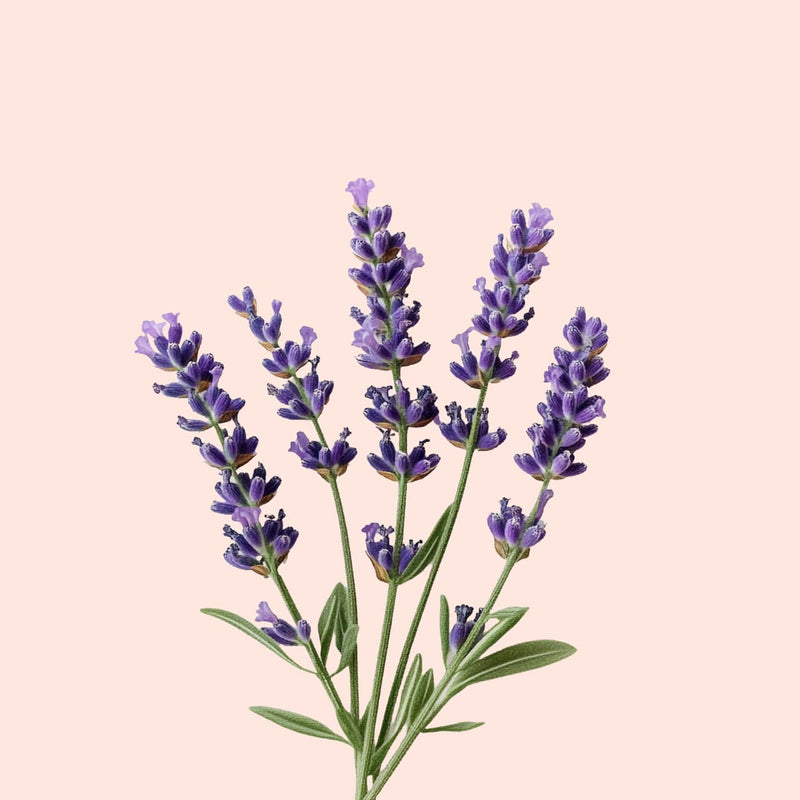
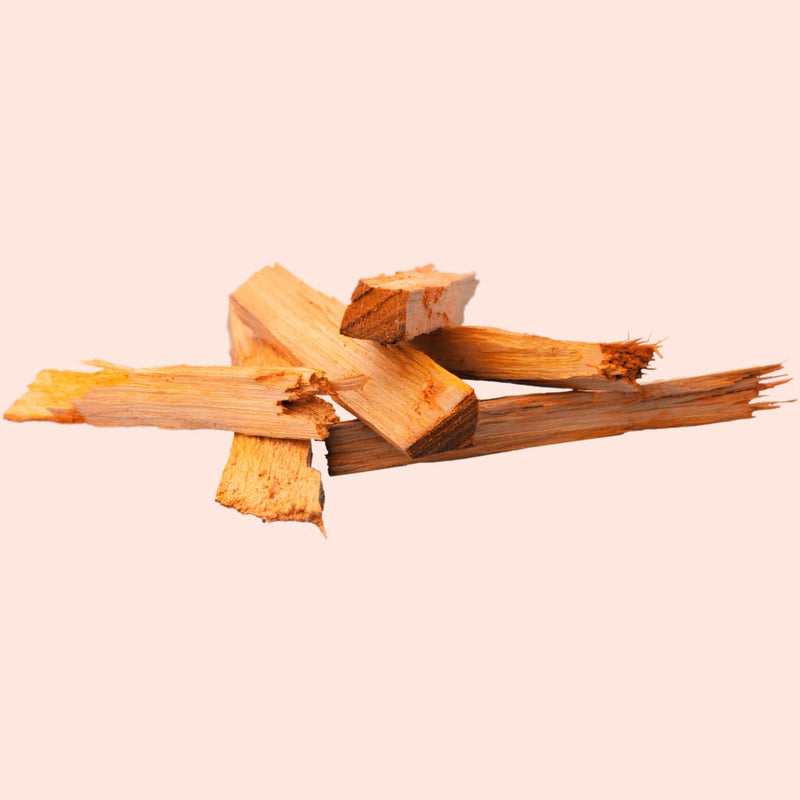
Patchouli has strong aromatherapeutic properties that are musky, sweet and almost spicy. It can make you feel good and reduce irritation, as well as make you feel warm. The scent is either nostalgic, relaxing or very sensual, and this too constitutes a component of the positive emotional context. Patchouli candles also come in handy when it comes to stabilizing mood swings and a sense of being grounded as an emotion. Thus, they are ideal when it comes to taking care of themselves, relaxing after work, or even making a dull room cozy and their home. The essential oil mixes readily with other aromas like lavender, sandalwood, citrus and vanilla to make its smell profile personal to add aromatherapy qualities to your candle.
4. Freshens The Air
Patchouli essential oil possesses natural olfactory qualities of air-purifying and deodorizing, besides the benefit of the emotions. In candles, it may be applied to help eliminate bad odors and leave the room with a pleasant scent of earth that will be experienced even after the candle has been extinguished. That is why patchouli candles may come in handy, especially in the living rooms, bedrooms and meditation rooms. The space smell is rustic, domestic and somehow exotic, a fact that is grounding and comforting to a great number of people. Furthermore, the thick odor of patchouli sprays in soy and beeswax candles, which evenly diffuse the odor of patchouli throughout the room, enhances your atmosphere in a natural way.
Homemade Patchouli Candles Ingredients
Patchouli candles can be made at home with some basic materials needed, which is necessary to make candle-making a way of making the process look smooth, safe and aromatic. The most desirable one would be the soy wax as it burns clean, has long scent throw and is natural. It is readily melted and blended with the essential oils. The other viable option is beeswax, which is more honey-scented and natural and burns more slowly.
The Patchouli Essential Oil, which is the major fragrance ingredient that makes the candle earthy, will also be needed. In order to achieve a strong smell, ensure that you apply pure and quality essential oil. It is necessary to use candle wicks, which may be of cotton or wood, depending on the container and the kind of wax. The size of the wick should be chosen, depending on the size of your jar. Candle containers made of metal, ceramic, and glass are the best, and they are resistant. You will also need a double boiler or a heat-safe bowl to melt the wax, a thermometer to regulate the temperature, a stirring spoon and wick stickers or hot glue to make sure that the wick does not float all around. Additives like Sandalwood Essential Oil to provide scent to the blend are optional, like the dye, botanicals, or complementary essential oils.
Diy Homemade Patchouli Candles Recipe: Step by Step
Patchouli candles are a pleasant practice that unites imagination and aromatherapy, creating candles at home. All these are elaborated in the following steps in order to empower both the novice and experienced crafters to come up with the finest candle. The use of temperature, wax content, and perfume content will give a satisfactory quality finish with a satisfactory scent discharge and clean burn.
Step 1: Prepare Your Workspace and Materials
The first step is to clean an open space that has good air circulation, where you will melt, pour and dry your candles without any discomfort. Put a newspaper or silicone mat to ensure that the wax does not stick to surfaces. Get ready all the supplies like the wax, patchouli essential oil, wicks, containers, thermometer and double boiler. Ensure that your containers are completely dry and are not dusted or have any residue, as a wet wax does not stick. The wick is to be attached to the centre of each container using either wick stickers or using a small portion of hot glue. Instead, attach the wick strictly by tying the wick to a wick holder or tying the wick to two pencils. The point is that you spend time setting up your place of work, and it assists in reducing the number of errors and making the process of candle-making more fruitful and pleasant.
Step 2: Melt the Wax Properly and Monitor the Temperature
Put a few inches of water in the bottom pot of your double boiler and put it on medium heat. Put in your wax, measuring the required amount in the top pot or heat-safe bowl. Slowly melt the wax, as it will not overheat and thus affect the scent throw and texture of the candle. Stir every now and then to make it melt. Heat the wax until it has melted to its recommended temperature with a thermometer - the recommended melting point of soy wax is 76 -82 C (170-180 F), and beeswax has a slightly higher melting point. To prevent excessive heating of the wax, which may discolour, smoke and damage the oil you will be adding to it later, do not allow the wax to overheat. This step is very important in regard to patience, to achieve the best quality of candles.
Step 3: Add Patchouli Essential Oil at the Right Time
When your wax has melted completely and is no longer in the heat, you may leave it to cool down a little, then add the necessary oil. Adding patchouli oil to the mixture is best done at about 60-65 o C (140-150 o F) to maintain the aromatic properties of the oil. You may also add the patchouli essential oil to the desired levels of fragrance; a 7-10% fragrance load is usually a good amount to add to strong scents. Blend gently and constantly for at least two minutes to make sure all the oil has been absorbed into the wax. This extensive mixing also contributes to the candle burning with an even smell over its entire duration of burning. You can also combine complementary oils such as sandalwood or bergamot in an attempt to create a more complex smell.
Step 4: Pour the Wax into Containers
Having your wax/ fragrance blend, carefully pour in your warm wax into your prepared containers. Pour gradually so as not to form bubbles and a smooth surface as the candle dries. Always have the wick in the middle with the support of a wick holder. This should be filled to the point of leaving a small opening at the top to avoid spillage. When pouring, do not shake the containers, which will lead to sinkholes, or the hardening of the material will not be even. Let the candles cool off at room temperature, free of direct sunlight or drafts. The process of cooling can take many hours, and gradually the wax will become firm and have a smooth, creamy surface.
Step 5: Cure the Candle and Trim the Wick
Your candle should be completely solidified before it is left to cure, and you can burn it after a period of at least 24-48 hours. Curing is the increase of scent throw and even burning. When healed, cut the wick down to approximately 1/4 inch (67mm) so that it does not produce a lot of soot or a lot of fire. When you see some flaws on the candle surface, be it small cracks or sinkholes, you can pour a little puddle of melted wax on it to fill in. Always make sure that the candle is completely cooled before the lid is put on it or used. When your patchouli candle is lit, proper curing would make the fragrance more pronounced and defined.
Safety Precautions
Safety should be a priority when dealing with wax and essential oils. Wax should never be heated directly, but instead by a double boiler in order to avoid overheating or fire risks. Always have the essential oils very diluted in wax because they become irritating to apply it simple to the skin. A patch test should be conducted in case you want to make contact with the candle often, particularly when you possess delicate skin. Keep the area well ventilated in order to prevent exposure to fumes of melting wax. Strong fragrances of essential oils should not be subjected to pregnant people, children and individuals with respiratory conditions over an extended period of time. Always remember never to leave a burning candle unattended and make sure that it is always out of reach of flammable items, pets and drafts. Each time you use it, trim the wick to eliminate soot and control the flame. These are some of the precautions that can enable you to enjoy your patchouli candles.
Frequently Asked Questions
Patchouli candles provide a unique smell and numerous health advantages, yet people have a lot of questions related to their intensity of smell, safety, and how to use them in the most effective way. The questions and answers below address these questions and allow you to better enjoy your candle.
Q1. What does a patchouli candle smell like, and how strong is the scent?
Ans: Patchouli candles are warm, earthy, musky, slightly sweet fragrances with woody undertones. The smell is rich and long-lasting and may be termed as grounding or sensual. Patchouli candles may have a very strong smell, depending on the concentration of essential oils and the type of wax used and will provide a good scent throw and fill medium to large rooms with ease.
Q2. Are patchouli candles good for relaxation, meditation, or stress relief?
Ans: Yes, patchouli candles are a good promoter of relaxation and grounding of emotions. The smell also decreases stress and promotes relaxation, as well as improving meditation. Patchouli candles are popular amongst various individuals who use them in yoga, journaling or deep breathing exercises since the smell of the candles helps to promote calmness and mental balance, thereby making them good in mindfulness practices.
Q3. Can patchouli candles trigger allergies or sensitivities in some people?
Ans: Patchouli is natural, but it can still cause sensitivities to people who are allergic to very strong essential oils or fragrances. The symptoms could be sneezing, mild respiratory irritation, or headache. First, it is more appropriate to test the candle in any well-ventilated area. Patchouli candles need to be used with caution by people who have asthma, fragrance sensitivity, or are highly allergic to it.
Q4. How long should a patchouli candle burn during each session for best results?
Ans: For optimal performance, burn your patchouli candle for 1.5 to 2 hours during each session. This allows the wax surface to melt evenly, preventing tunneling and improving scent throw. Avoid burning the candle for more than four hours at a time to reduce overheating, wick mushrooming, and essential-oil degradation.
Conclusion
Making patchouli candles at home is a rewarding and creative experience that adds warmth and aroma to any living space. With the right ingredients, careful preparation, and proper safety measures, you can craft high-quality candles that elevate relaxation, mood, and ambience. Enjoy the soothing, earthy scent as part of your daily self-care ritual.
DISCLAIMER
This content is for informational purposes only and is not a substitute for professional medical advice, diagnosis, or treatment. Always consult a healthcare provider before using essential oils for any health condition.