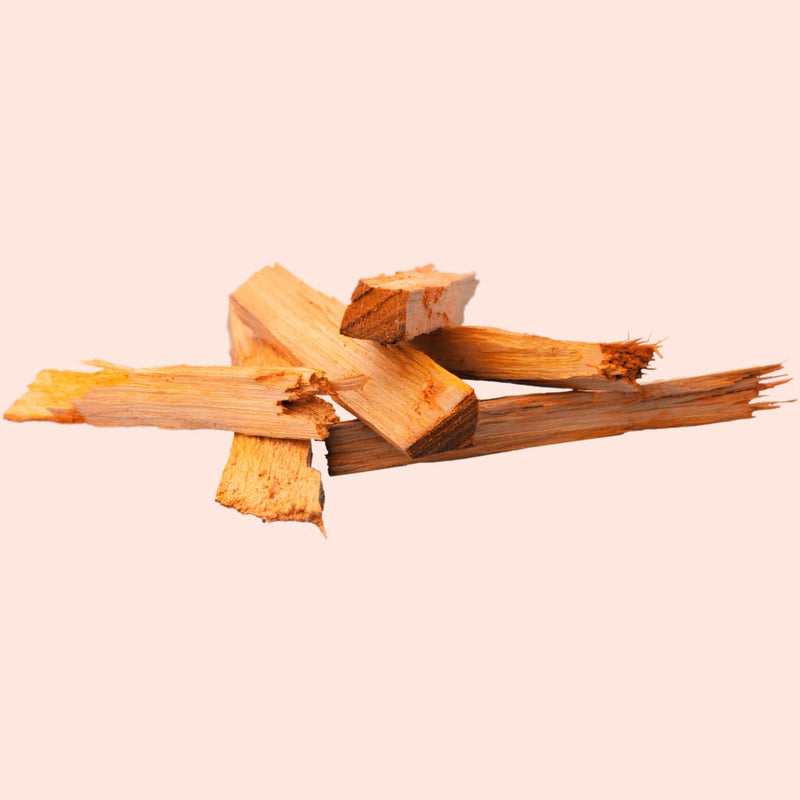

Sandalwood has been appreciated in skincare due to its calming, cooling and healing effects. A self-made footwear pack of sandalwood is a natural method of feeding, protecting, and improving the skin's appearance. Sandalwood is an ingredient that has essential oils, antioxidants, and anti-inflammatory plants that can be used to soothe agitated skin, redness, and acne.
A face pack prepared at home will give you the chance to regulate the ingredients, avoid harmful chemicals and create a safe and gentle one that would suit all types of skin. Sandalwood powder used with natural binders and moisturizers such as honey, yogurt or rose water would clean the pores so deeply, eliminate excessive oil, and lighten the skin shade. Consistency of a self-made sandalwood face pack enhances the texture of the skin, reduces the appearance of pores, and gives a shiny, smooth-skinned look. Also, it may help avoid the early aging process through diminishing fine lines and preserving skin elasticity.
Benefits of Homemade Sandalwood Face Pack
Sandalwood face packs that are home-made are loaded with nutrients that have a variety of implications for the skin. This soothes irritation as well as boosts radiance. These natural packs are nourishing, restorative and protective without the harshness of synthetic chemicals.
1. Calms Aggrieved
Sandalwood possesses natural cooling and anti-inflammatory which soothes irritated and inflamed skin. It is used to treat redness, itching and swelling associated with acne, sunburn or allergic reactions. Sandalwood face pack can be used on a regular basis to give relief to the sensitive skin, and to make the complexion balanced and calm. It is also effective when it comes to working in extreme environmental exposure, like heat and pollution, after which the skin is cooled, and stress-induced flare-ups are minimized.
2. Alleviates Acne
Sandalwood has antibacterial and antifungal properties, which help to fight acnes causing bacteria and prevent new breakouts. When used as a face pack, the sandalwood powder will remove excess moisture in the skin, decongest the pores and exfoliate the dead cells of the skin in a gentle manner. This helps to avoid blackheads, whiteheads, and pimples, as well as have a clearer and smoother surface of the skin. Regular application helps in maintaining flawless skin in the long run.
3. Lightens Skin
The natural powers of sandalwood are known to brighten the skin. The constant use of it assists in the decrease of pigmentation, dark areas, as well as unequal skin tone, and the appearance of a naturally radiant skin appears. Sandalwood face packs combined with natural moisturizers, such as honey or milk, help boost the luminousness of the skin and benefit the skin in a gentle manner. The face turns out to be healthier, younger, and fresher with the help of no harsh bleaching agents.
4. Hydrates Skin
When mixed with oils, milk, or yogurt, homemade sandalwood face packs nourish and hydrate the skin in a deep way. The pack acts as a shield, trapping in moisture and calming dry, flaky skin. It enhances the skin texture, making it soft, smooth and supple. Hydration and nourishment together also enhance the natural defenses of the skin against pollutants in the environment, hence preserving the skin in the long run.
Ingredients For Homemade Sandalwood Face Pack
The following ingredients will be required to make a multifunctional and useful homemade sandalwood face pack:
- Sandalwood Powder: This is the most important ingredient, which gives natural antiseptic, soothing and brightening properties.
- Rose Hydrosol: An excellent, mild astringent, a skin moisturizer, it is a paste that is smooth when combined with sandalwood.
- Honey: The natural humectant, skin moisturizer, and antibacterial, promotes skin hydration and the prevention of acne.
- Yogurt or Milk: Contains lactic acid, used to exfoliate softly and nourish the skin, making it softer.
- Aloe Vera Gel (Optional): Adds cooling and remedy properties, especially in case of irritated or sensitive skin.
- Lemon Juice (Optional, oily skin): This is a vitamin C and mild bleaching ingredient that is naturally present in lemons and is used to help correct pigmentation.
- Turmeric Powder (Optional, to give it antibacterial properties): Prevents inflammation and gives the skin a glowing appearance.
- Sandalwood Essential Oil: Soothes skin, reduces acne, and boosts natural glow (use 1–2 drops only).
These ingredients are regulated depending on your type of skin and your particular issues. In case of sensitive skin, do not use lemon or turmeric. In case of dry skin, it is important to underline the use of yogurt, honey or aloe vera to enhance the level of hydration.
How To Make Sandalwood Face Pack at Home
It is easy to make a homemade sandalwood face pack that is also customizable. Through the steps, you will be able to make a soft, chemical-free pack that can be used regularly to get the maximum benefits of sandalwood to your skin.
Step 1: Prepare and Measure the Ingredients
With a clean bowl, put 1 to 2 teaspoons of sandalwood powder. Add the same quantity of Rose Hydrosol or milk, about 1-2 teaspoons, or as many as you want. When working with honey, aloe vera, turmeric or lemon juice, the small amount (a few drops or 1/2 teaspoon) is to be measured so as not to overwhelm the pack. If using Sandalwood Essential Oil, add 1–2 drops only, properly diluted.
Step 2: Blend Ingredients in a Creamy Paste
The liquid ingredients are to be added slowly to the sandalwood powder, stirring at all times in order to prevent lumps. Stir until a smooth paste is produced. The paste must neither be too runny nor too thick. Tilting in more liquid or powder when necessary. Should you add other ingredients such as turmeric, aloe vera, etc., add them at this point evenly.
Step 3: Cleanse the Face
Wash your face using lukewarm water and a mild cleanser before applying the face pack to ensure your face is clean of dirt, oil and makeup. Blot the skin using a soft towel. Clean skin is better at absorbing the nutrients and allows the pack to work.
Step 4: Put on the Sandalwood Face Pack
Apply an even layer of the paste using clean fingers or a brush to your face and neck, but not under the eyes and lips. Pay attention to the areas that are likely to have acne, dark areas, or color imbalances. Use with no harsh rubbing because the aim of using it is to nourish, not to irritate, the skin.
Step 5: Let It Sit and Absorb
Wait 15-20 minutes with the face pack. In the process, the pack would dry a bit, and the active ingredients of the sandalwood and other components would go into the skin. In case of sensitive skin, you can decrease the duration to 10-15 minutes to prevent drying.
Step 6: Rinse Off the Pack
Wipe off the face pack with a soft wash using lukewarm water and rub the skin in circular movements. Hot water should be avoided because it can deprive the skin of moisture. Dry the skin using a clean towel. Apply a light moisture to seal in moisture.
Step 7: Repeat Regularly
For best results, use the homemade sandalwood face pack 2–3 times a week. Consistency allows the skin to benefit from sandalwood’s antibacterial, brightening, and nourishing properties over time.
Safety Precautions
While sandalwood face packs are generally safe for most skin types, a few precautions are recommended:
- Conduct a patch test before full application, particularly if you have sensitive skin, to check for allergic reactions.
- Avoid excessive use of lemon juice or turmeric, as it may cause irritation or temporary yellow staining.
- Do not apply near the eyes or lips to prevent irritation.
- Dilute the ingredients if using for the first time or for sensitive skin types.
- Keep the prepared paste in a cool environment if not using it immediately, but avoid storing it for more than 1–2 days.
- People with open wounds, cuts, or severe skin conditions should consult a dermatologist before use.
Frequently Asked Questions
Sandalwood face packs are widely used, but many people have common questions about their effectiveness, recipes, and frequency of use. Understanding these aspects can help maximize benefits and prevent potential issues.
Q1. What are the benefits of using sandalwood in face masks?
Ans: Sandalwood in face masks helps soothe inflammation, reduce acne, fight bacteria, and brighten the skin. It can also calm sensitive skin, minimize dark spots, and enhance skin elasticity. Combined with natural ingredients, it nourishes, hydrates, and promotes an even, radiant complexion.
Q2. What are the best sandal face pack recipes?
Ans: Some popular sandalwood face pack recipes include:
- Sandalwood + rose Hydrosol for soothing and oil control
- Sandalwood + yogurt + honey for hydration and gentle exfoliation
- Sandalwood + aloe vera for cooling and healing irritated skin
- Sandalwood + turmeric + milk for brightening and acne reduction
Q3. Is it good to apply sandalwood on the face daily?
Ans: Daily application is not recommended for most people as it may dry out the skin. Using the face pack 2–3 times a week is sufficient to provide nourishment, prevent irritation, and maintain skin balance. Overuse may lead to dryness or sensitivity in certain skin types.
Conclusion
Homemade sandalwood face packs are an effective, natural way to improve skin health, reduce acne, soothe irritation, and brighten the complexion. By customizing ingredients and following proper usage instructions, you can enjoy the full benefits of sandalwood while avoiding harsh chemicals. Regular use promotes soft, radiant, and healthy skin naturally.
DISCLAIMER
This content is for informational purposes only and is not a substitute for professional medical advice, diagnosis, or treatment. Always consult a healthcare provider before using essential oils for any health condition.