
The Myrrh Perfume is an extremely ancient and valuable fragrance in the world and is a warm, earthy and resinous perfume that has been beloved since time immemorial. You can not only save the immortality of this sacred fragrance by preparing myrrh perfume at home, but also make it more familiar to your person. Homemade perfume gives an opportunity to work with pure and natural ingredients and not to involve artificial fragrances and chemicals used in the majority of commercial perfumes.
Myrrh is actually a very fine combination of warm spices, woods, florals and citruses; hence, it could be mixed with any other ingredient to come up with an endless number of odors that could represent your specific taste and style. Myrrh would be the perfect foundation, whether you intend to use it in your day-to-day life, apply it on someone as a soothing blend, or use it as an inspiration-induced perfume of the spirit. The paper outlines the benefits of this, how to prepare your own perfume, the precautions, tips, and the top commonly asked questions.
Benefits of Homemade Myrrh Perfume
Myrrh Perfume is a special gift that does have its number of specific advantages to making it at home. Besides being a pleasant aroma, myrrh has some potential therapeutic benefits that can also be applied to elevate the mood, reduce stress, and induce some sense of inner peace. Visiting a perfume shop to create your own perfume can ensure veganity, customization, and the added appeal of the taste that you produce.
1. Environmentally Friendly
The key benefit of home-made myrrh perfume is that only natural and pure ingredients are used. Myrrh is a crucial oil that is extracted by making resin of the Commiphora tree and consists of no added synthetic ingredients. In the case of your own perfume, you can decide what to include in it, and the probability of being annoyed by artificial chemicals or fixatives is reduced to a minimum. Natural myrrh oil is soft and strong, but has been used in the old traditional manner as a result of its medicinal and relaxing properties. It will particularly suit those who prefer safer and healthier alternatives to shopping for perfumes that are typically prepared using alcohols, parabens and fake perfumes.
2. Long-lasting Aroma
Myrrh is greatly believed to be long-lasting and deep. It is a natural base note and prolongs the wear and tear of your perfume due to the existence of other smells. Handmade myrrh perfume gives full control of the level and concentration, and you can produce a perfume that would stay all day long, beautifully fragrant. When combined with other complementary oils like sandalwood, orange, patchouli or rose, myrrh will create a warm and luxurious smell and linger longer on the skin. It is such a multi-faceted effect that enhances the perfume further as it is more high-end and memorable.
3. Customizable Scent Profile
The other notable advantage is that you will be able to craft your own perfume according to the way you want it. Myrrh is a resinous substance that is smoky and sweet smelling and is able to be mixed with a large amount of essential oils, and can be mixed indefinitely. You can prepare a ground and earthly, flowery and romantic, spicy and warm, and bright and orange perfume. Compared to the commercial perfumes and their set formula, the adapted perfume will have the opportunity to alter top, middle, and bottom aromatic constituents until the mix fits perfectly with your own personal style. This is freedom of art that renders your perfume very special and important.
4. Aromatherapy Advantages
Myrrh is an ancient emotional, spiritual and curative product. Its smell is so relaxing and calming, and its aroma helps one to feel calm, grounded and clear minded, hence it is advisable to relieve stress and relax. You can make a self-made myrrh perfume that would be your morning routine to calm yourself down and ground yourself. It will be combined with such oils as lavender oil or frankincense to create a calming scent and aid in meditation and emotional control. The activity of preparing your perfume further gets you closer to the perfume, thus making it a relaxing and personal feeling.
How To Make Myrrh Perfume at Home
The process of creating myrrh perfume at home is an enjoyable one, as you can work on natural oils up to a small extent and create a smell that seems to be more attractive to you. It involves mixing the necessary oils in proper strata, mixing them with a carrier substance and ageing the masterpiece so that the perfume smells even and homogenous.
Step-by-Step Method
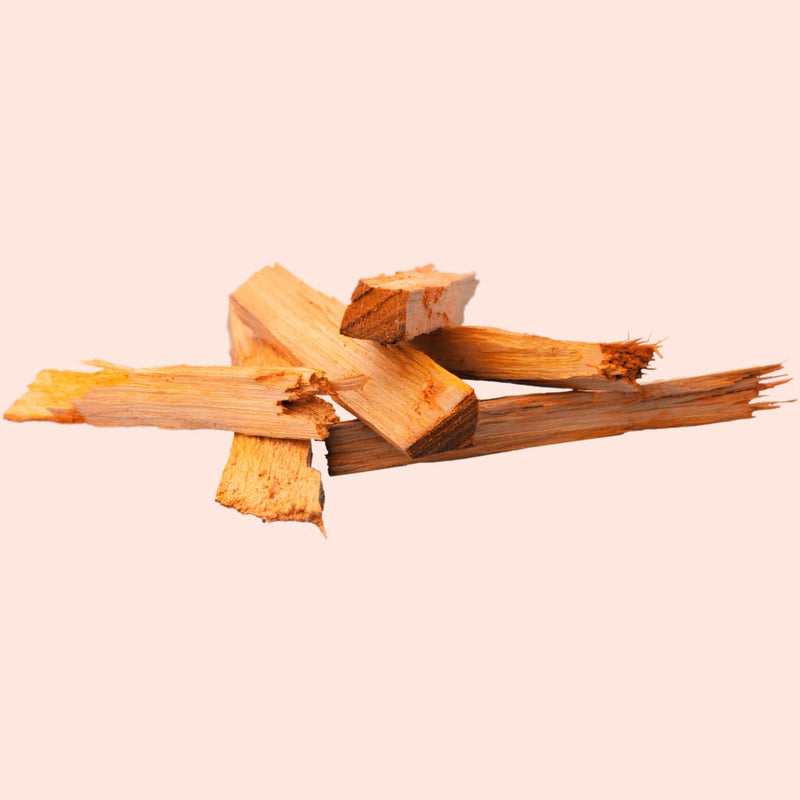
The steps to be followed would be first cleaning a dark and clear bottle of perfume with alcohol so that there are no impurities that would interfere with the smell. Use the Myrrh Essential Oil as your base note, then there are other base notes, such as Sandalwood Essential Oil. These make the basis of the perfume. Then put in the middle ones, such as rose, geranium, or patchouli, to ensure it is warm and has a personality.
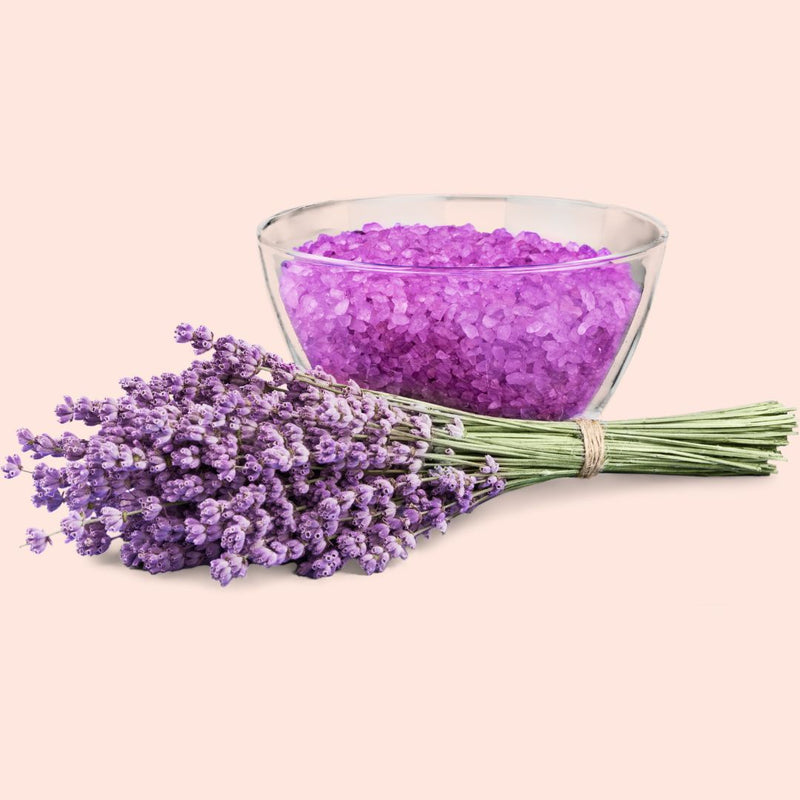
Next, use the notes on the top, such as Lavender Essential Oil, which will bring the freshness and the first impression of the perfume. When the layers of the Essential Oils are complete, add perfumer's alcohol or high proof vodka to dilute the ingredients and keep them together. In softening the blend, a small amount of distilled water will be added. Cover the bottle with the lid and shake the bottle in order to mix the oils. The perfume must be left to dry for at least two or four weeks in a cool and dark environment, with the perfume shaken after every few days to have the perfume mature and harmonize.
Tips For Making Myrrh Perfume at Home
The essential oils utilised, especially the pure myrrh, should be of a high quality since the smell largely depends on the purity of the ingredients. Start with smaller experimental batches in order to optimise the ingredient mixture. One will not need to loudly stimulate the scent by applying excessive amounts of harsh oils to it; cultivate the scent gradually. The perfume gains little, so it will be good to wait a few weeks. The sunlight reduces the shelf life of your perfume and the fragrance in it, and thus, keep your perfume in dark glasses.
Safety Precautions
Use of myrrh essential oil should always be mixed with water and then applied onto the skin, since pure myrrh is placed on the dermis, its impact may be irritating or even sensitive. Patch test- Trace a drop of dilute perfume on the inner elbow or inner wrist, wait 24 hours to determine whether or not a negative reaction would occur.
Perfume should not be applied to the broken, sensitive parts of the skin or to the highly sensitive parts. One must consult a professional about the usage of myrrh essential oil before pregnancy or breastfeeding because not all people can always use high-potency resins, which are healthy. You should not leave the perfume behind with the children and pets, and should ensure it is locked. Clean your working place, clean your bottles and oils you pour on the skin should be certified as being safe.
Frequently Asked Questions
There are numerous questions common with myrrh perfume, before its production, both about the origin, the smell and the life of the product. The following are some of the frequently asked questions that aid in understanding the way myrrh performs in perfumes and the result you may expect from your home mixture.
Q1. Is myrrh used to make perfume?
Ans: Yes, myrrh had been employed for thousands of years in perfumes, incense and religious mixtures. It is a very rich, resinous smelling base note, which is used very much in conventional and contemporary perfumes.
Q2. What does myrrh smell like?
Ans: Myrrh is warm, earthy, smoky and interiorly sweet smelling. It is usually a musty, balsamic, grounding fragrance, which has slight tinges of spice.
Q3. How long does homemade myrrh perfume last?
Ans: The usual rate of homemade myrrh perfume is between 6 and 12 hours on the skin, depending on concentration and the type of skin. Myrrh is a potent bass note, thus making the perfume stay longer on both the flesh and the clothes.
Conclusion
To create natural prices of fragrance is an appealing experience; and having been able to associate with one of the most sacred smells in history, homemade myrrh perfume is the best way to practice it. The warm, resinous scent is easily mixed with most of the essential oils, and therefore, there is no limit to the creativity. Through careful blending, appropriate dilution and time taken in the aging process, you will be able to create an opulent, long-lasting perfume that not only suggests your personal style but also provides not only the sense of smell but also emotional satisfaction.
DISCLAIMER
This content is for informational purposes only and is not a substitute for professional medical advice, diagnosis, or treatment. Always consult a healthcare provider before using essential oils for any health condition.