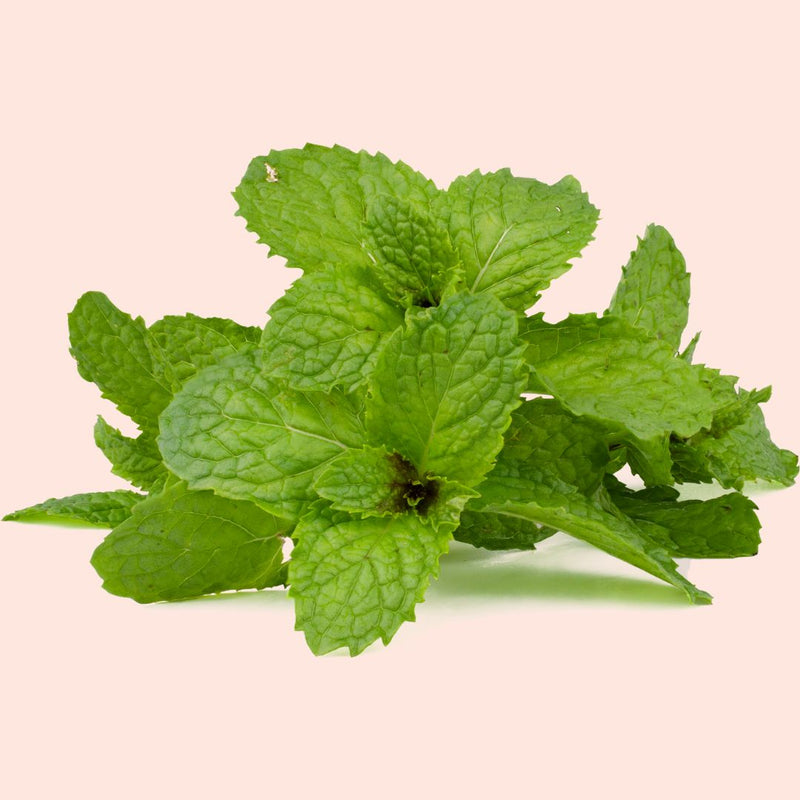

Another natural remedy that is mostly utilised to treat a headache is peppermint essential oil due to its cooling, relaxing, and pain-killing properties. It is a peppermint oil that is extracted, and it is made up of menthol, which aids in relaxing the tight muscles, enhances blood flow and relieves pain.
The invigorating aroma it possesses also makes it psychologically clear and helps in reducing stress and improving breathing. Many people find it a convenient replacement for pain-relieving drugs by peppermint essential oil, which is mild in nature. It could be tension headaches or even sinus pressure, or the pains brought about by the stress, or in any case, peppermint essential oil can come to the rescue quickly and painlessly. Nevertheless, it could be considered a versatile supplement to any exercise program due to its ability to provide not only short-term but also permanent relaxation.
Benefits of Peppermint Essential Oil for Headache Treatment
Peppermint Essential Oil has numerous benefits when it comes to headache treatment; the same is primarily due to its analgesic, anti-inflammatory, and cooling effects. It acts on both the corporeal and cerebral levels, releases the pain and tension of the tight muscles, and liberates the nasal congestion. These properties make it suitable for tension headache, migraine and pains related to sinus conditions.
1. Menthol Natural Analgesic
Menthol is the main part of peppermint oil that creates an impression of a sense of coolness, which relieves the pain. Its mechanism of action is that it activates cold receptors on the skin, which decreases pain sensation on the skin and desensitises them. This is better with headaches induced by tension and stress. Menthol is also used to relax the muscles of the neck and scalp, which could be the largest contributor to the pain of a headache.
2. Lowers Muscle Stiffness
Many headaches are caused by tight muscles in the neck, shoulders or temples, which are generally brought about by stress or incorrect posture. Peppermint essential oil is applied to relax this muscle tension by enhancing usual relaxation by increasing circulation. It may also be applied topically, and in this case, it is able to relieve the stiffness, and it also serves to relieve the pressure which occurs at the head. This especially helps in tension headaches or those caused by screen time hours.
3. Enhances Sinus Drainage
Sinus headache has been caused by congested nose passages or inflamed passages leading to pressure of the cheeks, forehead or around the eyes. The smell or the smell of peppermint oil makes it possible to open the airways and to breathe easily. Menthol vapours cause the mucus to become watery, relieve inflammation, and boost the emptying of sinuses, which cause pressure and pain. In a similar manner, peppermint oil could be applied in pain relief to relieve sinus pain immediately and inhale the oil to avoid its subsequent obstruction.
4. Enhances Mental Assistance
Stress and mental fatigue are usually a source of headaches. Peppermint oil is therapeutic and revitalises the mind, providing it with focus. Its smell can be used to reduce stress, fatigue, and nervousness brought about by anxiety, which is a stress-inducing factor in students, resulting in headaches. The peppermint oil will help enhance focus and mood and develop a relaxing effect on the nervous system, in case it gets inhaled. This kind of sensation will prevent the occurrence of headaches attributed to stress and will assist in attaining the general sense of well-being.
How To Use Peppermint Essential Oil for Headache
Depending on the nature and seriousness of a headache, there are several methods of applying peppermint essential oil. When applied to the skin, inhaled or placed in a diffuser, it works well in calming the effect and relaxing. It may be subjected to maximum benefit without any irritation when properly diluted and used safely.
1. Topical Application to Temples and Neck
Pain relief in a headache is one of the fastest mechanisms that can be implemented by applying diluted peppermint oil to the temples, forehead or the back of the neck. The tension is instantly relieved by the coldness of menthol, and a fragrance causes relaxation. The ideal method is in cases of tension and stress-related headaches. Again, add some drops of a carrier oil to avoid irritation. It is also a good idea to massage the oil into the skin since it will increase the flow of blood and will enable the muscles to relax more.
2. Steam Inhalation for Sinus Headache
The effects of the peppermint oil are obtained in the deepest depths of the nasal passages through the steam inhalation technique. Even a drop or two of oil in hot water dipped in the vapour is a speedy cure of sinus congestion, a frequent source of headaches. The hot steam enables the mucus to loosen up, and the menthol dilates the airways and reduces the pressure in the head and face. The method can especially be applied to sinus infections, colds, or allergic headaches.
3. Stress and Fatigue Relief Diffusion
It is possible to use the peppermint essential oil in a diffuser to circulate its refreshing scent throughout the entire room. The method can be useful when dealing with stress, mental fatigue, or headaches caused by a lack of concentration. The aroma facilitates the mind, reduces stress, and sharpens the brain. Diffusion is a non-invasive and non-coercive way of experiencing the effects of the oil without necessarily having to touch it on the flesh. It also benefits the surroundings where you are and aids in relaxing during the day.
4. Ice Tube with Peppermint Oil
Cold compresses of peppermint oil are applied in order to relieve pain in a headache due to inflammation or heat. A cool compress is prepared in cold water, into which a few drops of peppermint oil are mixed, and a cloth moistened in this is laid on the forehead. Losing temperature of the air and the cooling action caused by the menthol will reduce the swellings of the body, dead pains, and tense muscles. It is also beneficial, especially in migraine-like headaches, as well as heat-induced headaches.
DIY Peppermint Essential Oil Recipe for Headache Relief
Peppermint essential oil is an effective natural remedy for headaches as it has the cooling effects, analgesic effects and relaxing effects on the muscles. It provides tension, sinus and migraine relief as well as inducing a general state of mental clarity and calm. With the proper and safe use, it may be a great supplement to your wellness session.
Ingredients
- Peppermint Essential Oil
- Carrier oil (coconut oil)
- Optional: Cold water or warm water for compresses
- Optional: Diffuser or steam bowl for inhalation
Directions
- In topical application, a teaspoon of carrier oil should be mixed with 2 -3 drops of peppermint essential oil.
- Rub on the temples, forehead, or back of the neck.
- To inhale, 2 or 4 drops should be inhaled in a bowl of hot water or in a diffuser.
- With compresses, place the oil into a mixture with water and rub on a cloth to the affected area.
Safety Precautions
Peppermint essential oil should always be diluted prior to application to the skin to prevent irritability to the skin. Carry out a patch test by applying a little of the oil that has been diluted in your inner forearm and wait 24 hrs. The oil should not be applied around the eyes, on ripped skin, or on delicate spots. Pregnant women, breastfeeding women, young children, and asthma or epileptic patients should also seek the advice of a doctor before taking it. Peppermint essential oil should not in any case be ingested without a doctor prescribing it.
Frequently Asked Questions
The use of essential oil in the form of peppermint has been widely accepted as a natural remedy to get rid of headaches, and most individuals complain that they have common questions regarding its effectiveness and safety. The following are responses to the most commonly posed questions as far as its benefits and applications are concerned.
Q1: Does peppermint essential oil help with headaches?
Ans: Yes, peppermint essential oil would be useful in alleviating all forms of headaches, such as tension, sinus, and migraine headaches. It is also cooled in nature because of menthol, decreasing pain and tightening the muscles, and increasing the circulation of air, which helps decrease pressure. It is also effective when used in stress-related headaches as well as in improving mental clarity and relieving stress. Peppermint oil is a natural and fast-acting remedy, and when utilised correctly will be beneficial.
Q2: How to use peppermint essential oil for headaches?
Ans: There are various ways in which you can incorporate peppermint essential oil in treating headaches. To get fast responses, pour some oil on your neck, forehead or temples. In case of sinus headaches, steam inhalation is applied to open passages in the nose and relieve the pressure. Spreading the oil will alleviate headaches emanating from stress by inducing relaxation. A cold compress with peppermint can also be used on the area of a migraine or discomfort from heat.
Conclusion
Peppermint essential oil is a very effective and diverse natural cure for headaches and serves promptly with its cooling effects, pain-relieving effects and relaxation effects on the memory muscles. It can be used topically, inhaled or in a diffuser, and it can be used to promote physical comfort and mental rest. About health and safety, it is a dependable component of your health program.
DISCLAIMER
This content is for informational purposes only and is not a substitute for professional medical advice, diagnosis, or treatment. Always consult a healthcare provider before using essential oils for any health condition.