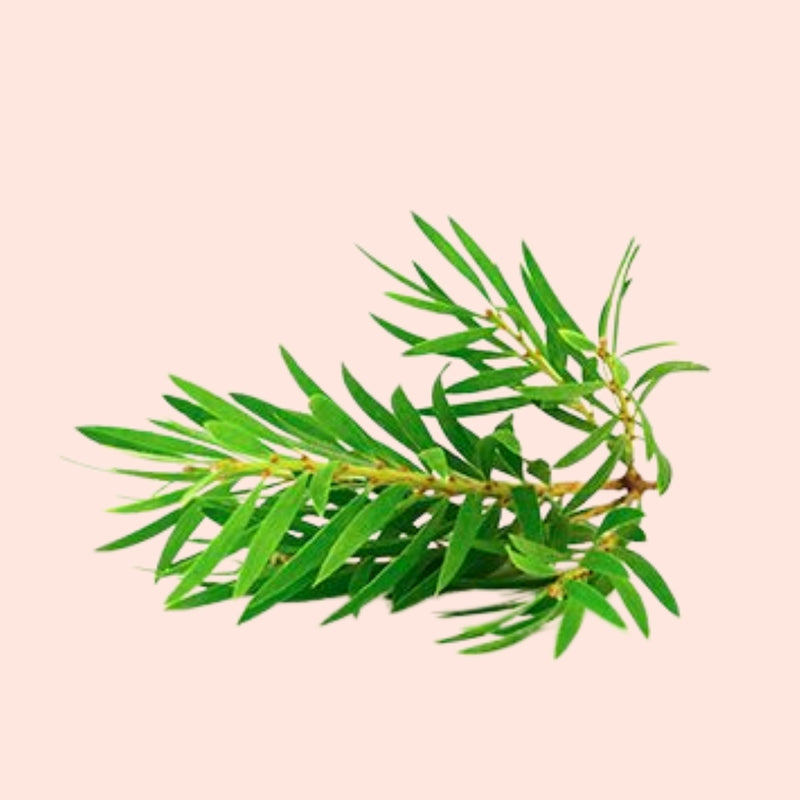

The Tea Tree Oil soap is one of the refreshing, cleansing, and therapeutic soaps that one can make at home. Antibacterial, antifungal, and anti-inflammatory properties were attributed to the tea tree oil, and this has made it highly popular and used as a natural skincare cure. You can experience the benefits of tea tree oil soap by making your own soap, which would be soft on the skin and be used on an everyday basis.
This is a homemade method that does not use harsh chemicals, and you are in complete control of the ingredients, which are left as the pure and nourishing bar of soap. A melt-and-pour base is also accessible and user-friendly for those learners with lesser proficiency. This soap can be called your good soap, whether you want to render your skin clearer, relieve yourself of irritation, or simply have a deep cleanse, as this soap is an excellent addition to your skincare routine. This implies that having some basic equipment, natural materials, and a few precautions in place, it is possible to create a good tea tree oil soap even in the home.
Benefits of Tea Tree Oil Soap
The tea tree oil soap has vigorous cleaning and purifying qualities, which incline toward healthy skin. It is organic, and it has antibacterial effects, which makes it the most suitable product that can deal with acne, perfume, and fungus. It may be applied as a daily cleanser, but mild enough and efficient enough when combined with a nourishing soap base, which allows it to be applied to different classes of skin.
1. Major Cleaning & Detoxification
Tea tree oil is beneficial in washing off dirt, extra oils, and impurities that are lodged in the pores and therefore leave your skin fresh and clean. The soap penetrates the skin with ease by clearing the pores to ensure that the natural body moisture of the skin remains intact. It is also detoxifying, hence most appropriate to the individuals who either reside in the polluted regions or sweat a lot. They can be applied on the skin on a regular basis without the use of abusive chemical cleansers, resulting in a clean and healthy-looking skin.
2. Antifungal & Natural Antibacterial Protection
One of the best things about tea tree oils is the fact that it does not encourage taking medicine as a means of fighting bacteria, fungi, and microbes. In soap, it is reputed to aid in the removal of the concentration of bacteria on the skin, which could lead to acne, body odor, and breakouts. Under such circumstances, the antifungal attributes of the soap can be conveniently applied to fungus or even athlete's feet. This benefit makes the tea tree oil soap a suitable choice among gym-goers, teenagers, and individuals who have bacteria-sensitive skin.
3. Lessens Swellings & Soothes Irritation
The ingredients of tea tree oil reduce the redness, irritation, and swelling. This makes the soap especially applicable in the situation of sensitive, irritated, or acne-prone skin. It helps in settling inflammation as a result of environmental stress factors or mild skin responses. Naturally, in the case of constant use, it will contribute to the reduction of the number of flare-ups, along with the pain, thus facilitating the appearance of the skin, making it look more balanced and even. Its cool effect is not difficult but rather provides a delicate remedy, but does not rob the skin of its moisture.
4. Helps Get a Clearer Skin & Breakout Prevention
Another highly popular way in which tea tree oil is used is in the treatment of acne since the oil has the ability to reduce excessive production of oil and to fight bacteria responsible for causing acne. When applied to the soap, it will help to prevent new breakouts and gradually heal the existing ones. It has a decongesting action of the pores in the skin, clears the complexion in the long run, and it is a cleansing action. The tea tree oil soap is one of those that is widely used by people who cannot beat recurrent pimples or body skin acne.
Ingredients for Tea Tree Oil Soap
The self-created tea tree oil soap will need a few simple natural materials that, when mixed, will wash, hydrate, and safeguard the skin. Melt-and-pour soap base is the best option because it requires no work with harsh chemicals, and one can simply add beneficial ones to it. The tea tree essential oil will contain such benefits as antibacterial and antifungal effects, and the best thing is that we will have a supply of vitamin E and aloe vera, which act to provide nourishment. There is also an option of adding botanicals or natural colorants to lend some richness to the same. Each of the ingredients serves the purpose of the soap, which is to create a mild and effective cleanser that helps in keeping the skin healthy. You should also be aware of all the components in case you need to make the soap different to suit the type of skin and your taste.
Ingredients:
- Soap base melted down (glycerin, shea butter, or goat milk)
- Tea Tree Essential Oil
- Vitamin E Oil (Optional)
- Juice or Aloe Vera Gel (Optional)
- Natural Colorants (Optional)
- Dried herbs to be used, like neem or rosemary, are optional
- Rubbing alcohol spray
- Soap molds
- A bowl and a double boiler that are heat-resistant
- Mixing spoon
How To Make Tea Tree Soap?
Fragrance: Preparation of the tea tree oil soap is highly simple and contains a few steps, which can be conducted at home. To make the soap, it is possible to use a melt-and-pour base, which makes the process much safer and easier, as opposed to the conventional making of soaps using lye. The steps that the individual undergoes make the soap soft, efficient, balanced, and powerful with the effective properties of tea tree.
Step1: The Soap Base is Melted
It begins with the cutting of your melt and pour soap base into cubes of equal size. This helps in melting the base without burning and becoming too liquid. Frankenstein cubes in a microwaveable or a double boiler. He/she should keep the fire at low intensity in case of the use of a double boiler and stir it occasionally to avoid too much heat. To ensure no bubbles develop or scorching occurs, one should heat for 20-30 second intervals with stirring between them under the assumption of melting in a microwave. This is to make sure that the base is melted to a smooth and free lump surface. One should ensure that tea tree oil does not solidify, otherwise later it will not be combined to produce a homogenous texture of the soap.
Step 2: Tea Tree Oil & Some Supplementary Ingredients
Once the soap base is fully melted form remove it from the heat and allow it to cool. It is an essential measure because, as the essential oils are added to the very hot soap, there is a risk of their deactivation, as well as alteration of the odor. Add 10-15 drops of the tea tree oil, depending on how strong the aroma and the healing effect that you wish. Mix gently and carefully in order to make sure that the oil is mixed well. At this point, additional products such as oil of vitamin E, aloe vera, or dried herbs are to be added (the last ones are optional). The additions added make the additive more moist, add calming properties, and enhance the feel of the soap. It must be mixed gently because it should not bring on air bubbles, hence making the finish smoother.
Step 3: Adding The Mixture Into Molds
Ready your molds of soap by spraying rubbing alcohol to minimize the creation of bubbles. Slowly pour the mixture of soaps into the molds, and be careful that not a single drop hangs on the sides of the mold. This is a slow-pour technique that avoids the air that could be trapped, producing clean, and professional-looking bars. Bubbles can be formed on the surface; in this case, spray them with a small amount of rubbing alcohol in order to rupture them. Let the molds filled stand freely on a planing surface. This will ensure that the soap is molded evenly in shape and will not have any dents or cracks in the outer texture. The right pouring makes the bar look soft and attractive to the visual appearance.
Step 4: Cooling, Unmolding & Curing of the Soap
Allow the soap to cool down to room temperature and leave it to dry out for several hours according to the size of the molds that you have. It is also important not to load the molds into the freezer at once and swiftly change the temperature because of the possible cracking. When the soap has solidified and is well set, pressing the molds would help to roll out the bars. In case they rebel, then give them time to sleep. To achieve this, the soap should be unmolded and allowed to cure for 24-48 hours in order to develop fragrance, firm texture, and increase durability. Resourceful curing creates a lasting duration of usage, as well as the provision of the uniform benefits of the soap.
Safety Measures
In the case of tea tree oil, an individual should constantly use it in dilution, as pure oil will cause irritation to the delicate skin. Before application of the soap, perform a patch test to establish whether the soap is allergenic. Individuals with extremely dry, very sensitive skin and those with eczema must exercise caution with tea tree oil soap as it is too strong in antibacterial properties and thus can dry out. Always put away the essential oils of the eyes, children, and pets. When keeping your homemade soap, it is always necessary to put it in a dry and cool area to avoid the process of sweating or bacteria.
Frequently Asked Questions
These are some of the typical questions that people pose prior to using or producing the tea tree oil soap. These responses can explain the way of functionality of this soap, its advantages and suitability, and its applicability to various kinds of skin.
Q1: Does tea tree oil soap kill bacteria?
Ans: Yes, the tea tree oil soap possesses the ability to interact with bacteria on the skin, as it is antibacterial. This renders it effective in the cleaning, body odor prevention, and the reduction of microbes that cause acne.
Q2: Is tea tree oil soap good for skin?
Ans: Tea tree oil soap has great attributes for the oily acne-prone, and bacteria-prone skin. It is a deep cleanser, giving calming power to inflammation, and helping keep the skin clearer. In case of dry skin, it must be applied along with moisturizers.
Q3: Can you use tea tree oil soap on your face?
Ans: There are various ways in which the tea tree oil soap can be used on the face, and most especially on skin susceptible to acne. Nevertheless, patch testing is a prerequisite that needs to be used with a mild moisturizer so that it does not dry.
Q4: Does tea tree soap dry out skin?
Ans: It can lead to drying of certain skin types, particularly the sensitive or already dry skin. It is possible to use a moisturizer with hydrating properties to counterbalance the level of moisture following a washing process.
Q5: Does tea tree oil soap help acne?
Ans: Yes, the tea tree oil is confirmed to be helpful in the reduction of acne by combating bacteria, decreasing inflammation, and eliminating congested pores. The body and facial acne can also be a great advantage when frequently used.
Conclusion
This is a refreshing cleanser that you can easily prepare at home using tea tree oil soap because it is effective and very natural. This is a simple soap that can be made using simple ingredients and with careful steps to create a soap that will clean and nourish the skin, making it healthy. Add some flavor to your soap to make it last longer without any skin irritations.
DISCLAIMER
This content is for informational purposes only and is not a substitute for professional medical advice, diagnosis, or treatment. Always consult a healthcare provider before using essential oils for any health condition.