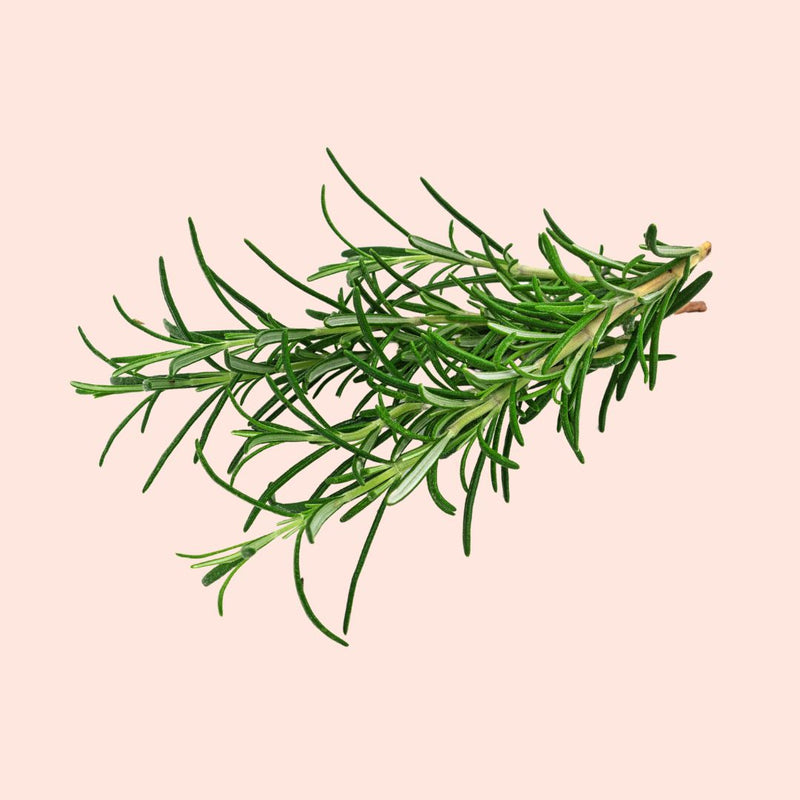

Rosemary soap may be regarded as one of the most refreshing and universal herbal skincare products which may be made one can make at home. Unlike other herbs, rosemary has been used for quite some time with its cooling smell and its medicinal value to keep the skin and circulatory system, and provide mild cleansing. Having made rosemary soap at home, it is possible to control the quality of materials employed, avoid harsh chemicals employed in some commercial rosemary soaps and have a well-made and personalized, enriching bar unique to your needs in skincare.
It is extremely simple, simple to study, and it is appropriate for every individual who would desire to possess natural beauty remedies. Melt-and-pour soap is a technique of preparing wonderfully smelly rosemary soap without the lye or the complications of the cold-process technique. Rosemary soap is more of an experience, whether you are in need of adding to your skincare regimen, hand-crafted gifts, or herbal wellness. Its cozy and fresh scent and slight herbaceous benefits make every bar so comforting, cooling and stimulating that it will be difficult to have a better and more enjoyable experience using them daily.
Benefits of Homemade Rosemary Soap
Rosemary soap is associated with many benefits, such as enhanced circulation and moisture to antibacterial cleansing. Its herbs are natural, and thus it is the most appropriate to use by people who want soft but effective skincare. Home recipes are most useful because they do not include synthetic irritants, thereby excluding the therapeutic value of rosemary.
1. Revitalizes The Skin
Rosemary is equally known to be a stimulating herb since it was known to accelerate the blood flow when used on the skin. Washing with rosemary soap on a regular basis will make your skin appear healthier, fresher and more radiant. The circulation is heightened to enhance the circulation of nutrients to the skin surface, creating natural radiance and energy. This benefit can also be used in a situation where one is worried about slight puffiness, dullness or tired skin. This feeling is enhanced by a warm and invigorating aroma of rosemary, and your process of bathing is stimulating and invigorating. That is why this revitalizing property is particularly helpful in the morning or after a long and exhausting day when your skin requires a re-energizer.
2. Offers Antibacterial
Rosemary is also an inherent antibacterial and antimicrobial, and therefore, can clean the skin without causing it to lose the required moisture. Rosemary soap is a gentle cleaning agent for dirt, sweat, and impurities and helps to cleanse the skin, making it purer and cleaner. It is also antibacterial and could be beneficial in reducing the accumulation of bacteria that can result in body odour or slight acne development on some parts of the body, such as the back or shoulders. The skin does not get irritated as a result of using rough chemical cleansers, which Rosemary soap does not do, since it maintains the natural balance of the skin. This makes sure that it can be very much applicable in day to day life, whereby the skin is fresh, with a slight fragrance and absolutely clean.
3. Reduces Inflammation
Rosemary is an antioxidant and anti-inflammatory herb that is naturally found, and helps to calm down swollen or sensitive skin. Mellow redness, itchiness or contact with the environment, 10 per cent of this can be eliminated with the aid of rosemary soap. Its herbal extracts assist in the relaxation of skin as well as in recovery and regeneration. This makes rosemary soap the most appropriate one for those with mild sensitivity or those who would want to enjoy long-term skin health. Our perception of taking a bath or a shower is also made relaxing due to the relaxing aspect. It has remedial properties and a sweet smell of herbs, creating a complementary impact of cleaning the skin, which is nurturing.
4. Smoothes Skin
The second, and possibly the most astonishing quality of rosemary, is that it regulates the production of oil in the skin. Rosemary soap works well with individuals who have oily skin or combination skin because it does not leave the skin dry, but it removes surplus sebum. This will maintain the complexion of the skin smoother and clearer, and avoid the possibility of blocked pores. The rosemary soap keeps the skin in balance that maintains the fine texture and more even appearance. It is also very herbal, leaving one with a spa feel in their daily life. Rosemary soap smells fresh on the skin, on the face or the body and the skin would be fresh and bought with nutrients.
Homemade Rosemary Soap Supplies
Rosemary soap will be made at home using the following materials:
- Castor oil inhibitor (print base, bleaching base, sulfur base, glue base, or others)
- Rosemary essential oil
- Fried or fresh leaves of rosemary (option)
- Soap mold
- Heat-safe bowl
- Spatula or spoon
- Microwave/ Double boiler
- Spray of rubbing alcohol (to get exclusion of bubbles)
These materials are used to make the process of making the soap very easy and clean, and produce quality herbal bars of soap.
Diy Homemade Rosemary Soap Recipe: Step by Step
One can make rosemary soap at home with ease, and melting a soap base is much easier. It does not involve the use of lye, thus making it the best in cases where the novice is using it or where one intends to have safe and prompt results. The following recipe provides the procedure used to prepare wonderfully scented rosemary soap bars that would soften the skin.
Ingredients:
- 1 pack of melt-and-pour base soap 1 pound (goat milk, shea butter, or glycerin)
- 10-20 Drops of Rosemary Essential Oil
- 125 grams dried or fresh rosemary (leaves) (optional)
- Spraying alcohol in a can
- Soap mold
- A bowl and a double boiler (or microwave) that can withstand heat
Directions:
Step 1: Prepare your workspace and soap mold
Begin by ensuring you keep the environment clean. It is important to make sure that the moulds of your soap are clean and dry otherwise, there will be uneven setting of the moulds because of the dampness still remaining in them. He or she should prepare in advance all the things he needs in order to work. Dried rosemary leaf is better to use, even though one should crush it a bit to get its natural oils that smells and make it smell good. Spray the inside of the molds with molten alcohol in order to reduce the number of bubbles in future. With the preparation on the right hand, the process of making the soaps will be very easy and will also assist you to come out with a professional look.
Step 2: Melt Soap Base even in a slow manner
In order to melt the melt-and-pour soap base evenly, several cubes need to be cut into smaller pieces to melt faster. Cube the chocolate and put it in a heatproof dish, and warm it in either a double boiler or a microwave. When applying a microwave, heat parts in intervals of 2030 seconds and stir each time so as to prevent overheating. The double boiler technique offers a less intense source of heat, which is controlled to eliminate scorching. Stir until the soap is entirely melted and has become smooth. Not to boil quickly or stir intensively, it may lead to the introduction of air bubbles or the change of the texture of the end product.
Step 3: Add Rosemary Essential Oil and Optional Leaves
After the melted soap base has been taken off the heat, leave it to cool to a point and not too much that the necessary oil will be evaporated off immediately. The drops of rosemary essential oil (15-25, based on the amount of desired scent strength) are added. Gently stir and leave to mix for a minute. Whenever rosemary leaves have been used, sprinkle them into the mixture or line the mold with them and then pour. Leaves also contribute to the appearance of the soap, as well as make each bar have a herbal feel. Ensure that it goes through thoroughly without the formation of bubbles.
Step 4: Add the Mixture of Soaps into Moulds
Gradually, add the mixture of the soap in the molds with the purpose of achieving a steady and constant flow. In case rosemary leaves spread to the surface, then a spoon or toothpick can be used to spread. Once the individual molds are made, spray the surface slightly using the rubbing alcohol to eliminate the air bubbles as well as to flatten the upper layer. Let the soap be left to rest at room temperature. One should not move or shake the molds because it may lead to the creation of uneven surfaces or the entrapment of the air. Allow the soap to harden after several hours or even overnight so that it can achieve maximum results.
Step 5: Unmold, Cure, and Store the Soap Properly
The firm and solid part of the soap can be removed gently from the molds. The melt-and-pour soaps do not have to cure long, and the ones that rest for a similar to 24 hours make them hard and increase their longevity. Keep the completed bars of the soap in a cool and dry area, not under direct sunlight, so that it does not sweat away the perfume. It is also good to wrap each bar of the bars in the form of parchment paper or plastic film to preserve quality. Your Rosemary soap would be ready to be put in place or given out as an herbal and refreshing skincare product.
Safety Precautions
When making rosemary soap, always handle essential oils carefully, as they are highly concentrated. Dilute rosemary essential oil properly within the melt-and-pour base to prevent skin irritation. If you have sensitive skin, perform a patch test before using the soap regularly. Pregnant individuals, people with epilepsy, or those with high blood pressure should consult a healthcare provider before using rosemary essential oil. Keep essential oils away from eyes and mucous membranes, and store them safely away from children or pets. Ensure that all tools and containers are heat-safe to prevent accidents during melting. If using fresh rosemary, dry it completely to avoid mold growth inside the soap.
Frequently Asked Questions
Rosemary soap is popular for its fresh scent and skin-loving benefits, but many beginners have questions about its uses and limitations. Below are clear answers to help you understand how rosemary works in soap and how to use it safely and effectively.
Q1. Is rosemary soap good for your skin?
Ans: Yes, rosemary soap is excellent for the skin because it offers cleansing, soothing, and circulation-boosting benefits. It helps remove impurities while supporting healthier, brighter, and more balanced skin. Its antioxidant and anti-inflammatory properties make it suitable for daily use.
Q2. Can rosemary be used in soap making?
Ans: Absolutely. Rosemary can be used in soap making in the form of essential oil, dried leaves, or rosemary-infused oil. These add fragrance, therapeutic benefits, and visual appeal to homemade soaps. Rosemary essential oil is especially effective for scent and skincare benefits.
Q3. What not to mix with rosemary soap?
Ans: Avoid combining rosemary with ingredients that may cause irritation, such as very strong exfoliants or high concentrations of citrus oils. Additionally, extremely reactive ingredients like vinegar or acidic solutions should never be mixed into melt-and-pour soap bases. Stick to skin-safe additives.
Conclusion
Homemade rosemary soap is a refreshing, nourishing, and easy-to-create skincare essential. With simple melt-and-pour methods, natural ingredients, and proper safety precautions, you can craft luxurious herbal soaps perfect for daily use or gifting. Enjoy the invigorating and skin-loving benefits of rosemary with every wash.
DISCLAIMER
This content is for informational purposes only and is not a substitute for professional medical advice, diagnosis, or treatment. Always consult a healthcare provider before using essential oils for any health condition.