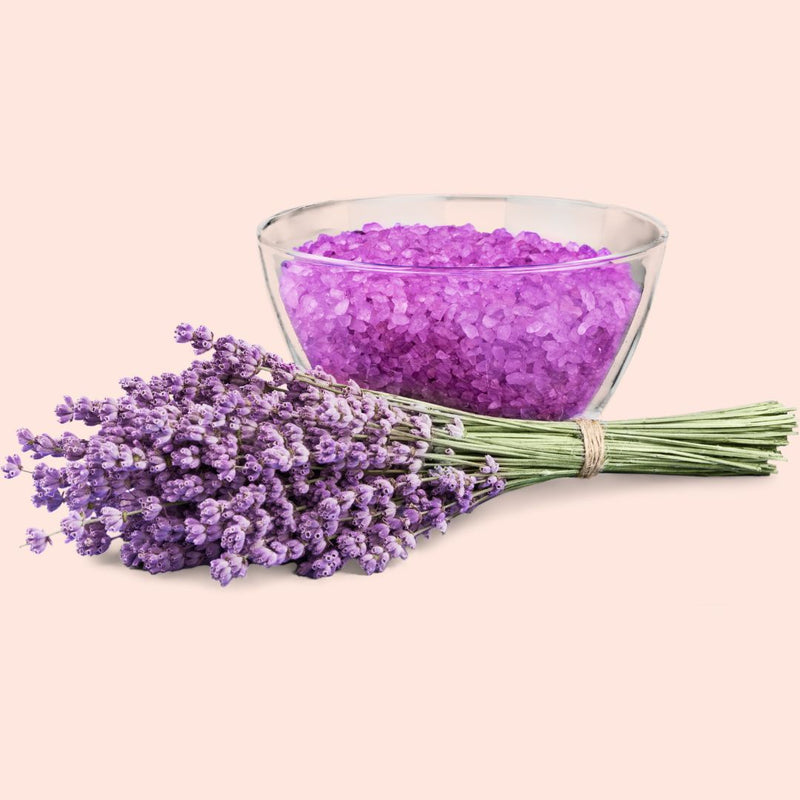

Lavender soap is one of the most soothing and refreshing herbs that someone can make at home. The Lavender soap is known to possess a soothing smell that feels gentle, clean up effect that combines natural oils, nurturing butter, and the healing element of lavender. Homemade lavender soap is a new and satisfying making process that will make you be in control of the ingredients and be out of harsh chemicals in most of the commercial soaps.
The intensity of fragrance, texture level, and moisturizing aspect can be adjusted as per your preference. Having the scent of flowers, lavender may calm the mind, eliminate stress, and make an individual feel comfortable whenever he/she applies the soap. You might require an expensive skincare refresh, an entirely mindful homemade gift, or a bathing bar that was made without chemicals. There is the benefit of natural cleansing with the beauty of plant-based good and aromatherapy in homemade lavender soap.
Benefits of Homemade Lavender Soap
Lavender soap is much in the advantages towards the skin and wellness. It is also relaxing, anti-bacterial, and thus good in maintaining the skin health, as well as a soothing smell that reduces stress. The regular use of lavender soap will encourage overall dermal hydration and rest.
1. Calms Delicate Skin
Lavender soap is highly appreciated because it has the ability to calm down irritated or sensitive skin. Essential oil of lavender has natural anti-inflammatory properties that it uses to decelerate the redness, itchiness, and mild irritation of the skin by drought or the other forces. It can be mixed with a mild soap base to provide a soft and low cleansing effect, not leaving the skin dry. Mildly sensitive people or those people who want to have a relaxing body soap normally apply products that are made up of lavender owing to its skin-sensitizing effects. This will be of great help, especially to the individuals who are sensitive to the harsh chemical soaps.
2. Antibacterial Property
The antibacterial and antimicrobial effects of lavender oil are low, and therefore, lavender soap is a good choice when maintaining clean and healthy skin. The properties facilitate the process of washing away dirt, oil, and harmful bacteria, thereby reducing the possibility of breakouts or skin infections. The constant use makes the skin clean and fresh without exposing it to artificial antibacterial agents. Its cleansing powers are natural and can therefore be applied in the day-to-day life as a better and safer method of cleansing compared to the chemical-laden soaps that can disrupt the natural harmony of the skin.
3. Reducing Stress
The smell of the lavender soap is regarded as by far one of the most boasted of the products. Lavender has been implemented to reduce anxiety and improve mood, and improve sleep. Taking a shower using lavender soap makes it appear as a spa, and this calms the mind, and the stresses of the day are eliminated. The smell is harmless and remains faint on the skin, and thus offers relaxation to the skin after a bath. It is the reason lavender soap will be an excellent choice when it comes to using it at night or when you have to go through a relaxing and therapeutic bathing experience.
4. Nourishment To The Skin
The lavender soap is made out of natural oils and butters, therefore, providing the skin with a deep level of hydration and nourishment. Some of the ingredients that trap the moisture include olive oil, coconut oil, and shea butter that leave the skin soft, smooth, and rejuvenated. The essential oil of lavender adds a new texture to the skin that promotes skin regeneration and healthy skin. It is its combination that makes lavender soap a great choice for those whose skin can be considered dry or rough and still want to use a gentle and moisturizing cleanser without any synthetic additives.
Lavender Soap Supplies
Ingredients:
1. Base:
The soap base you can use as a base in your lavender soap is a soap base. The most appropriate melt-and-pour base to be used as a beginner would be glycerin, shea butter, goat milk, or aloe vera, as none of them requires the efforts of lye. Cold process soap involves the use of oils like olive oil, coconut, and shea butter, and offers more control, albeit with special consideration to use lye.
2. Lavender Essential Oil:
It is the significant ingredient that adds to the relaxing scent and beauty benefits. The lavender oil is anti-inflammatory, anti-bacterial, and relaxing oil; hence, the soap is aromatic, relaxing, and softening.
3. Dried Lavender Buds:
The dried lavender flowers contribute to natural exfoliation, texture, and beauty. These add a primitive appearance and help provide the soap with the natural smell of lavender.
4. Natural Oils (Optional):
One can use extra oil, like almond oil and jojoba oil, or vitamin E to add more moisturizing effects. These oils give nourishment to the skin, enhance lathering, and give the soap a smooth feel.
5. Colorants:
The natural colorants used are the lavender powder, mica, or purple clay to give your lavender soap the appearance of having a tender lavender hue. They are not harmful on the skin and contain no artificial dyes and are thus beautiful to view.
6. Soap Mold:
The silicone mold is used to form the soap, which could easily be removed when hard. Silicone molds are reusable, and are flexible, and most appropriate in the case of complex designs of the soaps.
7. Mixing Tools and Heat Source:
The major elements of the effective and secure melting and mixing of the soap base are microwave-safe or heatproof container and stirring stick, knife, and double boiler (when needed).
How To Make Lavender Soap at Home
Lavender soap can also be easily made at home through a melt and pour process or through cold process. The easiest and safest technique is the melt and pour method, which is used by beginners, although the melt-and-pour technique also produces a very good, fragrant lavender soap. It is described in the following steps.
Step 1: Clean Your Work Area and Soap Base
The initial one is to clean up your working area and lay out everything that you need in a manner that is easy to reach. The base of the soap is cut into small, even cubes in a way that facilitates the melting of the soap. Cubes should be put in a heatproof container which can be removed during microwaving or even during the process of boiling. You can also move your work place ready in advance to minimize the mixed upness and a work flow. Since soap making is a task where hot material is involved, it is advisable to have everything organized so as to prevent spillages, burns, and accelerated labor. The closeness of tools, moulds, and ingredients makes a crafting process more pleasant and safe.
Step 2: Melting of the Soap Base
Melt the soap base either in the microwave or in the double boiler. In case of a microwave, put the soap in 20–30 second increments, and stir during the heating process until all is melted. This eliminates overheating, which may ruin some of the good properties and make the base too thin. When a double boiler is used, simply pour in the base, and cook on a low-medium heat, stirring occasionally to keep the base smooth. Melting correctly will also ensure that the soap base will have the appropriate consistency and will not scald, and this can impact the final texture and fragrance.
Step 3: Drop Lavender Essential Oil and Additional Optional Oils
After the soap base has been melted, take it off the heat and leave it to cool down a bit. The addition of essential oils prematurely may make them evaporate, reducing the strength of the fragrance. Once the base has warmed and no longer steams, put lavender essential oil and other optional oils such as almond or vitamin E oils. Mix well but carefully to have an even spread of the fragrance. This is done to further increase the therapeutic properties, scent strength, and moisturizing properties of the soap, and thus, you have a luxurious, relaxing homemade soap.
Step 4: Put Lavender Buds and Natural Colouring Additives
Dried lavender buds are to be added to the soap base after the mixing of the oils, and stirred to evenly distribute. These buds have exuding power, visualization, and natural lavender fragrance. You can choose to color your soap; in this case, add a pinch of mica or clay and mix until it turns even. It is important not to plant too many buds as too many botanicals may sink or turn discoloured. A combination of these makes the soap look pretty and provides a beautiful hand-made appearance.
Step 5: Fill the Mixture on the Mold and Allow It to Dry
After the mixture is completely mixed, pour it into your soap mold. Knock the mold to get the air bubbles out and to provide a smooth surface. Let the soap dry at room temperature without touching the mold. It can also require 2–4 hours to harden completely, depending on the base that has been used. After solidifying, carefully take out the soap of the mold and allow it to dry for another day to increase texture and hardness. This is the last curing procedure, and this increases longevity and a perfect bar.
Lavender Soap At Home: Safety and Measures
The hot base of soaps should be handled with great care when preparing lavender soaps; otherwise, burns may be experienced. Always make sure that essential oils are diluted so that they do not give any irritation to the skin; never use concentrated lavender oil on the skin. A patch test should be carried out prior to using the completed soap, particularly when the user is allergic or sensitive to the skin. Asthmatic individuals, fragrance-sensitive persons, or women with sensitive skin, like pregnant women, should seek advice from a professional before using strong-smelling soaps. Store the tools and ingredients out of reach of the kids and pets, and molds and containers must be heat-resistant. During pouring and mixing, it is advisable to develop proper ventilation in order to avoid overwhelming aromas.
Frequently Asked Questions
The popularity of the lavender soap is based on its smell and its use in skin care; however, people tend to ask questions regarding the effectiveness of the soap, whether it can be irritating, and how to use the soap on a day-to-day basis. The answers contain the necessary information to make you be sure about using homemade lavender soap.
Q1:Is Lavender Soap Effective on Your Skin?
Ans: Yes, lavender soap is great on the skin because it is calming, antibacterial, and will moisturize the skin. It is mild and does not strip natural oils of the skin, hence it suits most of the skin types.
Q2:Is Lavender Soap Irritable to the Skin?
Ans: Lavender should not be applied to very sensitive skin because it can cause irritation unless one applies too much essential oil. Patch testing should be performed prior to regular use in order to check the absence of allergic reactions.
Q3:Which Effect Does Lavender Soap Have on Your Skin?
Ans: The lavender soap will ease irritation, preserve the skin cleanliness, alleviate small redness, and promote relaxation. The presence of essential oils in it gives it antibacterial properties and makes it a healthier and softer skin.
Conclusion
Lavender soap is a natural, relaxing, and fragrant cleanser that is made at home. A quality soap bar was made using basic components and the attention of a couple of recipes, which provides the skin with all it needs and transforms your everyday life. Savour the lavender in all the washes.
DISCLAIMER
This content is for informational purposes only and is not a substitute for professional medical advice, diagnosis, or treatment. Always consult a healthcare provider before using essential oils for any health condition.