
The normal response of the body to an injury, infection, or irritation is inflammation, which is a natural defense mechanism. Nevertheless, in case of chronic inflammation, it can result in persistent pain, stiffness, exhaustion, and additional long-term health difficulties. Many individuals are seeking natural remedies to deal with such symptoms, and essential oils have gained popularity due to their high anti-inflammatory and therapeutic effects. These oils have strong plant compounds, which aid in reducing swelling, calming inflamed tissues, and minorly alleviating pain.
Essential oils may be made in different ways with regards to individual requirements. They can produce a specific effect on the discomfort by when diluted in an appropriate carrier oil, and applied topically, they can provide relief to a specific region. Their soothing scents in aromatherapy are known to soothe the body and mind indirectly, and thus relieve stress-related inflammation. Warm compresses may also be supplemented with them to make the circulation more effective and soothing. In general, essential oils provide a natural, effective, and non-invasive method of dealing with inflammation.
List of Top 10 Essential Oils to Use for Inflammation
Essential oils contain active plant compounds that help in causing inflammation, pain, and well-being. Their medicinal powers are natural; hence, they deserve to replace the chemical-based medications. Some of the simple oils that have been ruled to be helpful in the way of calming, soothing, and analgesic.
1. Turmeric Essential Oil
Turmeric essential oil is rich in curcumin, which is a potent anti-inflammatory compound that helps in removing the pain and inflammatory effects of muscles and joints. It favors natural curing aspects in the body by reducing oxidative stress and calming distressed tissues.

It works well when applied as a topical dilution like arthritis, sore muscles, and stiff joints. It is as well possible to inhale Turmeric essential oil in order to relax and de-stress the entire body.
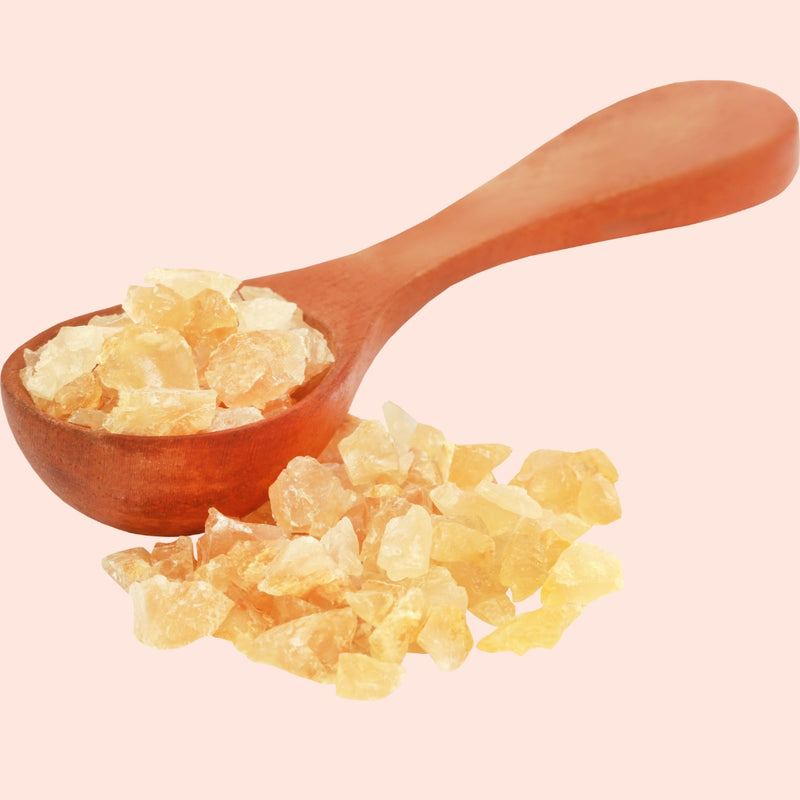
2. Frankincense Essential Oil
Frankincense is a substance that possesses an excellent anti-inflammatory and analgesic impact. It helps in reducing inflammation of muscles and joints and enhances normal cells. When massaged into the skin using a carrier oil, it can be used to alleviate the pain in the arthritic, tendonitis, and also other general body aches.

Frankincense essential oil was also found to restore the mind and, hence, can be used to remove tension that comes along with stress.
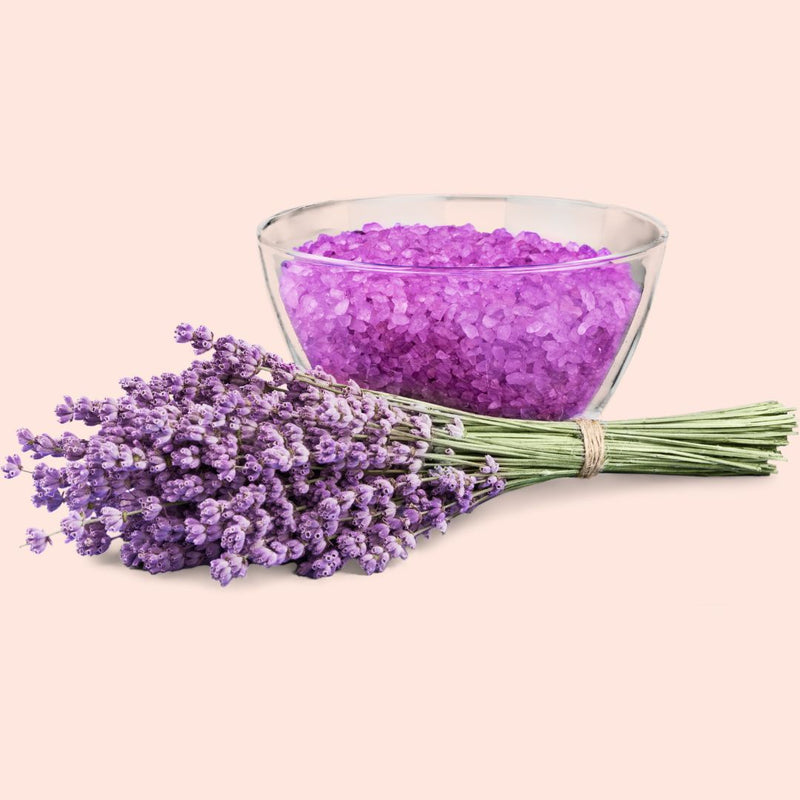
3. Lavender Essential Oil
Lavender essential oil is characterized by its soothing and good anti-inflammatory qualities. It also provides relief to the redness, headache, swelling, and irritation of the skin and cools sore muscles and joints.

The essential oil is gentle and can be used on a sensitive skin, and it is possible to apply it to a sore and swollen area. Lavender essential oil is useful when used as either a massage or a warm bath to soothe the tight muscles in the body and promote deep relaxation.
4. Lemongrass Essential Oil
Lemongrass essential oil contains natural anti-inflammatory active ingredients like citral that will help in swelling and relieving pain. Being a topical solution, it will cause relaxation of spasmodic muscles and tone down of joint pain.

Its citrus smell is also useful in stress relief, and this also helps in the reduction of stress-related inflammation. Lemongrass essential oil is typically used as a part of mixed massage oil as an event of sporting injuries, sprains, and fatigue.
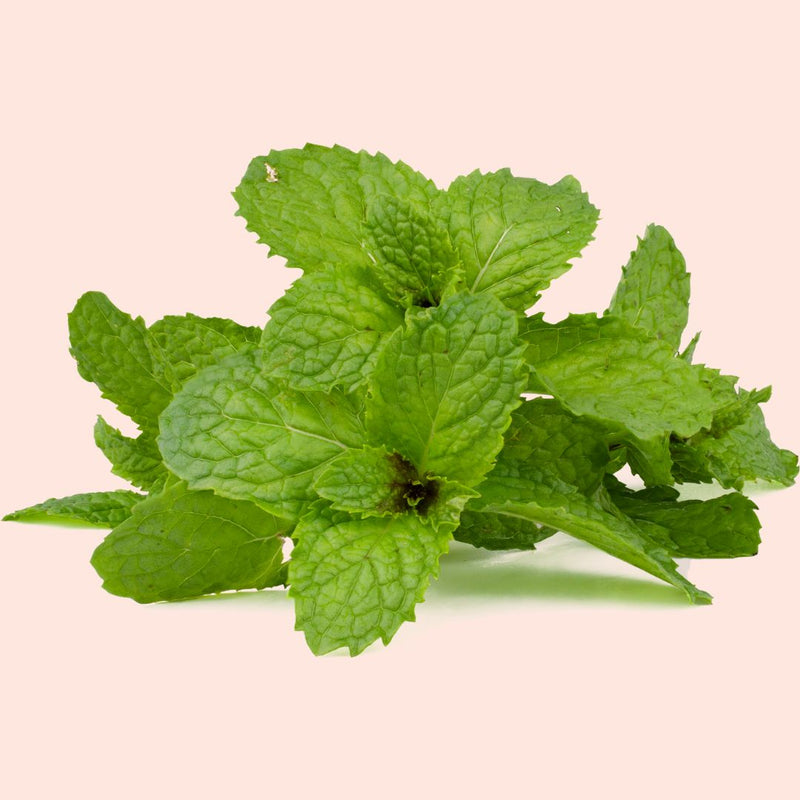
5. Peppermint Essential Oil
Peppermint essential oil has a cooling and it will also cool inflamed muscles and joints. Its minty action is a natural analgesic, and it is therefore quick acting pain killer on pains and swelling.

Peppermint essential oil can be used topically together with water to help in headache relief, muscle strains, and joint pains. It can also be applied in increasing blood circulation, which helps in fast healing.
6. Rosemary Essential Oil
Rosemary essential oil has been very effective regarding anti-inflammatory and circulatory-enhancing effects. It is applicable in relaxing muscle spasms, painful joints, and swelling when rubbed on the skin with the help of a carrier oil.

Rosemary essential oil helps in the improved flow of blood, therefore it can be used for injuries, strains, and chronic pains. Its aromatic fragrance is an enhancer to the mind and mental exhaustion.
7. Tea Tree Essential Oil
Also, it is known that tea tree essential oil possesses antibacterial and anti-inflammatory effects. It helps in treating the redness, swelling, and irritation of the skin in conditions such as acne, rashes, insect bites, etc.

When it is diluted, it is also applicable in inflamed areas to reduce pain, and at the same time, it must not cause any additional pain. A tea tree essential oil is also capable of preventing the formation of bacteria on the skin due to the healing effect of this component.
8. Eucalyptus Essential Oil
Eucalyptol is a cooling agent contained in the Eucalyptus essential oil and is applied in the suppression of inflammation and as a pain reliever. It is specifically applicable in respiratory inflammation, muscle pain, and stiffness of joints. When topically used, the effect of Eucalyptus essential oil is a cooling effect that reduces tension and swelling.

It may also be breathed to help relieve sinus and respiratory issues. The aromatic scent of the essential oil appeases the senses because it makes the body overcome physical distress and congestion.
9. Chamomile Essential Oil
Chamomile essential oil is not strong and is very good in reducing inflammation, especially the ones on the skin. It also works well with delicate or inflamed skin, and can help to minimise redness, irritation, and swelling.

Whether the chamomile essential oil is used as a warm compress or diluted to be used as a topical treatment, it will help relax the muscles and enable the body to relax. It is applied to inflammation that occurs as a result of stress due to its relaxing smell.
10. Ginger Essential Oil
Ginger essential oil is stimulating and completely relaxing, and can be applied to chronic inflammation and stiff joints. It also contains gingerol, which is a compound that is utilized to decrease swelling and enhance circulation.

Essential oil of ginger, when used in the skin with a carrier ointment, provides temporary relief to sore muscles and aching joints. It is indeed a good one on arthritis, so much fatigue, cold-weather stiffness.
Best Essential Oils Blend for Pain and Inflammation
The careful combination of essential oils can bring more specific and potent benefits in case of inflammation and pain. It is possible to make a mixture of complementary oils that are potent and reduce swelling and relax the muscle, besides accelerating the healing process. These formulations are ideal for massage, warm compresses, or in day-to-day self-care.
Ingredients
- 10 Drops of Lavender Essential Oil
- 8 ML of Frankincense Essential Oil
- 6 Drops of Ginger Essential Oil
- 6 Drops of Peppermint Essential Oil
- 3 Tablespoons of Coconut Oil
Directions
- Then pour all ingredients into a dark glass bottle and shake.
- When the mixture is placed on inflamed areas, do it as many as two times a day.
- Massage with circular movements in order to stimulate absorption and improve circulation.
- To achieve greater benefits, heat the oil a little before use, or in case of greater relief, it is better applied after a warm shower is taken.
Frequently Asked Questions
The population has also grown with the application of essential oils in relieving natural inflammation, yet the question arises about how effective they are and the safety of their usage. The following are some of the frequently posed questions to help you know the benefits and effectiveness.
Q1: Is there any benefit in using essential oils in case of inflammation?
Ans: Yes, the essential oils could prevent inflammation because of the natural compounds of anti-inflammatory and analgesic properties. Oils such as turmeric, lavender, and frankincense can aid in the reduction of swelling, alleviate pain, and aid in the healing of tissues when applied regularly and properly.
Q2: Will the essential oils help to reduce swelling?
Ans: Some of the essential oils, including peppermint, chamomile, and eucalyptus, may be used to relieve swelling through calming of tissues being irritated and enhancing blood flow. They are used topically and diluted to bring a soothing effect to swollen muscles, joints, and the skin.
Q3: What are the essential oils used in inflammation?
Ans: Essential oils may be administered in massage blends, warm compresses, bath soaks or inhalation. When to be used topically, they must always be diluted with a carrier oil. Rub directly onto the painful parts, rub gently, and repeat regularly.
Conclusion
Essential oils provide a natural and effective means of treating inflammation, reducing pain, and promoting the well-being of the body. As their aromas are calming to the mind and help reduce inflammation, they are easily used in everyday life. Routine usage allows one to regain balance, swelling is minimized, and natural long-term relief is achieved.
DISCLAIMER
This content is for informational purposes only and is not a substitute for professional medical advice, diagnosis, or treatment. Always consult a healthcare provider before using essential oils for any health condition.