
Aromatherapy uses aromatic plant materials, especially essential oils, to create different sensory experiences through methods such as diffusion, personal inhalation and appropriately diluted topical use. Depending on the oil, the aroma may be floral, citrusy, herbal, minty, woody or resinous.
Choosing the best essential oils for aromatherapy is not only about picking the strongest-smelling oil. Lavender and Ylang Ylang suit softer evening routines, Peppermint and Eucalyptus create fresher aromas, Sweet Orange adds brightness, while Frankincense can give a blend more depth. This guide explores 10 popular essential oils for aromatherapy, their aroma profiles, common uses, relaxing and refreshing blends, and practical safety considerations for diffusion and topical applications.
What Is Aromatherapy?
Aromatherapy is the use of aromatic plant extracts, particularly essential oils, as part of fragrance, relaxation and personal wellness routines. Essential oils are concentrated aromatic materials obtained from botanical sources using methods such as steam distillation or expression, depending on the plant. Because they are highly concentrated, they are generally used in small amounts.
Common aromatherapy applications include room diffusion, personal aromatic inhalation, properly diluted massage blends and professionally formulated bath or body products. The experience depends on the essential oil, concentration, application method and personal scent preference. Aromatherapy is therefore best understood as an aromatic and sensory practice rather than a substitute for medical treatment.
List of Top 10 Essential Oils for Aromatherapy
Different aromatherapy Essential Oils create different scent directions. Some are soft and floral, some are bright and citrusy, while others are herbal, minty or woody. The following oils are popular because they are versatile, recognizable and easy to incorporate into a wide range of aromatherapy routines.
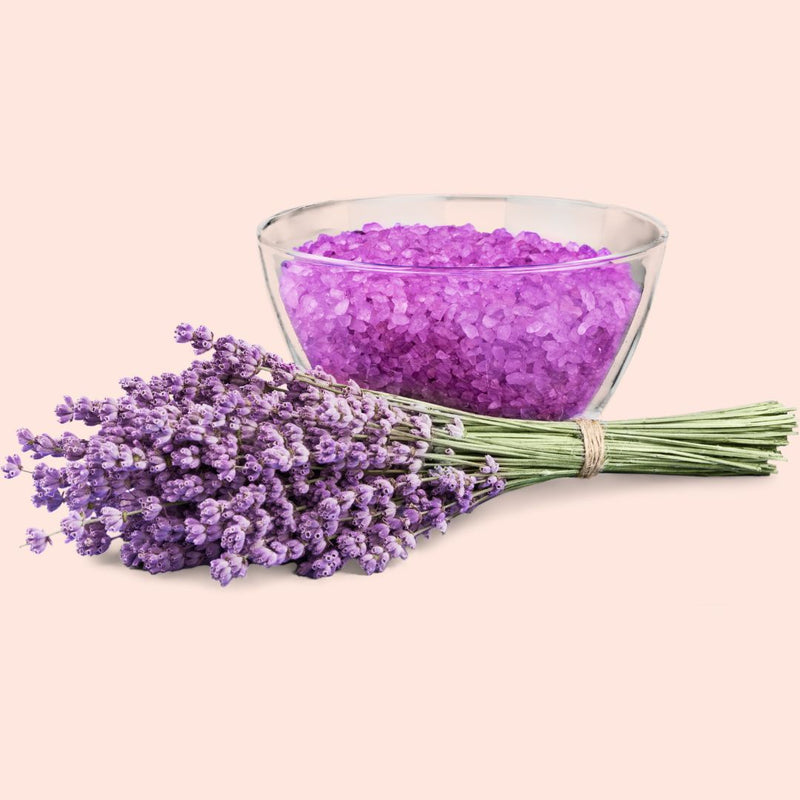
1. Lavender Essential Oil for Aromatherapy
Lavender Essential Oil is one of the most widely used aromatherapy oils because of its soft floral aroma with clean herbal undertones. It works particularly well in evening diffusion and relaxation-focused blends.

Lavender is also easy to combine with other fragrance families, making it useful for beginners as well as experienced users. Pair Lavender with Frankincense or Ylang Ylang for a softer blend, Sweet Orange for something brighter, or Rosemary for a greener herbal character.
Aroma profile: Floral, soft and lightly herbal
Common use: Evening diffusion and relaxing aroma blends
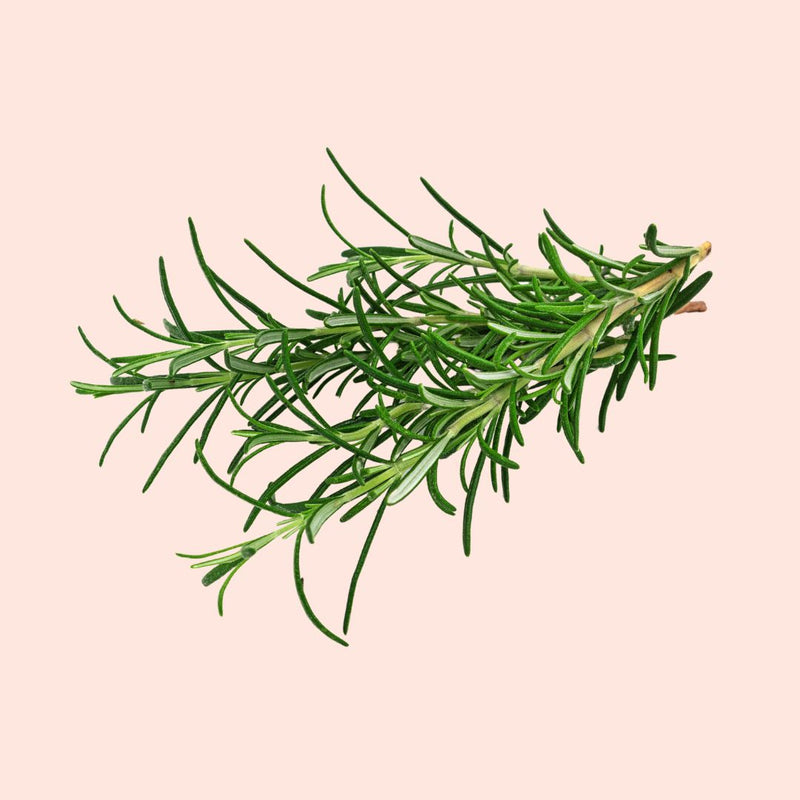
2. Rosemary Essential Oil for Aromatherapy
Rosemary Essential Oil has a fresh, herbal and slightly woody aroma. Rosemary Essential Oil suits daytime aromatherapy routines where a clean and aromatic fragrance is preferred.

Rosemary can be used alone, but it often feels more balanced when combined with citrus or minty oils. Lemon, Peppermint and Eucalyptus pair naturally with Rosemary, while Cedarwood or Frankincense can add more depth.
Aroma profile: Herbal, fresh and slightly woody
Common use: Daytime diffusion and fresh herbal blends
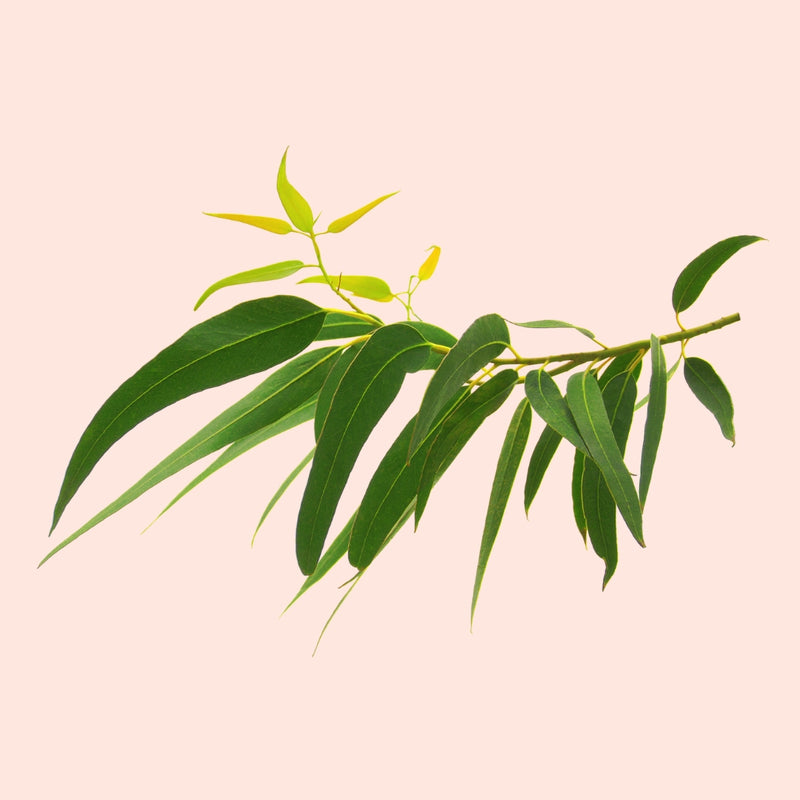
3. Eucalyptus Essential Oil for Aromatherapy
Eucalyptus Essential Oil has a crisp, herbal and distinctly camphoraceous aroma. Its scent is strong and recognizable, which makes it popular in fresh diffuser blends and spa-style environments.

Because Eucalyptus can dominate softer oils, it is often better balanced with citrus or floral notes. Peppermint strengthens its fresh character, Lemon adds brightness, and Lavender softens the overall aroma.
Aroma profile: Fresh, herbal and camphoraceous
Common use: Fresh diffuser blends and spa-inspired routines
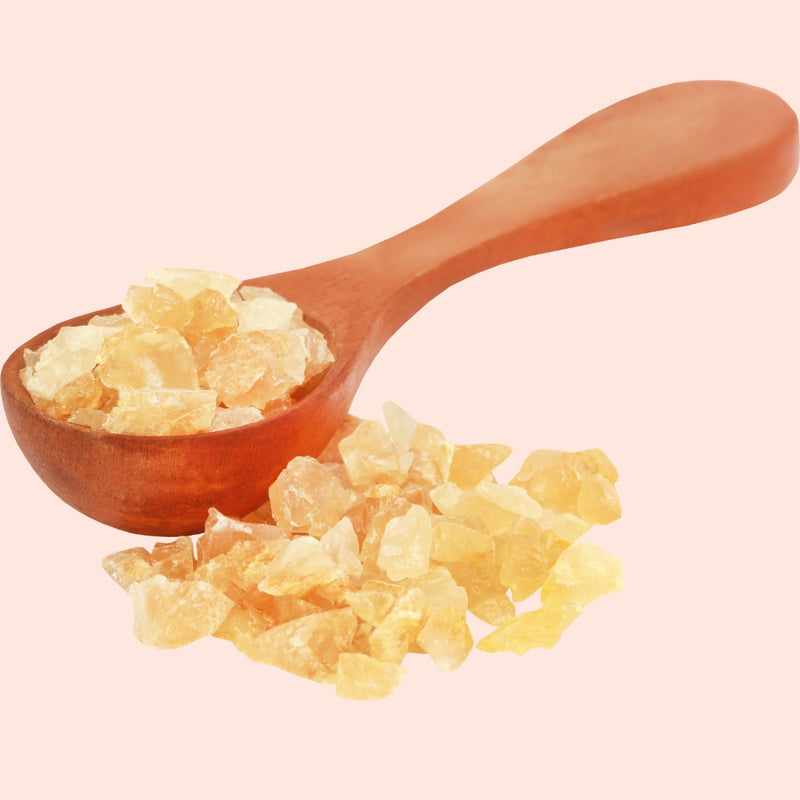
4. Frankincense Essential Oil for Aromatherapy
Frankincense Essential Oil provides a warm, resinous and gently woody fragrance. It works particularly well in evening blends, meditation spaces and deeper aroma combinations.

Frankincense Essential Oil is useful when a citrus or floral blend feels too light and needs a more substantial base. It combines naturally with Lavender, Sweet Orange, Cedarwood and Ylang Ylang.
Aroma profile: Resinous, warm and woody
Common use: Evening diffusion, meditation spaces and deeper blends
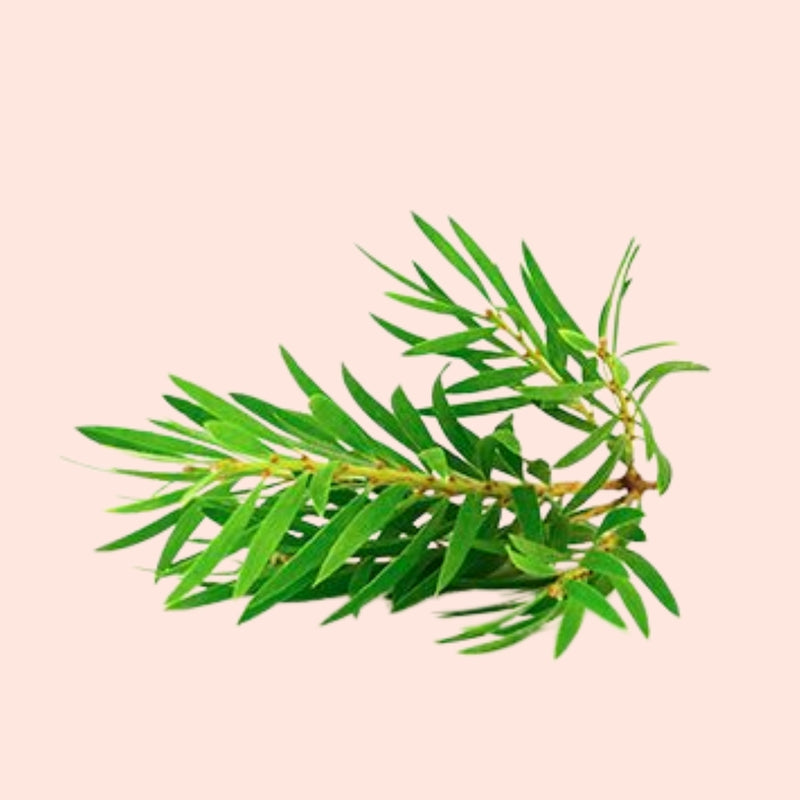
5. Tea Tree Essential Oil for Aromatherapy
Tea Tree Essential Oil has a strong medicinal-herbal aroma that feels clean and distinctive. It is not usually selected for sweet or floral blends, but it works well in fresh and botanical aroma profiles.

Tea Tree can be combined with Eucalyptus, Lemon or Rosemary when a sharper herbal character is preferred. Because its fragrance is intense, a relatively small amount can noticeably influence a blend.
Aroma profile: Medicinal, herbal and fresh
Common use: Clean botanical blends and fresh home aromas
6. Peppermint Essential Oil for Aromatherapy
Peppermint Essential Oil has a powerful, cool and minty aroma. It is one of the strongest-smelling aromatherapy oils, so it is usually best used in moderation.

Peppermint Essential Oil blends naturally with Eucalyptus, Rosemary, Lemon and Lavender. For daytime aromatherapy, it can create a crisp and refreshing atmosphere that feels very different from warmer floral or woody blends.
Aroma profile: Minty, cool and crisp
Common use: Fresh daytime blends and mint-herbal combinations
7. Lemongrass Essential Oil for Aromatherapy
Lemongrass Essential Oil combines citrus brightness with a greener herbal character. Compared with Lemon Essential Oil, it smells more botanical and less purely citrusy.

It works well in fresh home-fragrance blends and pairs naturally with Lavender, Eucalyptus, Cedarwood and Sweet Orange. Because Lemongrass is intense, it is usually better as part of a balanced blend rather than the only dominant aroma.
Aroma profile: Citrus, green and herbal
Common use: Fresh diffuser blends and citrus-herbal combinations
8. Sweet Orange Essential Oil for Aromatherapy
Sweet Orange Essential Oil has a bright, sweet and juicy citrus fragrance. Sweet Orange Essential Oil is easy to blend because it works with floral, herbal, woody and resinous oils.

Sweet Orange can soften stronger herbal blends and brighten deeper oils such as Frankincense or Cedarwood. Sweet Orange + Lavender creates a soft citrus-floral aroma, while Sweet Orange + Frankincense gives a brighter blend with more depth.
Aroma profile: Sweet, bright and citrusy
Common use: Daytime diffusion and uplifting citrus blends
9. Ylang Ylang Essential Oil for Aromatherapy
Ylang Ylang Essential Oil has a rich, sweet and intensely floral aroma. It works best when a stronger floral character is desired.

Because its fragrance is powerful, it is usually blended with lighter or deeper oils rather than used heavily on its own. Sweet Orange or Bergamot can brighten Ylang Ylang, while Frankincense or Cedarwood can make the blend deeper.
Aroma profile: Rich, floral and sweet
Common use: Evening blends and floral aromatherapy routines
10. Geranium Essential Oil for Aromatherapy
Geranium Essential Oil has a floral, green and slightly rosy aroma. Geranium Essential Oil feels fresher than a rich Rose profile and works well in balanced floral-herbal blends.

Lavender, Sweet Orange, Bergamot and Cedarwood all combine naturally with Geranium. Its versatility means it can work in either daytime or evening blends depending on the other oils used.
Aroma profile: Floral, green and lightly rosy
Common use: Balanced floral blends and general home diffusion
Aromatherapy Oils and Their Uses
The phrase aromatherapy oil uses can refer to several different aromatic applications. The correct method depends on the oil and intended experience.
Diffusion
Diffusion is one of the most common ways to use essential oils for aromatherapy. A compatible diffuser disperses aromatic material into the surrounding air. Follow the device manufacturer's instructions regarding water capacity and oil quantity. Lavender and Ylang Ylang suit softer evening blends, while Rosemary, Peppermint and Eucalyptus create fresher daytime aromas.
Personal Aromatic Inhalation
Purpose-designed personal inhalers or aroma accessories can provide a more localized aromatic experience than diffusing oil throughout an entire room. Concentrated essential oils should not be applied directly inside the nose or to sensitive mucous membranes.
Topical Aromatic Use
Essential oils may be incorporated into appropriately diluted massage oils or body products using suitable carrier oils. The correct concentration depends on the essential oil, intended application and product-specific guidance. There is no universal dilution percentage suitable for every oil or every person.
Bath & Body Products
Essential oils may also be used in properly formulated bath and body products. They should not simply be dropped directly into bath water because essential oils do not disperse evenly in water. Use appropriately formulated products or a suitable dispersing system.
Relaxing Essential Oils for Aromatherapy
People searching for relaxing essential oils generally want softer fragrance profiles suited to quieter spaces and evening routines.
Lavender is one of the most familiar choices because of its gentle floral-herbal character. Frankincense adds woody-resinous depth, while Ylang Ylang creates a richer floral aroma. Sweet Orange can be used when a relaxing blend feels too heavy and needs a brighter note.
A simple relaxing combination is:
Lavender + Frankincense + Sweet Orange
For a more floral direction:
Lavender + Ylang Ylang + Geranium
These are aroma combinations rather than formulas for treating stress, anxiety or sleep disorders.
Simple Aromatherapy Essential Oil Blends
The following aromatherapy oil blends are intended for compatible diffusers. Adjust the total amount according to your device instructions.
Relaxing Floral Blend
- Lavender Essential Oil
- Ylang Ylang Essential Oil
- Frankincense Essential Oil
This combination begins with a soft floral aroma and finishes with a deeper resinous character.
Fresh Herbal Blend
- Eucalyptus Essential Oil
- Peppermint Essential Oil
- Rosemary Essential Oil
This creates a crisp, herbal and minty fragrance suited to daytime diffusion.
Bright Citrus-Herbal Blend
- Sweet Orange Essential Oil
- Lemongrass Essential Oil
- Lavender Essential Oil
Sweet Orange adds brightness, Lemongrass brings a stronger green-citrus note, and Lavender softens the overall blend.
How to Use Essential Oils for Aromatherapy Safely
Essential oils are concentrated aromatic materials, so appropriate use matters.
For diffusion, follow the diffuser manufacturer's instructions. Using more oil does not necessarily create a better aromatic experience and may make the fragrance overwhelming.
For topical use, essential oils generally require appropriate dilution in a suitable carrier oil. Product-specific guidance should be followed rather than relying on one standard ratio.
Avoid direct contact with the eyes and other sensitive areas. Not every essential oil is suitable for every person or setting. Additional care may be needed around children, pets, pregnancy or particular health conditions.
Certain expressed citrus essential oils may also have phototoxicity considerations for topical applications exposed to sunlight. Store essential oils tightly closed and away from excessive heat, light and air to help slow oxidation and preserve their aromatic quality.
Frequently Asked Questions
Q1. What are the best essential oils for aromatherapy?
Ans: Popular choices include Lavender, Rosemary, Eucalyptus, Frankincense, Tea Tree, Peppermint, Lemongrass, Sweet Orange, Ylang Ylang and Geranium. The best option depends on the fragrance profile and experience you prefer.
Q2. Which aromatherapy oils are best for relaxation?
Ans: Lavender, Frankincense, Ylang Ylang and Geranium are popular choices for softer evening aroma blends.
Q3. What are aromatherapy oils used for?
Ans: Aromatherapy oils are commonly used in diffusers, personal inhalation products, appropriately diluted massage blends and formulated bath or body products.
Q4. Can I mix essential oils for aromatherapy?
Ans: Yes, Compatible essential oils can be blended according to aroma preference. Starting with two or three oils makes it easier to understand how each scent contributes to the finished blend.
Q5. Can essential oils be applied directly to the skin?
Ans: Essential oils are highly concentrated and generally should not be applied undiluted by default. Use an appropriate carrier oil and follow product-specific safety guidance.
Q6. Can essential oils be added directly to bath water?
Ans: No, Essential oils do not disperse evenly in water. They should be used in an appropriately formulated bath product or with a suitable dispersing system.
Q7. Which essential oils smell refreshing?
Ans: Peppermint, Eucalyptus, Rosemary, Lemongrass and Sweet Orange are useful choices when you prefer fresh, herbal or citrus aromas.
Conclusion
The best essential oils for aromatherapy depend on the kind of aromatic experience you want to create. Lavender, Ylang Ylang and Geranium provide softer floral profiles, while Peppermint, Eucalyptus and Rosemary create fresher herbal aromas. Sweet Orange and Lemongrass add citrus brightness, while Frankincense gives blends more depth.
Understanding aromatherapy oil uses, scent families, blending, and safe application is more useful than relying on exaggerated claims about treating particular conditions. Used thoughtfully, essential oils for aromatherapy can create relaxing, refreshing, floral, citrus, herbal and woody aromatic experiences in home, spa and personal routines.
Disclaimer
This article is for general educational and aromatic-use information only and is not a substitute for medical advice, diagnosis or treatment. Essential oils vary in composition, concentration and recommended use. Always follow product-specific safety guidance and dilute appropriately for topical applications.