
Allergies are one of the most common health conditions that affect millions of individuals around the world and cause sneezing, watery eyes, nasal congestion, itchy skin, and, hence, general discomfort, which can greatly affect day-to-day life. Even though one has the old drugs like antihistamines, the old trend is to resort to natural cures, which is the essential oils. Plants are the sources of essential oils, and they possess numerous medicinal benefits, including reduction of inflammation, affected airways and immunosystem strengthening in reaction to allergens.
They are practical and common because they can be employed in various means such as in aromatherapy, by steaming, or by being deployed in the form of diluted topical application. Essential oils provide a natural, complementary and mild approach to allergy management because they not only cover the physical ones but also the emotional condition. Their increased popularity is an act of changing to a more holistic and plant-based lifestyle, of remaining comfortable and healthy in cases of allergic reactions.
List of Top 10 Essential Oils for Allergies
Essential Oils are known to have anti-inflammatory, antimicrobial and calming properties that can eliminate the symptoms of allergy. Examples of the popular oils are oregano, cedarwood, cinnamon, clove, frankincense, lavender, lemon, lemongrass, peppermint, and chamomile. The use of each oil has numerous advantages, such as congestion reduction, even for aggravated skin calming, and is a natural alternative to getting comfortable due to the allergy season.
1. Oregano Essential Oil for Allergies
Oregano Essential Oil is a strong natural remedy that includes carvacrol and thymol, and which has a powerful antimicrobial and anti-inflammatory effect. It enhances immunity, reduces air allergens and is a natural painkiller.

The diffused oregano oil is essential to clean the air and get congestion out of it, and hence would be applicable in case of an allergy outbreak. However, it is also effective and, therefore, should never be applied directly to the skin; it is diluted with a carrier oil, which ensures that it does not cause irritation and discomfort to the skin.
2. Cedarwood Essential Oil for Allergies
Cedarwood Essential Oil is a medicinal substance that has immense anti-inflammatory properties, which make it useful in the treatment of allergies.

Cedarwood Essential Oil helps to clear up clogged noses and reduce the amount of congestion, which helps to continue breathing easier during allergy attacks. Its pleasant and calming smell also soothes the nerves, eliminating stress, which is likely to increase allergic reactions. Cedarwood essential oil can be applied in the air using a diffuser or topically using a carrier oil to treat the respiratory system and promote general relief.
3. Cinnamon Essential Oil for Allergies
Cinnamon Essential Oil is rich in cinnamaldehyde and eugenol that reduce the allergens and minimize respiratory irritation. Cinnamon Essential Oil will help relieve the symptoms of sinus pain and tension, and also make people feel more comfortable in the event of an allergic outbreak.

It purifies indoor air in the state of diffusion, filters the allergens and obtrives triggers. Cinnamon essential oil is very concentrated, making it very potent. It should not be applied on the skin without being diluted; it causes the skin to become sensitive. It is an excellent and invigorating aid in allergy, when taken in moderation.
4. Clove Essential Oil for Allergies
Clove Essential Oil is a potent natural agent, and its antimicrobial, anti-inflammatory, and antioxidant properties are very high. It helps in reducing the irritation of breathing and reduces congestion and inflammatory allergies.

As a diffused form, it will purify the air, minimizing the exposure to allergens, and in a state of topical application, in dilution, it may be applied to irritated skin. However, the content and the amount of concentration and strength are very high, so clove essential oil must be diluted before use. It is an essential oil that is very useful, natural, and safe due to its effectiveness and versatility in treating discomfort related to allergies.
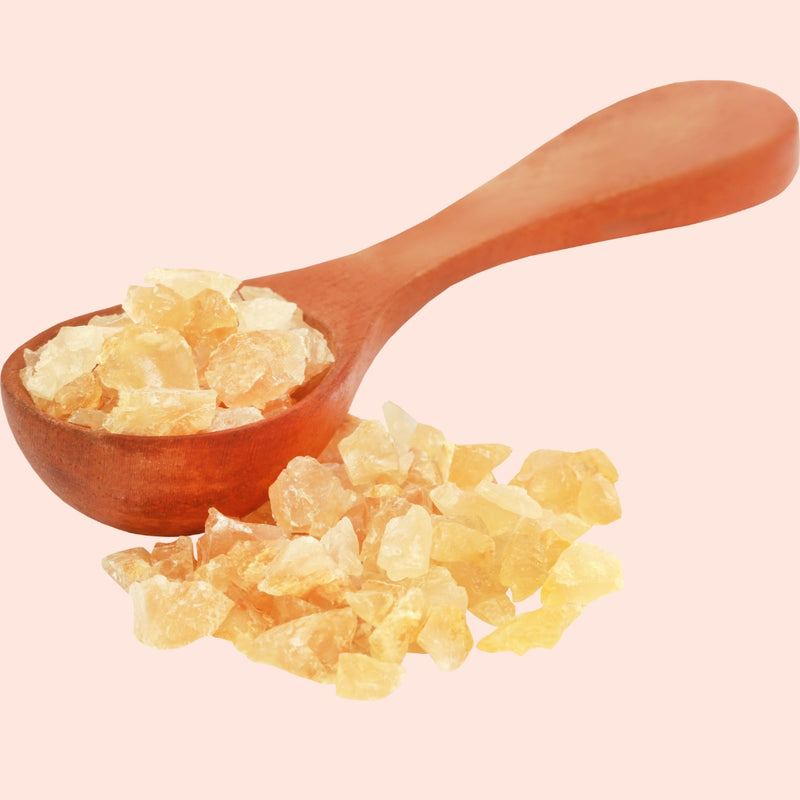
5. Frankincense Essential Oil for Allergies
Frankincense Essential Oil aids us in maintaining a healthy respiratory system since it reduces respiratory complications like the inability to breathe properly because of inflammation and allergy.

Frankincense Essential Oil also helps in the decongestion of sinuses, relieves breathing and irritated skin when diluted. The allergies are also aggravated by the fact that its calming aroma is also helpful in relieving stress. Frankincense essential oil is not harsh and is somewhat efficient, and therefore is relatively popular when it comes to natural allergy intervention.
6. Lavender Essential Oil for Allergies
The most treasured is the Lavender Essential Oil because the essential oil possesses many calming, anti-inflammatory, and antihistamine like properties; hence, it is medicinal as a cure to allergies, being non-aggressive and efficient.

It is applicable in the decongestion of the nose, itchiness, and even skin reactions and relaxation. Topical use of lavender diluted essential oil lowers stress and pain, and the diffusion of the same has a pain-relieving and irritation relieving effect on the skin. Lavender essential oil is a natural product, safe, mild and simple to use to manage the symptoms of allergy and general health.
7. Lemon Essential Oil for Allergies
Lemon Essential Oil is a refreshing, cooling agent, cleansing, and helps in promoting immunity, thus it finds application in treating allergies. The motivational citrus smell is soothing to the nasal passages, reduces secretions, and allows one be able to breathe easily.

When dispersed in the air, it purifies the indoor air and eliminates the threat of contact with the common allergens. It is applied topically and in a state of dilution to cure irritation of the skin and provide slight relief. In addition to physical advantages, lemon essential oil also elevates mood, and this gives an invigorating and comprehensive treatment to allergies.
8. Lemongrass Essential Oil for Allergies
The Lemongrass Essential Oil is anti-inflammatory and antimicrobial, which can be applied to relieve respiratory irritation. It decongests the blocked nose, clears the airways and gets rid of the accumulation of allergens in the house.

Lemongrass Essential Oil lowers the temperature of the air when diffused, and when used topically, in small dilution, the irritated or itchy skin is soothed. Lemongrass essential oil is also quite irritating on delicate skin, and, therefore, must be diluted.
9. Peppermint Essential Oil for Allergies
The cooling effect of Peppermint Essential Oil is refreshing and, therefore, very powerful in the treatment of symptoms of allergies as it is a natural decongestant.

It helps to clear the stagnant sinuses and is instantly effective in relieving such headaches as are usually caused by allergies, and the breathing is easy when diffused or inhaled through steam. In addition, peppermint essential oil may be applied topically as a dilution to relieve an itchy or irritated skin. Due to its versatility and rapid-acting, it is a very good natural remedy for respiratory and other allergy discomforts, especially on the skin.
10. Chamomile Essential Oil for Allergies
The Chamomile Essential Oil, and in particular Roman chamomile, is often known as anti-inflammatory; it has been used to relieve conditions caused by allergies. Chamomile Essential Oil serves as an efficient method of avoiding irritation by respiratory infections, soothing the skin response, and generating a sense of relaxation in case of allergies outbreak.

Chamomile in a diffuse oil form has a calming effect that reduces emotional conditions, in addition to being physical health promoting. It is a natural remedy and is sweet and gentle in nature, and is considered to be safe when applied to sensitive skin. It can also be applied to a child since it is considered to be safe.
Essential Oil Blend for Allergies
The pain that is caused by natural allergies could normally be alleviated by a simple but effective mixture of essential oils. The blend of oils, which have anti-inflammatory and decongesting properties, is utilized to soothe the irritation, relieve the congestion and allow the person to have a better breathing process with a certain natural assistance that is not serious in side effects.
Ingredients:
- 4 Drops of Lavender Essential Oil
- 3 Drops of Lemon Essential Oil
- 3 Drops of Peppermint Essential Oil
- 3-6 Drops of Carrier Oil
Directions:
- Add some mixed oils in the glass bottle and rub on the chest, neck, and wrists to alleviate.
- Or, pour the mixture into a diffuser and pour water into it to purify the air and assist breathing more easily.
Frequently Asked Questions
Another substitute product that is natural and can be investigated by a number of people in the treatment of allergies is the Allergy Essential oils. They have no curative action, but may be employed safely as an adjuvant in case of irritation; as diffusing, inhaling, or topically in a dilution to relieve breathing, bring about a diminution of inflammation, and calm irritation.
Q1. Are there any essential oils that are beneficial in case of allergies?
Ans: Yes, the symptoms are reduced using such essential oils as lavender, peppermint, lemon, and frankincense. Their anti-inflammatory, decongestant and anti-histamine properties loosen their breathing and painful experiences. Medical intervention can be replaced with essential oils in terms of the issue of allergies, even though it is effective in terms of support.
Q2. What are the essential oil uses for allergies?
Ans: Essential oils may be diffused or inhaled, and when combined with carrier oils, can be applied topically. Diffusion and steam inhalation relieve sinus problems, and topical application with dilution relieves skin irritation. In the meantime, patch test and consult a medical practitioner prior to use to avoid an adverse reaction.
Conclusion
The essential oils offer an alternative and natural method of addressing the symptoms of allergy, such as sinus congestion, irritated skin, and breathing difficulties. The application of peppermint, lavender, lemon and other oils has been found to be calming when used safely. They serve as an adjunctive treatment and complement the comfort during the period of the allergen flare-up.
DISCLAIMER
This content is for informational purposes only and is not a substitute for professional medical advice, diagnosis, or treatment. Always consult a healthcare provider before using essential oils for any health condition.