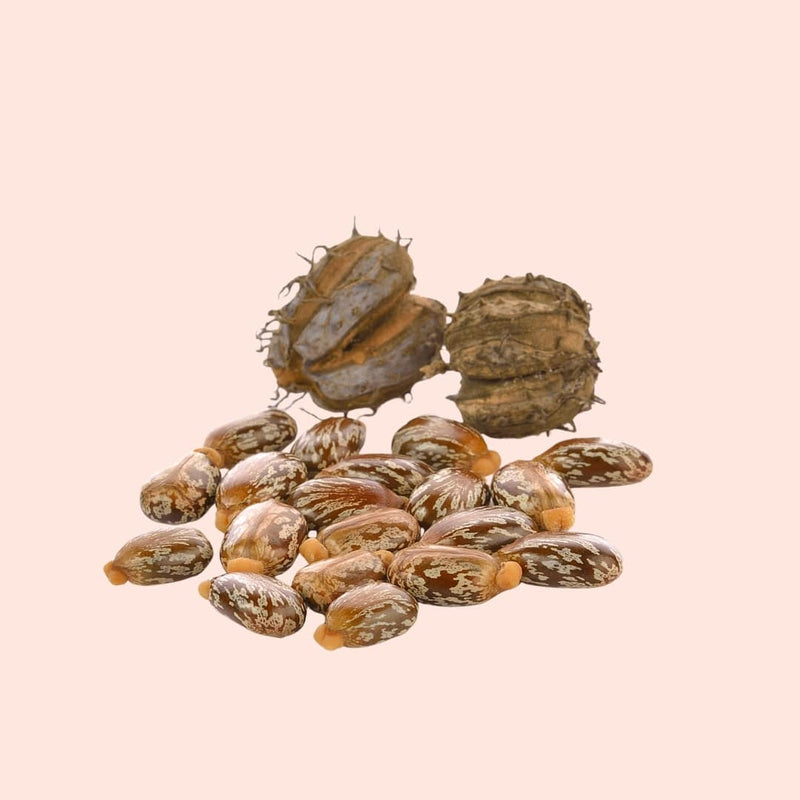

Castor oil is a thick, nutrient-rich vegetable oil that has been extracted from the seeds of the Ricinus communis plant, and has been used for many centuries in traditional hair and scalp care. It is most appreciated due to its capacity to combat dandruff, which is a frequent scalp ailment, characterized by flaking, itching, dryness, and irritation. The causes of dandruff may include fungal overgrowth, excessive dryness, product accumulation, or an unbalanced environment in the scalp.
Ricinoleic acid, which is one of the strongest fatty acids present in castor oil, is antifungal, antibacterial, and anti-inflammatory, and directly attacks these causes. It is very moisturising and therefore calms down the scaly scalp, and it at the same time balances out the oil in the scalp back to its natural level. Moreover, the oil of castor enhances the blood flow to the scalp, the growth of the roots of hair, and the health of the scalp. Castor oil used regularly and properly will not only help in preventing dandruff, but will also help in improving hair texture, reducing scalp discomfort, and making hair stronger and healthier at the roots.
Castor Oil Benefits For Dandruff
Castor oil has numerous effects in dandruff treatment as it takes care of its symptoms and causes. Its highly enriched content is helpful to keep the scalp hydrated, prevent the growth of microorganisms, and reduce the inflammation, thus, it is a great natural treatment for long-lasting dandruff and scalp problems.
1. Combats Scalp Fungal Infections
The proliferation of the Malassezia fungus on the scalp is one of the main reasons for dandruff. The ricinoleic acid present in castor oil is highly antifungal and antibacterial, and therefore, it aids in suppressing the development of these microorganisms. Castor oil helps iron out the cause of the dandruff as opposed to simply covering the flakes by making the fungi inactive. The frequent use will keep the scalp healthier and will prevent the manifestation of dandruff in the future, and the related scratching and discomfort.
2. Moisturising, Crunchy, and Diffused Scalp
One of the biggest causes of dandruff and headaches is dryness. Castor oil is a natural moisturizer that retains moisture and does not allow it to escape the head. It is very thick, thus entering deep into the layers of the scalp and feeding dry skin, as well as making it less flaky. Regular use replenishes the natural oil barrier on the scalp, which reduces the risk of dryness, flaking, and redness. This leaves the scalp healthier and more balanced with visibly less dandruff.
3. Minimizes Scalp swelling
Dandruff is usually accompanied by an itchy head and may cause undue scratching, which enhances the scaled areas and irritation. Castor oil is anti-inflammatory and is beneficial in soothing the inflamed skin of the scalp, and decreasing redness and itchiness. It reduces soreness, and the scalp heals quickly as it reduces inflammation. This is especially useful to individuals whose scalps are easily irritated by antagonistic hair products, environmental strains, or seasonal shifts.
4. Enhances Hair and Scalp Circulation
Lack of blood reaching the scalp may weaken the roots of the hair and aggravate scalp problems such as dandruff. Rubbing castor oil on the head will release blood to the scalp, which guarantees that more oxygen and nutrients are supplied to the hair follicles. Better circulation enhances scalp repair and strengthens the hair roots, preventing loss of hair caused by dandruff. In the long run, a healthier scalp atmosphere promotes better, healthier hair, and it also helps in keeping the dandruff at bay.
Castor Oil Uses For Dandruff
There are some useful methods of managing dandruff by using castor oil, depending on the personal needs of the scalp. Being used on its own or as a part of a combination of other components, it can easily fit into a normal hair care routine and offer lasting protection and nutrition to the scalp.
1. Pre-Wash Scalp Treatment
Pre-washing with castor oil is among the best dandruff treatment methods. Warm a little castor oil and apply it to the scalp in a circular manner. Pay attention to the flaky and itchy parts. Soak it for at least 3060 minutes or even overnight before shampooing to get deeper nourishment. The technique relaxes the flakes, frees the accumulation, and moisturizes the head, which is simpler to clean without taking away natural oils in the process of washing.
2. Castor Oil, Coconut Oil Mixed
Castor oil is thick in nature, and therefore, it can be combined with other oils that are light in nature, such as coconut oil. Add the same quantity of castor oil and coconut oil, and rub the mixture over the head. Coconut oil increases the efficacy of antifungals and increases spreadability. This combination is very nourishing to the scalp, lowers dandruff-causing microbes, and avoids drying. Their frequent usage also promotes the balance of the scalp and softens and makes the hair easier to handle.
3. Scalp Over Nourishment Overnight
Severe or chronic dandruff may be treated with an overnight castor oil application to give it intensive relief. Rub a little on your head, massage your scalp, and then cover your head with a soft cloth or a shower cap. Leaving it overnight would have the oil penetrating the scalp deeply, calming irritation, and healing dryness. The following morning should be thoroughly washed with a mild shampoo. The technique works particularly well with very dry and scaly heads.
4. Scalp Massage Therapy
Scalp massage using castor oil is a routine procedure to ensure long-term dandruff control. Apply a little once or twice a week and rub it into the scalp, taking 5 to 10 minutes to encourage circulation and stimulate the scalp. This not only decreases the number of flakes but also makes the scalp healthy, and the hair grows. Regular massage will increase the absorption of oil and the therapeutic effect of the oil.
Which Type of Hair is Compatible With Castor Oil?
Castor oil is most appropriate for dry and flaky, curly, coarse hair, as well as damaged hair. It is also a good issue for dandruff-prone and sensitive scalps. Individuals with fine or oily hair ought to apply it sparingly or blend it with lighter oil to avoid accumulation.
How To Use Castor Oil For Dandruff
- Choose cold-pressed, hexane-free castor oil.
- Warm a small quantity for better absorption.
- Part hair and apply oil directly to the scalp.
- Massage gently in circular motions for 5–10 minutes.
- Leave on for 30–60 minutes or overnight.
- Wash off with a mild, sulfate-free shampoo.
- Repeat 1–2 times a week for best results.
Recipe of Castor Oil and Tea Tree Oil for Dandruff
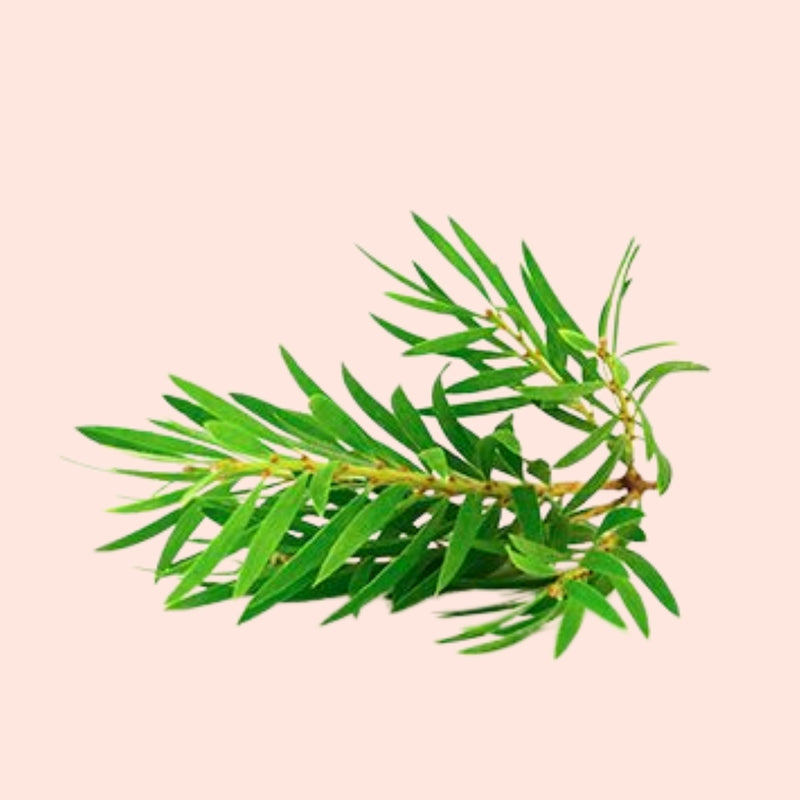
Combining castor oil with tea tree oil creates a powerful dandruff-fighting treatment. Tea tree oil is well known for its antifungal and antimicrobial properties, while castor oil provides deep hydration and scalp nourishment. Together, they effectively reduce flakes, itching, and scalp irritation.
Ingredients:
- 2 Tablespoons Castor Oil
- 4–5 Drops of Tea Tree Essential Oil
Directions:
- Mix castor oil and tea tree oil thoroughly in a bowl.
- Part your hair and apply the mixture directly to the scalp using your fingertips.
- Massage gently for several minutes to enhance absorption.
- Leave the mixture on for 30–45 minutes, then rinse with a mild shampoo. Use once a week.
Safety Precautions
Always dilute tea tree oil before use, as it is highly concentrated. Perform a patch test on the inner arm 24 hours before application to check for allergic reactions. Avoid using on broken or inflamed skin. Pregnant women, people with extremely sensitive skin, or those with known essential oil allergies should consult a healthcare professional before use.
Frequently Asked Questions
Castor oil is a popular natural remedy for dandruff, but many people have questions about its effectiveness and proper usage. Below are answers to some of the most common concerns to help you use castor oil safely and effectively.
Q1. Can castor oil help dandruff?
Ans: Yes, castor oil can help reduce dandruff due to its antifungal, antibacterial, and moisturizing properties. It targets dandruff-causing fungi, soothes dry scalp, reduces flakes, and relieves itching when used consistently.
Q2. How do you use castor oil for dandruff?
Ans: Castor oil can be used as a scalp massage oil, pre-wash treatment, or overnight mask. Apply it directly or dilute it with lighter oils, massage it into the scalp, leave it on for some time, and wash thoroughly.
Q3. How to apply castor oil for dandruff?
Ans: Warm a small amount of castor oil, apply it to the scalp in sections, massage gently, and leave it on for 30–60 minutes or overnight. Shampoo well to remove residue and repeat weekly.
Conclusion
Castor oil is an effective natural remedy for dandruff due to its antifungal, moisturizing, and soothing properties. With regular and proper use, it helps restore scalp balance, reduce flakes, and improve overall hair health. When incorporated into a consistent hair care routine, castor oil offers long-lasting relief from dandruff and scalp discomfort.
DISCLAIMER
This content is for informational purposes only and is not a substitute for professional medical advice, diagnosis, or treatment. Always consult a healthcare provider before using essential oils for any health condition.