
Nicotine addiction and habitual triggers may make stopping smoking one of the most difficult lifestyle alterations. Essential oils provide a natural and holistic method of aiding this process, which includes the minimization of cravings, stress control, and relaxation. These oils act by bypassing the system, that is, aromatherapy, which stimulates the limbic system of the brain to affect the mood, emotions, and habits. Counseling, behavioral techniques, and mindfulness combined with essential oils can relieve the withdrawal symptoms, alleviate anxiety, and address irritability. Their aromatic compounds do not only offer comfort, but they also might substitute the sensual habits of smoking. The application of essential oils as an alternative remedy is able to enable individuals to address cravings in a natural manner, in addition to supporting the mental and physical health.
List of Top 10 Essential Oils To Quit Smoking
Some of the basic oils have been established to help control cravings, relieve stress, and enhance lung functionality, and it makes them a welcome addition in the smoking cessation process. These oils could be applied alone or in combination as a blend to be inhaled, used in diffusers, or applied to the top of the head to have a soothing and supportive effect.
1. Ylang Ylang Essential Oil
Ylang ylang essential oil enjoys popularity due to its relaxing and intoxicating effects. It assists in alleviating stress and tension, as well as emotional triggers that typically trigger smoking. Ylang ylang may help reduce anxiety and reduce restlessness in nicotine withdrawal by stabilizing mood and lowering anxiety and stress.

The pleasant floral smell is also able to drive back the idea of smoking and increase the level of happiness and balance. This is especially beneficial in stressful moments, which can cause the desire to smoke.
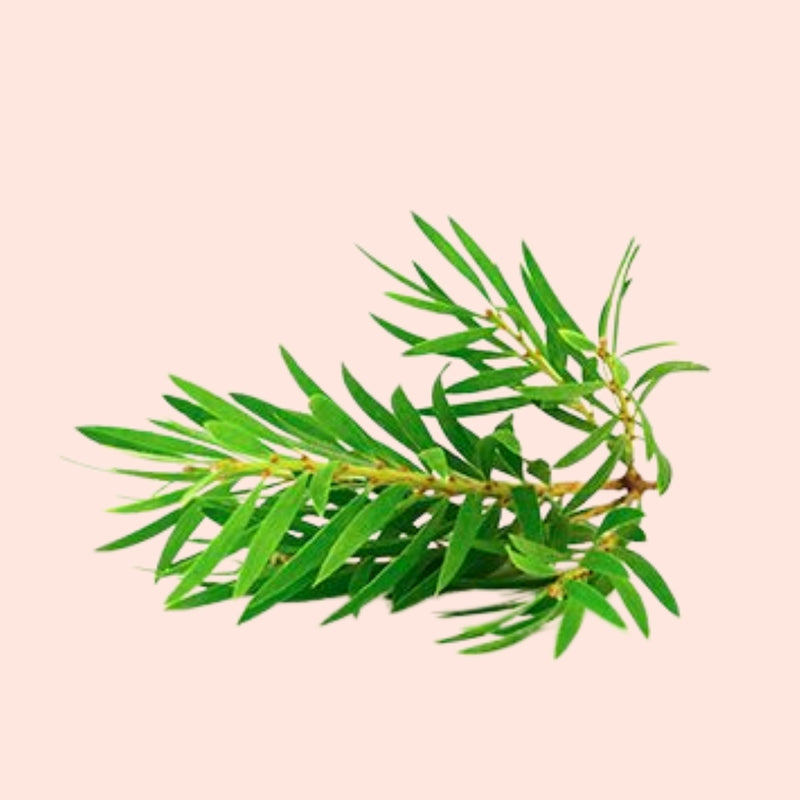
2. Tea Tree Essential Oil
Tea tree essential oil has been known to be cleansing and detoxifying. Although it would mainly help in managing respiratory health, breathing in tea tree oil can decrease the desire to smoke in users as it induces freshness in the breathing system.

Its antibacterial capability can be used to prevent the toxins and bacteria attacking the lungs, which is useful particularly to the people who have smoking-related lung damage that is in progress of healing. The stimulating aroma of tea tree oil may also stimulate and enhance concentration.
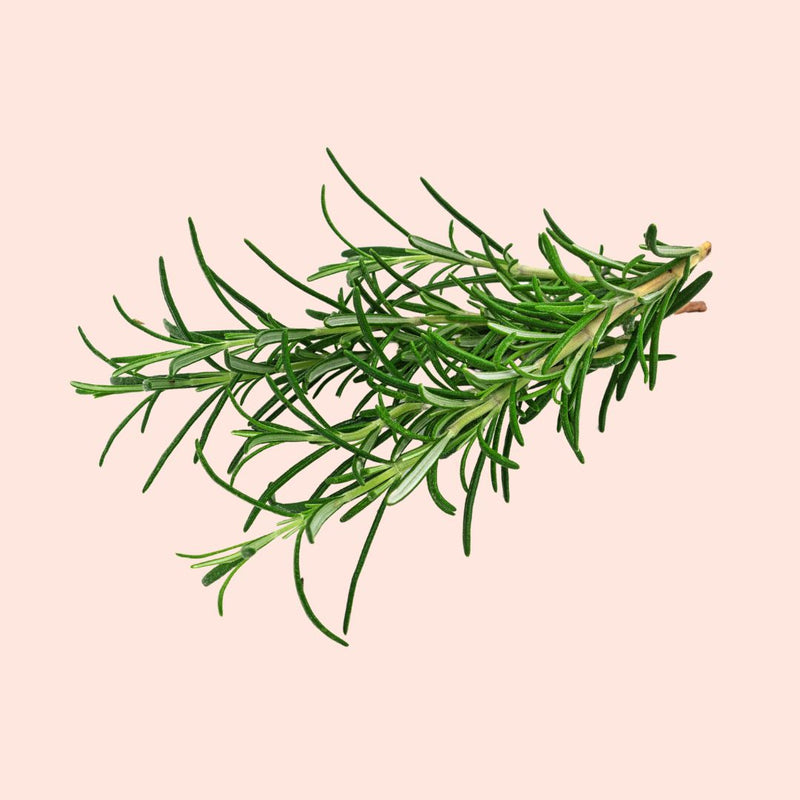
3. Rosemary Essential Oil
Rosemary essential oil is invigorating and psychologically clearing, which can be used to deal with the fatigue and mental fog caused by nicotine withdrawal. Its smell can make one more energetic, help to concentrate, and improve the mood, decreasing the mental desire to smoke cigarettes.

Mild detoxifying effects also help the body get rid of the toxins building up in the lungs and liver, which is helpful in the process of lightening cigarettes as well as the liver. The frequent inhalation will be able to produce a more favorable mental state, which will help all smokers to resist their urges.
4. Rose Essential Oil
The Rose essential oil is adored due to its cool and comforting nature. It decreases the emotional pressure and frustration that usually come with smoking cessation. The flower aroma encourages emotional balance and self-compassion, which can be used to cope with the cravings caused by anxiety or tension.

It is also possible to enhance the quality of sleep and lessen the feeling of restlessness with rose oil, make the quitting process less stressful, and increase the overall mood.
5. Roman Chamomile Essential Oil
Roman chamomile oil is good for relaxing anxiety and nervous tension. The sweet smell is gentle and very effective in curbing cravings caused by stress and inducing a relaxed attitude. Besides the stress-reliever effect,

Roman chamomile can enhance sleep quality, alleviate irritability, and minimize mood swings, which are typical during the process of nicotine withdrawal. This renders it to be a supportive essential oil in both emotional and physical comfort in quitting smoking.
6. Peppermint Essential Oil
One of the benefits of peppermint essential oil is that it is refreshing and invigorating, which is used to overcome fatigue and mental fogs due to nicotine withdrawal. The relief of discomfort of the cravings can be offered by its cooling effect on the respiratory system.

Peppermint oil inhalation has the potential to induce alertness and energy and decrease the urge to smoke. It will also be able to substitute the oral and sensual habit of smoking with a cooling and calming alternative to the mouth and nasal passages.
7. Lemon Essential Oil
Lemon essential oil is refreshing, invigorating, and cleansing. It's sunny, and citrus scent assists in mood boosting, anxiety reduction, and fatigue fighting, which could provoke smoking desires. Lemon oil is also helpful in liver detoxification and helps the body to get rid of nicotine and other toxins.

This regular use may open up the senses and give a feeling of coherence in the mind, and hence one may find it easier to resist the temptation to smoke.
8. Lavender Essential Oil
Lavender essential oil is famous due to its calming and relaxing effect. It will decrease anxiety, stress, and irritability that usually accompany nicotine withdrawal. Lavender enhances emotional stability and can also be used to enhance the quality of sleep, which gets disturbed when one stops smoking.

Its calming effect makes it an effective anti-stress agent and could be used to suppress emotional smoking cues, which is a much more effective way to relieve stress than to smoke.
9. Grapefruit Essential Oil
Grapefruit essential oil is stimulating, invigorating, and invigorating. It has the citrus smell that is effective in fighting fatigue, boosting mood, and lowering emotional stimuli that provoke smoking. Grapefruit essential oil is also beneficial in metabolizing and detoxification, helping the body of the person cleanse of nicotine toxins. The experience of feeling light and alive can be achieved in inhalation of this oil instead of the usually adopted sensory habits of smoking with a natural and pleasant smell.
10. Black Pepper Essential Oil
Black pepper essential oil is invigorating and stabilizing, and it will ease irritability and cravings when going through nicotine withdrawal. Its pleasant, hot, and spicy smell can contribute to mental concentration and stamina; it is easier to withstand the smoking urge.

Circulation and digestion may also be enhanced by black pepper oil, and this can be good since the body cleans its system of the smoking. It is also a useful supplement to quit-smoking blends of essential oils, with its invigorating but leveling effects.
How to Use Essential Oils to Quit Smoking
1. Aromatherapy Inhalers
Aromatherapy inhalers can be carried with one. Take a small inhaler and put a cotton wick that has been soaked with some drops of your desired essential oils. Whenever any craving comes, take a deep breath for several seconds. The aroma invigorates the brain and suppresses the urge to smoke, in addition to calming the brain. Essential oil inhalers are non-inhibitious, convenient, and can be used to control the urge of stress or areas of social interaction that are unplanned, thus making it a very important part of a quit-smoking plan.
2. Room Diffusers
Diffusing essential oils in a room helps create a calming and supportive environment. Add a few drops of selected oils such as lavender, lemon, or ylang ylang to a diffuser with water. The aroma spreads throughout the room, helping reduce stress and improve mood. Diffusers are especially effective during home or office hours when cravings may occur. Continuous exposure to essential oil aromas can subconsciously reduce the desire for cigarettes while enhancing relaxation and focus.
DIY Essential Oil Blend Recipe To Quit Smoking
Introduction
Creating a personalized essential oil blend can enhance the quitting process. This blend combines oils known to reduce stress, curb cravings, and improve mental focus. It can be used in inhalers, diffusers, or diluted for topical application to provide constant support during the quitting journey.
Ingredients
- 5 Drops of Ylang Ylang Essential Oil
- 5 Drops of Lavender Essential Oil
- 5 Drops of Lemon Essential Oil
- 3 Drops of Black Pepper Essential Oil
- 3 Drops of Peppermint Essential Oil
- 10 ML of Carrier Oil
Directions
- For inhalation, add the essential oils to an aromatherapy inhaler or diffuser.
- For topical use, dilute the oils in the carrier oil and apply to the wrists, chest, or back of the neck.
- Inhale deeply whenever cravings appear. Use the blend 2–3 times daily or as needed. Store in a dark, cool place to preserve potency.
- Regular use reinforces relaxation, reduces stress, and supports the body in managing nicotine withdrawal naturally.
Frequently Asked Questions
Many individuals have questions about using essential oils to quit smoking. These answers address common concerns and provide guidance for safe, effective use.
Q1: Can essential oils help you quit smoking?
Ans: Yes, essential oils can help manage cravings, reduce stress, and improve emotional balance, making quitting easier. They work as a supportive tool alongside behavioral strategies and medical guidance.
Q2: Are there any safety concerns or risks with using essential oils?
Ans: Essential oils should be used with caution. They must be diluted before topical application, and a patch test is recommended. Some oils may cause allergic reactions or irritation. Avoid ingestion without professional guidance and consult a healthcare provider if pregnant, nursing, or on medication.
Conclusion
Essential oils offer a natural, supportive method to aid in quitting smoking. They reduce cravings, manage stress, and improve mood while complementing other cessation strategies. Regular use of essential oils, combined with lifestyle adjustments, can make the quitting process more manageable, promoting long-term physical and emotional well-being.
DISCLAIMER
This content is for informational purposes only and is not a substitute for professional medical advice, diagnosis, or treatment. Always consult a healthcare provider before using essential oils for any health condition.