
Joint pains are a widespread ailment that may be experienced by individuals of any age and may be caused by arthritis, wounding, inflammation, aging, overuse, or auto immune disease. It frequently causes stiffness, swelling, limitation of movements, and pain, which disrupts normal routine and quality of life. Although some people may have side effects when using long term the conventional treatments like painkillers and anti-inflammatory drugs can relieve them. This has made a lot of individuals seek the natural and complementary therapies for treating joint pains.
Essential oils, extracted plants containing aromatic plants, have been employed in many centuries of traditional medicine due to their effect of anti-inflammatory, analgesic, circulation-stimulating, and muscle-relaxing. Essential oils may also be used to relieve stiffness of the joints, inflammation, improve mobility, and relax, when applied properly. The use of essential oils as a part of the routine pain-management practice is a natural and relatively gentle approach to promote the well-being of the joints.
List Of Top 10 Essential Oils for Joint Pain
Some of the essential oils are especially effective when used in joint pain due to the fact that they assist in decreasing inflammation, enhancing blood flow, blocking muscles, and calming nerve-related pains. The top ten most effective oils to relieve joint pain and have long-term joint pain are presented below.
1. Bergamot Essential Oil
Bergamot essential oil has been appreciated as an analgesic and anti-inflammatory oil, hence good in relieving pain and stiffness in the joints. Bergamot essential oil aids in the alleviation of pain occasioned by inflammation, besides facilitating relaxation of the surrounding muscles.

Bergamot also contributes to emotional well him/herself, which is critical to individuals who are suffering from chronic joint pains. When used in an oil massage blend or a warm compress on a regular basis, this oil also enhances the feeling of decadence, decreasing stiffness in the joints and enabling them to become more supple.
2. Myrrh Essential Oil
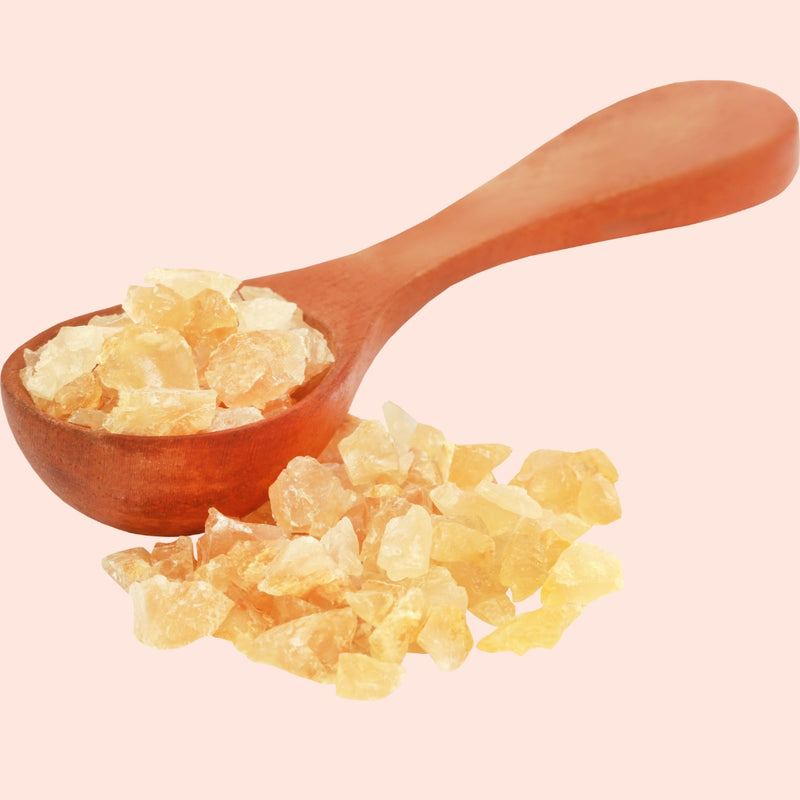
The Myrrh essential oil has been conventionally used to treat pain and inflammation. It includes potent anti-inflammatory agents which assist in swelling and stiffness in the sore joints. Myrrh also helps in repairing tissues and in enhancing blood flow, which helps the health of the joints in the long run.

It is warm and can be used to relieve deep and aching pain that is normally related to arthritis and chronic joint-related problems. Myrrh essential oil is used to bring long-term relief and comfort when diluted and applied to the affected regions.
3. Cinnamon Essential Oil
The oil of cinnamon can be referred to as having a warming and circulation-stimulating effect, and this quality makes it helpful as a solution to joint pains that are brought about by poor blood circulation or stiffness. It can be used to decrease inflammation and raise the amount of warmth in joints that are cold or stiff.

Cinnamon essential oil is also a weak analgesic, and that is why it helps relieve pain. It is very strong, and therefore it has to be highly diluted; however, when correctly applied, it can make joint movement and comfort much easier.
4. Eucalyptus Essential Oil
Eucalyptus essential oil offers cooling effects and anti-inflammatory effects to sore and swollen joints. It can be used as an aid to minimize pain, stiffness, as well as inflammation since it enhances blood circulation and muscular relaxation.

Eucalyptus is also analgesic and antimicrobial, so it can be used to treat joint pain that occurs as a result of injury or inflammation. The fresh smell of it allows the person to relax and breathe more easily, making the massage or topical application more comfortable.
5. Frankincense Essential Oil
Frankincense essential oil is one of the most popular oils for joint pain as it has a great anti-inflammatory and pain-relief effect. It decreases swelling, stiffness, and discomfort of arthritis and long-term joint disorders.

Frankincense gives joint mobility through better circulation and swelling of inflammation at its origin. Regularly, it may assist in increasing flexibility and lessening long-range joint pain as well as offer emotional equilibrium.
6. Geranium Essential Oil
Geranium essential oil is useful to balance the inflammation and enhance the circulation, thus it is useful in relieving joint pains and swelling. It helps the body to complete its natural healing mechanisms, and it relieves the stiffness and discomfort.

Geranium oil is also useful to relieve muscle sphincter around the joints and enhance movement, and relieve pressure on inflamed regions. It is gentle, which makes it appropriate to be used frequently, especially as a massage blend to treat chronic joint pain.
7. Rosemary Essential Oil
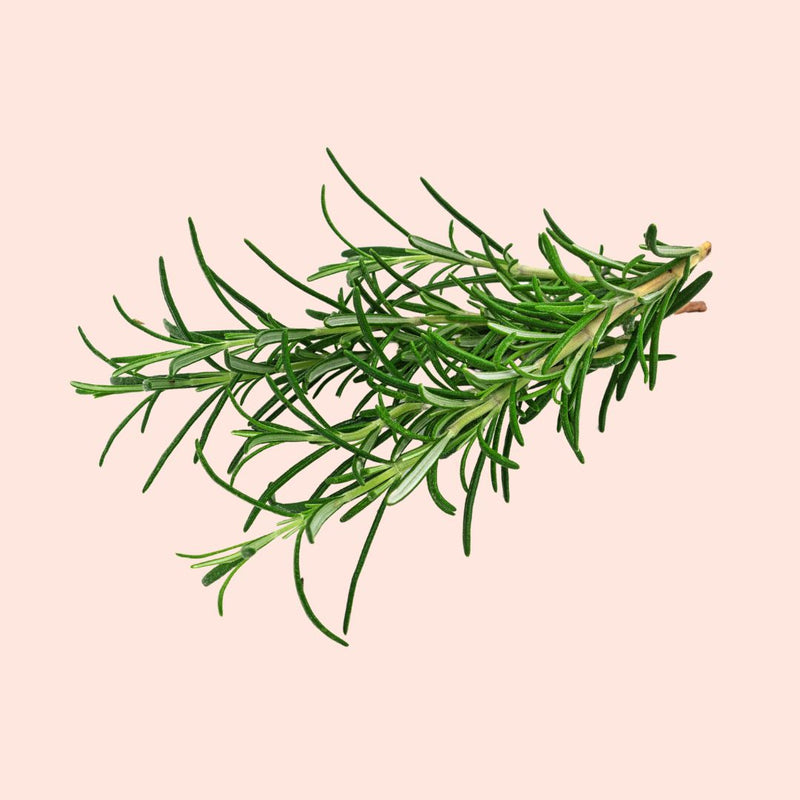
Rosemary essential oil, on the other hand, is famous because it helps to increase the circulation and alleviate pain. It assists in thawing the body’s joints that are stiff, relieving the tension of muscles, and minimizing the inflammation.

Rosemary is especially useful for pain in the joints due to overuse or other people's sports, or arthritis. It increases blood circulation to ease soreness and enhances faster recovery and joint flexibility by its analgesic effects when taken regularly.
8. Lavender Essential Oil
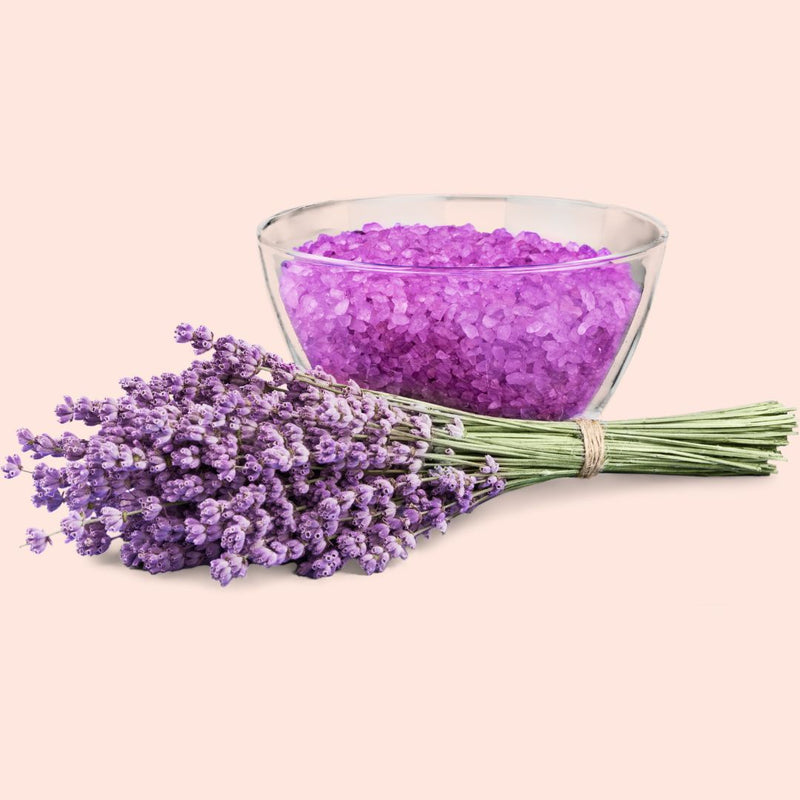
Lavender essential oil is popular for its calming effects, anti-inflammatory effects, and analgesic effects. It assists in the alleviation of pain, swelling, and stiffness of the joints, as well as relaxation of the muscles.

Lavender can particularly assist with stress-related pains in joints and sleep disturbances that are unfavorable since it aids relaxation and rest. It is soft and can be used on sensitive skin, as well as in long blends of joint pain reliever.
9. Lemongrass Essential Oil
Lemongrass essential oil possesses high analgesic and anti-inflammatory effects that ease the painful stimulation of joint pains. It helps in better circulation and less swelling around the joints that are affected.

Lemongrass is also useful in the removal of excess fluids that may also lead to joint pains. Its fresh and citrus scent gives it an uplifting effect and relieves pain, hence making it a favorite of massage therapy and topical pain-relief blends.
10. Orange Essential Oil
Orange essential oil provides weak anti-inflammatory and pain-relieving properties, which are effective in relieving joint pains. It helps in circulation, decreases stiffness, and helps in relaxation of muscles surrounding the joints.

Orange oil is also mood-enhancing, and this can be useful to people with chronic joint pain. Although not harsh by itself, it is a good complement to other more powerful oils to provide a greater effect in the reduction of pain and discomfort.
DIY Essential Oils Recipe For Joint Pain
A carefully blended essential oil mixture can provide effective relief from joint pain, stiffness, and inflammation. This recipe combines oils known for their warming, anti-inflammatory, and circulation-boosting properties to support joint comfort naturally.
Ingredients:
- 10 Drops of Frankincense Essential Oil
- 8 Drops of Rosemary Essential Oil
- 6 Drops of Eucalyptus Essential Oil
- 8 Drops of Lavender Essential Oil
- 4 Drops of Ginger Essential Oil
- 2 Tablespoons of Coconut Oil
Directions:
- In a clean glass bottle, add the carrier oil as the base.
- Add a few drops of each essential oil and gently swirl or roll the bottle to blend thoroughly.
- Apply a small amount of the mixture to the affected joints and massage gently using circular motions.
- Use once or twice daily, preferably after a warm shower, for best results.
Frequently Asked Questions
Essential oils are increasingly used for natural pain management, but many people have questions about their effectiveness and proper use for joint pain. Understanding these basics helps ensure safe and beneficial application.
Do essential oils help with pain?
Ans: Yes, essential oils can help relieve pain by reducing inflammation, improving circulation, and calming nerve sensitivity. While they may not replace medical treatment, they can be an effective complementary approach for managing joint pain and discomfort.
How to use essential oils for joint pain?
Ans: Essential oils are best used topically after dilution with a carrier oil. They can be massaged into affected joints, used in warm compresses, or added to baths. Regular, consistent use provides better results over time.
How do you mix essential oils for joint pain?
Ans: To mix essential oils for joint pain, combine a few drops of selected essential oils with a carrier oil. Always follow proper dilution guidelines to avoid skin irritation and ensure safe, effective pain relief.
Conclusion
Essential oils offer a natural, supportive way to manage joint pain, stiffness, and inflammation. Their anti-inflammatory, analgesic, and circulation-enhancing properties help improve mobility and comfort when used consistently. As part of a holistic approach, essential oils can enhance joint health, promote relaxation, and improve overall quality of life without harsh side effects.
DISCLAIMER
This content is for informational purposes only and is not a substitute for professional medical advice, diagnosis, or treatment. Always consult a healthcare provider before using essential oils for any health condition.