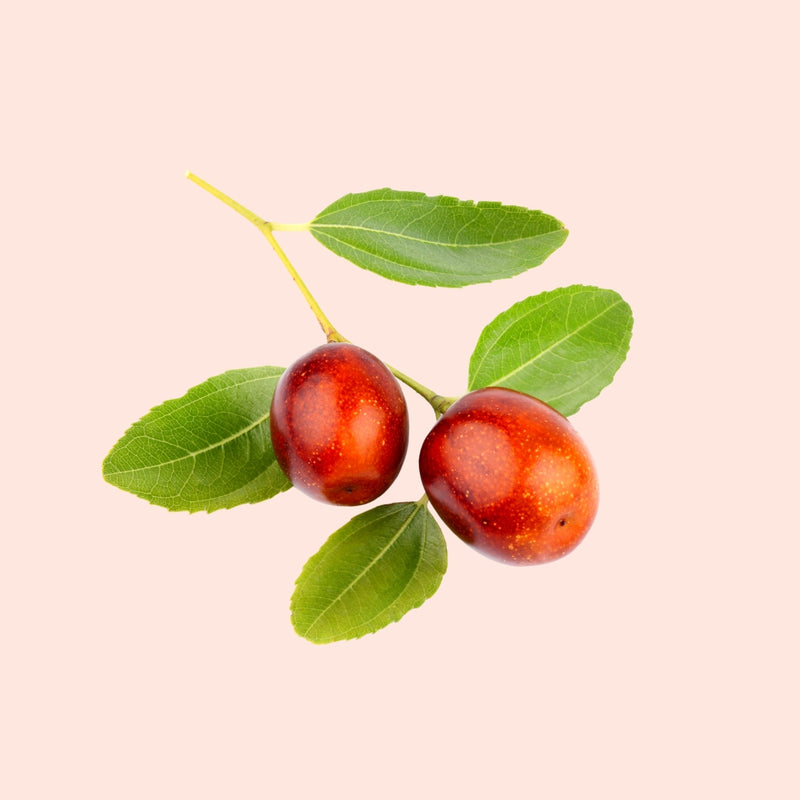

Jojoba oil has emerged as one of the most important natural oils that has been recommended to individuals who have oily and acne-prone skin. This oil is a liquid wax ester rather than a conventional oil extracted from the seeds of the jojoba plant, which is scientifically named Simmondsia chinensis. Its uniqueness is that it is remarkably similar to human sebum, the natural oil that is produced by our skin. Due to this fact, the jojoba oil is compatible with oily skin rather than one that clogs the pore or leaves the skin greasy.
As opposed to the popular belief, oily skin still needs to be hydrated appropriately. When the skin is made dry by using rough cleansers or excessive exfoliation, it tends to produce even more oil to make up. Jojoba oil also regulates this excess production by indicating to the skin that there is enough oil in the skin. It is non-comedogenic, lightweight, full of vitamin E, and full of antioxidants, and thus it is an excellent option among individuals who want an all-natural and gentler solution to the problem of excess shine, the enlarged pores and the breakouts. Jojoba oil, with consistent and proper use, can make oily, greasy skin a healthier, more balanced, and radiant complexion.
Benefits of Jojoba Oil For Oily Skin
Jojoba Oil contains several skin-balancing effects, which make it particularly appropriate for the skin types of acne and oily skin. Its composition is highly similar to the natural skin oils, which makes it control the sebum production, soothe the inflammation, and promote the overall skin condition without filling the pores or making it feel heavier.
1. Controls Excess Oil
The jojoba oil has been shown to benefit oily skin in a number of ways, and one of the greatest benefits is its ability to control the amount of sebum produced. Since it is similar to the natural oil in the skin, it fools the sebaceous glands into thinking that plenty of oil has been created. The glands, in turn, decrease excessive secretion. In the long term, this will control shine, especially in the T-zone. Rather than leaving the skin dry, the jojoba oil rebalances the skin, avoiding the subsequent oiliness that follows using alcohol-based products, which are harsh.
2. Non-Comedogenic
The fear of people with oily skin about the use of facial oils is that it will enlarge the pores and cause acne. Nevertheless, the jojoba oil is non-comedogenic and hence does not obstruct pores. Its texture is very light and fast absorbing, which makes it enter the skin without a greasy film. It assists in breaking down sebum hardness formed inside pores, possibly lowering blackheads and whiteheads. This causes jojoba oil to be perfect since it is not heavy yet provides hydration to the person.
3. Soothes Acne
Acne, reddening and irritation also tend to accompany oily skin. Jojoba oil is also an anti-inflammatory that has natural antioxidants that help soothe angry skin. It also possesses weak anti-bacterial properties that can be used to reduce the acne-causing bacteria. Vitamin E found in jojoba oil aids in the healing of the skin, and the scars of acne look lessened with time. It can be used to smooth out irritation and accelerate recovery, which results in a healthier and more beautiful complexion.
4. Balances Skin Hydration
Oily skin requires moisture in order to have a healthy barrier. This can cause more production of oil, sensitivity, as well as breakouts when the skin barrier is compromised. Jojoba oil reinforces the skin's defence mechanism by trapping the hydration against drowning the pores. Its emollient ability makes the rough spots soft, and it prevents loss of moisture. Properly hydrated skin leads to a decrease in oil imbalance, enhanced skin texture, and resilient skin in general.
How to Use Jojoba Oil For Oily Skin
Applying jojoba oil properly is a vital way of deriving all the benefits. Despite being mild and light, when used in the appropriate amount and technique, the skin will not be excessively dry but will be balanced once it is used. The following are some of the efficient methods of incorporating jojoba oil into your skin care regimen.
1. As a Lightweight Moisturizer
After cleansing and toning, apply 2–3 drops of jojoba oil to slightly damp skin. Warm the oil between your palms and gently press it into your face. This assists in sealing moisture as well as controlling oil production during the day. During the day, bring up sunscreen. During the nighttime, jojoba oil can be used instead of heavy creams, which provide hydration but do not block the pores. Frequent application allows for a decrease in shine and makes the skin soft and even.
2. As an Oil Cleanser
The oil cleansing technique can be applied using Jojoba oil to dissolve the surplus sebum, sunscreen and makeup. Apply a small amount on dry skin for 2-3 minutes of the massage with a concentration on concentrated zones. Wipe it off then with a warm, wet cloth. By this process, impurities are eliminated without the skin being stripped, which leads to the production of a lot of oil due to excessive cleansing routines.
3. As a Spot Treatment
To treat inflamed pimples, apply a little jojoba oil on the pimple using clean fingertips or a cotton swab. Its anti-inflammatory and calming effects can help to decrease the redness and irritation. It can also be applied regularly to fade away the post-acne marks. This procedure is not so harsh that it cannot be used on a daily basis, as long as the skin is able to endure it.
4. Mixed With Aloe Vera Gel
Add several drops of jojoba oil to pure aloe vera gel and rub it on the face as a light night treatment. Aloe vera is moisturizing and calming, and the jojoba oil preserves moisture and controls the amount of oil that is produced. This blend is particularly useful for oily acne prone sensitive skin. It is not too much liquid or greasy.
Recipe of Jojoba Oil For Oily Skin
It is possible to make a simple jojoba oil mix at home and make it more beneficial for oily skin. You can make a balancing serum to aid in the control of oil and hydration by mixing it with lightweight soothing ingredients.
Ingredients:
- 1 Tablespoon cold-pressed Jojoba Oil
- 1 Teaspoon pure juice of aloe vera
- 2-3 Drops of Tea Tree Essential Oil (Optional, for acne-prone skin)
- 1 clean glass dropper bottle
Directions:
- Pour the jojoba oil and the aloe vera gel into a container and blend them well.
- Add essential oil of tea tree (in case of necessity) and stir once more.
- Pour the mixture into a filtered bottle using a glass dropper.
- Shake gently before each use.
- Put on cleansed skin at night with 2 -3 drops.
Safety Precautions
Though jojoba oil is considered to be safe for the majority of skin types, there is a need to conduct a patch test prior to applying it to the face. Rub a little behind the ear or the inside of the arm and wait 24 hours to see whether there are any reactions. Cold-pressed and pure jojoba oil should always be used to prevent additives. Should the essential oils be added, they should be diluted properly, and not beyond the recommended number of drops; essential oils are very concentrated. The patients who are known to be allergic to plant-based oils are advised to consult with a dermatologist. Should not be applied to inflamed or broken skin, unless advised by the doctor. In case of irritation, itching, or reddishness, stop use. Essential oils are not to be used in skincare products without consulting a medical expert, particularly by pregnant or lactating women.
Frequently Asked Questions
The use of jojoba oil by people who have oily skin is one of the main issues that comes to mind, since it appears illogical to put oil on oily skin. Here are some of the common issues and their clear explanations so that you get to know how to use it without harming yourself and effectively.
Q1. Is jojoba oil good for oily skin?
Ans: Yes, the jojoba oil is especially useful in regard to oily skin because it resembles the natural sebum. It assists in controlling the production of oil as opposed to amplifying production. It does not block pores as it is lightweight and non-comedogenic, thus it has the effect of hydrating the skin. Regular usage can soften the skin in terms of surplus shine and create equilibrium.
Q2. Can I mix jojoba oil with moisturizer?
Ans: Yes, you may combine some drops of jojoba oil with your normal moisturizer. This increases the hydration, and a light texture is retained. When the skin is oily, a gel-based or water-based moisturizer is appropriate so that it is not heavy. The mixing of the oil will spread the oil evenly and will enhance absorption without giving it a greasy look.
Q3. What happens if I use jojoba oil every day?
Ans: Use of jojoba oil daily can balance the oil production, hydrate the skin, and support the skin barrier. In the long run, there is decreased shine and fewer breakouts. Excessive use of the product can, however, lead to accumulation. Also, third, application: stick to 23 drops per application and observe the reaction of your skin.
Conclusion
The jojoba is a light, but effective, natural oil that can be applied to oily skin. Its capacity to control sebum, hydrate without congesting pores, and calm inflammation will make it a perfect one-two-three step in a skincare routine. When applied properly and regularly, it helps to achieve a healthier, clearer and more balanced skin.
DISCLAIMER
This content is for informational purposes only and is not a substitute for professional medical advice, diagnosis, or treatment. Always consult a healthcare provider before using essential oils for any health condition.