
Fragrance oils are pure aromatics which are widely used in manufacturing perfumes, aromatherapy, and cosmetics. They are secure and inexpensive in place of natural essential oils, and are accessible in a large selection of fragrances, such as floral and fruity, woody and spicy. These are oils, which are prepared by combining natural extracts, synthetic aroma molecules, as well as carrier oils in order to produce long-lasting perfumes.
The loveliness of the fragrance oils is that they can be utilized in very numerous ways to produce personal scents that can be changed to attain individual preferences of the individual who is using them. This is due to their low costs, stability, and diversification to be used in producing the different perfumes without compromising their quality. With the right knowledge on this, female fragrances may be transformed into premium, signature perfumes which create the impression of a brand, which lasts longer.
List Of Top 10 Best Fragrance Oils For Making Perfume
In the case of a perfume, one can choose the right fragrance oil to produce a perfume that is fascinating and long-lasting. The scent of an oil and its permanency or staying power are what determine the beauty of the end perfume. Some have a light, airy fragrance, on some oil and others are strong, lingering fragrance. These are the top ten fragrance oils of the perfume grade and are the most commonly demanded by perfumers because of their characteristics and also their ability to combine with other fragrances.
1. Rose Fragrance Oil
Rose fragrance oil comprises one of the most extensively used fragrance oils in the perfume industry because it bears a romantic and ancient smell. It is flowery and rich-smelling, a masterpiece that makes elegance and sophistication ideal in style to signature perfumes. Rose oil is not just a layer giver to a perfume mix but also enhances other floral and citrus perfumes. In addition to this, it is also soothing and can boost the mood as well as cause some peace. They can use this oil during the day, perfumes, and evenings when it creates a subtle scent profile, though memorable.
2. Sandalwood Fragrance Oil
Sandalwood fragrance oil is a luxury item, which has a warm, dry scent and soothes the mind, and falls under the luxury items. It is also often used as a base note in perfumes, and this is what makes fragrance blends deep and long-lasting. Sandalwood mixes with the floral oils, spicy and citrus oils, and therefore can be applied in perfume. It is also believed to be flawless in stress relieving and took as aromatherapy because of the calming effects. Sandalwood oil also imparts the slight sensual touch and brings the overall luxurious feel and subtlety behind any perfume in which it is added.
3. Jasmine Fragrance Oil
Jasmine fragrance oil is said to be impossibly sweet and flowery smell that is largely associated with romance and opulence. It is an ideal blend of citrus, woody, and musky smells that leads to an intricate and nice smell. Jasmine oil is applicable in daytime and evening perfumes and possesses a loose perfume profile. In addition to the aromatic delight, jasmine is claimed to cause relaxation, enhance mood, and boost confidence. It has a sweet and aromatic smell that is very enticing that the perfumers can use it to make sexy and memorable perfumes.
4. Lavender Fragrance Oil
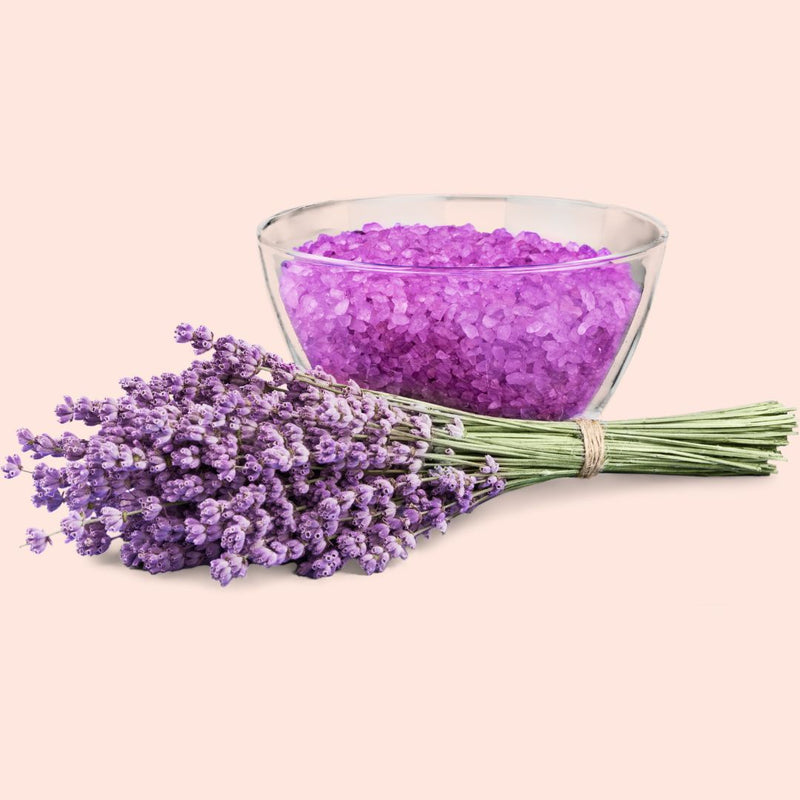
The aroma of lavender fragrance oil is cool, clean, and plant-like, and is calming and stimulating. It is considerably adaptable and mixes with floral, citrus, and woody odors in perfume formulas. Lavender oil is used to make soothing and calming perfumes that are best in the day. It is mild-scented, and this is suitable to sensitive noses, and it is a refreshing rest to blends of perfumes. Besides the smell it has, lavender oil can be applied in calming, relieving stress, and enhancing mental focus.
5. Lemon Fragrance Oil
Lemon fragrance oil perfume is hot due to its sunny, light-hearted, and cheery aroma that gives an instant impetus to the senses. It is cool-smelling and fits to be used in summer fragrances, including unisex and citrus scents. Lemon oil is quite complementary to both floral, herbal, and woody notes because the oil gives out a cheery and bright aroma. It is energizing and activates perfumes besides enhancing mood and concentration. Lemon perfume oil is the most appropriate to apply when creating a clean, fresh, and lasting impression of perfumes.
6. Saffron Fragrance Oil
The recommended aromatic material is the saffron fragrance oil, which is warm, exotic, and slightly spicy in aroma. It is also a great starting or intermediate note within perfumes, which makes the blends rich and deep. Saffron oil mixes with floral fragrances, woody fragrances, and amber, and therefore, it is highly applicable in the high end fragrance formulations. It makes one feel classy and luxurious with its aroma, and perfumes are more sophisticated and memorable. In addition, the fragrance oil is impregnated with saffron that is believed to create a mood, hence making it calm and relaxed.
7. Patchouli Fragrance Oil
Patchouli fragrance oil is renowned for its musky and somewhat sweet scent that is grounded. It is applied as a prolonged base note in perfumes to provide stability and depth to perfumes. Patchouli oil is incompatible with floral, citrus, and spicy oils and causes complex and harmonious blends. It has a warm and dirty smell that fits evening perfumes and unisex perfumes. Besides the smell, patchouli should be stress-relaxing, emotionally-stabilizing, and a good mood-stabilizer; therefore, it is a popular perfumer's choice.
8. Neroli Fragrance Oil
Neroli fragrance oil is a product of bitter orange flower and is well valued since it has sweet smell that is slightly citrus-like. It imparts the perfumes with prowling quality and novelty, which is very well with the woody fragrances, citrus, and the musky fragrances. It would suit best to use the neroli oil in order to create fragrances of the day that are light and elegant. The smell is subtle, refreshing, and pleasant, and it triggers a state of relaxation and happiness. Neroli fragrance oil would have been one of the key components in high-quality perfumes due to its flexibility and the prestige and classy feel that it gives a fragrance blend.
9. Eucalyptus Fragrance Oil
Eucalyptus fragrance oil is fresh-smelling, stimulating, and rather medicinal. It offers perfumes a recent and fresh fragrance blending with citrus, flower, and herb oils. Eucalyptus oil would be the best within the unisex perfumes, particularly in the unisex perfumes meant to generate refreshing, revitalizing, or spa-like perfumes. Its fragrant worth is also associated with pure head, focus, and intellectual exhaustion. The perfume contains additives of eucalyptus oil that are cool, clean, and modern to the perfume.
10. Lemongrass Fragrance Oil
Lemongrass fragrancee oil provides a fresh, citrusy, and slightly grassy smell that is stimulating and invigorating. It is compatible with the floral, woody, and herbal notes to make it perfect in fresh and energetic perfumes. Lemongrass oil is a widely used oil in perfumes worn during summer or by a casual person because of its crisp and refreshing aroma. Its natural mood-enhancing effects help decrease stress, increase concentration, and enliven the brain. Lemon grass fragrance oil perfumes are usually referred to as long-lasting, clean, and fresh.
How To Use Fragrance Oils To Make Perfumes
A quick and easy perfume-making method allows one to make an individual fragrance easily using perfume oils in order to match your mood or style. Fragrance oils are simple to mix, durable, and not challenging, especially to novices, which makes them an ideal choice when it comes to DIY perfumery. Using the simplest of ingredients and an appropriate ratio, you can make your own perfumes without complicated methods and costly equipment.
1. Blending With Carrier Oils
Perfume oils are frequently mixed with carrier oils, e.g., jojoba, fractionated coconut, or sweet almond oil. This aids in the dilution of the concentrated fragrance and retention of its scent. The combination of the oils means that the intensity of the perfume can be altered, and it is safe to be applied to the skin. The carrier oils also add moisturizers to the perfume, which leaves the skin soft and fragrant. It is blended properly to have a harmonious balance between top, middle, and base notes.
2. Developing Alcohol-Based Perfumes.
To make the traditional spray perfumes, the ethanol or perfumer alcohol could be mixed with fragrance oils. The alcohol is used as a solvent, which aids in the distribution of the fragrance and also promotes expeditious evaporation during application. Such a technique enables a long-lasting, light, and fresh smell. The fragrance oil to alcohol ratio is adjustable to produce either eau de parfum, eau de toilette, or cologne, and thus the perfumers have control over the strength and duration of their works.
3. Layering Notes for Depth
When fragrance oils are used in the making of perfumes, combining the top, middle, and bottom notes is used to generate a balanced aroma. The first impression is the top notes, which can be citrus or mint, and the middle notes, like florals, are the core of the perfume. Base notes (woods, resins, musks) are used to provide longevity and richness. A delicate balancing of these layers with fragrance oils leads one to the creation of multi-layered, soothing perfumes, which later develop beautifully when put in place.
4. Enhancing Scent Longevity
Fragrance oils are very concentrated, and thus, they can be used to prolong the permanence of a perfume. To make the oils last longer, combine them with some fixatives like orris root, benzoin, or sandalwood. Fragrance is also maintained by keeping in dark, airtight containers. Such strategic solutions as the use of fragrance oils make sure that perfumes retain their original scent structure during the day, which will give such a person a long-term luxurious experience.
Frequently Asked Questions
The use of fragrance oils in personal perfumes is a question many people would want to understand. The questions tend to have a scent duration, safety, and multi-purpose aspect. Conceptualizing these points will make you able to produce perfumes in a safe and efficient way, and reach the required fragrance intensity as well as tenacity.
Q1:Is it possible to prepare perfume using fragrance oil?
Yes, the fragrance oils are meant to be used in the perfume making. They are also focused, non-toxic, and dissolve readily with carrier oils or alcohol to produce individualized aromas.
Q2:Are fragrance oils more lasting?
As a result of being concentrated and stable, fragrance oils have a longer shelf life than essential oils. As an ingredient with the right fixatives, they have the ability to last a fewhours in terms of smell, which makes them good in long lasting perfumes.
Conclusion
Fragrance oils offer unlimited prospects for developing exceptional, long-lasting, and rich perfumes. Their concentration, safety, and versatility make them to be used by beginners and professionals in the field of perfumery. Fragrance oils can be applied in learning their characteristics and combine methods in a way that they are converted into the signature scents that will make an impression and please the senses.
DISCLAIMER
It is informational only and should not replace professional medical care, diagnosis, and treatment. Another important thing to do before using essential oils on any health condition is always to seek the advice of a healthcare provider.