
Vertigo is a disorder that gives a feeling of spinning, feeling dizzy, nausea and feeling unsteady, which tends to complicate daily activities. It may happen because of inner ear diseases, infections, migraine, or a problem connected with stress, as it influences the vestibular system. Although medical care is crucial in serious cases, most individuals resort to natural therapies in order to contain the symptoms.
Traditional practices of wellness have involved the use of essential oils, which are calming, anti-inflammatory, and promote circulation. Some of the essential oils, when inhaled or used topically (in diluted forms), can offer some relief against dizziness and nausea and relaxation of the nervous system, as well as enhance balance. Aromatherapy has the effect of activating the olfactory system and the limbic system of the brain, which control emotions and reactions to stress.
List of Top 10 Essential Oils For Vertigo
Aromatherapy can relieve vertigo symptoms that include dizziness, nausea, imbalance and lightheadedness. Some of the Essential Oils have relaxing, anti-nausea, anti-inflammatory and circulation-enhancing qualities that can be used to alleviate pain. Some of the most common essential oils employed in practicing natural wellness to alleviate vertigo symptoms and enhance relaxation and balance include the following.
1. Peppermint Essential Oil for Vertigo
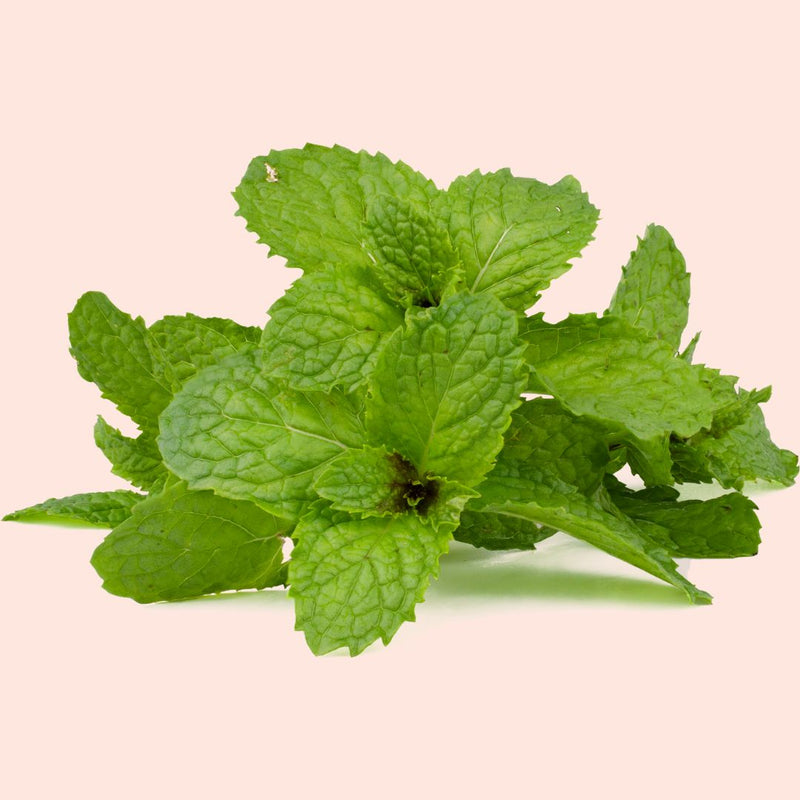
Peppermint Essential Oil is commonly recognized as the invigoration and refreshing smell. The high menthol content gives it a cooling effect, which could help in reducing dizziness and nausea caused by vertigo. Peppermint oil, when inhaled, may awaken the mind, enhance concentration and give an air of alertness which overcomes the spinning effect.

It can also assist in enhancing the circulation as well as decreasing headaches, which occasionally accompany vertigo episodes. Peppermint oil may be used in a diffuser, sniffed through a tissue, diluted in a carrier oil and rubbed into the temples or the back of the neck. The cooling effect is useful in relaxing the tight muscles and soothing the nervous system. Peppermint oil is very useful to many people when they experience the symptoms of vertigo suddenly because the fresh smell of the oil is enough to restore a person to sanity and sobriety.
2. Tea Tree Essential Oil for Vertigo
Tea Tree Essential Oil has generally been identified to have antimicrobial and anti-inflammatory effects. It is most known to support the skin and the immune system, however, in some cases where the vertigo is related to sinus congestion or mild infections, it can be used.

Tea Tree Essential Oil could help to clear nasal tubes and swell around the ear and the sinus region, that tend to affect balance in some cases. The breathing of tea tree oil in a diffuser can also provide a pleasing environment that ultimately allows breathing and rest. It can also be used to relieve stress and fatigue, which can aggravate the symptoms of vertigo. Its dilution in a carrier oil may be rubbed around the neck area and the ear parts in order to promote circulation. Its medicinal odor is usually so soothing and clean that it brings some form of clarity and stability to the mind when one feels dizzy.
3. Thyme Essential Oil for Vertigo
The Thyme Essential Oil is considered to have aromatherapy properties that are stimulating and immune-enhancing. It includes the natural substances that can possibly aid in improving the circulation and decreasing fatigability that can lead to dizziness. Thyme oil can also be used to support vertigo when it is caused by stress, exhaustion or congestion of the respiratory system.
The thyme oil has a warm and herbaceous scent that may aid in getting your body energized and enhance your mental alertness. There are diffusers where this oil is applied to generate a refreshing effect, making one feel clear and focused. The thyme oil can also be put on the back of the neck or the shoulders in a diluted state to reduce tension, which causes dizziness. Due to the fact that thyme oil is a very strong oil, it is always taken in small quantities, and it is well diluted. Taken in moderation, it can assist in promoting wellbeing and alleviating pain related vertigo.
4. Lavender Essential Oil for Vertigo
One of the most used and universal oils in aromatherapy is Lavender Essential Oil. Lavender oil is also known to have a calming and relaxing effect and is especially useful with vertigo caused by stress, anxiety or sleep deprivation.

It has a calming effect on the nervous system and relieves tension or encourages emotional stability because of its calming perfume. Lavender oil can also be used to dispel headaches and nausea, which can be a frequent part of a vertigo episode. It may induce a feeling of tranquillity and stability when inhaled with a diffuser or put onto the temples diluted.
5. Lemon Essential Oil for Vertigo
Lemon Essential Oil is recognized to have a bright and uplifting smell and refreshing properties. A lot of times it is applied in aromatherapy to elevate mood, enhance concentration and decrease feelings of fatigue.

Among the vertigo sufferers, lemon oil can be used to relieve nausea and mental cloudiness that goes hand in hand with the dizziness. The new citrus smell is arousing to the senses and enhances clarity of mind, which may overcome the dizzying effect of spinning. Lemon oil is also slightly detoxifying and circulation-promoting, and it helps with overall well-being.
6. Ginger Essential Oil for Vertigo
Ginger Essential Oil is also famous because of its strong anti-nausea effect. It was a traditional remedy that has been used to treat motion sickness, digestive discomfort, and dizziness.

Ginger oil can reduce nausea and increase circulation to benefit balance and stability, though it can be used with this in the case of vertigo individuals. Ginger Essential Oil has a pleasant and spicy smell that creates a calming effect on the stomach and nervous system. Dizziness and nausea can be relieved by breathing in ginger oil produced by a diffuser or steam inhalation very fast. It may also be put on the wrists, temples or abdomen when diluted in a carrier oil.
7. Clary Sage Essential Oil for Vertigo
Clary Sage Essential Oil is attributed with calming and balancing both hormonal and hormonal actions. Many times it is used to eliminate stress, anxiety and tension that can cause vertigo episodes.

Clary sage oil has a warm and somewhat sweet scent that induces relaxation and emotional equilibrium that may ease the nervous system in the case of dizzy spells. Clary sage can also be used to treat headaches and muscle tension in the neck and shoulders. When applied in aromatherapy, it may induce relaxation and deep breathing, which stabilize the reaction of the body to stress.
8. Tangerine Essential Oil for Vertigo
The aroma of Tangerine Essential Oil is a jubilant citrus scent, which has been found to improve the mood and relieve stress. It is usually applied in aromatherapy to treat anxiety, fatigue, and stress.

Since the factor of vertigo can occasionally become even more severe when it comes to stressful moments, or when mental fatigue sets in, the soothing property of tangerine oil can be helpful in providing asylum. The cool smell helps to wake the senses and attention, which may inhibit the confusion of dizziness.
9. Eucalyptus Essential Oil for Vertigo
It is well known that Eucalyptus Essential Oil helps in supporting respiratory health and clearing the nasal congestion.

In others, the symptoms of vertigo are even worsened by sinus pressure or plugged airways, and the use of Eucalyptus Essential Oil can also alleviate this pain. The cool and invigorating fragrance can aid in opening breathing airways and enhance oxygen supply, making one more alert and clear. Eucalyptus oil acts as an anti-inflammatory agent and can also help cause a reduction in pressure around the ear and the sinus areas.
10. Helichrysum Essential Oil for Vertigo
Helichrysum Essential Oil is commonly believed to be the premium oil in aromatherapy because the therapy quality is very strong. It is famous for its anti-inflammatory and circulation-increasing effect, which could possibly assist in maintaining balance and lowering the level of dizziness.

The oil of helichrysum is also applied at times to provide natural assistance in the differences or activity of the nervous system when one is experiencing a state of stress or imbalance with the nervous system. It's warm, and a little earthy fragrance puts one into a relaxing, earthy mood to remove mental strain.
Essential Oil Recipe For Vertigo
A simple essential oils mixture would be effective for dizziness and nausea. This aromatherapy formula is a mixture of oils that are soothing to the nervous system and help with circulation and nausea. It can also be inhaled or put in topical use as a mixture with a carrier oil.
Ingredients:
- 3 ml Lavender Essential Oil
- 2 Drops of Peppermint Essential Oil
- 2 Drops of Ginger Essential Oil
- 1 teaspoon finely chopped fresh red pepper (cayenne) (or pepper sauce)
Directions:
- Add the carrier oil to the bottle of essential oils, which is then mixed.
- Gently ensure you shake in order to mix up the ingredients.
- Put a little of it on the temples, or wrists, or the back of the neck.
- The smell of the bottle can also be inhaled, or you can put the combination into a diffuser and use it to support aromatherapy at times of vertigo.
Frequently Asked Questions
Essential oils have found a lot of applications as complementary remedies for dizziness and nausea. Nevertheless, a lot of individuals have concerns regarding the mode of operation, as well as the safe use of them. Their role may be understood to enable people apply aromatherapy optimally and with realistic expectations.
Q1. What essential oils are good for Vertigo?
Ans: An array of essential oils is usually applied in the process of managing vertigo symptoms. Oils like peppermint, ginger, lavender and eucalyptus are especially well known that are used to relax and increase the blood flow. Peppermint oil is usually employed to enhance alertness as well as decrease nausea, and ginger oil is known to calm down the stomach and dizziness.
Q2. How should I apply essential oils for vertigo?
Ans: Essential oils can be used in several ways depending on personal preference and sensitivity. One of the most common methods is inhalation. Adding a few drops of essential oil to a diffuser allows the aroma to circulate through the room, creating a calming atmosphere that may reduce dizziness and stress. Direct inhalation from a tissue or cotton pad can also provide quick relief during sudden vertigo episodes.
Q3. Can essential oils completely cure vertigo?
Ans: Essential oils cannot cure vertigo, as the condition often results from underlying medical issues such as inner ear disorders, infections, or neurological conditions. However, aromatherapy may help manage certain symptoms associated with vertigo, including nausea, anxiety, and tension.
Conclusion
Essential oils offer a natural and supportive way to manage some of the uncomfortable symptoms associated with vertigo, such as dizziness, nausea, and stress. Through inhalation or diluted topical application, oils like peppermint, ginger, lavender, and eucalyptus may help promote relaxation and balance. While they cannot cure vertigo, they can serve as a gentle complementary remedy to support overall wellness and comfort.
DISCLAIMER
This content is for informational purposes only and is not a substitute for professional medical advice, diagnosis, or treatment. Always consult a healthcare provider before using essential oils for any health condition.